
THE ROLE OF THE OLYMPICS IN INTERNATIONAL POLITICS
The Role of the Olympics in Shaping Global Diplomacy and International Relations

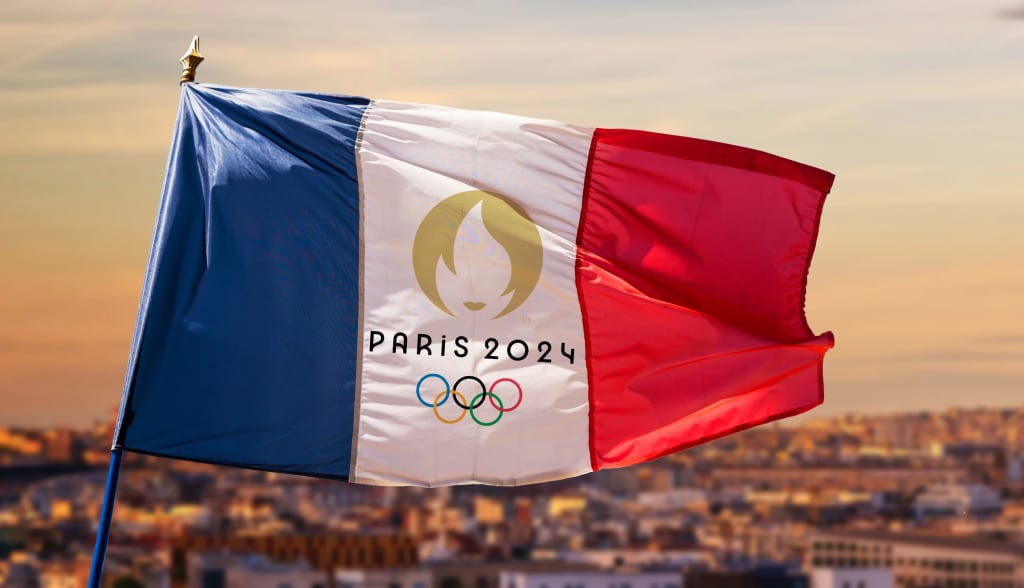
The Olympic Games have long been a symbol of global unity, sportsmanship, and international cooperation. However, they have also played a significant role in international politics, influencing the relationships between nations, shaping global identities, and reflecting the political dynamics of the time. The Olympic Games, held every four years, have not only showcased athletic excellence but have also served as a platform for countries to project power, engage in diplomatic struggles, and express political ideologies.
A Platform for National Prestige
At its core, the Olympic Games provide a unique opportunity for nations to showcase their athletic prowess and national pride on the global stage. The medal count often serves as a gauge of a country’s strength, discipline, and social investment in sports. The victory of athletes can bolster a nation's image, as well as provide political leaders with an opportunity to highlight their nation’s achievements.
The Games have historically been a means for countries to assert themselves on the world stage, particularly during times when international influence and prestige were hard to measure. For example, during the Cold War, both the United States and the Soviet Union used the Olympics as a platform to demonstrate their superiority in terms of sports, technology, and political ideologies. The "Olympic battle" between these two superpowers went beyond athletics and became a matter of national pride and political supremacy.
The Olympics as a Tool for Political Protest
While the Olympics offer an opportunity for nations to shine, they have also been a stage for political protests, with athletes and countries using the event to express dissent against political injustices. One of the most iconic examples of this was the 1968 Mexico City Olympics, where American sprinters Tommie Smith and John Carlos raised their fists in the Black Power salute during their victory ceremony. This powerful demonstration was in response to racial inequality and civil rights struggles in the United States, sparking global conversations on racial justice and human rights.
Similarly, the 1936 Berlin Olympics were heavily politicized by Nazi Germany under Adolf Hitler, who sought to use the event to promote his regime's ideology of Aryan racial superiority. However, the Games became a platform for African American athlete Jesse Owens to defy Hitler’s narrative by winning four gold medals, which challenged the racist ideology being promoted at the time.
Other notable examples include boycotts, such as the U.S.-led boycott of the 1980 Moscow Olympics in protest of the Soviet Union’s invasion of Afghanistan, and the Soviet Union’s retaliation by boycotting the 1984 Los Angeles Olympics. These boycotts reflected the intense geopolitical tensions of the Cold War era and showcased how the Olympics could be used as a political weapon.
The Olympics and Soft Power
The Olympics have become a critical tool for nations to project their "soft power"—the ability to influence global outcomes through attraction rather than coercion. Host countries use the Olympics to position themselves as emerging powers or to strengthen their international reputation. Beijing’s hosting of the 2008 Summer Olympics is a prime example of this. China used the Games to showcase its rapid economic growth, cultural heritage, and global aspirations, transforming itself into a key player on the world stage. Similarly, the 2016 Rio Olympics served as a moment for Brazil to assert its rising global influence, although challenges in political stability and economic crisis affected the country’s image.
For countries with significant cultural influence, the Olympics offer a platform to showcase their values and way of life to the world. The role of the Games in promoting cultural exchange cannot be understated, as it allows countries to present themselves as modern, progressive, and globally connected. This helps countries gain favorable diplomatic relations, trade opportunities, and strengthen their image as global leaders.
International Diplomacy and the Olympics
The Olympics also play a diplomatic role in fostering dialogue between nations that may not otherwise engage. The Games offer a venue for world leaders and diplomats to interact in a neutral environment, where sporting achievements can sometimes pave the way for political negotiations. One famous example of this occurred during the 1960 Rome Olympics when the U.S. and Soviet Union agreed to a “sports diplomacy” framework that allowed for increased cooperation between the two countries during the Cold War.
The idea of the Olympics as a diplomatic tool is also evident in instances where the Games have facilitated rapprochement between nations. The 2008 Beijing Olympics saw the participation of Taiwan under the name "Chinese Taipei," marking a subtle diplomatic concession that avoided further political conflict with China. Additionally, the 2018 Pyeongchang Winter Olympics saw a historic moment where North and South Korea marched together under a unified flag, symbolizing potential steps toward reconciliation.
The Olympics and Global Unity
Despite the many political controversies, the Olympics have consistently served as a symbol of global unity. The Games are a rare event where athletes from every corner of the world come together in the spirit of competition and shared human achievement. The Olympic motto—“Citius, Altius, Fortius” (Faster, Higher, Stronger)—represents the universal pursuit of excellence and highlights the potential for sport to transcend political divisions.
The Olympic Games have a unique ability to bring people together, even during times of political tension. This aspect of the Games remains a testament to the power of sport in fostering international camaraderie and breaking down barriers, even if temporarily.
In The End
The Olympic Games play an intricate role in international politics. While they serve as a stage for national pride and political protest, they also function as a tool for diplomacy, soft power, and global unity. The political significance of the Olympics underscores how the intersection of sport and politics continues to shape international relations. The Games have become a platform for countries to project their ideologies, assert their global influence, and promote both national and international agendas. Through all of this, the Olympics remain a powerful symbol of how sport can influence, reflect, and sometimes challenge the political landscape of the world.
About the Creator
Badhan Sen
Myself Badhan, I am a professional writer.I like to share some stories with my friends.
Keep reading
More stories from Badhan Sen and writers in Gamers and other communities.
HOW YOUTH OLYMPIANS ARE SHAPING THE FUTURE OF SPORTS
The Youth Olympic Games (YOG) have emerged as a significant force in the world of sports, providing young athletes with an unparalleled platform to showcase their talents and represent their nations. Since their inception in 2010, the YOG has focused on more than just athletic competition. It emphasizes the development of the future of sports, fostering a sense of global unity, inspiring the next generation, and giving young athletes the tools to become future leaders in sports. These young Olympians are not only influencing the sporting world but are also shaping the future of how sports are approached, played, and perceived.
By Badhan Senabout a year ago in Gamers
A Dart at Dusk
Seconds ago, the sullen sun set on the two of us… my exuberant furry companion and me. A fresh breeze embraces us, delivering welcome relief from the day’s oppressive heat. His typical stumbling and staggering along — apace with a sloth — has turned into trip-trapping, high-stepping, almost skipping along.
By Angie the Archivist 📚🪶5 days ago in Petlife




Comments (1)
Hey, just wanna let you know that this is more suitable to be posted in the Unbalanced community 😊