
THE INTRODUCTION OF NEW SPORTS FOR YOUNG ATHLETES IN THE OLYMPICS
Introducing New Sports:Expanding Opportunities for Young Athletes in the Olympics.


The Olympic Games, a global celebration of athleticism, tradition, and cultural unity, have evolved significantly since their inception in ancient Greece. With each iteration, the Olympics not only preserve their historic legacy but also strive to reflect the changing dynamics of sports, society, and youth culture. One of the most noticeable trends in recent years is the introduction of new sports, particularly those that appeal to younger generations. By incorporating innovative disciplines like skateboarding, surfing, and sport climbing, the Olympics are creating new opportunities for young athletes, enhancing the Games’ relevance, and broadening their appeal to a global audience.
(I)The Evolution of Olympic Sports
The Olympic Games have never been static. The program has continuously adapted to reflect the evolving interests of society. For example, in the early 20th century, events like tug-of-war and club swinging were part of the Games. Over time, these gave way to more contemporary sports that resonated with younger and more diverse audiences. Recent additions such as skateboarding, 3x3 basketball, and breakdancing (set to debut in Paris 2024) exemplify the International Olympic Committee’s (IOC) efforts to modernize the Games and engage with a broader demographic.
This shift acknowledges the changing interests of young people, who increasingly gravitate towards action-packed, visually captivating sports. Many of these new disciplines originated from urban environments or countercultures, making them relatable to a generation that values creativity, self-expression, and individuality. By welcoming these sports, the Olympics signal their openness to diversity and innovation.
(II)Opportunities for Young Athletes
The inclusion of new sports has opened unprecedented pathways for young athletes worldwide. Traditional Olympic sports like swimming, gymnastics, and athletics often require years of rigorous training within well-established systems. In contrast, newer sports like skateboarding and breakdancing have lower barriers to entry, as many athletes develop their skills independently in urban or informal settings. This democratization of access has allowed talented individuals from diverse backgrounds to showcase their abilities on the world’s biggest stage.
For instance, skateboarding made its Olympic debut at the Tokyo 2020 Games, and one of the breakout stars was 13-year-old Momiji Nishiya from Japan, who won gold in the women’s street event. Similarly, 12-year-old Sky Brown, representing Great Britain, became a bronze medalist in the women’s park event. These remarkable achievements highlight how the introduction of new sports can inspire young athletes to pursue their dreams and demonstrate their talent to a global audience.
Additionally, the inclusion of such sports helps challenge stereotypes about who can be an Olympian. By showcasing young athletes excelling in nontraditional disciplines, the Games broaden their definition of athleticism and inspire a new generation to participate in sports they may not have previously considered.
(III)Enhancing the Olympics’ Relevance
The introduction of new sports also plays a critical role in ensuring the Olympics remain relevant in an era of rapidly shifting entertainment preferences. Younger generations, particularly Gen Z, often favor dynamic, fast-paced activities that combine athletic skill with creativity. Traditional sports, while still revered, sometimes struggle to capture the attention of this audience.
Sports like surfing, skateboarding, and breakdancing resonate deeply with younger viewers because they reflect contemporary cultural trends. These activities often feature prominently on social media platforms like TikTok and Instagram, where short, visually engaging content thrives. By incorporating such sports, the Olympics not only attract new fans but also gain relevance in a digital-first world.
Moreover, these sports bring a fresh aesthetic to the Games. Skateboarding and breakdancing, for example, emphasize personal style and individuality as much as technical skill. This emphasis on self-expression aligns with modern youth values, making the Olympics a more inclusive and relatable event.
(IV)Challenges and Considerations
While the introduction of new sports offers numerous benefits, it also presents challenges. Critics argue that the addition of trendy disciplines risks diluting the traditional values of the Olympics, which have historically emphasized endurance, discipline, and sportsmanship. Balancing innovation with tradition remains a delicate task for the IOC.
Additionally, the inclusion of new sports can create logistical and financial challenges. Building specialized venues, hiring qualified judges, and developing standardized rules require significant resources. For instance, constructing skate parks or breakdancing stages adds complexity to event planning, particularly in host cities with limited infrastructure.
There is also the question of longevity. Some worry that these newer sports might lose their appeal over time, potentially leaving the Olympics with disciplines that no longer resonate with audiences. To address this, the IOC employs a flexible approach, periodically reviewing and updating the program to ensure it reflects contemporary interests.
(V)The Future of New Sports in the Olympics
Looking ahead, the introduction of new sports will likely continue to be a cornerstone of the Olympics’ evolution. Emerging activities like eSports and parkour are already being considered for inclusion, highlighting the IOC’s commitment to staying ahead of cultural and technological trends. However, this must be done thoughtfully to maintain the Games’ core values and ensure that all athletes, regardless of their discipline, feel equally valued.
By embracing innovation and celebrating youth culture, the Olympics are not only expanding their appeal but also fostering a spirit of inclusion and creativity. These changes ensure that the Games remain a relevant and inspiring platform for athletes of all ages, while honoring the timeless ideals of excellence, friendship, and respect. In doing so, the Olympics reaffirm their status as a dynamic and enduring symbol of global unity.
About the Creator
Badhan Sen
Myself Badhan, I am a professional writer.I like to share some stories with my friends.
Keep reading
More stories from Badhan Sen and writers in Gamers and other communities.
THE SUPPORT SYSTEM FOR YOUNG ATHLETES IN THE OLYMPIC
The Olympic Games represent the pinnacle of athletic achievement, bringing together the best athletes from around the globe. Among these competitors, young athletes often emerge as prodigies, inspiring millions with their talent and determination. However, their journey to the Olympics is not a solo endeavor. Behind every successful young athlete is a robust support system that ensures their physical, mental, and emotional well-being, while preparing them to perform at the highest level. These support systems encompass coaching, family involvement, financial assistance, medical care, psychological support, and education.
By Badhan Senabout a year ago in Gamers
Dodgers
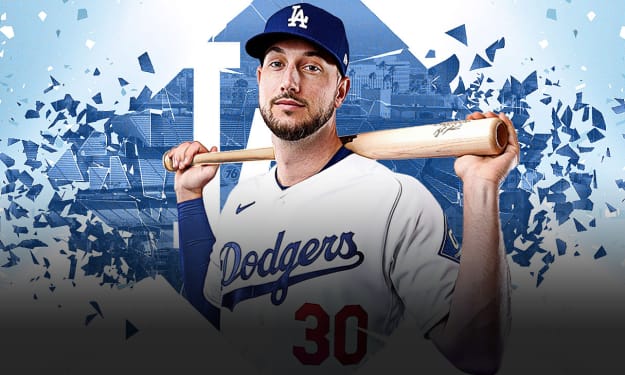
The Los Angeles Dodgers have long been one of the most influential franchises in MLB, known for combining elite player development with the financial flexibility to pursue top-tier talent. From consistent postseason appearances to being counted among recent World Series winners, the Dodgers continue to shape league-wide conversations. As the new season approaches, Dodgers news is once again dominated by roster construction, payroll discussions, and persistent MLB trade rumors—especially those surrounding Kyle Tucker. The Dodgers’ Identity in Modern MLB Few teams balance tradition and innovation quite like the LA Dodgers. Their front office has mastered analytics while still valuing star players who can deliver in October. The current Dodgers roster reflects that philosophy, blending established veterans with emerging talent. Over the years, names like Cody Bellinger have defined eras of success, while new possibilities continue to fuel speculation. The Dodgers’ ability to remain competitive is also tied to their willingness to maintain a high Dodgers payroll. While they are not reckless spenders, they are strategic—targeting players who can elevate both performance and brand value. Kyle Tucker and Why He Fits the Dodgers Narrative Among the most discussed names in recent MLB rumors is Kyle Tucker. A consistent offensive presence and reliable defender, Tucker has emerged as one of the most complete players in modern baseball. Naturally, that has led to growing interest in a potential Kyle Tucker Dodgers scenario. So, what position does Kyle Tucker play? Tucker is primarily a right fielder, though his athleticism allows flexibility across the outfield. That versatility makes him especially attractive to teams like the Dodgers, who value adaptable Dodgers outfielders capable of handling high-pressure situations. The phrase “Tucker baseball” has become shorthand for a balanced skill set: power, patience, and postseason reliability. It’s no surprise that Kyle Tucker news often trends alongside big-market teams. Contracts, Agents, and the Cost of Stardom Any serious discussion of Tucker to Dodgers inevitably leads to contract considerations. The idea of a Kyle Tucker contract Dodgers deal raises questions about years, value, and long-term impact. While no official Kyle Tucker deal has been announced, speculation continues around what such a move would require. The Kyle Tucker agent would likely prioritize both financial security and a winning environment—two things the Dodgers can credibly offer. Still, committing to a potential Kyle Tucker Dodgers contract would require careful planning, especially with other stars already on the books. Misspellings like kyle.tucker, kyle tuxker, or even kyke tucker frequently appear in online searches, underscoring just how much attention surrounds him across the baseball world. How Tucker Could Shape the Dodgers Lineup If a Dodgers Tucker scenario ever materializes, it would have a major impact on the Dodgers lineup. A projected middle-of-the-order bat like Tucker could slot seamlessly into a Dodgers projected lineup, offering protection for existing stars and adding depth in late-game situations. Comparisons have been drawn between Tucker and former Dodgers standouts like Bellinger, particularly in terms of two-way impact. While Cody Bellinger brought elite defense and timely power, Tucker offers a more consistent offensive profile year over year. Competition From the Mets and Other MLB Teams Of course, the Dodgers are not alone in pursuing elite talent. The NY Mets, backed by owner Steve Cohen, have made it clear they are willing to spend aggressively. Mets news often mirrors Dodgers news, especially when it comes to top-tier MLB free agents and trade targets. Names like Edwin Diaz and Bo Bichette frequently appear in league-wide discussions, highlighting how interconnected roster decisions have become. Any move involving Tucker would likely ripple across the league, influencing strategies for teams like the Mets, who remain active in both free agency and trades. MLB Trade Rumors and the Bigger Picture Sites such as MLBTradeRumors regularly analyze scenarios involving Kyle Tucker to Dodgers, though nothing has been confirmed. These rumors reflect a broader truth: elite players drive conversation, even when deals never materialize. The Dodgers understand that not every rumor becomes reality. Still, being linked to players like Tucker reinforces the team’s image as a perennial contender. Whether through trades or internal development, the goal remains the same—build a roster capable of winning another championship. Looking Ahead: What This Means for the Dodgers As the season unfolds, the Dodgers will continue to evaluate opportunities that align with their long-term vision. The idea of Dodgers Kyle Tucker is compelling, but it’s only one chapter in a much larger story about sustained excellence. With a deep farm system, financial flexibility, and a proven track record, the Los Angeles Dodgers remain at the center of MLB news. Whether or not Tucker ever wears Dodger blue, the conversations surrounding him highlight how the franchise continues to influence the direction of the league. In the end, the Dodgers’ success has never hinged on a single move. It’s about smart decisions, calculated risks, and an unwavering commitment to winning—qualities that keep them relevant, respected, and always worth watching.
By Saboor Brohi 5 days ago in Gamers



Comments (1)
Hey, just wanna let you know that this is more suitable to be posted in the Unbalanced community 😊