
THE RELATIONSHIP BETWEEN COLLEGES AND OLYMPIC SPORTS DEVELOPMENT
Exploring the Impact of College Athletics on the Growth and Success of Olympic Sports.

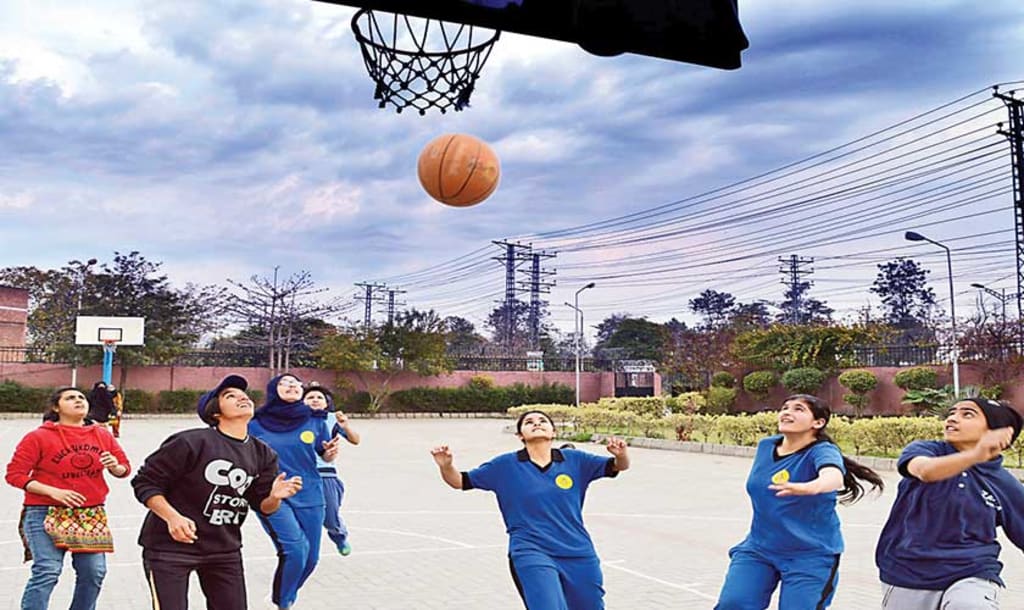
The relationship between colleges and Olympic sports development is a complex but essential one, with colleges playing a crucial role in nurturing athletes who later compete on the global stage. This partnership spans multiple areas, including talent identification, athletic training, funding, and exposure. As institutions that combine academic learning with athletic development, colleges serve as key institutions in fostering athletes who may go on to represent their countries in the Olympics.
Talent Identification and Early Development
Colleges are often the first places where athletes receive systematic training in their respective sports. Many Olympic athletes are discovered and developed at the collegiate level. In countries like the United States, college sports serve as the primary pipeline for athletes into the professional and Olympic arenas. Through recruiting programs, athletic scholarships, and highly competitive college leagues, colleges attract top-tier talent. These athletes often compete at high levels, which can lead to their selection for national teams or Olympic trials.
Additionally, college sports offer an environment for young athletes to hone their skills while receiving education. This dual-focus on academics and athletics provides a unique structure that helps athletes manage both their sports careers and their academic growth. It also ensures that athletes are well-rounded, with a strong academic background to fall back on in case they do not pursue professional or Olympic careers.
Athletic Facilities and Coaching Expertise
Another critical aspect of the relationship between colleges and Olympic sports development is the access to state-of-the-art athletic facilities and coaching expertise. Many top universities invest in world-class sports complexes that are equipped with the latest technology to support elite-level training. For example, universities may have specialized facilities for track and field, swimming, gymnastics, or weightlifting, as well as expert coaches who have experience working with Olympic athletes.
The coaching staff in colleges often includes former Olympians, professional athletes, and highly qualified individuals who bring a wealth of knowledge and experience to the training process. This expertise is invaluable for athletes seeking to improve their performance and reach their full potential. Coaches often work with athletes on skill development, mental conditioning, and strategic planning, which are all crucial components of preparing for the Olympic Games.
Competitive College Leagues
College sports leagues, such as the NCAA in the United States, are incredibly competitive and serve as proving grounds for athletes aspiring to reach the international stage. These leagues often attract top talent from across the country, ensuring that athletes face high-level competition regularly. The exposure to such intense competition is invaluable for athletes, as it simulates the pressure and challenges they will face in international competitions like the Olympics.
In many countries, college sports leagues also provide a platform for Olympic scouts and national team selectors to observe athletes. For instance, in the U.S., the NCAA basketball tournament is often a key venue for NBA scouts, but it also garners attention from Olympic basketball selectors who are looking for the next generation of Olympic-level athletes.
Funding and Scholarships
The financial support that colleges offer to athletes is another key factor in the development of Olympic sports. Many Olympic athletes receive significant financial aid in the form of athletic scholarships, which can cover tuition, room, board, and even additional expenses like travel and training equipment. This financial support makes it possible for athletes to pursue their dreams without the burden of expensive education costs.
Furthermore, some colleges have partnerships with professional teams or Olympic training centers, which can provide additional resources for athletes. These collaborations often result in sponsorship deals, internships, and other financial benefits that can enhance an athlete’s training and preparation.
Exposure and Networking
Colleges provide a platform for athletes to gain exposure, not only to potential sponsors but also to the media, fans, and other key stakeholders in the world of sports. This exposure is crucial for athletes who want to build their brand and attract the attention of Olympic selectors. College sports, particularly those with a national following, offer a stage where athletes can showcase their talents, leading to increased visibility.
Additionally, being part of a college athletic program helps athletes build a network of contacts that can be instrumental in their Olympic journey. Networking with former athletes, coaches, and sports professionals can open doors to additional training opportunities, sponsorships, and support from national sports organizations.
Challenges and Limitations
Despite the benefits, the relationship between colleges and Olympic sports development is not without its challenges. College sports programs often prioritize team-based sports like football, basketball, and soccer, which means individual Olympic sports may receive less attention and funding. This disparity can make it more difficult for athletes in niche sports to gain the necessary resources and opportunities to excel.
Moreover, the balancing act between academics and athletics can sometimes be overwhelming for student-athletes, especially those in demanding Olympic sports. The intense training schedules can interfere with academic commitments, and the pressure to perform in both arenas can lead to burnout and stress.
In The End
In conclusion, colleges play a critical role in Olympic sports development by providing athletes with the training, resources, and opportunities necessary to reach the highest levels of competition. Through talent identification, expert coaching, competitive leagues, financial support, and exposure, colleges help shape the next generation of Olympic athletes. While challenges remain, the symbiotic relationship between colleges and Olympic sports is a powerful force that contributes significantly to the success of athletes on the world’s biggest sporting stage.
About the Creator
Badhan Sen
Myself Badhan, I am a professional writer.I like to share some stories with my friends.
Keep reading
More stories from Badhan Sen and writers in Gamers and other communities.
THE IMPORTANCE OF SCHOLARSHIP PROGRAMS FOR YOUNG OLYMPIC ATHLETES
In the world of sports, the dream of reaching the Olympic Games represents the pinnacle of athletic achievement. For many young athletes, the journey to the Olympics is not only about talent but also the relentless pursuit of improvement, the support of dedicated coaches, and the financial resources needed to compete at the highest level. Scholarship programs for young Olympic athletes play a crucial role in bridging the gap between potential and success. These programs are vital in providing financial support, fostering growth, and ensuring that talented athletes can focus on their training without being burdened by financial constraints.
By Badhan Senabout a year ago in Gamers
U4gm MLB The Show 26: A Complete Evolution of Baseball Gaming
MLB The Show 26 takes baseball simulation to an entirely new level. This year’s edition isn’t just a simple update — it represents a full evolution of the franchise, combining realism, strategy, and fun in one polished package. From career journeys to competitive online play, every mode has been refined, making the game more immersive and rewarding than ever before.
By Billo Nali3 days ago in Gamers



Comments (1)
Hey, just wanna let you know that this is more suitable to be posted in the Unbalanced community 😊