
"Understanding Vegetarianism: A Guide to the Dietary Choice"
A vegetarian diet is centered around plant-based foods. These foods are rich in essential nutrients, including vitamins, minerals, and fiber.
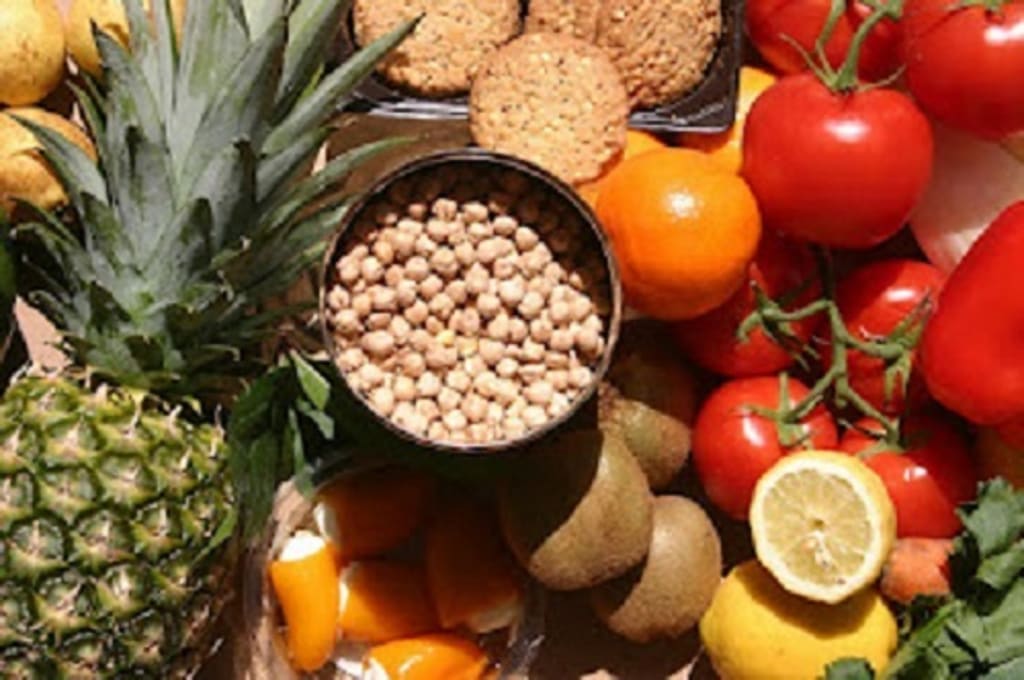
The term "vegetarian" refers to a person who consumes plant-based foods, such as fruits, vegetables, whole grains, legumes, nuts, and seeds in their diet. This dietary choice has become increasingly popular in recent years, with more and more people choosing to adopt this way of eating for various reasons such as health, environmental, or ethical concerns.
A vegetarian diet is centered around plant-based foods. These foods are rich in essential nutrients, including vitamins, minerals, and fiber. Vegetarians can also obtain protein from non-animal sources, such as soy products, lentils, chickpeas, and quinoa.
There are several types of vegetarians with varying dietary restrictions:
Lacto-vegetarians: This type of vegetarian excludes meat, fish, poultry, and eggs from their diet, but still consumes dairy products.
Vegans: Vegans exclude all animal products from their diet, including meat, fish, poultry, dairy products, eggs, and even honey.
Vegetarianism can have several benefits for individuals and the environment. Studies have shown that a plant-based diet can lower the risk of heart disease, certain types of cancer, and type 2 diabetes. Additionally, it can help reduce greenhouse gas emissions, land use, and water consumption associated with animal agriculture.
In recent years, vegetarianism has become more mainstream, and many restaurants and cafes offer vegetarian options on their menus. This has made it easier for vegetarians to eat out and enjoy a variety of meals. It's also worth noting that some vegetarians choose to avoid animal products in other aspects of their lives, such as clothing, cosmetics, and household products.
In conclusion, vegetarianism in refers to a dietary choice where a person excludes meat, fish, or poultry from their diet. This choice is becoming increasingly popular due to health, environmental, and ethical concerns. With a variety of plant-based foods available, vegetarians can still obtain all the necessary nutrients for a healthy diet.
Unique Advantages of a Vegetarian Diet for Health and Sustainability:
1. There are several unique and important advantages of a vegetarian diet, including:
2. Lower risk of chronic diseases: Research has shown that vegetarians have a lower risk of chronic diseases such as heart disease, type 2 diabetes, and certain types of cancer.
3. Better digestion: Vegetarian diets are typically high in fiber, which helps to promote healthy digestion and prevent constipation.
4. Weight management: Vegetarian diets are often lower in calories and saturated fats, which can help with weight management.
5. Environmental sustainability: A vegetarian diet is more sustainable and environmentally friendly than a diet that includes meat, as the production of meat requires a lot of resources, including land, water, and energy.
6. Improved mood and mental health: Some studies have suggested that vegetarian diets may be associated with improved mood and mental health.
Overall, a well-planned vegetarian diet can offer a range of unique and important health benefits.
The Relationship between a Vegetarian Diet and Skin and Hair Health"

A vegetarian diet can have a positive impact on skin and hair health due to the nutrients it provides. A well-balanced vegetarian diet is typically rich in vitamins, minerals, and antioxidants that are essential for healthy skin and hair.
Some of the key nutrients found in vegetarian foods that are beneficial for skin and hair health include:
Vitamin C: Found in fruits and vegetables such as oranges, strawberries, kiwi, broccoli, and bell peppers, vitamin C is a powerful antioxidant that helps to protect skin cells from damage and promote collagen synthesis, which can improve skin elasticity and reduce the appearance of wrinkles.
Vitamin E: Found in nuts, seeds, and leafy greens, vitamin E is another antioxidant that helps to protect skin from damage and can improve overall skin health.
Iron: Found in leafy greens, beans, and fortified cereals, iron is essential for healthy hair growth as it helps to transport oxygen to hair follicles.
Omega-3 fatty acids: Found in flax seeds, chia seeds, and walnuts, omega-3 fatty acids can help to reduce inflammation in the body and promote healthy skin and hair.
B vitamins: Found in whole grains, leafy greens, and legumes, B vitamins are important for healthy skin and hair as they help to support cell growth and repair.
It's important to note that simply following a vegetarian diet does not guarantee optimal skin and hair health, as there are many other factors that can influence these aspects of one's appearance. However, incorporating a variety of nutrient-rich vegetarian foods into your diet can certainly help to support overall skin and hair health.
About the Creator
Sulkshana Waghmare
Daily Balanced Diet Charts
Diets charts for effective Weight loss
Detailed content on nutrients and their daily requirement
Recipes
And much more...
Keep reading
More stories from writers in Feast and other communities.
My Tous les Jours Trip
As someone who lives in a rural area, I don't get the chance to visit fancy restaurants or bakeries that often. So, when a friend told me about a French-Asian bakery that's less than an hour away, I knew I had to check it out and grab some pictures for social media. Tous les Jours ended up providing an immersive experience that went above and beyond my expectations--although I did leave with a few reservations.
By Kaitlin Shanks26 days ago in Feast
Mexico Coffee Market Size & Forecast 2025–2033
Mexico Coffee Market Outlook The Mexico Coffee Market is anticipated to grow at a CAGR of 4.08% from 2025 to 2033, reaching a market value of US$ 3.38 billion by 2033, up from US$ 2.36 billion in 2024, according to Renub Research. The market’s expansion is being driven by rising domestic coffee consumption, rapid growth of café culture, premiumization trends, and increasing demand for specialty, organic, and convenient coffee formats across the country.
By jaiklin Fanandish3 days ago in Feast
Affection and Healing for Yourself
During the night of the last quarter moon, I gathered my ritual supplies. I carefully handled the chunk of black tourmaline that would protect me from your overall negative and narcissistic energy. I carefully walked the house with my stick of selenite in hand, asking the universe to cleanse our working space.
By Alisha Wilkins ✒️🦋🖋️2 days ago in Fiction



Comments
There are no comments for this story
Be the first to respond and start the conversation.