
Mexico Coffee Market Size & Forecast 2025–2033
Rising Café Culture, Specialty Demand, and Convenience Innovations Brew Long-Term Growth


Mexico Coffee Market Outlook
The Mexico Coffee Market is anticipated to grow at a CAGR of 4.08% from 2025 to 2033, reaching a market value of US$ 3.38 billion by 2033, up from US$ 2.36 billion in 2024, according to Renub Research. The market’s expansion is being driven by rising domestic coffee consumption, rapid growth of café culture, premiumization trends, and increasing demand for specialty, organic, and convenient coffee formats across the country.
Coffee remains one of the most widely consumed beverages in Mexico, deeply embedded in daily routines, workplace culture, and social life. Traditionally associated with home consumption and instant formats, the Mexican coffee market is now undergoing a major transformation. Urbanization, changing lifestyles, and exposure to global coffee trends are reshaping consumer preferences toward espresso-based beverages, single-origin beans, cold brews, and ready-to-drink (RTD) coffee.
Mexico also holds a dual role in the global coffee ecosystem — it is both a significant producer and a growing consumer market. States such as Chiapas, Veracruz, Oaxaca, and Puebla produce high-quality Arabica beans that are recognized worldwide. At the same time, domestic consumption is accelerating as coffee evolves from a functional drink into a lifestyle product linked with socializing, productivity, and wellness.
Cultural and Economic Importance of Coffee in Mexico
Coffee plays a vital role in Mexico’s rural economy, supporting hundreds of thousands of smallholder farmers and agricultural workers. The country’s diverse geography and climate create ideal conditions for producing aromatic and flavorful Arabica beans, especially in the southern highlands.
On the consumption side, coffee has become a symbol of modern urban living. Cafés serve as meeting places, remote work hubs, and social spaces, particularly among millennials and Gen Z consumers. International chains and domestic brands have successfully positioned coffee as both an everyday necessity and an affordable indulgence.
As income levels rise and consumers become more exposed to global food and beverage trends, the Mexican coffee market is expected to continue its steady upward trajectory through 2033.
Growth Drivers in the Mexico Coffee Market
1. Rising Demand for Specialty and Organic Coffee
Mexican consumers are increasingly gravitating toward specialty, organic, and sustainably sourced coffee, reflecting global shifts in consumption habits. Urban consumers, especially younger demographics, are showing strong interest in single-origin beans, artisanal roasting, and traceable supply chains.
Premiumization is becoming a key growth driver, with higher spending on whole bean, ground specialty, and capsule coffee. Local roasters and cooperatives are gaining recognition for their quality-focused offerings, while supermarkets are expanding shelf space for premium brands.
In February 2023, specialty coffee gained wider mass-market availability when Cofincaf, a Chiapas-based coffee company with Rainforest Alliance-certified farms, expanded distribution of its specialty roasted coffee into major Mexican supermarket chains. This move signaled a growing mainstream acceptance of premium coffee products.
2. Expansion of Café Culture and Coffee Chains
Mexico’s café culture has grown rapidly over the past decade, driven by both domestic and international players. Brands such as Caffenio, Cielito Querido, Starbucks, and Italian Coffee Company are expanding aggressively, especially in urban and semi-urban areas.
Large operators like Alsea continue to invest in new store openings, digital loyalty programs, drive-through formats, and modernized store designs. Coffee shops are no longer just beverage outlets — they are social hubs and workspaces, boosting per-capita coffee consumption.
In March 2025, a Danish coffee chain announced plans to open 100 stores over the next 10 years in collaboration with Mexican licensee Grupo Allux-Dinar, further reinforcing long-term confidence in Mexico’s coffee retail sector.
3. Growth of Convenient Formats and Product Innovation
Convenience is reshaping the Mexican coffee market. Consumers with fast-paced lifestyles are increasingly choosing instant coffee, capsules, pods, RTD beverages, and iced coffee formats.
Brands like Nescafé, Dolce Gusto, Starbucks, and Keurig Dr Pepper are introducing innovative products to meet this demand. RTD cold brew cans, flavored instant coffee, and single-serve pods are gaining strong traction in supermarkets and convenience stores.
In July 2024, Starbucks Mexico, operated by Alsea, launched new packaging for its Single-Origin Chiapas whole bean coffee, highlighting Mexico’s coffee heritage and strengthening the connection between premium branding and local sourcing.
Challenges in the Mexico Coffee Market
Climate Change and Production Vulnerability
Climate change remains the most significant long-term risk for Mexico’s coffee industry. Rising temperatures, irregular rainfall, droughts, and plant diseases such as coffee leaf rust (roya) and coffee berry borer continue to threaten yields and bean quality.
Past outbreaks, such as the 2012 rust crisis, caused severe economic damage to farmers and reduced national production. Without sustained investment in climate-resilient farming practices, production instability may limit future supply growth.
Smallholder Farmer Challenges and Market Access
Mexico’s coffee sector is heavily dependent on small-scale farmers who often face limited access to finance, technology, and direct markets. Many farmers sell beans through intermediaries at prices that barely cover production costs, restricting their ability to invest in sustainability and quality improvements.
This economic pressure threatens long-term supply stability and poses ethical challenges for the industry. Expanding direct trade models, cooperative structures, and fair pricing mechanisms will be critical for maintaining growth in the specialty segment.
Mexico Coffee Market Segmentation
Mexico Instant Coffee Market
Instant coffee dominates Mexican household consumption, accounting for nearly 60% of total coffee volume. Its affordability, ease of preparation, and long shelf life make it especially popular in rural areas and price-sensitive households.
Innovations such as iced instant coffee, premium soluble blends, and flavored variants are helping the segment evolve beyond its traditional image, supporting continued demand growth.
Mexico Ground Coffee Market
Ground coffee is gaining popularity among consumers who want better flavor without the complexity of brewing whole beans. The segment includes both traditional medium-roast blends and premium specialty products, widely available across supermarkets and cafés.
Its accessibility and versatility have made ground coffee a staple in urban Mexican homes, contributing to consistent volume growth.
Mexico Coffee Convenience Store Market
Convenience stores like OXXO and 7-Eleven play a key role in impulse coffee purchases. Single-serve cups, bottled cold brew, and capsule coffee products are increasingly visible in these outlets.
A notable example is Caffenio’s expansion into OXXO stores, which has strengthened brand presence and improved accessibility for consumers with mobile lifestyles.
Mexico Coffee Online Platform Market
E-commerce is rapidly transforming coffee distribution in Mexico. Online platforms allow small roasters and specialty brands to reach national audiences through subscriptions, direct-to-consumer sales, and curated coffee experiences.
This channel is particularly important for premium and artisanal coffee, enabling consumers to discover niche offerings that are not available in physical retail.
Regional Insights
Northern Mexico Coffee Market
Northern Mexico has seen rapid growth in drive-through coffee formats, especially from brands like Caffenio. Proximity to U.S. coffee trends has influenced demand for espresso-based drinks, flavored lattes, and cold brews, supporting strong sales growth in urban and peri-urban areas.
Central Mexico Coffee Market
Central Mexico, led by Mexico City, remains the largest coffee-consuming region in the country. The region boasts the highest concentration of cafés, specialty roasters, and premium retail outlets.
Consumers here show strong demand for capsules, ground coffee, and café-style beverages, driven by higher incomes, education levels, and exposure to global trends.
Southern Mexico Coffee Market
Southern Mexico, particularly Chiapas, Oaxaca, and Veracruz, is the heart of coffee production. Local consumption is growing alongside exports, with increasing recognition of single-origin and cooperative-produced beans.
However, farmers in the region face mounting challenges from climate change, price volatility, and limited infrastructure, which affect both output volume and quality.
Market Segmentation Overview
By Product Type
Instant Coffee
Ground Coffee
Whole Bean
Others
By Distribution Channel
Supermarket / Hypermarket
Convenience Store
Online Platform
Others
By Region
Northern Mexico
Central Mexico
Southern Mexico
Others
Key Players Analysis
All major companies have been analyzed across five viewpoints: Overview, Key Person, Recent Developments, SWOT Analysis, and Revenue Analysis.
Key Market Players
Starbucks
Nestlé (Nescafé)
The Kraft Heinz Company
J.M. Smucker Company
JDE Peet’s N.V.
Keurig Dr Pepper
Coca-Cola
Dutch Bros
Lunchin Coffee
These companies are focusing on product innovation, premium branding, sustainability initiatives, and digital engagement to strengthen their positions in the Mexican market.
Final Thoughts
The Mexico Coffee Market is on a steady growth trajectory through 2033, supported by a powerful combination of rising domestic consumption, evolving lifestyle preferences, café expansion, and innovation in convenience formats. While climate risks and smallholder challenges remain critical concerns, growing investment in specialty coffee, sustainability, and modern retail channels is reshaping the industry’s future.
With coffee firmly positioned as both a cultural tradition and a modern lifestyle product, Mexico’s coffee market is expected to remain one of the most dynamic beverage segments in Latin America for years to come.
About the Creator
jaiklin Fanandish
Jaiklin Fanandish, a passionate storyteller with 10 years of experience, crafts engaging narratives that blend creativity, emotion, and imagination to inspire and connect with readers worldwide.
Keep reading
More stories from jaiklin Fanandish and writers in Feast and other communities.
Europe Tea Market Size & Forecast 2025–2033
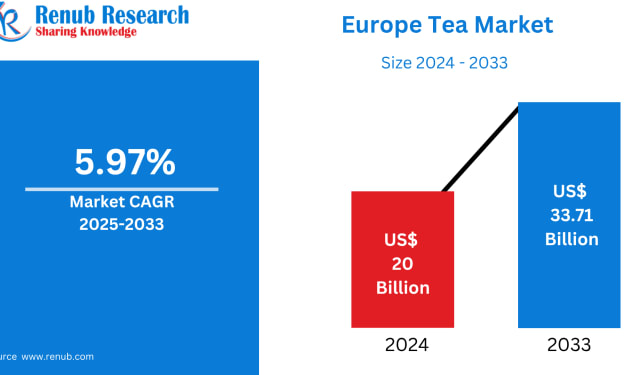
Europe Tea Market Outlook The Europe Tea Market is entering a new era of growth and reinvention. According to Renub Research, the market is expected to expand from US$ 20 billion in 2024 to US$ 33.71 billion by 2033, registering a CAGR of 5.97% from 2025 to 2033. This steady growth reflects a shift in consumer priorities across the region—toward health, sustainability, premium experiences, and digital convenience.
By jaiklin Fanandishabout 7 hours ago in Feast
My Tous les Jours Trip
As someone who lives in a rural area, I don't get the chance to visit fancy restaurants or bakeries that often. So, when a friend told me about a French-Asian bakery that's less than an hour away, I knew I had to check it out and grab some pictures for social media. Tous les Jours ended up providing an immersive experience that went above and beyond my expectations--although I did leave with a few reservations.
By Kaitlin Shanks24 days ago in Feast
Global Flour Market Size and Forecast 2025–2033
Introduction Flour, one of humanity’s oldest and most essential food ingredients, continues to power modern food systems in ways few other commodities can match. From bread and pastries to noodles, snacks, and ready-to-eat meals, flour remains a foundation of daily nutrition across cultures and economies. While deeply rooted in tradition, the flour industry today is undergoing a significant transformation driven by evolving consumer lifestyles, technological advancements in milling, and increasing emphasis on health and sustainability.
By Marthan Sir5 days ago in Feast
How to Succeed at the Benson Directory®
Congratulations and welcome to the Benson Directory® employee #22391! As our newest call handler, you will have the privilege of speaking with dozens of unique and interesting people on a daily basis as well as the opportunity to earn bonuses for high performance. Contained within this handbook you will find a set of ease to follow instructions designed to help you settle in to your new role and begin paving the way to success.
By S. A. Crawford2 days ago in Fiction



Comments
There are no comments for this story
Be the first to respond and start the conversation.