
The Real Secret to Staying Young After 50: What I Discovered About Collagen
Why Collagen Is the Game Changer Your 50+ Body Desperately Needs

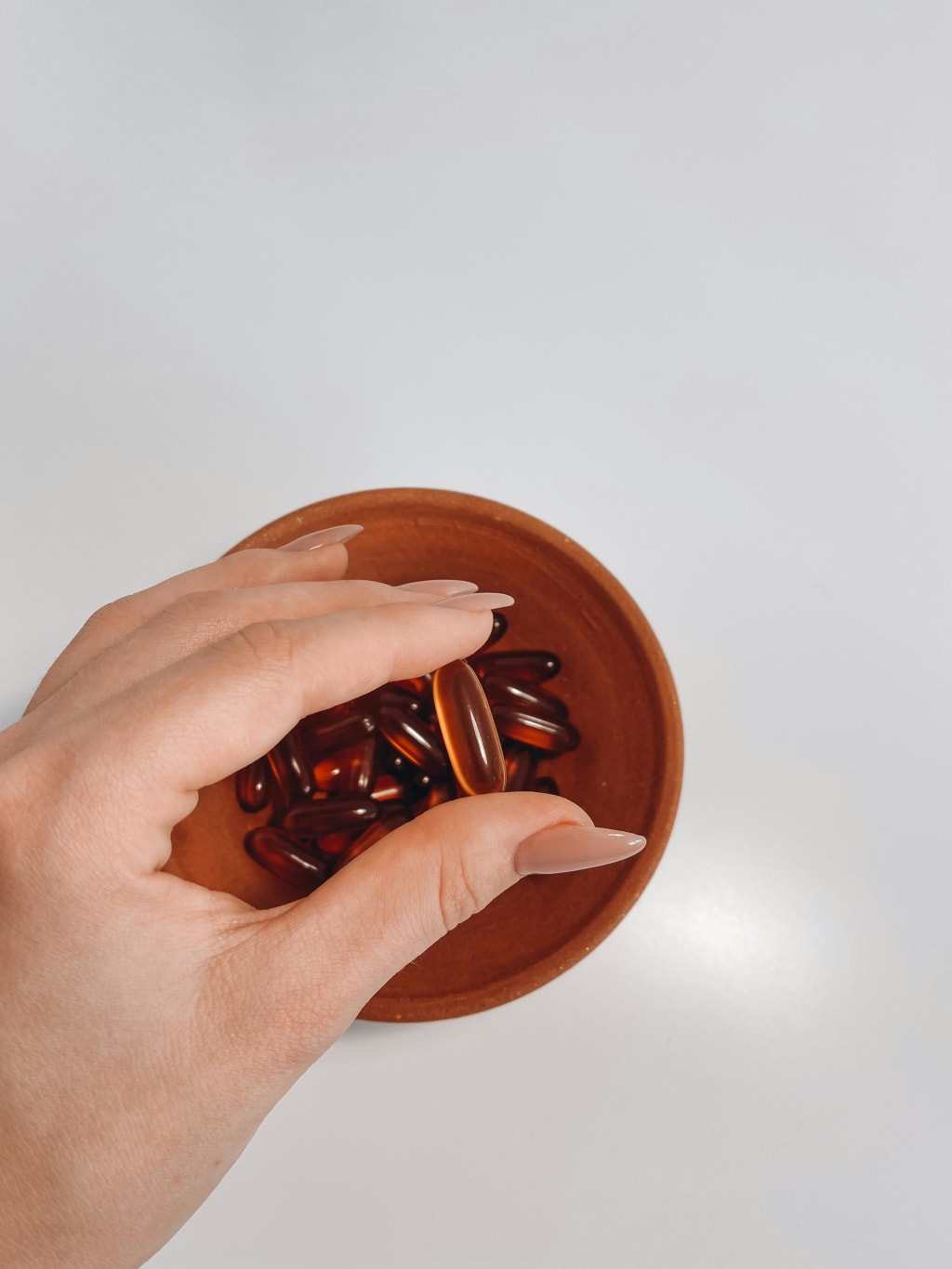
Last month, I caught a glimpse of myself in my daughter's bathroom mirroryou know, one of those unforgiving ones with the bright LED lights. What I saw stopped me cold. When did those lines around my eyes get so deep? When did my skin start looking so tired?
I'm 48, and suddenly I understood what my mother meant when she used to say, "One day you wake up and wonder where your face went." That moment sent me down a rabbit hole of research that completely changed how I think about aging, collagen, and what it really takes to feel youthful at any age.
The Collagen Wake Up Call
Here's what I learned that nobody really talks about: after 30, we lose about 1% of our collagen every single year. By 50, that loss accelerates dramatically. I'd been blaming my achy knees on too much gardening and my changing skin on stress, but it turns out there was a bigger picture I'd been missing entirely.
Collagen isn't just some beauty buzzword it's literally the scaffolding that holds our entire body together. Think of it as the invisible framework that keeps your skin bouncy, your joints moving smoothly, and your bones strong. It makes up about 30% of all the protein in our bodies, and in our skin alone, it's a whopping 75% of what keeps us looking firm and youthful.
When I realized I'd been losing this crucial protein for over two decades without doing anything about it, I felt both frustrated and oddly relieved. Finally, an explanation for why I'd been feeling like my body was betraying me.
What Ancient Wisdom Taught Me
My research led me into some fascinating territory. While modern science talks about collagen, Traditional Chinese Medicine has been addressing this same issue for thousands of years they just called it something else. In TCM, there's this concept that "tendons and bones share the same origin," and what we call collagen today was understood as the foundation of physical strength and vitality.
The ancient Chinese physicians knew something we're just rediscovering: emotional health directly impacts physical aging. They believed that chronic anger or emotional stress damages what they called "liver qi," which in turn affects how well our bodies can maintain and repair connective tissues.
This hit me hard because I'd been carrying around a lot of stress from work and family responsibilities. Could my emotional state actually be accelerating my physical aging? According to both ancient wisdom and modern research, the answer is yes.
My Journey with Hydrolyzed Collagen
After weeks of research, I decided to try hydrolyzed collagen supplements. I'll be honest I was skeptical. How could a powder mixed into my morning coffee really make a difference?
Here's what convinced me: hydrolyzed collagen is broken down into tiny peptides and amino acids that your intestines can actually absorb. When you eat regular collagen-rich foods, your digestive system has to work much harder to break everything down, and a lot gets lost in the process.
The research I found in nutrition journals showed that people taking hydrolyzed collagen for 12 weeks saw an 18% reduction in wrinkle depth and significant improvements in skin moisture and elasticity. More importantly for me, studies also showed improvements in bone density and joint function exactly what my knees needed to hear.
Three months in, I'm a convert. My skin feels different more hydrated from the inside out. My joints don't ache when I get out of bed in the morning. It's not magic, but it's noticeable enough that my husband asked what I'd been doing differently.
The Five Game Changers I Discovered
Through all my research and experimentation, five strategies emerged as absolute game changers for supporting collagen production naturally:
1. Strategic Eating That Actually Works
I completely changed how I think about nutrition. Instead of focusing on what I shouldn't eat, I started actively seeking out collagen-supporting foods. Fish became a regular dinner guest, and I discovered that bone broth (made from chicken or beef bones) could actually taste good when made properly.
But here's the kicker: vitamin C is absolutely crucial for collagen production. I started pairing my protein-rich meals with citrus fruits, bell peppers, and strawberries. My morning routine now includes a vitamin C-rich smoothie with berries, and I swear my skin started looking brighter within weeks.
I also began incorporating some traditional Chinese herbs that I found at my local health food store—goji berries in my yogurt, and angelica root tea a few times a week. These aren't just trendy superfoods; they've been used for centuries to support what TCM calls "tendon and bone health."
2. The Truth About Sun Protection
This one was humbling. I'd been religious about sunscreen on my face but completely neglected my hands, neck, and chest. UV damage is probably the fastest way to destroy collagen, and I'd been sabotaging myself for years.
Now I apply broad-spectrum SPF 30 everywhere that sees daylight, every single day. I also invested in some lightweight, long sleeved shirts for gardening and hiking. The key is finding that sweet spot where you're protecting your skin but still getting enough sun exposure for vitamin D production.
3. Movement That Matters
Exercise isn't just about staying fit it's about keeping your circulatory system healthy enough to deliver nutrients where they're needed for collagen production. I found that I didn't need to become a gym warrior; consistency mattered more than intensity.
My routine now includes three 30-minute walks per week, some basic strength training with resistance bands, and yoga twice a week. The yoga was a revelation not just for flexibility, but for the way it combines movement with stress reduction.
I also started doing self-massage with a jade roller while watching TV in the evenings. It sounds silly, but improving circulation to my face and neck has become this lovely, meditative ritual that I actually look forward to.
4. The Sleep Connection Nobody Talks About
This was probably the hardest change for me to make, but also the most impactful. Your body does most of its repair work while you sleep, including collagen production. I'd been cheating myself with 5-6 hours of sleep and wondering why I felt and looked exhausted.
Committing to 7-8 hours of quality sleep meant saying no to some things and restructuring my evenings. I had to set boundaries around work emails and create a wind-down routine that actually worked. Now I dim the lights at 9 PM, put my phone in another room, and read fiction for 30 minutes before sleep.
The difference in how my skin looks after a good night's sleep versus a poor one is dramatic. Dark circles, puffiness, and that general "worn out" look are so much more noticeable now that I know what well-rested feels like.
5. Managing Emotions for Physical Health
This was the most surprising discovery in my research. Chronic stress and negative emotions don't just make you feel bad they actively interfere with your body's ability to maintain and repair itself.
I started practicing what TCM calls "liver qi regulation" through simple stress management techniques. This meant finally dealing with some relationship issues I'd been avoiding, setting better boundaries at work, and finding healthy ways to process frustration instead of just stuffing it down.
Meditation felt too intimidating, so I started with just five minutes of deep breathing each morning. I also began journaling for ten minutes before bed, nothing fancy, just getting thoughts out of my head and onto paper.
What Really Works vs. What Doesn't
After months of trial and error, I've learned to separate the helpful from the hype. Topical collagen creams might make your skin feel temporarily smoother, but they can't actually penetrate deep enough to rebuild collagen structure. They're fine for surface moisture, but don't expect miracles.
What does work is the inside-out approach: supporting your body's natural collagen production through nutrition, protecting what you already have from damage, and creating the optimal internal environment for repair and regeneration.
I've also learned that there's no quick fix or magic bullet. The changes I've seen have come from consistent daily habits maintained over months, not from any single supplement or treatment.
Living This Way Every Day
The biggest shift for me has been thinking about aging as something I can actively influence rather than something that just happens to me. I'm not trying to look 25 again I'm trying to be the healthiest, most vibrant version of myself at 52 and beyond.
My morning routine now includes my collagen supplement mixed into coffee, a vitamin C-rich breakfast, and five minutes of intentional breathing. My evening routine includes gentle stretching, skincare that actually makes sense, and electronics-free wind-down time.
These aren't burdensome changes anymore they've become the foundation of feeling strong and confident in my own skin. My joints don't ache, my skin has that healthy glow I thought was gone forever, and I have energy for the activities I love.
The Real Secret
What I've discovered is that the real secret to staying young after 50 isn't about fighting aging it's about aging well. It's about supporting your body's natural processes instead of working against them, and understanding that everything is connected: your emotions, your sleep, your nutrition, your movement, and yes, your collagen levels.
The combination of modern science and ancient wisdom has given me tools I never knew I needed. I'm not the same person who was shocked by her reflection in that bathroom mirror, and I'm excited to see how I'll continue to evolve as I age.
Most importantly, I've learned that it's never too late to start taking better care of yourself. Whether you're 45 or 65, your body is constantly rebuilding itself. Give it the right tools, and it will reward you with vitality you might have thought was lost forever.
A Word of Caution Before You Begin
Before you dive headfirst into any of these changes, please do your own research. What worked for me might not be right for your specific situation. Everyone's body is different, and we all have unique health considerations.
If you're currently taking any medications or have existing health conditions, talk to your doctor before adding collagen supplements or making significant changes to your diet and exercise routine. Some herbs and supplements can interact with medications in ways you might not expect, and your healthcare provider needs to know about everything you're putting into your body.
Your future self will thank you for starting today, but start smart and start safely.
Thanks for taking the time to read! 💛 If you enjoyed it, I’d love to hear your thoughts. Drop a comment, hit the heart, and please subscribe (it’s free!).
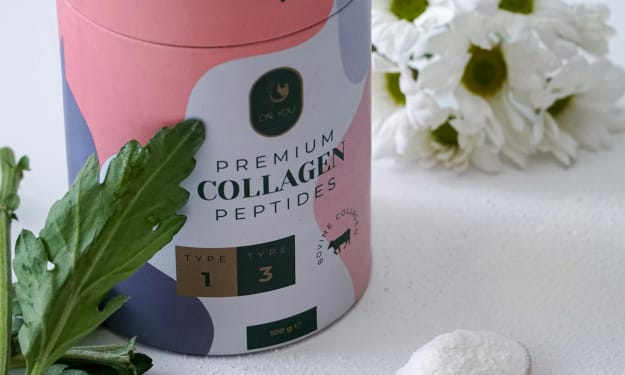
I found that taking this collagen helped support my joints and skin, and kept me motivated to stay consistent.
Here’s the one I use:https://amzn.to/43oBU95
That’s my Amazon affiliate link. I may earn a small commission if you buy, at no extra cost to you. Thanks for the support.
About the Creator
Fathima Haniffa
I share my passion for healthy living through keto recipes, practical food tips, real-life experiences, and original poetry inspired by personal research.
Discover my Rumble channel: https://rumble.com/c/c-7705609
Keep reading
More stories from Fathima Haniffa and writers in Feast and other communities.
Why Collagen Matters More Than You Think: What I Learned About This Hidden Protein
Everywhere you look these days, someone's pushing collagen. Your Instagram feed is full of influencers mixing powder into their smoothies. The supplement aisle at the pharmacy has an entire section dedicated to it. Even your local coffee shop probably has collagen creamer now.
By Fathima Haniffa8 months ago in Feast
My Tous les Jours Trip
As someone who lives in a rural area, I don't get the chance to visit fancy restaurants or bakeries that often. So, when a friend told me about a French-Asian bakery that's less than an hour away, I knew I had to check it out and grab some pictures for social media. Tous les Jours ended up providing an immersive experience that went above and beyond my expectations--although I did leave with a few reservations.
By Kaitlin Shanks23 days ago in Feast
Edible Offal Market Size and Forecast 2025: A Global Shift Toward Sustainable, Affordable Protein
Edible Offal Market Size and Forecast 2025 The Edible Offal Market is projected to reach US$ 59.60 billion by 2033, rising from US$ 39.66 billion in 2024, registering a CAGR of 4.63% from 2025 to 2033, according to Renub Research. This steady expansion reflects a powerful global shift toward affordable, nutrient-dense protein sources, culturally rooted culinary practices, rising meat consumption, sustainable meat processing, and increasing awareness of food waste reduction. Particularly in developing regions and ethnic cuisine markets, offal is no longer seen as a by-product—it is emerging as both a nutritional asset and a sustainability solution.
By Aaina Oberoi2 days ago in Feast



Comments (1)
I can relate to that moment of shock looking in the mirror. Losing 1% of collagen yearly after 30 is eye-opening. Learning TCM's take on it adds another layer to understanding aging.