
Edible Offal Market Size and Forecast 2025: A Global Shift Toward Sustainable, Affordable Protein
From cultural delicacy to sustainable superfood, edible offal is redefining meat consumption worldwide.


Edible Offal Market Size and Forecast 2025
The Edible Offal Market is projected to reach US$ 59.60 billion by 2033, rising from US$ 39.66 billion in 2024, registering a CAGR of 4.63% from 2025 to 2033, according to Renub Research. This steady expansion reflects a powerful global shift toward affordable, nutrient-dense protein sources, culturally rooted culinary practices, rising meat consumption, sustainable meat processing, and increasing awareness of food waste reduction. Particularly in developing regions and ethnic cuisine markets, offal is no longer seen as a by-product—it is emerging as both a nutritional asset and a sustainability solution.
Edible offal refers to the internal organs and other non-muscle parts of animals that are prepared and consumed as food. Common examples include liver, kidneys, heart, tongue, tripe, and brain from cattle, pigs, sheep, and poultry. For centuries, offal has been an integral part of traditional diets across Asia, Africa, Latin America, and the Middle East. Rich in protein, iron, vitamin A, vitamin B12, and essential minerals, offal is among the most nutrient-dense foods available.
While in many Western markets offal was long perceived as inferior or associated with scarcity, this perception is rapidly changing. Today, edible offal is being rediscovered through the lens of sustainability, affordability, and culinary creativity. The growing “nose-to-tail” eating movement encourages the utilization of every part of the animal, reducing waste while honoring ethical meat consumption. As consumers become more conscious of environmental impact and food efficiency, offal’s role in sustainable food systems is gaining renewed relevance.
Advances in cold-chain logistics, hygienic processing, and packaging technologies are further supporting market growth. These innovations improve shelf life, ensure food safety, and expand the reach of offal products across retail and foodservice channels. From traditional street foods to gourmet fine dining, edible offal is carving a distinctive niche in the global protein market.
Growth Drivers for the Edible Offal Market
Rising Global Demand for Affordable Protein
One of the most significant drivers behind the edible offal market is the increasing demand for affordable, accessible protein. As global populations rise and food inflation pressures household budgets, consumers—particularly in developing economies—are actively seeking economical alternatives to premium meat cuts.
Offal offers a compelling solution. Liver, kidneys, hearts, and tripe deliver high nutritional value at a fraction of the cost of muscle meats. This makes them especially attractive to low- and middle-income consumers who prioritize both nutrition and affordability. In times of economic uncertainty, offal serves as a reliable, cost-effective protein source that meets daily dietary needs without compromising on essential nutrients.
In many cultures, offal has long been integrated into everyday meals. Its familiarity, combined with its value proposition, ensures consistent demand and positions edible offal as a resilient category within the broader meat industry.
Creative Culinary Trends and Modern Cooking
The culinary renaissance surrounding offal has transformed what was once considered a by-product into a gourmet ingredient. Around the world, chefs, food enthusiasts, and restaurateurs are rediscovering organ meats for their distinct flavors, textures, and versatility.
From silky liver pâté and spicy tripe stews to grilled hearts and slow-cooked tongues, offal is becoming a canvas for creative cuisine. The rise of global food culture, fueled by cooking shows, food documentaries, and social media, has played a critical role in reshaping consumer perceptions. Celebrity chefs and culinary influencers are championing nose-to-tail cooking, elevating offal from obscurity to culinary prestige.
Food trucks, ethnic restaurants, and experimental kitchens increasingly feature offal-based dishes, encouraging adventurous eaters to explore new flavors. This growing exposure not only expands consumption but also introduces younger generations to traditional ingredients through modern presentation.
Growing Awareness of Sustainable Eating Practices
Sustainability has become a defining factor in consumer food choices. As concerns over climate change, resource depletion, and food waste intensify, offal aligns naturally with the principles of ethical and sustainable consumption.
Using the whole animal significantly reduces waste across the meat production chain. Offal, once discarded or underutilized, is now recognized as an essential component of circular food systems. Health-conscious consumers are also drawn to its nutritional density, further reinforcing demand.
Restaurants, food processors, and retailers are responding by incorporating offal into menus and product portfolios. From responsibly sourced organ meats to ready-to-cook packaged products, the industry is innovating to meet sustainability goals while satisfying evolving consumer expectations. This convergence of environmental responsibility and nutritional awareness continues to strengthen the global edible offal market.
Challenges in the Edible Offal Market
Cultural Barriers
Despite its advantages, the edible offal market faces significant cultural resistance in certain regions. In many Western countries, organ meats are often viewed as unappealing or associated with poverty and outdated dietary habits. Younger and urban consumers may find offal unfamiliar or undesirable compared to standardized, boneless meat cuts.
Additionally, religious and cultural norms in some societies restrict the consumption of specific animal parts, limiting market expansion. Overcoming these barriers requires targeted education, culinary storytelling, and marketing that highlights offal’s nutritional value, sustainability benefits, and gourmet potential.
Regulatory and Food Safety Issues
Edible offal is highly perishable and requires strict handling, processing, and storage to ensure food safety. Regulatory standards vary significantly across countries, affecting labeling, hygiene requirements, and import-export procedures. These inconsistencies can complicate international trade and increase operational costs.
Smaller producers, in particular, may struggle to comply with complex regulatory frameworks, hindering their ability to scale or enter new markets. Harmonization of standards, investment in processing infrastructure, and technological advancements in preservation will be crucial to supporting long-term market growth.
Country-Wise Market Insights
United States Edible Offal Market
In the United States, the edible offal market is experiencing a gradual but notable resurgence. Driven by sustainability movements and a growing interest in whole-animal utilization, chefs and food enthusiasts are reintroducing organ meats into contemporary cuisine. Upscale restaurants, farm-to-table eateries, and specialty butcher shops are playing a pivotal role in reshaping consumer attitudes.
Increased awareness of offal’s nutritional profile—rich in protein, iron, and essential vitamins—is also encouraging health-conscious consumers to experiment with these cuts. As foodservice demand expands and retail offerings become more accessible, the U.S. market is witnessing renewed opportunities for producers and distributors.
Germany Edible Offal Market
Germany maintains a strong cultural connection to offal, particularly in southern regions where traditional dishes remain popular. Organ meats are widely available in butcher shops, open markets, and traditional restaurants, prepared using recipes passed down through generations.
While modern dietary trends favor lean meats, a new wave of gourmet chefs and artisanal butchers is revitalizing interest in offal. By blending tradition with innovation, Germany’s edible offal market continues to preserve its cultural relevance while adapting to evolving consumer preferences.
India Edible Offal Market
India’s edible offal market is deeply embedded in the nation’s diverse culinary heritage. From spicy curries and kebabs to regional delicacies, organ meats have long been used for their flavor, affordability, and nutritional value. Offal dishes are common across street food culture and home kitchens alike.
In recent years, rising awareness of sustainability and zero-waste cooking has sparked renewed interest, particularly among urban consumers. Contemporary chefs and food startups are reintroducing offal with modern presentation, blending traditional flavors with innovative cooking techniques. This revival underscores offal’s enduring role in India’s food culture and its potential for growth in evolving markets.
Saudi Arabia Edible Offal Market
In Saudi Arabia, edible offal holds a prominent place in traditional cuisine. Organ meats such as liver, kidneys, and tripe are staples in home cooking and festive meals, valued for both taste and nutrition. Cultural acceptance and long-standing culinary practices provide a strong foundation for market stability.
As sustainability and whole-animal utilization gain attention, local producers are aligning traditional consumption patterns with modern food values. The result is a market that blends heritage with responsible food practices, ensuring continued relevance in the Kingdom’s evolving food landscape.
Recent Developments in the Edible Offal Market
May 2023: A study titled “The Importance of Food Neophobia on Consumers' Intention to Buy Edible Beef Offal” highlighted strategies to encourage consumption, including the promotion of culinary shows featuring well-known chefs, product innovation, and modern packaging formats designed to improve consumer perception.
May 2022: JBS Food acquired Biotech Foods, a strategic move expected to strengthen the company’s geographic reach and product capabilities, reinforcing its position in the global protein market.
These developments reflect the industry’s commitment to innovation, education, and expansion in response to changing consumer attitudes.
Edible Offal Market Segmentation
By Source:
Pig
Beef
Sheep
Poultry
Others
By Application:
Fresh
Processed
By Distribution Channel:
Food Service
Retail
Regional Market Breakdown (25-Country View)
North America:
United States, Canada
Europe:
France, Germany, Italy, Spain, United Kingdom, Belgium, Netherlands, Turkey
Asia Pacific:
China, Japan, India, Australia, South Korea, Thailand, Malaysia, Indonesia, New Zealand
Latin America:
Brazil, Mexico, Argentina
Middle East & Africa:
South Africa, United Arab Emirates, Saudi Arabia
Company Analysis Framework
Each company in the report is analyzed across five key parameters:
Company Overview
Key Persons
Recent Developments & Strategies
SWOT Analysis
Sales Analysis
Key Players in the Edible Offal Market
Offal Good
Offal Delight
Offal Cuisine
JBS Food Canada
Alpha Field Products Co.
Yoma International
Cenfood International Inc.
Sure Good Foods Ltd.
Organic Meat Company
These companies are actively shaping the competitive landscape through product diversification, sustainability initiatives, and expansion into emerging markets.
Final Thoughts
The edible offal market is undergoing a powerful transformation. Once overlooked or undervalued, organ meats are now gaining recognition as nutritionally rich, economically accessible, and environmentally responsible protein sources. Supported by growing awareness of sustainable eating, innovative culinary trends, and the need to reduce food waste, offal is redefining how consumers and producers approach meat consumption.
With the global market expected to rise from US$ 39.66 billion in 2024 to US$ 59.60 billion by 2033, the sector presents compelling opportunities for stakeholders across agriculture, food processing, retail, and foodservice. While cultural barriers and regulatory complexities remain, continued education, product innovation, and sustainability-driven marketing are paving the way for broader acceptance.
In a world increasingly focused on responsible consumption and food security, edible offal stands at the intersection of tradition, nutrition, and sustainability—proving that sometimes, the most valuable resources are the ones we once overlooked.
About the Creator
Keep reading
More stories from Aaina Oberoi and writers in Feast and other communities.
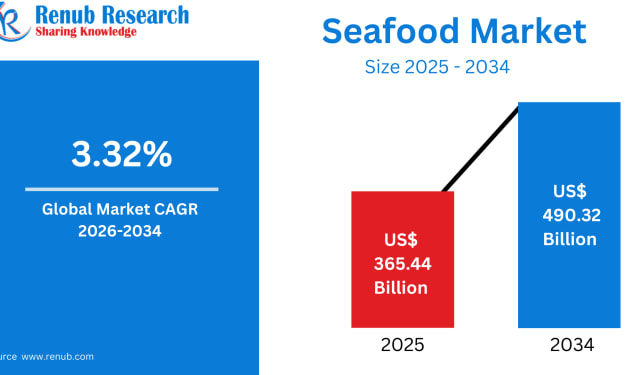
Global Seafood Market Size & Forecast 2026–2034
Introduction The global seafood industry continues to evolve as one of the most vital segments of the food and nutrition ecosystem. Driven by population growth, changing dietary preferences, and rising awareness of the health benefits associated with fish and marine-based foods, seafood consumption has steadily increased across both developed and emerging economies. From coastal communities that have relied on fishing for centuries to inland urban markets embracing frozen and processed seafood, the industry reflects a complex interplay of tradition, technology, and global trade.
By Aaina Oberoi4 days ago in Feast
My Tous les Jours Trip
As someone who lives in a rural area, I don't get the chance to visit fancy restaurants or bakeries that often. So, when a friend told me about a French-Asian bakery that's less than an hour away, I knew I had to check it out and grab some pictures for social media. Tous les Jours ended up providing an immersive experience that went above and beyond my expectations--although I did leave with a few reservations.
By Kaitlin Shanks24 days ago in Feast



Comments
There are no comments for this story
Be the first to respond and start the conversation.