
Why Collagen Matters More Than You Think: What I Learned About This Hidden Protein
How Discovering Collagen Changed the Way I See My Body, Diet, and Aging

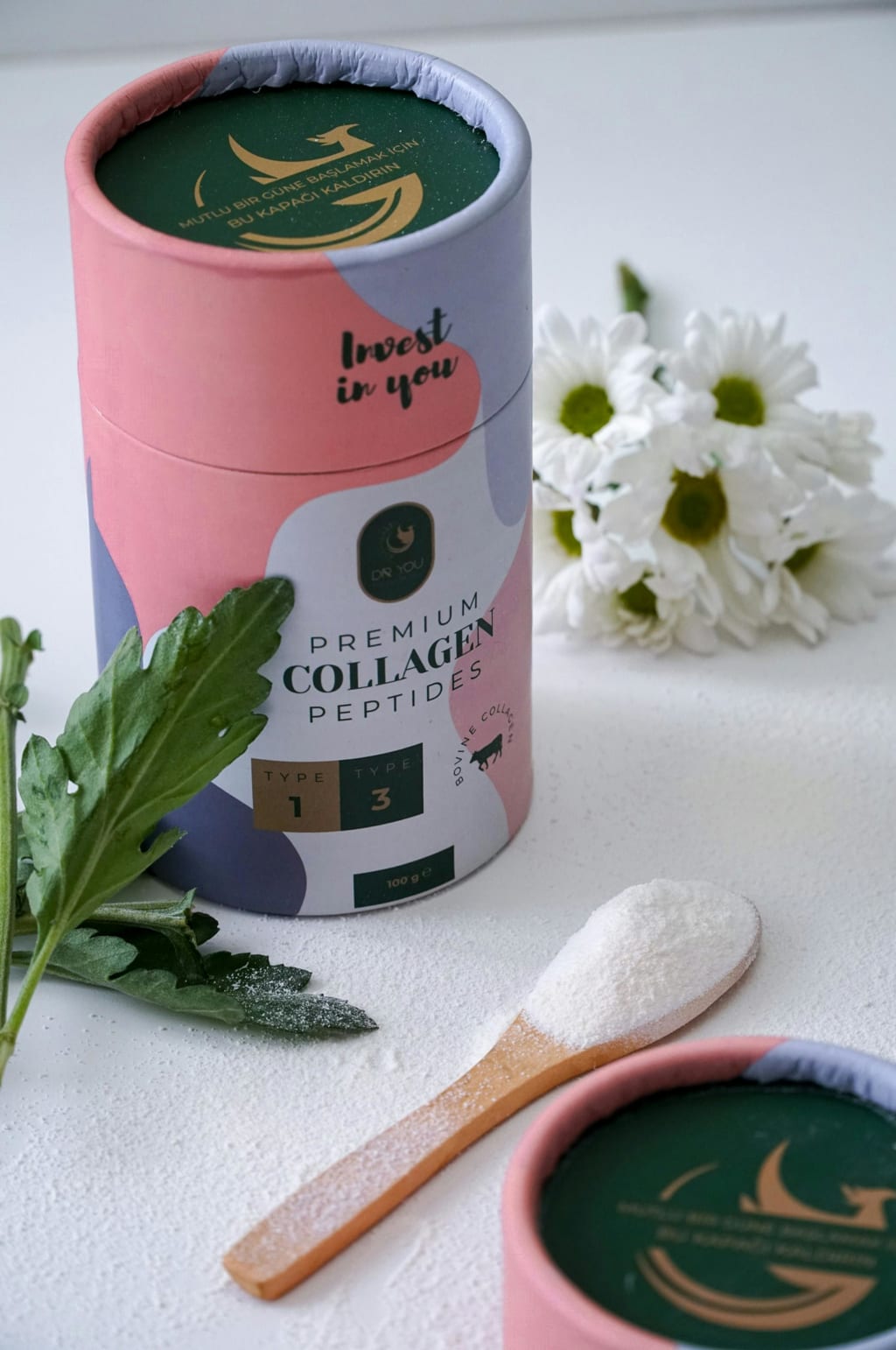
Everywhere you look these days, someone's pushing collagen. Your Instagram feed is full of influencers mixing powder into their smoothies. The supplement aisle at the pharmacy has an entire section dedicated to it. Even your local coffee shop probably has collagen creamer now.
So what's the deal? Is this just another wellness trend that'll disappear in six months, or is there something real here worth paying attention to?
I'll be honest, I was skeptical at first. But after my dermatologist casually mentioned that my skin was starting to show "typical aging patterns" (ouch), I figured it was time to actually look into this stuff rather than just rolling my eyes at the marketing.
Turns out, there's more to it than I expected.
What Collagen Actually Is
First things first, collagen isn't some mysterious new discovery. It's a protein that's been hanging out in your body your entire life, quietly doing its job. And what a job it is.
This protein makes up over 25% of all the protein in your body. That's massive. To put it in perspective, if proteins were employees at a company, collagen would be the department that takes up a quarter of the entire building.
The reason collagen is such a big deal is that it creates these incredibly strong but flexible fibres throughout your body. These fibres are literally woven into your joints, bones, skin, muscles, and tendons. They're what gives these tissues their strength and elasticity.
Every time you bend your knee, stretch your arm, or even smile, you're relying on collagen-rich tissues to make those movements possible. Your tendons connect muscles to bones collagen. Your cartilage cushions your joints, and collagen. Your skin bounces back after you make an expression also collagen.
It's basically the scaffolding that holds your entire body together. Without it, you'd be well, let's not think too hard about that.
When Things Start Going Downhill
Here's where the story gets less fun. Around your 30th birthday, your body starts getting lazy about making collagen. Not dramatically just about 1% less each year. Doesn't sound like much, right?
Wrong. That 1% adds up fast.
By the time you hit 40, you're making significantly less collagen than you were in your twenties. By 50, the difference is pretty noticeable. And your body doesn't send you a memo about this you just start noticing that things don't work quite the same way they used to.
Maybe your skin doesn't bounce back as quickly after you sleep on it wrong. Maybe your knees feel a bit stiff when you get up in the morning. Maybe that minor injury from your weekend hike takes longer to heal than it would have five years ago.
This isn't just vanity stuff, either. We're talking about your mobility, your comfort during everyday activities, and how well your body can repair itself when things go wrong.
The Food Situation Is Complicated
Traditionally, people got way more collagen from their food than we do now. Think about old-school cooking bone broths that simmered for hours, stews made with tough cuts of meat, dishes that used pretty much every part of the animal.
Spanish cuisine is actually full of collagen-rich dishes. Lots of recipes that use bones, skin, and cartilage - all loaded with collagen. But there's a catch (isn't there always?).
These dishes tend to be pretty high in fat, which doesn't exactly fit with modern ideas about healthy eating. Plus, they take forever to make properly. Who has time to simmer bones for 12 hours on a Tuesday?
Even if you do make the effort, there's another problem: regular collagen from food is tough for your body to actually use. The molecules are big and complex, and your digestive system has to work really hard to break them down. A lot of what you eat just ends up getting eliminated rather than absorbed.
So you could spend all day making bone broth and still not get much usable collagen out of it. Frustrating, right?
Why Supplements Might Actually Make Sense
This is where hydrolyzed collagen supplements come in. "Hydrolyzed" is just a fancy way of saying the collagen has been broken down into smaller pieces that your body can actually absorb.
Instead of your digestive system struggling with these massive collagen molecules, it gets pre-processed peptides that can be absorbed and used much more efficiently. It's like the difference between trying to eat a whole steak in one bite versus having it cut into manageable pieces.
But here's the thing: not all collagen supplements are the same. Some are made from sketchy sources with questionable processing methods. Others are formulated with additional nutrients that actually make sense.
The better ones include stuff like vitamin C (which your body needs to make collagen naturally), magnesium (involved in protein synthesis), and hyaluronic acid (helps with joint lubrication). These aren't just random add-ins; they actually work together with collagen in your body.
Who Actually Needs This Stuff
While everyone's collagen production slows down with age, some people might benefit more from supplementation than others.
Athletes and people who work out intensively are obvious candidates. Every training session creates microscopic damage that needs to be repaired, and that repair process requires adequate collagen. If your body can't keep up with the demand, you end up with overuse injuries, chronic inflammation, and longer recovery times.
People in physically demanding jobs face similar challenges. If you're on your feet all day, lifting heavy things, or putting consistent stress on your joints and muscles, supporting your collagen levels might help you feel better at the end of long days.
But it's not just about intense physical activity. Even normal aging puts stress on your collagen-rich tissues. If you're starting to notice stiffness, slower healing, or changes in your skin, it might be worth considering.
What to Actually Expect
If you decide to try collagen supplements, don't expect miracles overnight. This isn't like taking a pain reliever where you feel different in 30 minutes.
Most people who see benefits report changes somewhere between one and three months of consistent use. The timeline varies a lot based on your age, overall health, and what specifically you're hoping to improve.
Skin changes often show up first, probably because skin cells turn over relatively quickly. Some people notice their skin feels more hydrated or looks slightly fuller within a few weeks. Joint improvements typically take longer cartilage doesn't regenerate as fast as skin.
But here's the reality check: we're talking about subtle improvements, not dramatic transformations. You're not going to look 20 again or suddenly feel like you did in college. You might just feel a bit better, heal a bit faster, or notice that your skin doesn't look quite as tired.
The Safety Question
Collagen supplements are generally pretty safe for most people. Since it's a protein your body already makes and uses, adding more through supplements doesn't usually cause problems.
That said, if you have serious health conditions or take prescription medications, it's worth checking with your doctor first. And if you have allergies to specific animals (fish, beef, etc.), make sure you know what your collagen supplement is made from.
For basic collagen supplements, daily use without breaks is typically fine. If you go for more complex formulations with added vitamins and minerals, some experts suggest taking periodic breaks to avoid any potential buildup.
Does It Actually Work?
This is the million dollar question, isn't it? The honest answer is: maybe, for some people, in some ways.
The research on collagen supplements is still developing. Some studies show modest improvements in skin hydration and elasticity. Others suggest benefits for joint comfort and mobility. But the effects are generally subtle, and individual results vary a lot.
What's clear is that collagen supplements aren't going to single-handedly solve aging or transform your health. But they might provide some support for your body's natural repair processes, especially if you're dealing with the normal decline that comes with getting older.
The Bottom Line
Here's what I've concluded after looking into all this: collagen supplementation is probably worth trying if you're experiencing signs of collagen decline and you have realistic expectations about what it can do.
It's not a magic bullet, but it's also not snake oil. The science suggests there might be some real benefits, the safety profile is good, and the cost is reasonable for most people.
The key is consistency and patience. If you try it, give it at least three months before deciding whether it's helping. And remember that supplements work best as part of a broader approach to health - good nutrition, adequate sleep, regular exercise, and protecting your existing collagen through sun protection and stress management.
Whether the collagen trend sticks around long-term probably depends on whether people continue to see real benefits. But given what we know about how important this protein is for basically everything your body does, paying attention to your collagen levels, whether through supplements or lifestyle choices, seems like a pretty smart move.
Thanks for taking the time to read! 💛 If you enjoyed it, I’d love to hear your thoughts. Drop a comment, hit the heart, and please subscribe (it’s free!).
About the Creator
Fathima Haniffa
I share my passion for healthy living through keto recipes, practical food tips, real-life experiences, and original poetry inspired by personal research.
Discover my Rumble channel: https://rumble.com/c/c-7705609
Keep reading
More stories from Fathima Haniffa and writers in Feast and other communities.
My Journey into the Low-Carb Shocking Discoveries About Diet and Heart Disease
My mum lost forty pounds last year. When I asked her how, she said she'd stopped eating bread. Just like that. No more sandwiches, no pasta dinners, no morning toast. Instead, she was eating eggs, cheese, and plenty of meat. She looked fantastic, but I couldn't shake what my doctor had always told me: eating too much fat will give you a heart attack.
By Fathima Haniffa8 months ago in Feast
My Tous les Jours Trip
As someone who lives in a rural area, I don't get the chance to visit fancy restaurants or bakeries that often. So, when a friend told me about a French-Asian bakery that's less than an hour away, I knew I had to check it out and grab some pictures for social media. Tous les Jours ended up providing an immersive experience that went above and beyond my expectations--although I did leave with a few reservations.
By Kaitlin Shanks21 days ago in Feast
Bacon Ranch Scalloped Potatoes
There’s something undeniably comforting about a bubbling dish of scalloped potatoes—layers of tender spuds, creamy sauce, and melted cheese all baked to golden perfection. Add the smoky crunch of bacon and the tangy zip of ranch seasoning, and you’ve got a side dish that steals the show. Whether you’re feeding a crowd at a potluck or cozying up for a weeknight dinner, this Bacon Ranch Scalloped Potatoes recipe is a guaranteed crowd-pleaser.
By Kristen Barenthalera day ago in Feast
Miss Persephone's Manual to a Seemingly Ordinary Life
Miss Persephone was found at the dining table, her blue eyes swollen, her tears arriving and retreating like the tides of the ocean. Earlier that day, her family had visited her in the retirement home where she had lived for eight years. It was her eightieth birthday.
By Imola Tótha day ago in Fiction




Comments (1)
Thanks for sharing your research on collagen. I'm still a bit on the fence about supplements in general, but your explanation of hydrolyzed collagen and why traditional food sources are less effective was really insightful. Might be time to look into adding this to my routine.