
My Favorite "Power" Foods To Eat & Recipe Changes I've Made While On A GLP-1
GLP-1 medications perform best when you commit to eat a certain way. Here are my go-to foods that have helped me make the changes

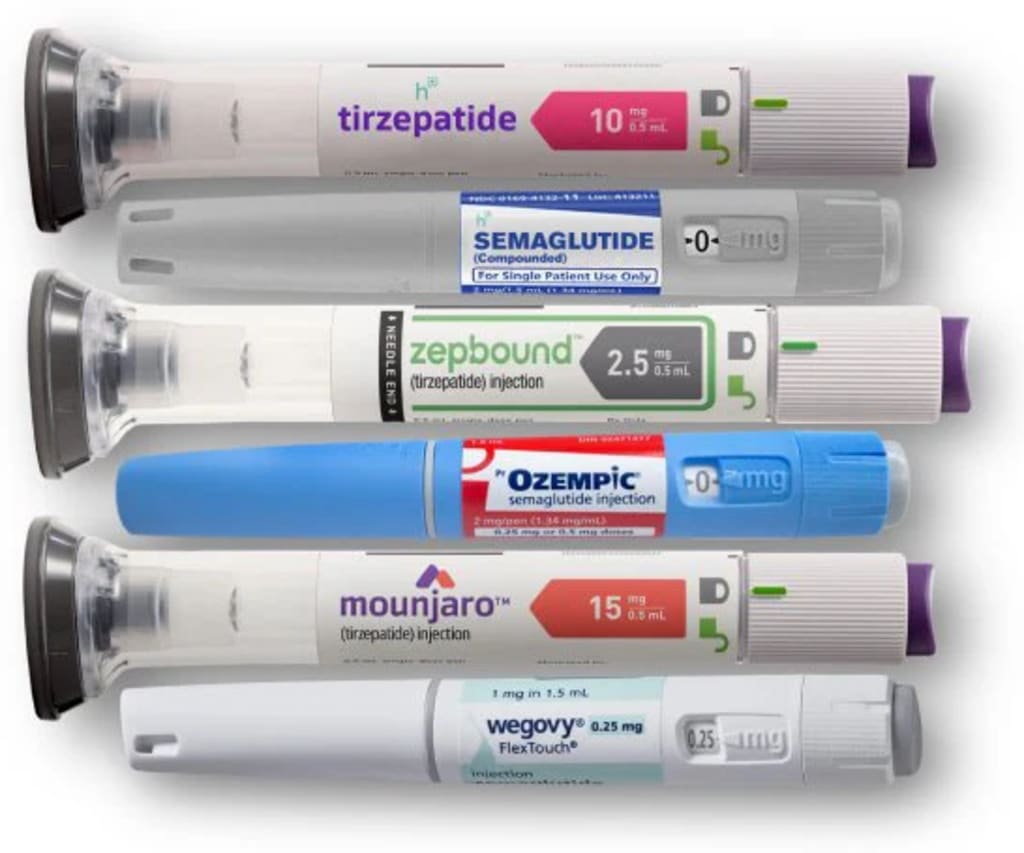
In late June, I decided to take the plunge and try a GLP-1 medication. It was something I had debated and talked with my doctor about for quite a while, but I was always a bit nervous to give it a shot – no pun intended. I’ve always struggled with my weight and as I started getting older, I noticed that I was experiencing a lot more pain and inflammation than I was comfortable with. I also have Polycystic Ovary Syndrome (PCOS), which my doctor thought was likely contributing to the symptoms I was experiencing, along with consistently gaining weight year after year. It seemed like nothing I tried or did ever made a difference in my pain levels or helped me drop any pounds. After initially having a rather negative experience with Metformin, I made the decision to give it a try.
After two months on a GLP-1, I am happy to report I am down 19 pounds and quite a few inches. I am also sleeping better, my knees don’t hurt nearly as much, and I don’t feel the effects of inflammation as bad daily. Starting the medication has been an adjustment and I read a lot of things online prior to starting, but there are some tricks and changes that I have made that have really made the difference. It seems like more and more people are trying these medications and while no one is the same, I wanted to share some of the things that have been helping me along the way.
I am still figuring things out and there has been some fluctuations, but overall these are the things that have been the best choices for me.
Foods That Have Come In Clutch
10. Protein Waffles

I am not a huge pancake/waffle person, but I have found that having them on hand in the freezer can be helpful in a pinch. I bought the Kodiak protein pancake mix and made waffles with my mini waffle maker and they weren’t bad at all. It seemed like the waffles yielded more than the pancake recipe, so the box went a lot farther. You can also mix the batter with milk for extra protein or add flavoring like vanilla extract.
9. Whole-Wheat Tortillas
The go-to tortilla in the United States seems to be flour, which there's really nothing wrong with. However, if you are struggling to increase your fiber intake, integrating whole-grain tortillas can be a lifesaver. I've been buying the Mission Carb Balance Whole-Wheat Tortillas and one tortilla has 8g fiber with just 110 calories. I've been using them to make breakfast burritos, quesadillas, and just making the switch when making tacos. If you’re struggling with portions, you can always buy the smaller street taco tortillas.
8. Clif Bars
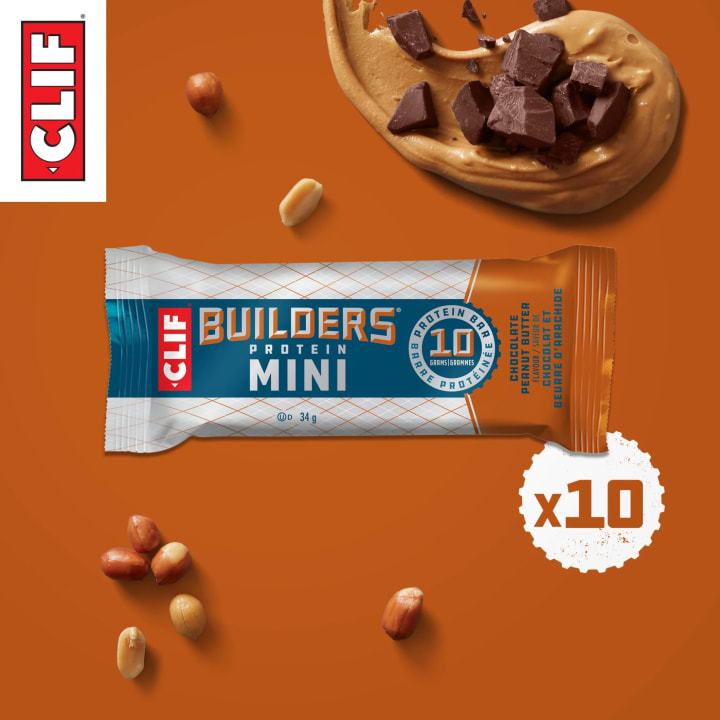
Growing up in a "weight loss" home throughout my childhood and young adulthood, I am a bit weary of meal replacements and protein bars. Ones I tried when I was younger never seemed to taste great and they felt more like a punishment than a tool. But I have found that Clif Bars, specifically the Builders Mini bars, are pretty good. The mini peanut butter bars have 10g protein and just 140 calories. They also taste kind of like a Reeses cup.
7. Fairlife Milk
I can't drink regular milk so going into this journey intimidated me a bit because a lot of the tips & tricks I was seeing involved drinking some form of milk. But I decided to give Fairlife Ultra-Filtered milk a try because I saw that it was lactose free, and I must admit that it completely changed the game. I started with their chocolate milk and aside from tasting like a chilled hot chocolate, the milk itself helped me reach daily protein goals. One cup has 13g protein, along with less sugar and fat. After seeing such success with the chocolate, I started buying the regular 2% milk and integrate it into recipes that call for milk, as well as mixing it with vegan protein powder.
6. Tofu
In my opinion, the hate that tofu gets it completely unwarranted. Just like other proteins, you just need to know how to work with it and you can make some tasty stuff. I bought some extra-firm tofu at Sprouts because it was on a great sale, and it lasted me quite a while. Aside from being only 90 calories for 3oz, you also get 9g of protein with practically zero carbs. With meat and eggs getting more expensive every day, tofu is a great protein alternative that you can make taste like just about anything you want.
5. Peanut Butter Powder

Peanut butter is a great product and honestly one of my favorite snacks is a spoon of peanut butter or apple slices in peanut butter. The only downside is peanut butter can be high in sugar and fat. One of the best things that I have found is peanut butter powder. When you look at the overall value, it's not that expensive and it gives you what you're looking for with a lot less calories and fat. I bought a big container of the PB2 Original powder and for 2 tbsp., you get 6g of protein, 1.5g fat, and 60 calories. For comparison, normal creamy peanut butter gives you just as much protein with 180 calories and 15g fat.
I mix the peanut butter powder in with yogurt, I mix it with water and use it as a dip, and I mix it in with vegan protein powder. It's a great alternative and it lasts longer than a jar of peanut butter.
4. Eggs
Eggs are a staple of any high-protein diet, but they truly have been a great asset for me. When I go to work, I might take two hard boiled eggs to eat for breakfast, I can add a hard boiled egg to a salad, or I can make scrambled eggs. Two eggs give you 12g protein with about 150 calories. If you are worried about yolks, you can always remove the yolks and eat egg whites.
3. Greek Yogurt
Protein, fat, and calories in Greek yogurt is dependent on what brand you buy, as well as how much you eat. It also depends on whether you choose flavored yogurt or plain yogurt. On average, you can get about 10g protein with 1/2 cup of Greek yogurt, with low-fat yogurt yielding even higher levels. Our local grocery stores are Kroger branded, so for a while I was buying Kroger Nonfat Plain Greek Yogurt and 2/3 cup was 17g protein. I didn't care for how tangy it was, so I switched to Greek Gods plain nonfat, but even that gives you 9g protein. Adding in something like the 2 tbsp of peanut butter powder and some blueberries, you can amp up your protein and fiber.
2. Water Enhancers
The amount of hydration you need to maintain on a GLP-1 can be difficult. While I was drinking maybe 36-40oz of water per day (which I know still wasn’t enough), I was seeing recommendations to drink 64-80oz per day while on the medication. That number was extremely intimidating to me because, well, I didn’t want to live in the bathroom all day. But as time has gone on, I have found ways to increase my hydration at a steady pace and water enhancers have helped a lot. I primarily stick with Mio because it’s easy, you don’t need a whole lot, and you can get it with extra hydration and energy features. For me, it’s a lot easier to drink water if it tastes like something.
I have also utilized Propel and zero sugar Powerade and Gatorade to assist with getting enough electrolytes. Stuff like Liquid IV is highly loved by people, but I am not tolerant of Stevia and I’m allergic to monkfruit – which almost all electrolyte powders have one or both of those sweeteners.
1. Cottage Cheese
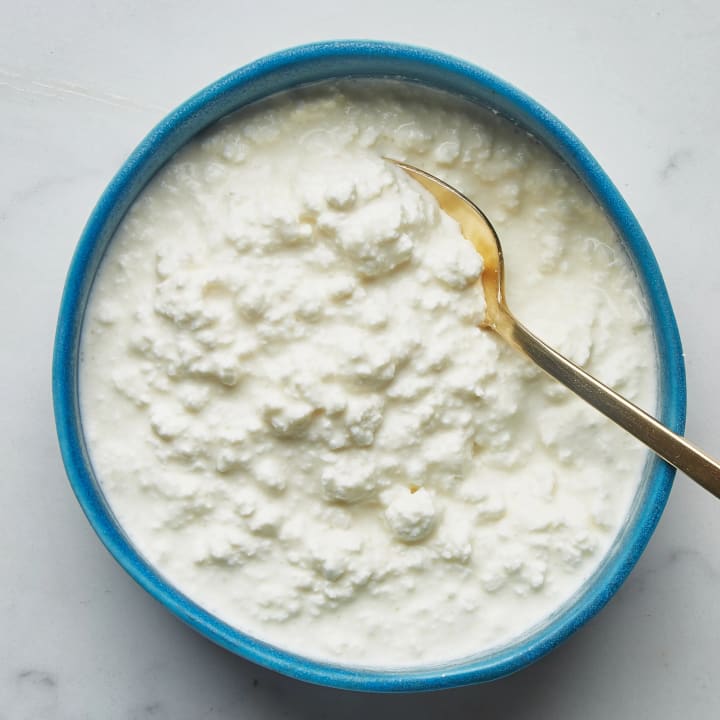
I will admit, I have been a longtime hater of cottage cheese. Not so much the taste, but the texture has always weirded me out. But, like drinking milk, cottage cheese is a common staple in a lot of high-protein and GLP-1 support guidance, so I willed myself into eating it until I got used to it. Now that I am used to cottage cheese, it’s become quite a staple for me, especially in the morning or if I want/need a snack throughout the day.
Like Greek yogurt, the amount of protein and fat depends on what kind you buy. The Kroger 2% cottage cheese I have been eating gives 13g protein which is a great start to the day. I have found mixing in blueberries or strawberries helps with the texture, too.
Easy Recipe Changes
5. Swap For Whole Grain Pasta
If you are struggling to increase your fiber intake, swapping regular pasta for whole wheat pasta is one of the easiest changes you can make. Swapping regular spaghetti noodles for whole grain spaghetti noodles gives you about 5g more fiber. Whole grain pasta also takes longer to digest, so it can provide more sustained energy rather than a rapid carb-based energy source.
You can also find varieties of pasta derived from chickpeas, which will also provide more fiber and could also provide more protein per serving.
4. Utilize Chia Seeds

Chia seeds are one of those things you might have heard about, but you never really knew how to eat it or what to do with it. Chia seeds are packed with health benefits including reducing inflammation and blood pressure, lowering cholesterol, supporting digestive health, and assisting with weight management. It might not seem like it, but chia seeds provide high levels of fiber, protein, and omega-3 fatty acids.
It’s very easy to incorporate chia seeds into your diet, including adding to beverages and yogurt. Simply take 2 tablespoons of seeds and soak them in water for about 15-30 minutes. You will notice them get a little thick and slimy, but that is what you want! Just like with whole grain pasta, chia seeds are a great thing to incorporate if you’re struggling with fiber intake. Just note, you really need to be hydrated for them to perform properly.
3. Swap For Cottage Cheese
Cottage cheese is something you can easily swap for other soft cheeses, such as ricotta and goat cheese. I made lasagna a few weeks back and I subbed the ricotta cheese for cottage cheese, and I didn’t notice a difference in taste. The one thing I saved was a bunch of fat and calories. It sounds weird, but you can also incorporate cottage cheese onto pizza, you can put it in pancake batter, and you can make dips out of it. If the texture still bothers you, toss it in a food processor or blender and smooth it out first.
2. Remember That Beans Are A Great Protein Source

Beans are a forgotten protein source, and I am also guilty of that. Like chia seeds, beans contribute to improved cardiovascular health, digestive health, lowering cholesterol, assisting with weight management, and reducing the risk of certain cancers. Going along with the trend you may have noticed, perhaps one of the best things is the fiber content. Just 1/2 cup of black beans contains 25% of the daily recommended dose of fiber. Ways to incorporate beans more into your diet is adding them to soups, pureeing them into dips, using beans to make a veggie burger patty, roasting them as crunchy snacks, or blending them with herbs.
Don’t sleep on lentils either, as they are an excellent source of both protein and fiber. One cup of cooked lentils has approximately 18g of protein and 16g of fiber. They are also inexpensive and can be utilized with a lot of different flavor profiles.
1. Swap Out The Beef
A lot of content you’ll see online with high-protein diets has excessive beef consumption. You can Google “carnivore diet” right now and you’ll see basically nothing but eggs, bone broth, and steak. While 4oz of ground beef can contain up to 24g protein, you are also getting high amounts of calories and fat to go with it – approximately 376 calories and sometimes up to 34g fat. A 6oz sirloin steak gives up to 400 calories with 20-30g fat and 46g protein. On the contrary, a 4oz chicken breast gives you 36g protein with just 193 calories and 4g fat. 4oz of ground turkey is approximately 230 calories with 30g protein and 10g fat.

While it might seem like the protein in beef is the most desirable option, consuming products higher in fat and saturated fat on a GLP-1 medication can increase the likelihood of experiencing side effects like nausea, bloating, vomiting, heartburn, and diarrhea. It also delays the effects of the medication’s blood sugar control. In my experience, I have fared a lot better by limiting my beef intake. I have swapped out ground beef for ground turkey or chicken and at this point I am more likely to eat a chicken breast than a steak. Not saying I never eat beef, but I have drastically reduced my intake.
Foods I Have Limited or Eliminated Entirely
5. Alcohol
It's not ideal to drink on a GLP-1 anyway and I am not a big drinker these days, but I have made the choice to eliminate alcohol from my diet. Alcohol consumption can also affect your blood sugar, increase the risk of pancreatitis, and increase GLP-1 side effects. Plus, alcohol is just empty calories and carbs.
4. “Junk” Foods and Snacks
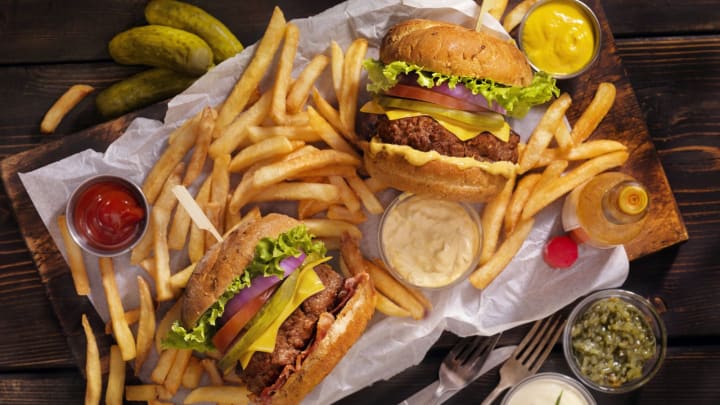
Working in an office, it’s easy to go to the vending machine and grab a bag of chips. It’s also easy to go to Sam’s Club and buy a multipack of chips to have on hand. What I have noticed is that when I do try to eat chips, I can’t even eat a whole individual bag anymore. It’s not just that I can’t, it’s that I don’t really want to. The greasy texture and flavor just don’t hit the same way.
With that said, I have still eaten fast food since starting. I have still had boxed, frozen dinners. I have still eaten chips. It's normal to have these things in moderation just like anyone else. But now I am more willing to pay the extra $2 for a salad as a side instead of fries because the fries don't make me feel so great.
3. Breads
Like other things, I have never been a huge bread eater. I love a good slice of bread, but I have never been one who constantly eats bread throughout the week. With the medication, one thing I have made a conscious choice to do is to keep my bread consumption at a minimal level. I find that I don’t always feel the best when I eat a ton of bread, and it’s just more carbs that I don’t really need. I am fine to eat an occasional sandwich, but I haven’t bought a loaf of bread in probably two months.
2. Frozen Meals
Frozen meals are another thing that are convenient, but they are something I have drastically reduced in my diet. For a while, I kept Lean Cuisine in business because they were easy to take to work and the store usually had them on a good sale. I have still had a few frozen meals since starting my GLP-1, but I haven’t bought a bunch of them. The way the medication changes how you taste and perceive food, they just don’t taste that good anymore. They aren’t overly filling, they’re full of sodium, and they often have a lot of fat. In a pinch it’s nice to still have one or two in the freezer, but the days of me buying 12 at a time seem to be over.
1. Sodas & Juices

My weakness has always been what I drink. Whether it’s juices, teas, or sodas, I have always been a calorie drinker rather than a calorie eater. As I have adjusted to the medication, one thing I have noticed is my appetite for anything sweet is drastically reduced and that includes beverages. In my house we would always have soda on hand and before starting the medication, I would easily drink 1-2 cans per day and think about drinking a third. Now, I can barely finish one can. If I go to a restaurant, I don’t even bother paying the money to order a soda because I take 4-5 sips of it and can’t finish it. I do still enjoy the taste of soda, so I have some mini cans of Coca-Cola in the house. However, I bought a 36 pack at Sam’s Club 6 weeks ago and I still have 11 left. It’s not a bad thing at all, but when I think about it and compare it to what I was drinking before, that is a wild statistic.
Overall Thoughts?
Overall, I think the success of a GLP-1 is really what you make of it. If you are actually ready to make the changes then you might surprise yourself with what the medication can do for you. It's also important to remember that the medicine is not a magic bean that will melt all your fat away overnight. Slow and steady wins the race and while you might only see a pound or two lost every week, that is still great progress. In fact, that's healthy and sustainable progress. It also shows that the changes you have made are working and that it's something you can stick to if/when the medication goes away.
Also, don't forget, you still need to eat. We are all trying to get better, not give ourselves an eating disorder. It's about lifestyle changes, not deprivation.
About the Creator
Jenika Enoch
I love movies, music, food, and art. I'm a certified graphic designer and create my own art sometimes. Things that fuel me include equality, respect, culture, and anything weird.
Keep reading
More stories from Jenika Enoch and writers in Feast and other communities.
Is It Worth It? An Honest Review of Factor Meals
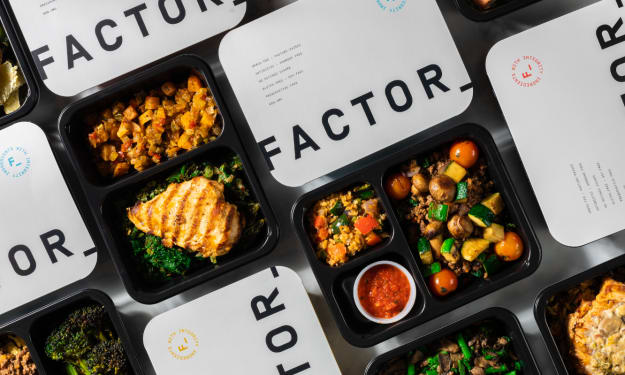
In the post-COVID era, a lot of people have adjusted to a new normal of home delivery. While delivery used to just be takeout Chinese food and pizza, home delivery now can be any fast or restaurant food, groceries, and even meal kits. I must admit, I have fallen victim to the delivery services and they do bring a lot of convenience. One convenience I recently tried was Factor75 prepared meals.
By Jenika Enoch6 months ago in Feast
My Tous les Jours Trip
As someone who lives in a rural area, I don't get the chance to visit fancy restaurants or bakeries that often. So, when a friend told me about a French-Asian bakery that's less than an hour away, I knew I had to check it out and grab some pictures for social media. Tous les Jours ended up providing an immersive experience that went above and beyond my expectations--although I did leave with a few reservations.
By Kaitlin Shanks16 days ago in Feast



Comments
There are no comments for this story
Be the first to respond and start the conversation.