
Famous City of Chinese Cuisine — Hong Kong
Hong Kong: A Culinary Paradise on the Tip of the Tongue A Hundred Flavors of the Fragrant River, from Teahouse Dim Sum to Street Stall Smoke and Fire

Hong Kong, the international metropolis hailed as a "Culinary Paradise", masterfully blends the elegance of Cantonese cuisine, the vibrant warmth of street food culture, and the fresh delights of seafood feasts. The translucent har gow in teahouses carries the leisurely charm of morning tea; the typhoon shelter fried crab at dai pai dongs wafts with an irresistible rich aroma; the beef brisket noodles on street corners deliver late-night comfort; and the steamed garoupa at banquets embodies Cantonese tradition. To savor these classic dishes is to read the story of Hong Kong's culinary culture.
1. Har Gow (Crystal Shrimp Dumplings): The Crown Jewel of Morning Tea, an Exquisite Breakfast in Teahouses
In Hong Kong, the dawn breaks not with a rooster's crow, but with a steamer of har gow in a teahouse. As the undisputed leader of the "Four Heavenly Kings of Cantonese Morning Tea" (har gow, siu mai, char siu bao, and egg tarts), har gow is the ultimate litmus test for a teahouse's quality and a must-order delicacy on every Hongkonger's morning tea table.
Authentic Hong Kong har gow boasts impeccable appearance and texture: its crystal-clear wrapper, made from a precise blend of wheat starch and tapioca flour, is rolled thin and translucent like a cicada's wing. Even when wrapped around a generous filling, the pink shrimp inside can be faintly seen. The filling is the soul of the dumpling: plump, fresh tiger prawns are peeled, deveined, and cut into large chunks to retain their bouncy texture. A small amount of fatty pork mince and bamboo shoot dice are added to enhance the umami, creating a rich, layered flavor that avoids the monotony of pure shrimp meat.
Steamed to perfection, the har gow wrappers turn glistening and slightly puffed, resembling tiny, plump ingots. Pick one up, take a gentle bite, and the soft yet chewy wrapper gives way to juicy, springy shrimp. The delicious broth bursts in your mouth, perfectly complemented by the crispness of the bamboo shoots and the rich aroma of the pork. Seasoned to savory perfection with no fishy aftertaste, this is har gow at its best. In Hong Kong's time-honored teahouses, such as Lin Heung Tea House, Luk Yu Tea House, ordering a steamer of har gow paired with a pot of piping hot pu-erh tea, and slowly peeling and savoring each dumpling, is the most authentic expression of Hong Kong's morning tea ritual.
2. Typhoon Shelter Fried Crab: A Dai Pai Dong Feast, the Iconic Soul of Hong Kong Seafood
If har gow represents the elegance of teahouses, then typhoon shelter fried crab is the bold, fiery soul of Hong Kong's dai pai dongs (open-air food stalls). Originating as a humble home-style dish of fishermen in Hong Kong's typhoon shelters, it has now become the signature dish of Hong Kong seafood cuisine and a must-try delicacy for countless tourists visiting the city.
The essence of typhoon shelter fried crab lies in the perfect fusion of golden, crispy garlic and fresh, tender crab, as well as its unique "bold and intense" flavor profile. To prepare it, fresh, plump mud crabs or flower crabs are cleaned, cut into pieces, coated in a thin layer of starch, and deep-fried until the shells are crispy and the meat inside remains tender and juicy. Then, a large amount of garlic is added to a wok and stir-fried over high heat until golden and fragrant. Dried chili peppers, fermented black beans, ginger slices, and green onion sections are added to enhance the aroma. The fried crab pieces are then returned to the wok and tossed with the garlic mixture. Finally, a pinch of salt and sugar is added for seasoning, along with a splash of rice wine to boost the umami.
Served piping hot, typhoon shelter fried crab features golden, crispy garlic and bright red, tempting crab. The air is filled with the irresistible aroma of roasted garlic, spicy chili, and fresh crab. Break open the crab shell, and you are greeted with a generous amount of creamy roe. The crispy shell gives way to tender, juicy crab meat, infused with the rich flavors of garlic and fermented black beans. Spicy yet fresh, fresh yet aromatic, it is absolutely addictive. In Hong Kong's famous dai pai dong areas, such as Temple Street, Sai Kung Seafood Street, ordering a plate of typhoon shelter fried crab paired with a bowl of white rice is a must. Mixing the leftover garlic with the rice creates a flavor so delicious that you'll lick your bowl clean – this is the unique charm of Hong Kong's dai pai dongs.
3. Beef Brisket Noodles: A Warm Comfort on Every Street Corner, the Daily Flavor of Hong Kong
On every street corner in Hong Kong, you can find small beef brisket noodle shops with a few low tables, their air filled with the rich, savory aroma of beef. Beef brisket noodles are the most down-to-earth flavor of Hong Kong and a representative of street food, comforting every person bustling about their daily life with their warm, hearty taste.
Hong Kong's beef brisket noodles come in two popular varieties, each with its own unique charm: clear soup beef brisket noodles and curry beef brisket noodles. Clear soup beef brisket noodles focus on a clear, fresh, and rich broth. Beef bones, beef brisket, radish, ginger slices, star anise, cinnamon, and other ingredients are slowly simmered for several hours until the brisket is tender and flavorful, and the broth is clear yet rich, with a subtle beef aroma and the natural sweetness of radish. Curry beef brisket noodles, on the other hand, are made by adding a secret curry paste to the clear soup base, simmering until the aromatic curry flavor perfectly blends with the umami of the beef. The result is a rich, thick broth with a gentle spicy kick.
The noodles of choice are juk sing mein (bamboo-pressed noodles), made using traditional methods with a bamboo pole to press the dough. These noodles are chewy, smooth, and highly elastic. Cooked to perfection, they are ladled into a bowl, topped with several pieces of tender beef brisket and a few slices of white radish, and smothered with a ladle of broth – a bowl of authentic Hong Kong beef brisket noodles is ready to be enjoyed. Take a bite of the noodles: chewy and smooth. Sip the soup: clear, fresh, and rich. Take a bite of the brisket: tender and flavorful, with the fat melting in your mouth and the lean meat remaining juicy and not dry at all. In Hong Kong, whether for breakfast, lunch, or dinner, a bowl of beef brisket noodles can instantly recharge your energy.
4. Oyster Omelette: The Fresh and Savory Delight of Street Snacks, a Hong Kong Comfort Food
Oyster omelette is a classic street snack in Hong Kong and a humble, comforting delicacy full of the warmth of everyday life. Made with fresh oysters and eggs as the main ingredients, it has a simple preparation method yet boasts a unique fresh and savory flavor, beloved by both Hongkongers and tourists alike.
Hong Kong's oyster omelette uses fresh, small oysters (known as ho jai in Cantonese). Though small in size, they are exceptionally fresh and flavorful. To prepare it, the oysters are cleaned and marinated briefly with a pinch of salt, white pepper, and rice wine to remove any fishy taste. Then, a small amount of oil is heated in a flat pan, and the oysters are added and stir-fried until they just start to change color. Next, several eggs are cracked into the pan and stirred well, ensuring the egg mixture evenly coats the oysters. Finally, the omelette is fried over low heat until both sides are golden and crispy, then it is ready to be served.
Served hot, the oyster omelette has a golden, crispy exterior and an irresistible aroma. Take a bite, and you'll experience the perfect fusion of tender, fluffy egg and fresh, juicy oysters. The outer layer of the egg is slightly crispy, while the inside remains soft and moist. The oysters are bouncy and juicy, with a subtle hint of the sea. In Hong Kong's bustling street markets, such as Mong Kok and Causeway Bay, buying a portion of oyster omelette, dipping it in a little sweet chili sauce, and eating it while walking around is the most authentic Hong Kong street food experience.
5. Steamed Garoupa: The Essence of Cantonese Steamed Fish, the Showstopper of Banquets
At banquets in Hong Kong, steamed garoupa is an essential showstopper dish. With its fresh, tender, and clean taste, it embodies the elegance and meticulous attention to detail of Cantonese cuisine, and is also a classic representative of Hong Kong seafood dishes.
The essence of steamed garoupa lies in preserving the original flavor and the precise control of cooking time and heat. To prepare it, a fresh, live garoupa is cleaned, and several shallow cuts are made on its body to allow the flavors to penetrate. Then, the fish is placed on a plate, topped with ginger slices and green onion sections, and a splash of rice wine is poured over it. It is then steamed in a steamer over high heat for 6-8 minutes, until the fish eyes pop out and the flesh just starts to pull away from the bones. Finally, the fishy water in the plate is discarded, the ginger and green onions are removed, and the fish is topped with fresh green onion shreds, ginger shreds, and red bell pepper shreds. A ladle of steamed fish soy sauce is poured over the fish, followed by a ladle of piping hot oil, which sizzles and releases the aromatic flavors of the ingredients – the dish is now ready to be served.
Served hot, steamed garoupa has a snow-white, tender flesh and an irresistible aroma. Take a piece of the fish meat: it is incredibly tender and juicy, melting in your mouth, with a subtle hint of the sea and the savory flavor of the steamed fish soy sauce. There is absolutely no fishy taste, making it a true delicacy. In Hong Kong's high-end restaurants, such as The Peninsula Hong Kong and Mandarin Oriental Hong Kong, steamed garoupa is a must-order dish at banquets, showcasing the host's hospitality and sincerity with its exquisite taste and presentation.
6. Char Siu (Barbecued Pork): The Representative of Cantonese Roast Meats, Hong Kong's Ultimate Rice Topping
Char siu (barbecued pork) is the representative of Cantonese roast meats and the ultimate rice topping beloved by Hongkongers. On every street corner in Hong Kong, you can find roast meat shops with glistening, red char siu, roast duck, and roast goose hanging in the window, their rich aroma filling the air and making your mouth water.
Authentic Hong Kong char siu uses pork collar meat, which has the perfect balance of fat and lean, resulting in the best texture and flavor. To prepare it, the pork collar meat is cleaned and cut into strips, then marinated for several hours in a secret mixture of char siu sauce, honey, rice wine, ginger slices, and green onion sections, allowing the meat to fully absorb the flavors. Then, the marinated meat is placed in an oven and roasted until it turns glistening red and the surface becomes slightly crispy. Finally, a layer of honey is brushed over the meat, and it is roasted for a few more minutes to create a beautiful, glossy finish – the char siu is now ready to be taken out of the oven.
Freshly roasted char siu has a glistening, red appearance and an irresistible aroma. Cut a piece: it has the perfect balance of fat and lean. The fatty parts melt in your mouth, while the lean parts remain tender and juicy, infused with the subtle sweetness of honey and the savory flavor of the char siu sauce. Sweet and savory, with the fat never feeling greasy, it is absolutely delicious. In Hong Kong, whether for breakfast, lunch, or dinner, a serving of char siu rice paired with a bowl of daily soup is the most authentic expression of Hong Kong's everyday diet.
7. Stir-Fried Fresh Beef with Seasonal Vegetables: A Home-Style Delight, a Staple on Hong Kong's Dinner Tables
Stir-fried fresh beef with seasonal vegetables is a staple on Hong Kong's dinner tables. It masterfully blends the tender, juicy texture of fresh beef with the crisp, refreshing taste of seasonal vegetables. With the warmth of home-style cooking and a fresh, balanced flavor, it is a classic representative of the "meat and vegetable combination" in Hong Kong's culinary culture.
The preparation of stir-fried fresh beef with seasonal vegetables emphasizes the freshness of the ingredients above all else. To prepare it, fresh beef tenderloin is cut into thin slices and marinated briefly with a pinch of salt, white pepper, rice wine, tapioca flour, and a small amount of cooking oil, ensuring the beef remains extra tender and juicy. Then, fresh seasonal vegetables are chosen – such as kai lan (Chinese broccoli), choy sum, or broccoli – which are cleaned and cut into sections. Next, a small amount of oil is heated in a wok over high heat, and the marinated beef slices are added and stir-fried quickly until they just change color, then removed from the wok and set aside. Finally, a small amount of oil is added to the wok, and the seasonal vegetables are added and stir-fried until they just start to change color. A pinch of salt and sugar is added for seasoning, then the stir-fried beef slices are returned to the wok and tossed with the vegetables until well combined – the dish is now ready to be served.
Served hot, stir-fried fresh beef with seasonal vegetables has a vibrant, colorful appearance and an irresistible aroma. The beef is tender and juicy, while the seasonal vegetables are crisp and refreshing. The two ingredients blend perfectly together, creating a dish that has the rich, savory flavor of beef as well as the fresh, clean taste of vegetables – it is an incredibly delicious home-style dish that pairs perfectly with rice. On the dinner tables of Hong Kong families, stir-fried fresh beef with seasonal vegetables is an essential dish, its warm, comforting taste embodying the warmth and happiness of family life.
Recommended Eateries
Morning Tea: Lin Heung Tea House, Luk Yu Tea House, and Tim Ho Wan Dim Sum Specialist are all time-honored teahouses in Hong Kong, serving authentic dim sum such as har gow, siu mai, and char siu bao.
Dai Pai Dongs: Temple Street, Sai Kung Seafood Street, and Jordan Road are all famous dai pai dong hubs in Hong Kong, offering authentic delicacies such as typhoon shelter fried crab and oyster omelette.
Beef Brisket Noodles: Kau Kee Restaurant, Madam Soh's Cafe, and Ho Hung Kee are all time-honored beef brisket noodle shops in Hong Kong, serving delicious clear soup and curry beef brisket noodles.
Roast Meats: Yung Kee Restaurant, Kam's Roast Goose, and Chan Kee Roast Meat are all time-honored roast meat shops in Hong Kong, serving authentic char siu, roast duck, and roast goose.
The charm of Hong Kong's cuisine lies in its diversity and inclusivity. It has the elegant ritual of teahouses, the vibrant warmth of dai pai dongs, the exquisite delicacies of high-end restaurants, and the humble comfort of street corner snacks. Har gow, typhoon shelter fried crab, beef brisket noodles, oyster omelette, steamed garoupa, char siu, and stir-fried fresh beef with seasonal vegetables – these seven classic dishes are just the tip of the iceberg of Hong Kong's culinary scene, yet they are more than enough to outline the hundred flavors of life in the Fragrant River. If you ever visit Hong Kong, be sure to slow down your pace, step into the teahouses, dai pai dongs, and street snack shops, and use your taste buds to experience the unique charm of this incredible city.
Translation Notes
Cultural Terms & Proper Nouns
Four Heavenly Kings of Cantonese Morning Tea (with clear explanation of the four dishes)
juk sing mein (bamboo-pressed noodles) (transliteration with English explanation for clarity)
typhoon shelter fried crab (the internationally recognized name for this dish)
All restaurant and street names are translated using their official English spellings (e.g., Lin Heung Tea House, Temple Street, Mong Kok).
Culinary Terminology Accuracy
wheat starch; tapioca flour (the precise ingredients for har gow wrappers)
steamed fish soy sauce (a specific type of soy sauce used in Cantonese cuisine)
cooking time and heat control (a key concept in Cantonese cooking, fully explained in the context of steamed garoupa)
Stylistic Consistency
The translation adopts a warm, inviting, and descriptive tone typical of American food travel articles, making it engaging for English readers.
Short, punchy sentences are used for emphasis (e.g., "To savor these classic dishes is to read the story of Hong Kong's culinary culture."), while longer, more detailed sentences are used for dish descriptions, creating a natural rhythm.
The structure of the original Chinese article is fully preserved (title, introduction, 7 dish sections, recommended eateries, conclusion), ensuring the translated article is well-organized and easy to follow.
Title Format
The main title follows the unified format you requested: Hong Kong: A Culinary Paradise on the Tip of the Tongue
The subtitle is translated to capture the essence of the original: A Hundred Flavors of the Fragrant River, from Teahouse Dim Sum to Street Stall Smoke and Fire
About the Creator
My Tous les Jours Trip
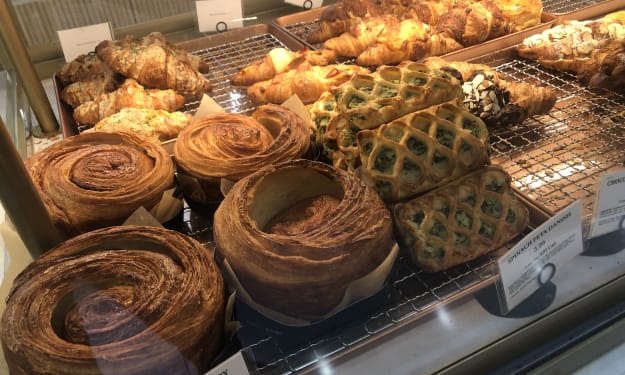
As someone who lives in a rural area, I don't get the chance to visit fancy restaurants or bakeries that often. So, when a friend told me about a French-Asian bakery that's less than an hour away, I knew I had to check it out and grab some pictures for social media. Tous les Jours ended up providing an immersive experience that went above and beyond my expectations--although I did leave with a few reservations.
By Kaitlin Shanks16 days ago in Feast
New Ways to Save on the Grocery Budget
With rising grocery prices and stagnant wages, it is time for many people to return to some old tried and true ways of saving money on groceries. While shopping sales and clipping coupons are great choices, there are some other ways that can help you to stretch your grocery budget.
By Brandi Brown2 days ago in Feast



Comments
There are no comments for this story
Be the first to respond and start the conversation.