


KitKat is one of the most popular chocolate brands in the world. Known for its crispy wafer layers covered in delicious milk chocolate, KitKat is a favorite snack for people of all ages. Whether you enjoy it with a cup of tea, as a quick snack, or as a sweet treat after a meal, KitKat is loved by millions. In this article, we will explore the history, varieties, and global impact of KitKat in simple and easy English.
History of KitKat
KitKat was first created in 1935 by Rowntree’s, a chocolate company in the United Kingdom. It was originally called “Rowntree’s Chocolate Crisp.” In 1937, the name was changed to “KitKat,” and it quickly became a popular snack. In 1988, Nestlé, a Swiss company, bought the brand and expanded it worldwide. Today, KitKat is sold in more than 100 countries.
What Makes KitKat Special?
KitKat is unique because of its crispy wafer layers covered in smooth chocolate. The combination of crunch and sweetness makes it different from other chocolates. The famous slogan, “Have a break, have a KitKat,” encourages people to enjoy a KitKat during their break time.
Different Varieties of KitKat
Over the years, KitKat has introduced many exciting flavors and varieties. Some of the most popular ones include:
Classic KitKat: The original milk chocolate-covered wafer.
Dark Chocolate KitKat: A richer version with dark chocolate instead of milk chocolate.
White Chocolate KitKat: A creamy and sweet alternative to the original.
KitKat Chunky: A thicker and bigger version of the classic KitKat, perfect for those who want more chocolate.
Flavored KitKat: In different countries, KitKat has introduced unique flavors such as matcha green tea (Japan), strawberry, caramel, and even wasabi!
How KitKat is Made
KitKat is made using high-quality ingredients to ensure a great taste. The process includes:
Making the Wafer: Thin layers of wafer are baked until they are crispy and golden.
Adding the Chocolate: The wafers are then coated in smooth and melted chocolate.
Cooling and Packing: The chocolate-covered wafers are cooled, cut into bars, and packed before being sent to stores worldwide.
KitKat Around the World
KitKat is loved by people all over the world, but different countries have their own special versions. For example:
Japan: Japan has over 300 flavors of KitKat, including green tea, sweet potato, and even sake (a Japanese rice wine).
United States: In the U.S., KitKat is known for seasonal varieties like pumpkin spice during Halloween.
United Kingdom: The UK enjoys traditional KitKat bars as well as limited-edition flavors like mint and orange.
Why People Love KitKat
KitKat is not just a chocolate bar—it is an experience. Here are some reasons why people love it:
Crunchy and Delicious: The crispy wafer and smooth chocolate make it a perfect snack.
Easy to Share: KitKat bars can be easily broken into pieces and shared with friends and family.
Available Everywhere: You can find KitKat in supermarkets, vending machines, and convenience stores worldwide.
Exciting Flavors: With so many different flavors, there is always something new to try.
Fun Facts About KitKat
KitKat was the first chocolate bar to be taken into space by astronauts.
In Japan, KitKat is often given as a good luck gift to students before exams.
The name “KitKat” sounds like “kitto katsu” in Japanese, which means “surely win,” making it a symbol of good luck.
Conclusion
KitKat is one of the most popular and beloved chocolate bars in the world. With its crispy wafer, smooth chocolate, and variety of flavors, it has become a favorite snack for many people. Whether you enjoy the classic version or a special flavor, KitKat is a delicious treat that brings joy to chocolate lovers everywhere.
So, next time you need a break, remember the famous slogan: “Have a break, have a KitKat!”
About the Creator
Farhan Sayed
Hi, I’m Farhan Sayed 🌹! I’m here to share stories, thoughts, and maybe sprinkle a little magic along the way. ✨
💡 Passion for:
Exploring new ideas 🧠
Writing from the heart ❤️
Inspiring and connecting with amazing souls like you 🌍
Keep reading
More stories from Farhan Sayed and writers in Feast and other communities.
Centers for Disease Control and Prevention (CDC)
The Centers for Disease Control and Prevention (CDC) is a national public health agency in the United States. It plays a major role in keeping people safe from diseases, improving health, and preventing health emergencies. The CDC works on research, education, and response to public health threats. In this article, we will discuss the history, functions, and importance of the CDC in simple and easy English.
By Farhan Sayedabout a year ago in Lifehack
Eat During Chinese New Year
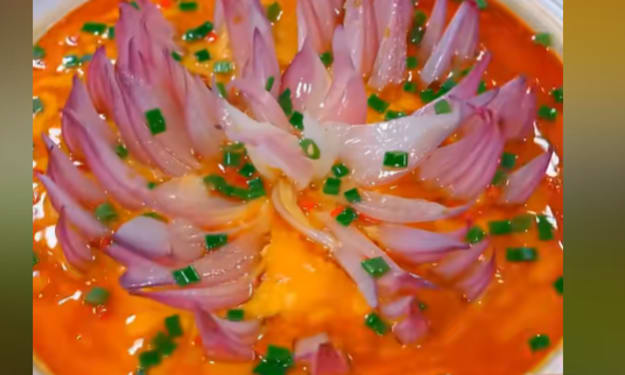
The Chinese New Year feast is traditionally abundant with meat dishes, but these 15 vegetarian recipes prove that plant-based eating can be just as festive, flavorful, and meaningful. Each dish carries auspicious symbolism while delivering incredible taste that will have everyone reaching for seconds—even the meat lovers at your table. From crisp greens to creative vegetable transformations, these recipes are designed to impress.
By yue . shui2 days ago in Feast


Comments
There are no comments for this story
Be the first to respond and start the conversation.