
Chestnuts, Olives, Apples, and Orujo
Autumn festivals celebrate the summer's bountiful harvests in thriving and time-honoured traditions all over Spain.


The season of summer parades, outdoor concerts, and tomato and wine fights are over as the days become crisper and shorter and the leaves turn to gold. The olives hang ready and ripe on their trees, the grapes have been crushed, and the saffron harvested. Light rains are dampening the forest floors, stirring the undergrowth as fungus emerges from the rotting leaves in a variety of shapes and colours.
The aromas and flavours of a Spanish autumn are roasted chestnuts, tongue curling new wine, olives and thick freshly pressed olive oil on freshly baked bread, cured pork and earthy paprika chorizo, crisp sweet apples, soft figs, and chewy dried fruits.
With the relentless expansion of agribusiness and massive industrial farms, the local food traditions and agritourism that are celebrated with passion all over Spain are now more important than ever. Every region, province, city, town, and possibly, village in the country can claim a culinary specialty. Spaniards take great pride in their ability to appreciate and create quality produce, and their amazing catalogue of dishes owes its variety to a long history of hardworking farmers and inventive and resourceful housewives.
O Magosto
Festivals that revere the harvests retain an echo of paganism about them that takes us back to the pre-Christian observances of the Earth’s cycles. The magosto festivals celebrate the season of the chestnut in northern Spain alongside other autumnal delights such as walnuts, almonds, acorns, apples, pomegranates, and quince. Locals show off their skills with delicious artisanal products in the form of chestnut brandy, chestnut cream, chestnut cake, chestnut bread, and chestnuts in sweet syrup. Every village, town and city in Galicia has its bonfires, nuts roasting in large barrels, or in the flames of the fires.

During late October and early November, the forest floors are scoured for the spiky cupules that have turned brown and split open to reveal a smooth brown gem. Whole communities and families turn out to gather chestnuts from trees that are hundreds of years old and which have played an important part of the economy in Galicia for generations, even used as currency for land taxes and rent during the Middle Ages.
Before the introduction of corn and potatoes from the Americas in the 17th century, chestnuts, “the bread of the poor”, were a staple food in all dishes: in soups and stews, roasted, ground into flour, in desserts and as the main ingredient in most meals much as potato has become since. There are still places in Galicia where they call potatoes ‘chestnuts’ in the same way as potatoes are called ‘earth apples’ in French.
In Ourense, the magosto takes place around St Martin’s Day on the 11th November which has been the traditional day of pig slaughtering in many regions around Spain. The Matanza del Cerdo is still practiced in many small villages, supplying the families with meat for the winter, inspiring the adage: “A todo porco lle chega o seu san matino.” (Every pig gets its St Martin's day), meaning every wrong doer will be held to account.

Liquid Gold
Andalusia in southern Spain is olive country. It is the world’s largest olive oil producing region and the province of Jaen is the largest olive oil producer in Andalusia. In fact, Andalusia accounts for ¾ of Spain’s annual olive oil exports, producing more green gold than Italy, Greece and Türkiye combined, and Jaen boasts the largest human made forests in the world with more than 66 million olive trees.
The picturesque, white-washed villages in the region, such as Zuheros, are surrounded by a blanket of geometrically neat rows as far as the eye can see. The arid lands receive little rainfall and temperatures regularly hit the late 40s in the summer (115+F) which make olive trees hardy plants. However, with the climate becoming increasingly harsh, droughts and high heat are producing dehydrated olives and demand is beginning to outstrip supply.
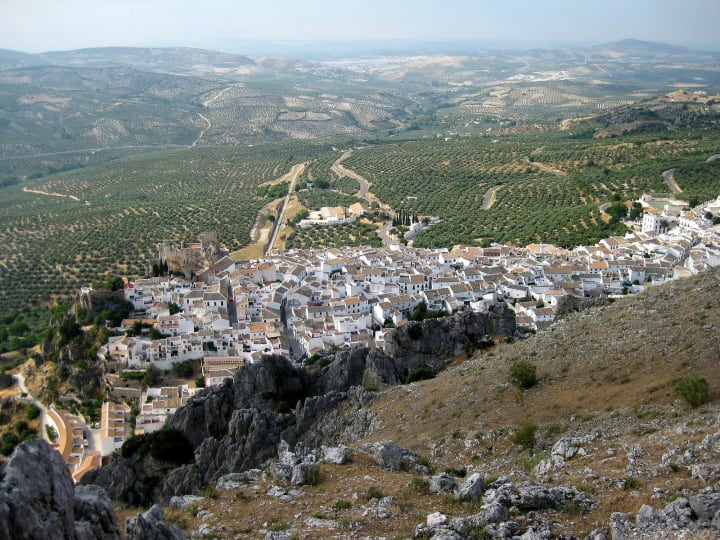
Despite the recent below average yields, the olive harvests of October and November are a time for communities to celebrate the fruits of their labour. Between 9-11 November, Baena, Cordoba, holds the world’s largest festival of olive oil and olives, in las Jornadas del Olivar y el Aceite, with tastings, conferences and competitions.
The Martos Olive Festival in Jaen takes place early December where you can enjoy their famous “hoyos” – local virgin olive oil generously drizzled on bread. Visitors are given gift bags of bread, a mini bottle of oil, a handful of olives, a water bottle, and a piece of salted cod to lunch on in the park. Market stalls offer artisanal goodies such as cheese, cured meats, and of course a wide variety of olive oils.
During the Martos Olive Festival, there are over 40 activities around the cultivation of oil including an old olive press demonstrating the traditional way of grinding olives. Throughout the provinces of Jaen and Cordoba, there are guided grove tours you can join, with visits to olive mills and tastings. For those who are looking for a more hands on experience, there are opportunities to participate in the harvest and learn how to prepare local dishes.
Esperiega Apples
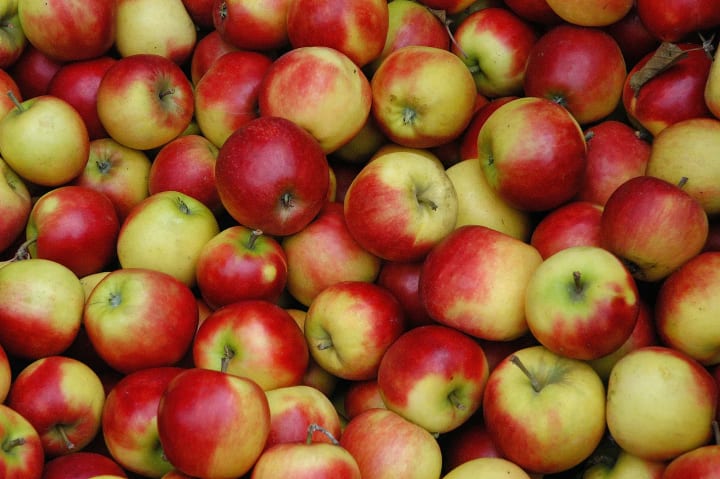
Towards the end of November, Rincón de Ademuz’s Apple Festival honours the esperiega variety unique to this corner of Valencia. The ideal climate in this area and the fertile deep soils produce the fruit’s crunchy sweet flavour which makes it a perfect dessert apple. Its cultivation is still carried out in the traditional way, from pruning, irrigation and the harvesting which takes place from the end of October to the end of November.
There are plenty of stalls set up during the fiesta that sell apples and every conceivable apple-based edible, as well as other locally made products. Competitions, exhibitions, tapas tastings in several bars and restaurants, exhibitions, music, traditional dances, guided botanic walks, and workshops make for a fun experience even for those who aren’t so into apples. Or take a tour around the town visiting its many historic buildings and sculptures by following the apples painted on the streets.
Orujo
In the Liébana region of Cantabria in the Picos de Europe, the small town of Potes is nestled at the confluence of the two rivers and four valleys that create a microclimate perfect for grape growing. These grapes are turned into a fiery drink known as orujo, a colourless spirit with over 50% alcohol content, likely to originate in the monasteries of Liébana during the Middle Ages. Since then, it has become popular in many parts of Spain, particularly in the north, and every second weekend in November the townsfolk of Potes show off their traditional fire water in the Orujo Festival.
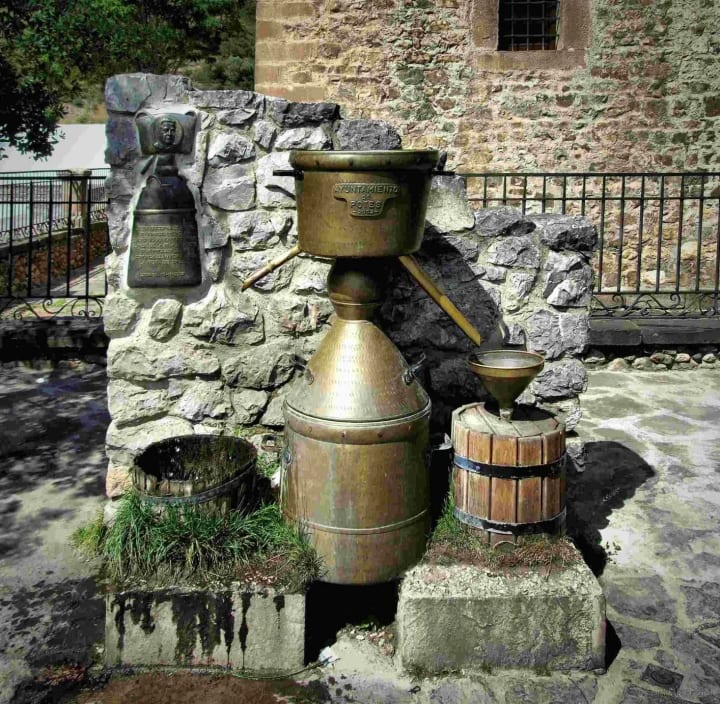
Orujo is made from the residue of the grapes after they’ve been crushed. The skin, seeds and the stalks are all used in the fermentation process and then distilled over an open fire in copper kettles called alambiques for at least six hours. The orujo that is aged in oak barrels for a few years creates a golden-coloured variety similar to brandy.
Many families choose to make their own orujo from what remains of the grapes after they’ve been pressed for wine and often flavour them with sloe, cherries, herbs, flowers or honey. During the festival, homemade stills without a licence are allowed to be set up on the streets on the condition that all the alcohol they make be consumed during the festival and not be sold.
The festival is an opportunity to try other local food products such as the Picón cheese and Borono black pudding and on the last day, the Distillery of Honour award is given to the best tasting orujo from among the county’s main distilleries.
A time-honoured tradition
All over Spain, autumn food festivals and fairs recognise time-honoured transformations of the summer crops into alimentation that have seen communities through the cold winter months for thousands of years.
The olive becomes oil, a preserver, lubricant, antimicrobial medicine, fuel, and a source of important and nutritious calories. Grapes become wine and spirits; fruits, vegetables, and pulses are dried, jarred and preserved. Animals are sacrificed, their meat dried, salted, and fermented, their blood made into sausages. Sheep and cow’s milk is transformed into cheese. Nuts and mushrooms are collected and turned into delicious meals.
Autumn harvest festivals in Spain are the time to celebrate real food and the changing seasons, and there are plenty to choose from. Here are a few more:
- The Autumn Fair of Biescas in Huesca, Aragon, holds cheese competitions among the best cheese producers from around the country.
- The Festival of Ham in Campillos, Malaga, pull out all the pig products in November.
- The Festival of Chestnuts and Wine in Yuquera, Malaga, is also worth a visit at the end of October for its grape treading, artisan products and traditional costumes.
- During the Bean Festival in Tolosa, Guipuzcoa, they indulge in blood pudding, wine and chillies and hold contests of the bean dishes.
- Fiesta de las Castañas, Alpujarra de la Sierra.
- Mosto Festival, Atajate, Malaga.
- Mushroom Festival, Constantina de la Sierra, Seville.
- Fiesta del Mosto, Serrania de Ronda.

This article was originally published in Food and Fiesta.
Subscribe for a FREE weekly newsletter.
About the Creator
Kimberley Silverthorne
Freelance writer based in the UK after 20 years in Spain. I write about the fascinating festivals and culinary delights of Spain at Food and Fiesta and the woes of food education around the world (among other things) at A Plot to Hatch.
Keep reading
More stories from Kimberley Silverthorne and writers in Feast and other communities.
The Fallas Festival of Valencia
My first introduction to Spain in the late 90s was getting off the train at Barcelona and immediately having my wallet lifted from my coat pocket. The city was dusty and the hostel where I was staying, dirty and shady. Needless to say, I wasn’t impressed and my sour mood reflected badly on the city. I decided to move on. My second impression of Spain was Valencia in the throes of its Fallas Festival. And wow, it was just what I needed! The whole town seemed to be throwing one long crazy party. There was noise, smoke, giant weird-looking caricatured sculptures, and lots of street food. This was ‘Spanish fiesta’ at its most superlative.
By Kimberley Silverthorne3 years ago in Feast
Australia Fish and Seafood Market 2026: Sustainable Consumption, Aquaculture Growth & Premium Seafood Demand
Australia Fish and Seafood Market Australia’s fish and seafood market is expanding steadily as consumers increasingly prioritize high-quality protein sources and sustainable food options. Fish and seafood products—including salmon, tuna, shrimp, shellfish and other marine species—play a vital role in the Australian diet due to their nutritional value and culinary versatility. Growing awareness of seafood’s health benefits, particularly its omega-3 fatty acids, vitamins and minerals, is driving consumption across households, restaurants and foodservice channels.
By Amyra Singhabout 6 hours ago in Feast
Why Matar Paneer Is India’s Ultimate Vegetarian Curry
There are some dishes that do more than just satisfy hunger — they create memories. For many Indian families, Matar Paneer is one such dish. It is warm, comforting, and deeply rooted in North Indian cuisine. Whether served during a Sunday family lunch or at a festive gathering, this simple yet rich curry has a way of bringing people together.
By Gaurav Gupta2 days ago in Feast


Comments
There are no comments for this story
Be the first to respond and start the conversation.