
6 Types of Dishes Restaurants Rarely Wash Before Cooking – A Hidden Health Hazard You Should Stop Ordering!
6 Types of Dishes Restaurants Rarely Wash Before Cooking – A Hidden Health Hazard You Should Stop Ordering!
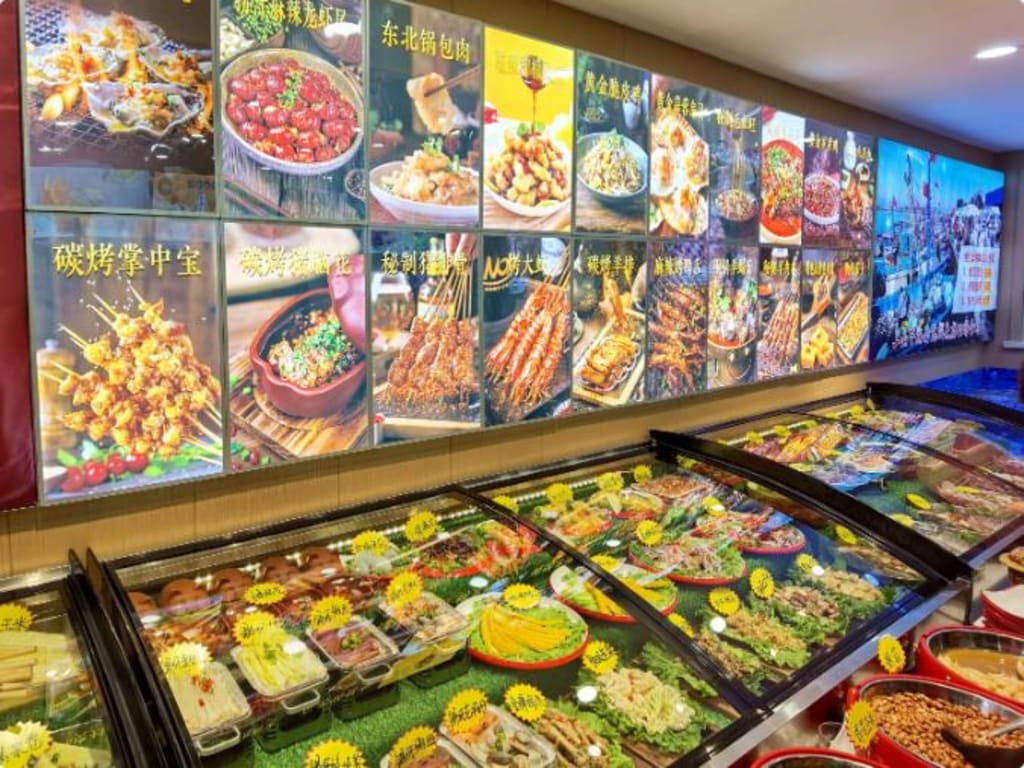
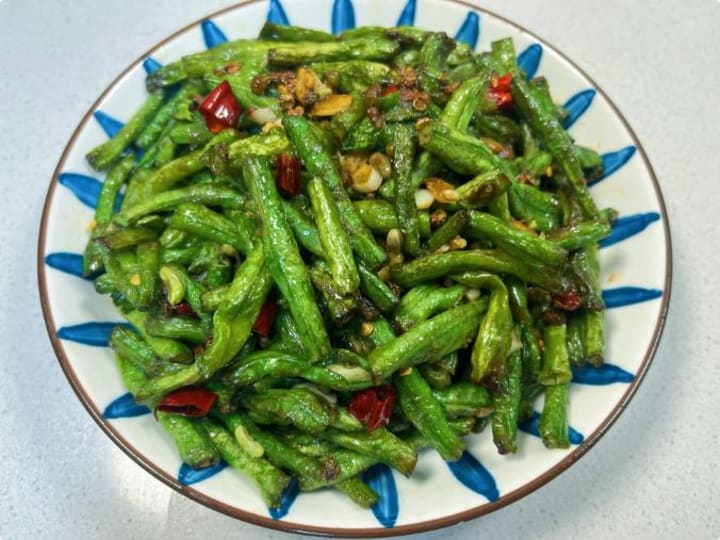
With a sizzle, Chef Li from the kitchen tosses a handful of vibrant green beans straight into a wok of boiling oil. As the spatula flips, an enticing aroma fills the air. The curious girl next door asks, "Chef Li, aren’t you going to wash the beans?" Without even looking up, he replies, "Wash them? No need! They’ll get soggy, lose their crispness, and waste time!"
This scene is a common snapshot behind the scenes in countless restaurant kitchens. As we sit at beautifully set tables, salivating over glossy, mouthwatering dishes, have we ever considered that some of these ingredients skip the crucial step of being rinsed under water? Among them, six types of vegetables are notorious for making the "no-wash list" in professional kitchens. They may appear clean, but beneath their pristine exteriors lurk hygiene risks, quietly making their way onto our plates.
1. Green Beans
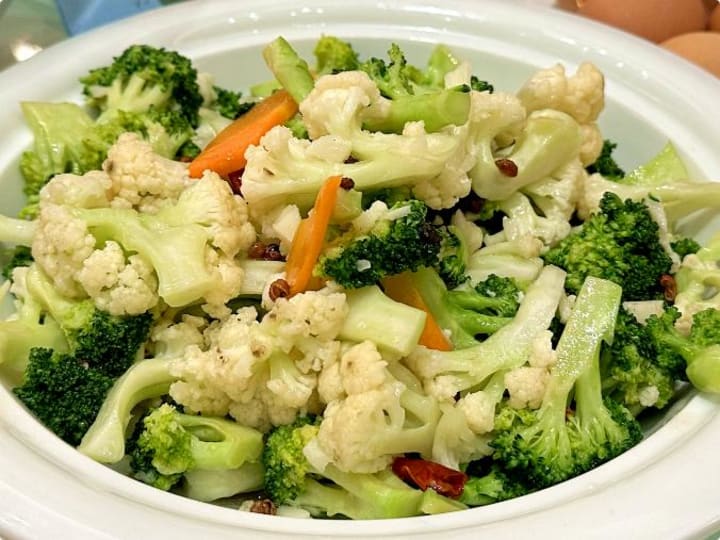
Their smooth surface often tricks chefs into thinking, "They look clean enough." But this glossy facade is precisely the trap. Pesticides from farming and airborne dust cling easily to their skin. Even more alarming, undercooked green beans contain natural toxins called saponins. When combined with the double negligence of skipping both washing and thorough cooking, the consequences range from stomach upset to dizziness and vomiting. That plate of enticing stir-fried green beans carries a heavier risk than meets the eye.
2. Cabbage
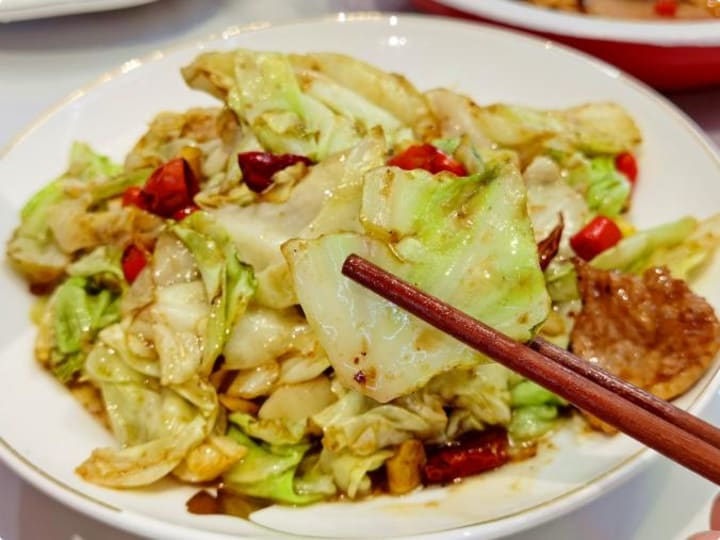
With its tightly wrapped layers, many assume that peeling off the outer leaves reveals a clean core. However, pesticides and contaminants can seep into the inner leaves through rainwater or irrigation. Upon closer inspection, tiny insect eggs or traces of soil may still linger. To save time, chefs often chop it directly into the wok, turning those densely packed layers into perfect hideouts for dirt and chemical residues.
3. Cauliflower
Its intricate structure, with tiny florets forming a natural labyrinth, makes it an ideal refuge for insect eggs and grime. In a fast-paced kitchen, who has the patience to break it apart and rinse each floret? The usual practice is a quick rinse—or worse, tossing it straight into the pan. Water can’t penetrate its dense clusters, leaving pesticides, eggs, and dust undisturbed. That pristine white cauliflower is, in truth, the poster child of "no-wash risks."
4. Enoki Mushrooms
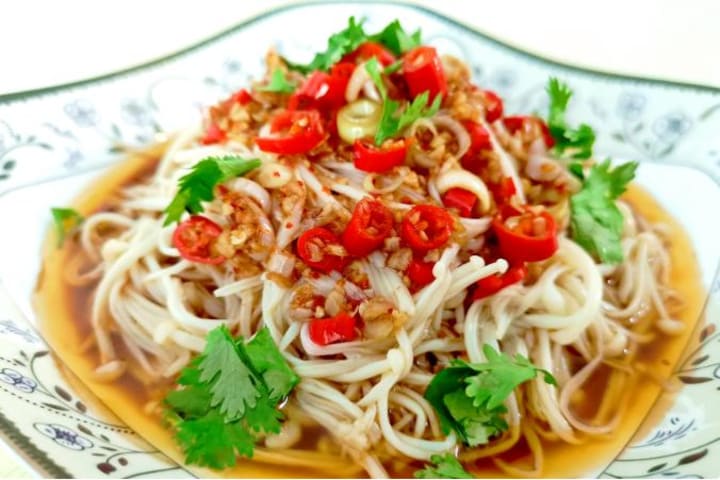
Often marketed as "factory-produced and pre-cleaned," with packaging boldly stating "ready-to-cook," these mushrooms give chefs an excuse to skip washing. But factories aren’t sterile, and transportation isn’t foolproof. Residual growing medium at the base or potential contamination during packaging—can a mere "no-wash" label erase those risks? When those tender mushrooms slide into your soup, their deliciousness comes with a side of uncertainty.
5. Oyster Mushrooms
Their soft, frilly caps are natural traps for dirt and debris. Sawdust or substrate remnants from harvesting often cling stubbornly in their grooves. Restaurants typically tear them apart and toss them straight into dishes, as water struggles to reach deep into the folds. In a rush, they might even go straight into the pan. Those delicate ridges may harbor grit, waiting silently for an unsuspecting diner’s bite.
6. Lettuce
Commonly served raw in salads, lettuce should, in theory, undergo the most thorough washing. Reality, however, tells a different story. To preserve its crisp texture and prevent wilting, many establishments opt for a quick soak rather than a proper rinse, leaving soil and eggs nestled in its veins. When that vibrant green lettuce arrives at your table untouched by running water, the "fresh" appeal comes with hidden shadows.
These "no-wash" practices, seemingly all about efficiency, actually reflect a lack of hygiene awareness. Not all restaurants operate this way—conscientious ones adhere strictly to protocols and treat ingredients with respect. But as diners, being informed means staying protected. While culinary delight matters, health is the non-negotiable foundation. The next time you’re tempted by that glistening plate of stir-fried beans, hand-torn cabbage, or mushroom soup, remember the skipped step in the kitchen—some risks could have been washed away with a simple stream of water.
Why This Matters Beyond the Kitchen
The issue of unwashed vegetables isn’t just about individual restaurants—it’s a systemic challenge tied to time constraints, cost-cutting, and sometimes, plain oversight. In busy commercial kitchens, every second counts, and washing can be seen as a bottleneck. However, the trade-off between speed and safety is one that consumers unknowingly pay for.
The Science of Surface Contaminants
Studies show that produce like cabbage and lettuce can harbor not just dirt and pesticides but also harmful bacteria like E. coli and Salmonella, especially when grown in fields exposed to contaminated water. Rinsing under running water reduces but doesn’t always eliminate these risks—which is why skipping it entirely is a gamble.
The Illusion of "Pre-Washed" Labels
While some packaged vegetables claim to be pre-washed, food safety experts advise giving them an additional rinse. The production line isn’t flawless, and storage conditions post-packaging can reintroduce contaminants.
What Can Diners Do?
• Ask questions: Inquire about washing practices when ordering salads or lightly cooked veggies.
• Opt for cooked dishes: Heat can kill some pathogens, making stir-fries safer than raw preparations.
• Support transparent eateries: Restaurants that prioritize food safety often highlight their practices—patronize them.
Final Thought
The allure of restaurant food lies in its flavor and convenience, but awareness is the first step toward safer dining. While we can’t control every kitchen’s practices, we can choose wisely, advocate for better standards, and never underestimate the power of a simple wash. After all, the best meals are those enjoyed without a side of regret.
About the Creator
My Tous les Jours Trip
As someone who lives in a rural area, I don't get the chance to visit fancy restaurants or bakeries that often. So, when a friend told me about a French-Asian bakery that's less than an hour away, I knew I had to check it out and grab some pictures for social media. Tous les Jours ended up providing an immersive experience that went above and beyond my expectations--although I did leave with a few reservations.
By Kaitlin Shanks24 days ago in Feast
White Mushroom Market Size and Forecast 2025–2033
Introduction White mushrooms—scientifically known as Agaricus bisporus—are no longer confined to salads, pizzas, and soups. Once considered a humble kitchen staple, they are now emerging as a strategic crop in the global agrifood ecosystem. Driven by sustainability trends, plant-based eating, and rising health consciousness, white mushrooms have carved out a powerful position in both consumer markets and foodservice industries.
By jaiklin Fanandish4 days ago in Feast
Silver Screen Magic with Mae West
American actress and singer Mae West became a popular film actress during the Great Depression. She started entertaining in vaudeville, then performed on Broadway, and finally went to Hollywood. She signed up with Paramount Pictures and made her debut in the 1932 film “Night After Night.” She also starred in musicals, comedies, and crime dramas. The American Film Institute named her one of the best classic Hollywood actresses.
By Rasma Raisters7 days ago in Geeks




Comments
There are no comments for this story
Be the first to respond and start the conversation.