
1930's Peanut Butter And Pickle Sandwhich Recipe
And Strange History

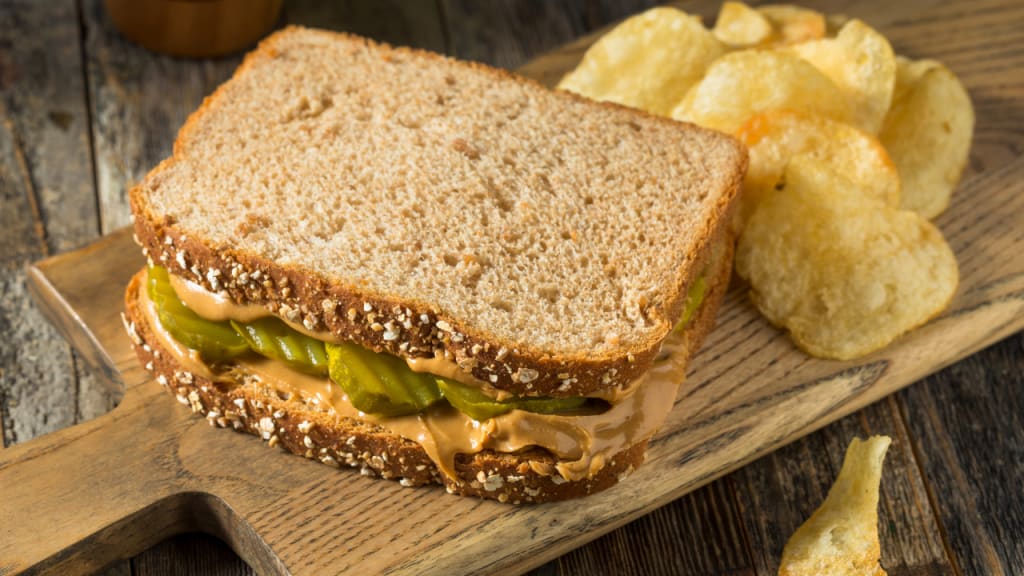
It’s hard to imagine now, with grocery aisles stocked to the brim and endless meal delivery apps at our fingertips, but there was a time when putting food on the table was a daily struggle. During the Great Depression of the 1930s, millions of families in America faced severe economic hardship, and meals became less about flavor and more about survival. It was in this era of ingenuity and necessity that the humble peanut butter and pickle sandwich found its moment.
At first glance, the combination seems almost absurd. Peanut butter: rich, creamy, and protein-packed. Pickles: briny, tangy, and sharp. Together? Well, you might think that’s a clash waiting to happen. But for families scraping by, it was a revelation. Both ingredients were affordable, had long shelf lives, and offered a balance of nutrition and flavor that made even the toughest days a little more bearable.
Why It Worked
Peanut butter became a staple in American households during the Depression because it was cheap and packed with calories. Just a few spoonfuls could provide a day’s worth of energy for a hardworking individual. Meanwhile, pickles—often homemade from garden-grown cucumbers—offered a zippy punch that could brighten up the monotony of a repetitive diet.
The pairing was also practical. Bread was inexpensive and could stretch a meal further. And when butter and jam were too pricey to keep on hand, a jar of peanut butter and a jar of pickles could last weeks, making them a budget-friendly duo for sandwiches. The result? A quirky, oddly satisfying meal that stood the test of time.
The Sandwich That Stuck Around
What’s remarkable about the peanut butter and pickle sandwich is that it didn’t fade away after the Depression ended. Instead, it became a cult favorite, passed down in families like a secret handshake. For some, it’s pure nostalgia—a bite that takes them back to their grandmother’s kitchen. For others, it’s a newfound curiosity, a culinary dare that actually pays off.
How to Make It: The Perfect Peanut Butter and Pickle Sandwich
If you’re ready to step back in time (and maybe out of your comfort zone), here’s how to make this Depression-era classic:
Ingredients:
2 slices of bread (white or whole wheat, your choice)
2 tablespoons peanut butter (creamy or crunchy, but creamy is traditional)
3-4 dill pickle slices (chips work best for even layering)
Instructions:
Spread the Peanut Butter: Generously spread peanut butter on one side of each slice of bread. Don’t skimp—you want that creamy base to balance the tanginess of the pickles.
Add the Pickles: Lay the pickle slices evenly over one slice of bread. Be sure each bite will get a little pickle magic.
Assemble: Place the second slice of bread on top, peanut butter side down. Gently press together.
Slice and Serve: Cut the sandwich in half (diagonal is classic, but we won’t judge if you go straight down the middle) and dig in.
Optional: If you’re feeling adventurous, try toasting the bread first for a warm, crunchy twist!
A Taste of History
Eating a peanut butter and pickle sandwich isn’t just about satisfying your curiosity or taste buds. It’s a way to connect with a piece of history, to honor the resilience and resourcefulness of those who came before us. It’s a reminder that even in the toughest times, creativity and practicality can come together to create something unexpectedly delightful.
So, the next time you’re staring at your pantry wondering what to make, take a cue from the past. Give this quirky sandwich a try. Who knows? You might just find yourself craving it again… and again.
About the Creator
Ridleys Recipes
I write recipes that bring warmth, nostalgia, and a dash of humor to your kitchen. From vintage favorites to creative two-ingredient wonders, food should taste good, feel good, and be easy, even on your busiest days.
Keep reading
More stories from Ridleys Recipes and writers in Feast and other communities.
Poor Man's Prime Rib Is So Juicy And Garlicky Good You'll Never Know It's Not Expensive
I don’t know many people who don’t absolutely love a good prime rib. The rich, beefy flavor, the perfect pink center, and that savory, crispy crust—it’s a meal that feels like pure indulgence. But let’s be real: prime rib is expensive, and not everyone can justify spending that kind of money, even on special occasions. That’s where this poor man’s prime rib comes in. It’s an incredible alternative that will surprise you—not only is it easy to make, but it also tastes remarkably close to the real thing at a fraction of the price. The secret lies in the rub and the cooking method. Your house will smell amazing while it roasts, and when you finally carve into it, you’ll be rewarded with a beautifully pink center and a flavorful crust that rivals any high-end steakhouse. Simply divine!
By Ridleys Recipesabout a year ago in Feast
Kratom Powder Benefits: What Research and Experts Actually Say
Interest in herbal products has grown rapidly over the last decade. People now explore natural botanicals for different wellness routines, and kratom often appears in that conversation. Many online searches focus on kratom powder benefits, but the topic requires careful discussion.
By thomas oshobo5 days ago in Feast
Titan Submersible Disaster Investigation: Structural Failure Caused Catastrophic Implosion
The tragic loss of the Titan submersible has been attributed to a catastrophic structural failure that caused the vessel to implode under immense deep-sea pressure, according to the findings of a detailed investigative report. The report concludes that all five individuals aboard the submersible died instantly when the vessel’s hull collapsed thousands of meters beneath the surface of the Atlantic Ocean.
By Irshad Abbasi 3 days ago in Feast



Comments
There are no comments for this story
Be the first to respond and start the conversation.