Nature
When the Guadalupe Roared—and the Rumors of “Weather Editing” That Followed
On July 4, 2025, Central Texas residents expecting typical Independence Day river relays were met instead with a scene of raw power and devastation. A series of slow-moving storm cells dumped between 5 and 10 inches of rain over the upper Guadalupe watershed in under six hours. The normally placid Guadalupe River rose from near-normal to more than 12 feet at Comfort—well above major-flood stage—sweeping away picnic tables, riverfront cabins and, tragically, claiming two lives. As floodwaters receded and communities rallied to rebuild, a persistent current of speculation emerged: Was this disaster “natural,” or the product of clandestine weather-editing programs?
By Briar Rose7 months ago in Earth
Whispering Valley
In the heart of Aethelburg, a city made of steel, glass, and the quiet hum of electronics, lived Lyra. Her world was clean, calibrated, controlled. The air in her apartment carried the scent of synthetic pine—pleasant, but soulless. The lighting? Perfectly tuned, like everything else. And through her window, the transport pods danced between the towers like fireflies under strict command.
By anass ammour7 months ago in Earth
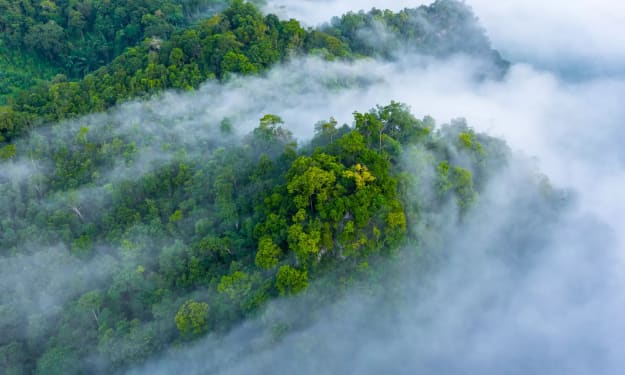
Why People Enjoy Being in the Forest
Many people love spending time in forests for many reasons. Forests give a strong feeling of calm, help people feel better physically and mentally, and help us feel connected to the natural world. From the soft sound of leaves under your feet to the fresh smell of pine trees, forests give us something we can't find easily in busy cities. Research shows that spending time among trees is good for our minds and bodies.
By Blue Spartan7 months ago in Earth
Five Minutes Before the World Ended
Five Minutes Before the World Ended 00:05:00 The clock on the kitchen wall kept ticking. Five minutes. Lena’s coffee had gone cold, untouched, as she stared at the television, her pulse pounding in her ears. The broadcast had been repeating the same phrase for the last ten minutes:
By Huzaifa Dzine7 months ago in Earth
Saving Our Planet from the Heat
The Earth, our shared home, is heating up. From melting glaciers in the Arctic to raging wildfires in Australia and deadly heatwaves in cities around the world, the signs of global warming are all around us. This crisis is not just about warmer summers—it’s about rising sea levels, food insecurity, loss of biodiversity, and threats to human health. Yet, amid this growing concern, there is hope. By understanding the causes and embracing practical, science-backed solutions, we can still save our planet from the heat.
By Leah Brooke7 months ago in Earth
Pollution and their Effects on the Environment
Pollution: Ang unwanted and undesirable change in the environment that affects the atmosphere and disturbs the ecosystem is called pollution. The addition of certain contaminants or pollutants to the environment is also called pollution Animals, plants, humans and all other organisms suffer due to pollution. The major types of pollution can be categorized as follows. Air Pollutants and their sources: Pollution began to be recognized as a serious threat during the industrial revolution of the 19" century. During this period, burning of fossil fuels in the factories and industries led to a high level of waste gases in the air. Like other forms of pollution, air pollution has dangerous effects on the environment. During air pollution, harmful pollutants are released into the air. These harm all living organisms. It may be man made of natural Carbon monoxide (CO), sulphur dioxide (50,), oxides of nitrogen (NO and NO) chlorofluorocarbons (CFCs), etc, are the main air pollutants, produced by human activities and natural sources. Harmful effects of air pollutants: 1. Acid rain: Chemical reactions involving air pollutants can create acidic rain compounds which con cause damage to vegetation and buildings. Acid rain can destroy leaves of plants 2. Eutrophication: Rain can carry oxides of nitrogen to rivers and soil. This can cause abnormal growth of algae in water bodies making conditions for ather aquatic organisms very difficult to live. 3. Ground level ozone: Chemical reactions involving air pollutants create poisonous ozone (O3) gas, which effect People's health and can damage plants and animal's Life. Effect of Human Activities on Human environment: Generally human activities such as ute of vehicles, burning of fuels, aerosol sprays, fertilizers, water products, insecticides and deforestation are affecting environment. These actions con cause degradation of habitats and also result in the depletion of natural resources. Green House Effect: When the UV (ultraviolet) radiations enter the earth, a part of it is absorbed by the earth and the rest are reflected back to the atmosphere. Some gases present is the atmosphere eg: carbon dioxide, methane, asides of nitrogen, water vapors, etc. trap a part of the heat reflected by the earth, causing an increase in the atmospheric temperature. This atmospheric effects is known as greenhouse offer. The gases involved in the green house effect are called green house gases. e.g carbon dioxide, carbon monoxide etc. An increase in greenhouse effect can lead to global warming and climate change. Cool burned in power stations contains carbon, which combines with oxygen to form carbon dioxide. Which is also a cause of increase of carbon dioxide concentration in air. Global Warming: Global warming refers to the rise in overage temperature on earth. Due to human activities like burning of fuels, industries vehicles etc, the green house games are continually increasing in the atmosphere and speeding up the green house effect. As result, the earth is getting warmer and warmer this phenomenon is known as global warming Global warming causing the glaciers to melt at an alarming rate. The show on Polar Regions and the mountains melts faster, causing floods and raise in the level of seawater. The climate of many regions of the world is also changing due to global warming. Global warming a serious threat to the life on earth, especially to future generations. Acid Rain: When the quantity of acids increase in the atmosphere, it leads sa acid rain during rainfall. Acid rains are the result of sive carbon dioxide, sulphur dioxide, smoke and nitrogen dioxide in the atmosphere. When these gases come in contact with water vapours, acids such as sulphuric acid, were said t ere formed. These acids make the rain water acidic. Acid rain harms a lot of living and non living things. For example. • Kills the aquatic life in rivers, ponds and lakes. • Destroys the leaves and bark of trees. • Corrodes the metals and stones used in buildings. • Damages the crops. ∆ Depletion of Ozone Layer: The word "Ozone is a Greek ward which means strong odour. Ozone is a gas made up of three oxygen atoms (0, Ozone is formed when sunlight hits oxygen molecules (0) and breaks up them into individual atoms. These individual atoms then combine with O. molecules and make O, or ozone molecules. The upper porn of atmosphere has a fairly high concentration of ozone molecules, known as the ozone layer (Ozone sphere). The ozone layer protects us from harmful ultraviolet (UV) rays of the sun. Chlorofluorocarbons (CFCs) which are used in air conditioners, refrigerators, spray, etc enter the air due to leakage from these appliances. On reaching the ozone layer they break down the ozone molecules and thus cause depletion of the ozone layer. This phenomenon of the ozone layer depletion is not only harmful to human beings but also damages other organisms. Deforestation: Deforestation refers to the cutting and removal of forests for human use. Forests bring favourable characteristics to an area. They stop storms, soil erosion and bring rain. Forests are the main source of timber, firewood, resins, gums, medicines and habitat for large number of plants and animals. However, increasing human population has resulted in the need for increased demand for firewood, construction and more area for harvesting. Human beings are therefore engaged in deforestation. Increase in trade and possibilities of exporting wood items like furniture etc. have speed up the process of deforestation. However, the effects of deforestation are more severe than just the loss of trees. Deforestation is affecting human life to a great extent by bringing about negative changes in the environment and atmosphere. Deforestation causes many problems some of which are: *Air Pollution *Green House effect. *Destroy habitat for wildlife. *Global warming and increasing sea level. *Soil erosion. *Less rain. *Sea animals dying.
By Sherooz khan7 months ago in Earth
The Last Breath of the Amazon
The dawn in the Amazon unfurled like a silent symphony, a green expanse stretching beyond the horizon, where towering ceiba trees pierced the sky, and thick vines clung to their ancient trunks. The jungle, alive with the chatter of howler monkeys, the iridescent flutter of butterflies, and the distant call of harpy eagles, whispered secrets older than time itself. This was a kingdom where every leaf, every creature, played a role in a delicate dance of life.
By Muhammad Aizaz7 months ago in Earth
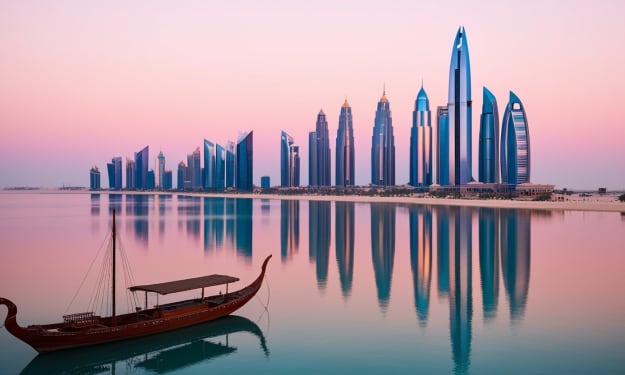
Pearls, Palms, and Sky‑High Dreams: How Qatar Went From Sleepy Peninsula to Global Powerhouse
A Morning That Smells Like Cardamom The encounter starts with the fragrance of gahwa—cardamom-infused coffee—wafting down a cold lane in the souq. For anyone who stops to converse, a vendor in a well ironed thobe provides free little finjan cups. The bright welcome, “Marhaba, my friend—welcome,” strikes as genuine, as do the constantly refilled cups. In Qatar, hospitality is an instinct rather than simply a catchy slogan; it is ingrained from a time long before opulent cars and modern skyscrapers when a pearl diver depended on the kindness of those around the fire for survival.
By Shahjahan Kabir Khan7 months ago in Earth
The essential components of life may have always been present on Earth.
What was the origin of life on Earth? That has been a long-standing question. The solutions are still strewn across rocks, seas, and prehistoric terrain. One hint can be found in phosphorus, a necessary component of life.
By Francis Dami7 months ago in Earth
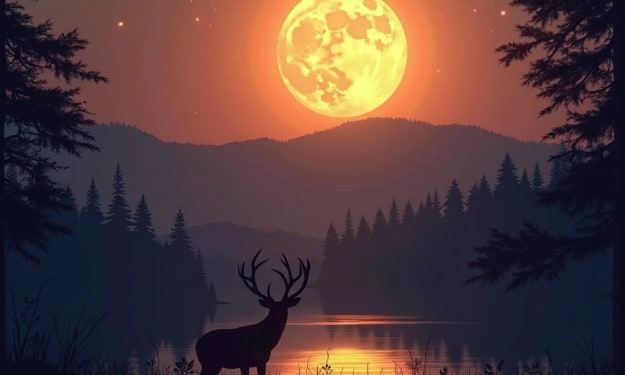
Full Moon July 2025: When To See The ‘Buck Moon’ Rise Where You Are
Get ready to look up this July—because the first full moon of summer is about to rise. On Thursday, July 10, skywatchers across the Northern Hemisphere will witness the full buck moon, a celestial event steeped in seasonal tradition and natural symbolism.
By Muhammad Sabeel7 months ago in Earth