
Full Moon July 2025: When To See The ‘Buck Moon’ Rise Where You Are
Everything You Need to Know About July’s Full Buck Moon—How, When, and Where to Watch This Summer Spectacle

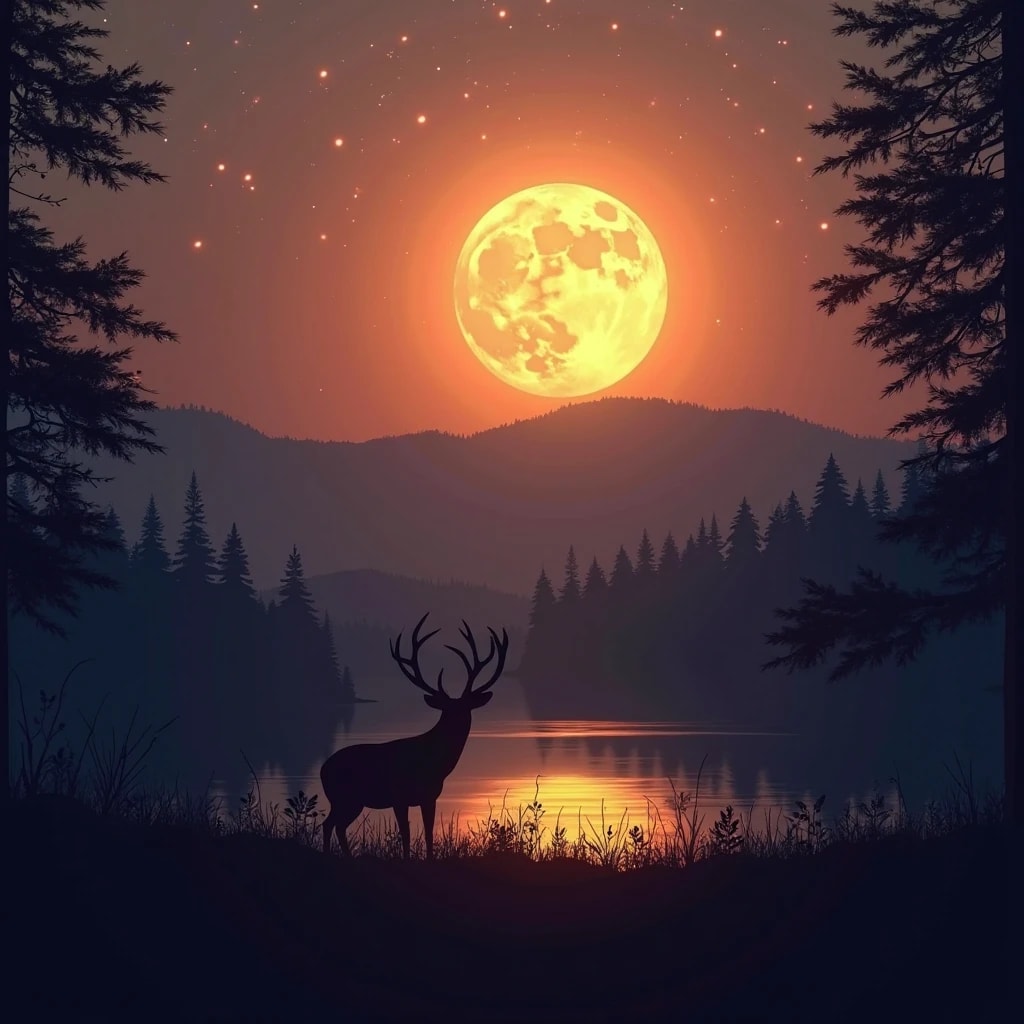
Get ready to look up this July—because the first full moon of summer is about to rise. On Thursday, July 10, skywatchers across the Northern Hemisphere will witness the full buck moon, a celestial event steeped in seasonal tradition and natural symbolism.
This full moon is more than just a dazzling sight. It marks an important phase in the lunar calendar, occurs just weeks after the summer solstice, and holds both cultural and astronomical significance. If you love moonrises, photography, or simply watching nature’s rhythms unfold, this is a moment you won’t want to miss.
Let’s dive into everything you need to know about the buck moon, including what it means, when to see it, and why it hangs so low in the sky.
What Is the Buck Moon?
The buck moon gets its name from a natural occurrence in the animal world: around this time of year, male deer (bucks) begin to grow new antlers, covered in a velvety layer of skin. For many Native American and early European cultures, naming full moons helped track the passing of time and seasons. July’s full moon was therefore dubbed the “buck moon” to mark this stage in nature’s cycle.
But that’s not its only name. In North America, it’s also known as:
The thunder moon (for July’s summer storms)
The hay moon (marking the hay harvest season)
Around the globe, different cultures have their own names and stories for the same moon, making it a powerful example of how astronomy and tradition intertwine.
When and Where to See It
The buck moon will officially become full at 4:38 p.m. EDT on Thursday, July 10, 2025. While the moon will technically reach 100% illumination in the afternoon, the best time to view it is at moonrise that same evening, just after sunset.
Here’s why: a full moon is at its most stunning when it’s low on the horizon, right after it rises. At this angle, it appears larger due to an optical illusion and takes on warm, golden tones—especially beautiful for photography or quiet reflection.
Here are sample moonrise times for July 10:
New York: Sunset at 8:29 p.m. EDT, Moonrise at 8:54 p.m. EDT
Los Angeles: Sunset at 8:07 p.m. PDT, Moonrise at 8:33 p.m. PDT
London: Sunset at 9:16 p.m. BST, Moonrise at 9:46 p.m. BST
To find the best time where you are, consult a reliable moonrise calculator online.
Tip: For the best view, head to an open area with a clear view of the eastern horizon—like a field, beach, hilltop, or even a tall rooftop. Avoid areas with buildings or trees blocking the skyline.
Why It’s One of the Lowest Full Moons of the Year
If the buck moon looks unusually low in the sky, you're not imagining things. Because the moon is always opposite the sun during its full phase, it mirrors the sun’s path.
In July, the sun is at its highest point in the Northern Hemisphere due to the summer solstice. That means its opposite—the full moon—is at its lowest arc, hugging the horizon throughout the night.
This makes the buck moon one of the lowest-hanging full moons of the entire year. It won’t climb high into the sky, but instead will skim just above the treetops, making for a dramatic and poetic view.
A Moon Tied to a Historic Moment
The buck moon is forever linked to one of humanity’s most iconic images. On July 21, 1969, during the Apollo 11 mission, astronaut Michael Collins captured a now-famous photograph from the Columbia command module. It shows the lunar lander Eagle—carrying Neil Armstrong and Buzz Aldrin—on its way back from the moon’s surface. Earth can be seen in the distance, with Collins being the only person not in the frame.
That photo, taken during a buck moon period, is a reminder of our deep connection to the moon—not just as observers, but as explorers.
Where It Falls in the Lunar Calendar
The buck moon is the seventh full moon of 2025, with several more lunar events still to come this year. Here's how the rest of the calendar looks:
Next full moon: The sturgeon moon on Saturday, August 9, 2025
2025 will feature 12 full moons, including:
3 “supermoons” (when the moon is closest to Earth)
2 total lunar eclipses (the next one on September 7–8)
Though this July full moon isn’t a supermoon or an eclipse, its timing, low rise, and rich symbolism make it a must-watch event.
Don’t Miss This Celestial Moment
The full buck moon of July 10 is a seasonal marvel that blends nature, astronomy, and culture. Whether you're stargazing solo, capturing moonrise photos, or sharing the moment with friends around a campfire, it’s a powerful reminder of the steady rhythm of the cosmos.
So mark your calendar, find a quiet east-facing spot, and raise your eyes as the golden moon crests the horizon. The next time you look up at a full moon, you’ll know you witnessed one of summer’s most magical nights.
About the Creator
Muhammad Sabeel
I write not for silence, but for the echo—where mystery lingers, hearts awaken, and every story dares to leave a mark
Keep reading
More stories from Muhammad Sabeel and writers in Earth and other communities.
Humanity’s Rebirth
When the Earth went silent, it wasn’t sudden. It began with small things: fewer transmissions, patchy data, then entire satellite arrays that went dark. At first, the crew of the Aetheris—the last interstellar ark sent from Earth—chalked it up to solar interference or system malfunctions. But deep down, they knew something was wrong.
By Muhammad Sabeel9 months ago in Earth
A building's lifetime climate impact is mostly determined by its daily energy use.
The majority of a building's climate impact is not caused by its construction. As the heating, lighting, and ventilation systems continue to function year after year, it gradually accumulates.
By Francis Dami4 days ago in Earth
Workers Recover 15,000 Crabs After Lorry Crashes Into Field
An extraordinary scene unfolded when a lorry carrying an estimated 15,000 live crabs crashed into a field, spilling its cargo across farmland and prompting a large-scale recovery effort. The unusual accident quickly drew attention from local residents, emergency services, and animal welfare groups, as workers scrambled to rescue as many crabs as possible before they succumbed to exposure.
By Aarif Lashari5 days ago in Earth
Ludacris and Nelly draw backlash over bookings at MAGA-coded music festival
Ludacris and Nelly headlining a mostly right-wing event is good for them. It’s also great for the genre of hip hop. The two rap veterans have showcased their talents on other stages. Why can’t they perform for mostly MAGA folks and grab that bag?
By Skyler Saunders4 days ago in Beat


Comments
There are no comments for this story
Be the first to respond and start the conversation.