
The Tree That Bleeds – Meet the Dragon Blood Tree
An alien-looking tree with crimson sap and ancient secrets hidden within its bark.

When you hear the name Dragon Blood Tree, your imagination might conjure mythical beasts and ancient legends. But this is no fairytale — it’s a real tree, and it actually “bleeds” red sap when cut.
Native to the remote island of Socotra, off the coast of Yemen, the Dracaena cinnabari, better known as the Dragon Blood Tree, is one of the world’s strangest and most visually striking plants. Its umbrella-like canopy looks like something from an alien planet. But it’s the thick red resin inside — resembling blood — that gives it both its name and its mystery.
A Tree Unlike Any Other
The Dragon Blood Tree is part of the Dracaena genus, but its odd, mushroom-shaped crown is completely unique. Its thick branches stretch out like an umbrella, helping the tree collect moisture in one of the driest and harshest environments on Earth.
- Height: Up to 10 meters (33 feet) tall
- Lifespan: Some trees are believed to be hundreds of years old
- Habitat: Endemic to the Socotra archipelago — a UNESCO World Heritage Site
The island is so isolated and untouched that it’s often called the “Galápagos of the Indian Ocean”, and over a third of its plant species can’t be found anywhere else in the world.
Why Does It “Bleed”?
When the tree is wounded — either naturally or by a cut — it produces a dark red resin that looks shockingly like blood. This is why ancient civilizations believed the tree had magical or mystical powers.
But this "blood" is not just for show. The red sap has:
- Antibacterial properties
- Healing agents
- Protective chemicals that help seal wounds and repel insects
Think of it like the tree’s version of a bandage — natural protection against infection and predators.
Used for Medicine, Magic, and War
Dragon's blood has been used for centuries by many cultures. The ancient Greeks and Romans believed it had healing powers. In medieval times, it was used in alchemy and witchcraft.
Common uses included:
- Traditional medicine: Healing wounds, ulcers, respiratory problems
- Dye & paint: Used in pottery glazes and violin varnish
- Rituals: Burned as incense for spiritual cleansing
- Toothpaste & lipstick: In some regions, the resin is used as a red pigment even today
In warfare, some believed the resin gave warriors strength and protection, as if the tree’s ancient power flowed into them.
The Fight for Survival
Despite its beauty and cultural value, the Dragon Blood Tree is now threatened by climate change and overgrazing by goats. The slow-growing trees struggle to regenerate, and younger seedlings are often eaten before they can mature.
Researchers and conservationists are working to:
- Protect existing trees from damage
- Create seed banks for future planting
- Educate locals on sustainable harvesting
Because once the tree is gone, so too is a living link to ancient ecosystems and human history.
Fun Facts You Didn’t Know
- It’s one of the oldest living tree species still surviving in the same form.
- Its canopy collects moisture from the air — helping it survive where rainfall is minimal.
- The red sap was once thought to be the actual blood of dragons killed in ancient battles.
- Artists and craftsmen still seek Dragon's Blood for its deep, rich color in art.
Final Thought
The Dragon Blood Tree isn’t just another plant — it’s a living relic of the past, a symbol of mystery, survival, and the forgotten magic of nature. From ancient healers to modern scientists, it continues to fascinate and inspire those who discover it.
In a world where forests are rapidly disappearing, this bleeding tree stands as a reminder: nature is still full of secrets waiting to be uncovered — if we’re wise enough to protect them.
About the Creator
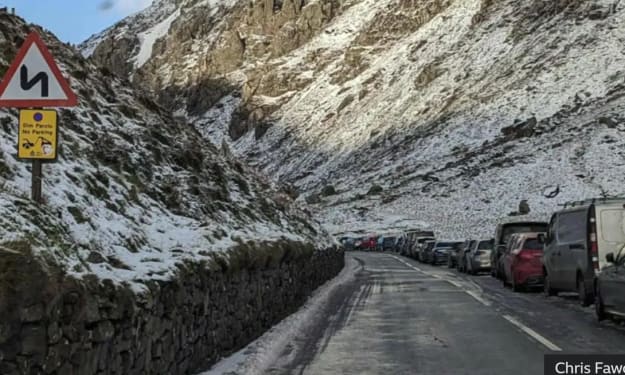
Police Warn Against ‘Ridiculous’ Parking at Beauty Spot Amid Snow Disruption
Heavy snowfall may transform beauty spots into winter wonderlands, but it also brings serious risks when visitors ignore basic safety and parking rules. Police have issued a strong warning against what they describe as “ridiculous” parking at a popular beauty spot, after snow disruption led to blocked roads, stranded vehicles, and delayed emergency access. As wintry conditions continue to affect travel, authorities are urging the public to prioritise safety over scenic photographs, reminding drivers that poor parking decisions can have life-threatening consequences during severe weather. Snowfall Turns Scenic into Hazardous The recent spell of snow attracted large numbers of visitors eager to enjoy picturesque landscapes blanketed in white. Hillsides, national parks, and rural viewpoints quickly became hotspots for walkers, families, and amateur photographers. However, police say the surge in visitors coincided with widespread parking chaos. Cars were left abandoned on narrow roads, grass verges, gateways, and even blocking access routes meant for emergency vehicles and local residents. What may appear to drivers as a harmless decision to “park for just a few minutes” can quickly escalate into a major safety issue—especially when snow and ice reduce road space and visibility. Police Response and Public Warning Local police forces have taken to social media and public statements to express frustration at the situation. Officers described some parking behaviour as not only irresponsible but dangerous, particularly given the weather conditions. Police warned that emergency vehicles, including ambulances and mountain rescue teams, were struggling to reach areas due to blocked roads. In severe weather, response times are already under pressure, and illegally parked vehicles can mean the difference between life and death. Authorities have also made it clear that enforcement action will be taken where necessary. Drivers risk fines, towing, and penalty points if their vehicles obstruct roads or endanger others. Impact on Emergency Services One of the most serious consequences of poor parking during snow disruption is its impact on emergency services. Narrow rural roads, already difficult to navigate in icy conditions, become completely impassable when cars are parked irresponsibly. Fire crews, paramedics, and rescue teams rely on clear access routes, particularly in popular beauty spots where accidents such as slips, falls, or stranded walkers are more likely in winter conditions. Police stressed that emergency vehicles do not have the luxury of “finding another way around” when roads are blocked. Delays caused by inconsiderate parking put both responders and the public at risk. Local Residents Left Frustrated It is not only emergency services that are affected. Residents living near popular beauty spots often bear the brunt of snow-related disruption. Driveways are blocked, access to homes becomes difficult, and essential journeys for work, medical appointments, or supplies are delayed. Many locals report feeling ignored by visitors who treat rural communities like seasonal attractions rather than lived-in areas. During winter weather, this frustration is magnified, as residents may already be dealing with power outages, poor road conditions, and limited access to services. Police have echoed these concerns, reminding visitors that beauty spots are often surrounded by working communities, not just open spaces for leisure. Why Snow Makes Parking More Dangerous Snow significantly reduces road safety margins. It narrows carriageways, hides road markings, and makes verges unstable. A car parked partly on a road might seem manageable in normal conditions, but in snow it can create blind corners, force vehicles into oncoming traffic, or cause skidding accidents. Additionally, snowploughs and gritters require space to operate effectively. Poorly parked vehicles can prevent these essential services from clearing roads, prolonging disruption for everyone. Authorities warn that even experienced drivers can underestimate how quickly conditions can change in winter weather. Social Media and the “Snow Day” Effect Police have also pointed to social media as a contributing factor. Viral images of snow-covered landscapes often encourage spontaneous trips without proper planning. People see beautiful photos and head out without considering parking availability, road conditions, or weather warnings. This “snow day” mentality can overwhelm rural infrastructure not designed for large volumes of traffic, particularly during adverse weather. Police urge visitors to check local advice before travelling and to be prepared to turn back if conditions are unsafe. Advice for Safe Winter Visits In response to the ongoing disruption, authorities have shared clear guidance for anyone planning to visit beauty spots during snowy conditions: Avoid unnecessary travel during severe weather warnings Park only in designated areas, never on roads or verges Do not block gateways, tracks, or emergency access routes Check weather and road conditions before setting off Be prepared to leave if parking is unavailable Police emphasise that no photograph or short walk is worth risking lives or causing serious disruption. Enforcement and Accountability While officers prefer to rely on public cooperation, they have confirmed that enforcement will be stepped up if irresponsible behaviour continues. Vehicles may be ticketed or removed, particularly if they pose a danger or obstruction. Authorities stress that enforcement is not about spoiling enjoyment but about ensuring public safety. Winter conditions demand higher levels of responsibility from drivers, not less. A Shared Responsibility Snow transforms landscapes, but it also tests public behaviour. Police warnings against “ridiculous” parking are not just expressions of frustration—they are urgent reminders that safety must come first. Enjoying nature is a privilege, not a right, especially during extreme weather. By parking responsibly and respecting local communities, visitors can help ensure that beauty spots remain accessible, emergency services remain effective, and winter days do not turn into preventable disasters. As snow disruption continues, the message from police is clear: think before you park, or don’t park at all
By Muhammad Hassan5 days ago in Earth
How Wind Energy Works: A Closer Look with Stanislav Kondrashov
As the world pushes further into the 21st century, the demand for sustainable and clean sources of energy has never been greater. At the heart of this shift is wind energy—a technology as old as the first sailboat, yet as modern as the towering turbines dotting coastlines and countrysides. Stanislav Kondrashov, an independent energy researcher and commentator, has long studied the mechanics and potential of wind power. His insights help demystify what’s often seen as a complex system driven by forces we can’t see.
By Stanislav Kondrashov 6 days ago in Earth



Comments
There are no comments for this story
Be the first to respond and start the conversation.