History
Why TTP Attacks Are Rising in Khyber Pakhtunkhwa: Taliban’s Return, Political Discord, and Pakistan’s Counterterrorism Struggle
Earlier this month, following the viral footage of a militant attack on a military center in Bannu district of Khyber Pakhtunkhwa—showing Major Adnan Aslam of the Pakistan Army risking his life to save a wounded comrade—tributes poured in for his bravery from both public and official quarters. At the same time, many also voiced concerns over the growing wave of militant activities in the province.
By Real content6 months ago in Chapters
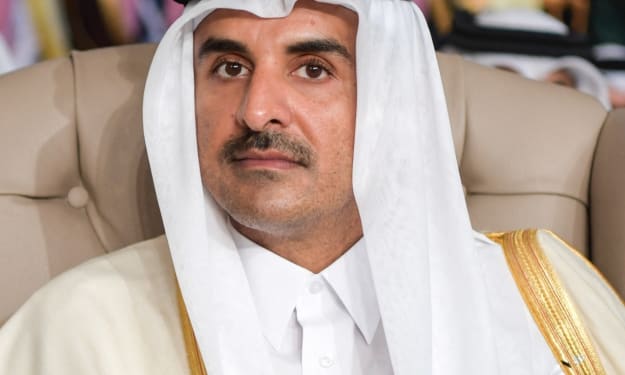
Doha Summit: Arab and Islamic Nations Meet After Israeli Strike on Qatar Amid Abraham Accords Anniversary
Less than a week has passed since the Israeli attack on Qatar, and already a joint summit of the Arab League and other Islamic countries is being held in the capital, Doha. Call it coincidence or something else, but this summit comes on the fifth anniversary of the signing of the “Abraham Accords.”
By Real content6 months ago in Chapters
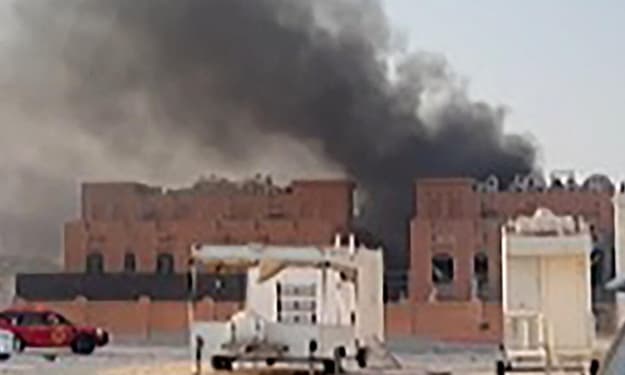
Doha Strike on Hamas Negotiators Threatens Gaza Ceasefire and Regional Stability
The Israeli strike on Hamas leadership in Qatar has dangerously escalated tensions in the region, and analysts believe it has not only undermined ceasefire efforts in Gaza but also dimmed prospects for any new U.S.-led alliances in the Middle East.
By Real content6 months ago in Chapters
It is surprising that the Israeli Prime Minister mentioned Pakistan twice while justifying the attack on Qatar.
It is surprising that the Israeli Prime Minister mentioned Pakistan twice while justifying the attack on Qatar. A video message from Israeli Prime Minister Benjamin Netanyahu — posted on social media over the past few hours — is being widely discussed. He released the message on the occasion of the 24th anniversary of the 9/11 attacks in the U.S., and used that context to justify Israel’s strike in Qatar.
By Real content6 months ago in Chapters
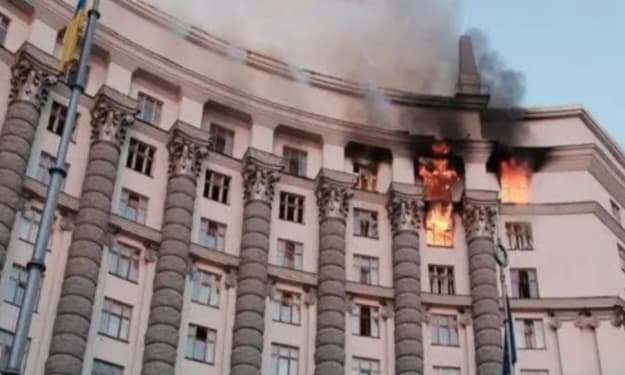
Kyiv Government Building Hit for First Time as Russia Launches Record 800 Missile and Drone Strikes Across Ukraine
vernment Building Hit for First Time as Russia Launches Record 800 Missile and Drone Strikes Across Ukraine Ukrainian Prime Minister Yulia Svyrydenko has said that for the first time during the war with Russia, Kyiv’s central government building has been targeted.
By Real content6 months ago in Chapters
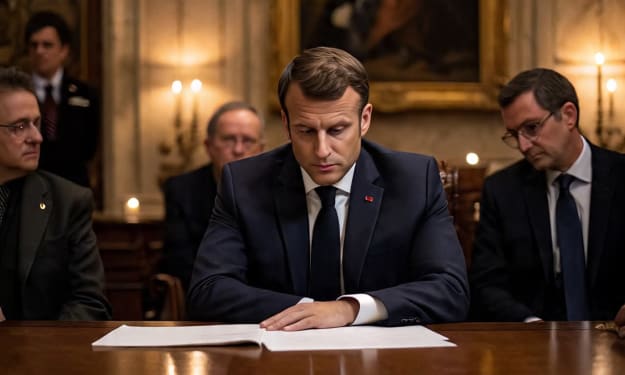
Political Turmoil in France: Macron’s Hunt for a New Prime Minister. Content Warning. AI-Generated.
France has entered yet another phase of political instability after Prime Minister François Bayrou was forced to resign on September 8, 2025, following a devastating defeat in a confidence vote. The vote, which saw 364 lawmakers reject his government compared to just 194 in support, reflects the deep divisions in France’s National Assembly and raises urgent questions about the future of President Emmanuel Macron’s second term.
By Abdullah Bacha6 months ago in Chapters
Norway’s Labour Party Secures a Narrow but Historic Victory
Norway’s Labour Party Secures a Narrow but Historic Victory Norway has just witnessed a significant political event: the Labour Party, led by Prime Minister Jonas Gahr Støre, has claimed victory in the general election. While the margin was narrow, the win is symbolically and politically important, as it secures Støre’s mandate to continue leading the country at a time when Norway is grappling with critical debates over taxation, economic policy, and the future of its welfare model.
By Abdullah Bacha6 months ago in Chapters
Title: Will India–US Relations Recover? Trump, Modi and the Oil-Tariff
Will India–US Relations Recover? Trump, Modi and the Oil-Tariff US President Donald Trump has described relations between the United States and India as “very special” and said that he and Indian Prime Minister Narendra Modi “will always remain friends” and that “there is nothing to worry about.”
By Real content6 months ago in Chapters
World War 3:and the Collapse of Global Economy
World War 3 and the Collapse of Global Economy Wars are never confined to battlefields. They ripple into homes, cities, and the very foundations of society. If World War 3 were to erupt, the destruction would not stop at bombs and missiles. The collapse of the global economy could be just as devastating—leaving nations powerless, trade frozen, and everyday survival tied to what little people could hold in their hands.
By Wings of Time 6 months ago in Chapters
Afghan Defense Minister Mullah Yaqoob: Pakistan’s Security Weakness, ISIS Defeated, and Calls for Balanced Ties With U.S., China, and Russia
Afghanistan’s Defense Minister Mullah Yaqoob has claimed that Pakistan’s “security institutions are weak, and to cover this weakness they put blame on Afghanistan.”
By Real content6 months ago in Chapters