
World War 3:and the Collapse of Global Economy
How a Global Conflict Could Shatter Money, Trade, and Finance Forever

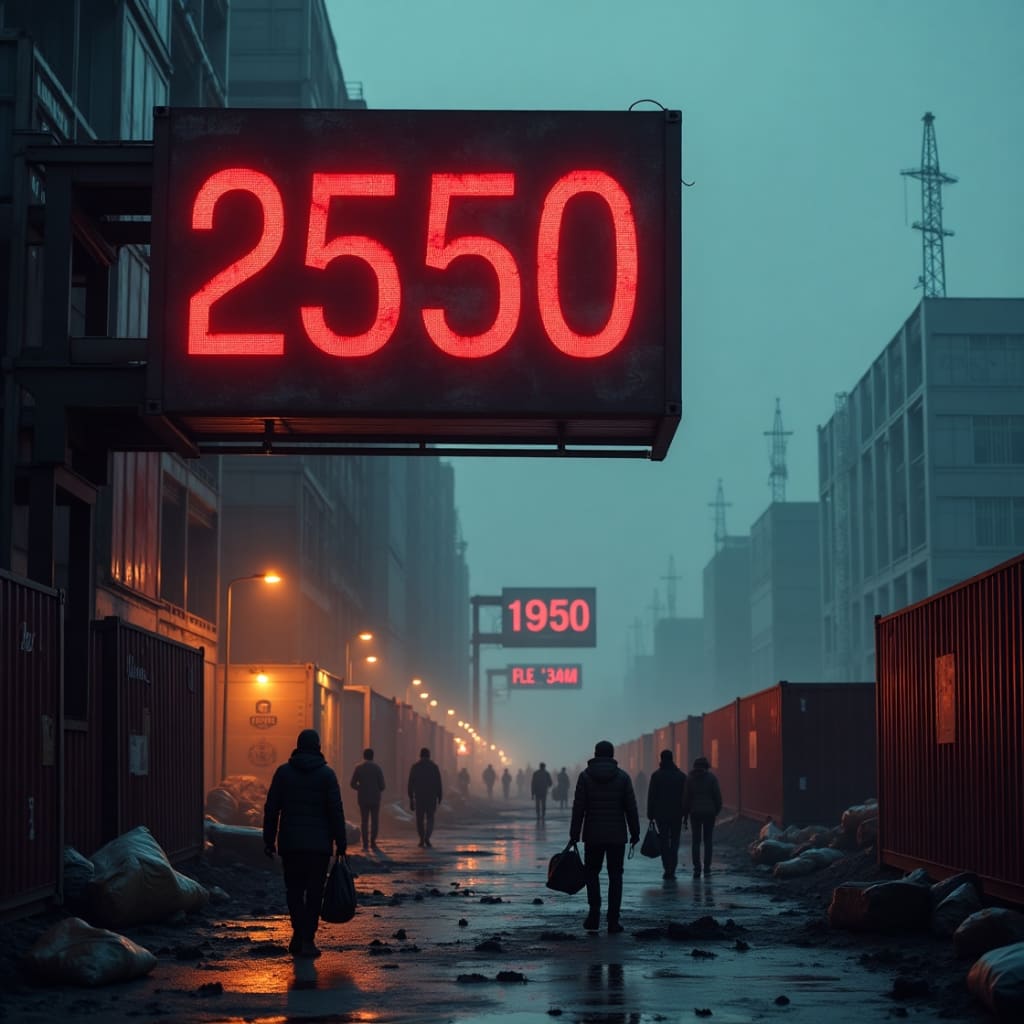
World War 3 and the Collapse of Global Economy
Wars are never confined to battlefields. They ripple into homes, cities, and the very foundations of society. If World War 3 were to erupt, the destruction would not stop at bombs and missiles. The collapse of the global economy could be just as devastating—leaving nations powerless, trade frozen, and everyday survival tied to what little people could hold in their hands.
A Fragile Global Web
Modern life is built on connections. The food in our kitchens, the phones in our pockets, even the medicine in hospitals all come from supply chains that stretch across continents. A smartphone might require materials from a dozen countries before reaching a store shelf. Wheat harvested in one nation may feed families half a world away.
World War 3 would shatter this web instantly. Ports would close, ships would sink, and flights would be grounded. Factories would fall silent, and markets would collapse under panic. Currencies tied to governments would lose meaning as those very governments struggled to survive.
The Fall of Money
The U.S. dollar, Euro, and other global currencies work because people believe in the stability of the nations behind them. In a world war, that trust would vanish. Paper money could become nothing more than ink and paper.
In its place, survival economies would rise. People might trade food, fuel, or medicine as if they were currency. Gold and silver could regain importance, but only in areas where exchange systems remain organized. Elsewhere, the true currency would be anything that keeps people alive.
The End of Global Trade
One of the first casualties of such a conflict would be international trade. Tankers, cargo ships, and supply chains that keep industries alive would disappear almost overnight.
Energy: Without oil imports, many nations would face power shortages within weeks. Cars, factories, and even electricity grids could fail.
Food: Countries that rely on imported grain or livestock feed would see hunger spread rapidly.
Technology: Modern electronics require rare minerals and global production lines. Once these links are broken, progress would grind to a halt.
Banking Collapse and Financial Panic
The world’s banking systems would be crushed under the weight of panic. Stock markets would crash in hours. Credit cards, savings accounts, and online payments would vanish as networks failed or came under attack.
People would find themselves locked out of their own money, not because they spent it, but because the entire financial system no longer functioned. Both rich and poor would be reduced to the same struggle for basic resources.
Local Survival and Barter
With global trade gone, communities would turn inward. Local barter systems would replace international finance.
- Farmers trading crops for tools.
- Carpenters exchanging labor for food or shelter.
- Doctors trading knowledge and treatment for supplies.
This would strip away centuries of economic development, pulling entire societies back to a more primitive, survival-focused way of life.
Who Might Gain?
- Even in collapse, some groups would find opportunity.
- Nations with resources like oil, fertile land, or coal could become new centers of power.
- Communities with technology that survive the war could dominate local economies.
- Black markets would thrive, controlling rare goods and exploiting shortages.
Digital Currencies and Technology
Could cryptocurrencies survive? In theory, Bitcoin and similar assets are independent of governments. But in reality, they need electricity and the internet—two systems likely to collapse in a global war. Unless small regions keep networks alive, digital currencies would fade with the rest of modern technology.
Rebuilding from Ruins
The greatest challenge after such a collapse would be rebuilding trust. Trade routes, currency, and financial systems would take decades to re-establish. It could take generations before the world economy reached its former scale.
Yet history shows that collapse is not the end. The Great Depression and World War II gave birth to new financial institutions and global organizations designed to prevent future crises. After World War 3, survivors might create entirely new systems—perhaps more local, perhaps more just, or perhaps dominated by powers we cannot yet imagine.
Conclusion: Beyond the Battlefield
The collapse of the global economy would be one of the deadliest consequences of a third world war. While bombs would take millions of lives, hunger and scarcity could take billions more.
The real measure of humanity’s strength would not be found in armies or victories, but in whether we could rebuild the fragile systems that connect us and keep us alive.
About the Creator
Wings of Time
I'm Wings of Time—a storyteller from Swat, Pakistan. I write immersive, researched tales of war, aviation, and history that bring the past roaring back to life
Keep reading
More stories from Wings of Time and writers in Chapters and other communities.
The House at the Edge of the Orchard
The House at the Edge of the Orchard Clara parked her car at the foot of the dirt lane and sat for a moment, watching the house appear through the thinning mist. It stood at the edge of the orchard like a sentinel, weathered but proud, its white paint now chipped to gray. The apple trees behind it swayed gently, their branches heavy with fruit, just as they had been when she was a girl.
By Wings of Time 6 months ago in Chapters
Japan Plans to Build the World’s Tallest Wooden Skyscraper
In an era when cities around the world are searching for sustainable solutions to reduce carbon emissions, Japan has proposed an extraordinary architectural project: building the world’s tallest wooden skyscraper. The ambitious plan, introduced by the Japanese company Sumitomo Forestry, aims to transform the skyline of Tokyo while showcasing the potential of timber as a modern construction material.
By Irshad Abbasi about 4 hours ago in Chapters




Comments
There are no comments for this story
Be the first to respond and start the conversation.