Stories (47)
Filter by community
Industrial Deployment of Biochar in Modern Metal Smelting Systems
Biochar is increasingly examined as a functional carbonaceous material in high-temperature metallurgical operations. Traditionally dominated by fossil-derived coke and coal, metal smelting processes are under pressure to decarbonize while maintaining reductive efficiency and structural reliability. Biochar, when properly engineered, presents a technically viable supplementary reductant in the production of steel, silicon, and ferroalloy. Its application, however, requires stringent control of physicochemical properties and integration within existing furnace infrastructure.
By Wayne Shenabout 15 hours ago in Earth
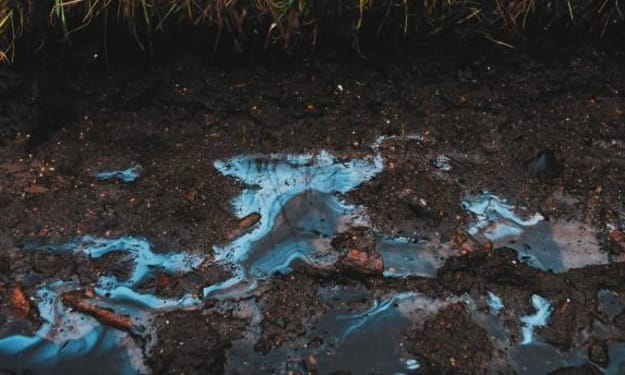
Thermal Desorption Recovery Pathways for Oil-Based Drilling Mud
Oil-based mud (OBM) is indispensable in complex drilling environments, yet it generates waste streams with high hydrocarbon loading and regulatory sensitivity. Thermal desorption has emerged as a technically mature recovery route, enabling separation of hydrocarbons from solids while reducing environmental liability. Its value lies not only in waste minimization, but in material reclamation and compliance assurance.
By Wayne Shen27 days ago in Earth
Positive Policy Signals for Biochar Carbon Removal
As the world intensifies its efforts to combat climate change, biochar has emerged as a promising technology for carbon removal. The process of converting biomass into biochar involves heating organic material in the absence of oxygen, which traps carbon in a stable form and prevents it from re-entering the atmosphere. Biochar can be used as a soil amendment, improving soil fertility, water retention, and microbial activity. In addition to these agricultural benefits, biochar also plays a role in reducing greenhouse gas emissions. Recent policy signals from governments worldwide indicate a growing recognition of the importance of biochar in the global carbon removal landscape. These policies are creating an encouraging environment for the development and deployment of biochar carbon removal projects.
By Wayne Shenabout a month ago in Earth
Harnessing Pyrolysis for Forest Fire Mitigation
Forest ecosystems face increasing wildfire risks due to climate change, prolonged drought, and human activity. Traditional fire prevention methods, including controlled burns and mechanical thinning, have proven partially effective but carry limitations in scalability and environmental impact. Integrating pyrolysis-based strategies presents an innovative pathway to reduce combustible biomass while generating valuable by-products, aligning ecological stewardship with economic utility.
By Wayne Shenabout a month ago in Earth
Biochar-Based Carbon Removal Market Outlook for 2026
Biochar carbon removal is transitioning from a niche climate intervention into a structured, investable market. By 2026, the sector is expected to exhibit accelerated growth driven by tightening climate commitments, maturation of crediting methodologies, and increasing buyer sophistication. Market dynamics are shifting from pilot-scale experimentation toward scalable deployment, with pricing, supply constraints, and verification rigor emerging as defining variables.
By Wayne Shen2 months ago in Earth
Pyrolysis as a Strategic Instrument in Modern Forest Management
Forest management has entered a phase defined by competing pressures. Fire risk is rising. Biomass residues are accumulating. Carbon accounting expectations are tightening. Pyrolysis has emerged as a technical lever capable of addressing these constraints simultaneously. Its value lies not in abstract sustainability claims, but in its operational and ecological consequences when integrated into forestry systems.
By Wayne Shen2 months ago in Earth
Chemical Recycling Pathways Enabled by Tire Pyrolysis
Chemical recycling of end-of-life tires has moved from experimental validation to industrial deployment. Unlike mechanical recycling, which is constrained by material degradation and limited end-use markets, tire pyrolysis enables molecular-level recovery. It converts complex elastomeric composites into reusable chemical fractions with measurable industrial value. This shift is reshaping how tire waste is positioned within circular economy frameworks.
By Wayne Shen2 months ago in Earth
Management of Oily Waste Across the Petroleum Industry Chain
Oily waste is an unavoidable byproduct of the petroleum industry chain. From upstream exploration to downstream refining and storage, hydrocarbon-contaminated residues accumulate in diverse forms. Sludges, oily soils, spent catalysts, tank bottoms, and emulsified wastewater all present complex treatment challenges. Effective management is not optional. Regulatory pressure, environmental liability, and operational continuity demand technically robust and compliant disposal pathways. Among available solutions, thermal desorption has emerged as a critical tool for addressing high-hydrocarbon waste streams with precision.
By Wayne Shen2 months ago in Earth
Key Bottlenecks Hindering Biochar Carbon Removal Projects
Limited Access to Consistent Feedstock Feedstock stability remains one of the most persistent challenges in scaling biochar-based carbon removal initiatives. Biomass supply chains, especially in rural or forest-adjacent regions, often operate with seasonal availability and fluctuating cost structures. Agricultural residues may be abundant during harvest months but scarce during other periods. Forestry waste can vary dramatically in moisture, density, and contamination levels. Such inconsistency disrupts operational continuity and undermines predictable carbon removal output.
By Wayne Shen3 months ago in Earth
Biomass Gasification Vs. Pyrolysis
Biomass conversion technologies have gained significant attention due to their potential for producing renewable energy and reducing waste. Two of the most prominent methods for converting biomass into valuable products are gasification and pyrolysis. Each technology has its unique advantages and applications, making it essential for industries to choose the most suitable option based on their goals, feedstock, and desired products. Both processes—gasification and pyrolysis—are complex thermal processes, but they operate under different conditions and yield different results.
By Wayne Shen3 months ago in Earth
Plastic Pyrolysis and the Greenwashing Dilemma
Plastic pyrolysis has gained traction as a proposed solution to the global plastic waste crisis. Promoted as a technology that converts waste plastics into fuel, chemicals, and carbon-rich residues, it has captured the attention of policymakers, investors, and environmental advocates. However, the growing enthusiasm for pyrolysis raises a critical question: is it a legitimate step toward sustainability, or does it function as a greenwashing mechanism, masking the underlying environmental impact of plastic consumption?
By Wayne Shen4 months ago in Earth
Role of BCR in the Future of the EU ETS
The European Union Emissions Trading System (EU ETS) is entering a decisive decade of transformation. As the bloc intensifies its commitment to net-zero targets by 2050, the inclusion of engineered and nature-based carbon removal mechanisms has become a policy priority. Among these, Biochar Carbon Removal (BCR) stands out for its verifiable permanence, scalability, and co-benefits to soil and ecosystem health. The future integration of BCR within the EU ETS could redefine how carbon markets value long-duration sequestration and foster a new class of carbon removal assets.
By Wayne Shen4 months ago in Earth