
Management of Oily Waste Across the Petroleum Industry Chain
Integrating thermal desorption into compliant and efficient oily waste treatment systems

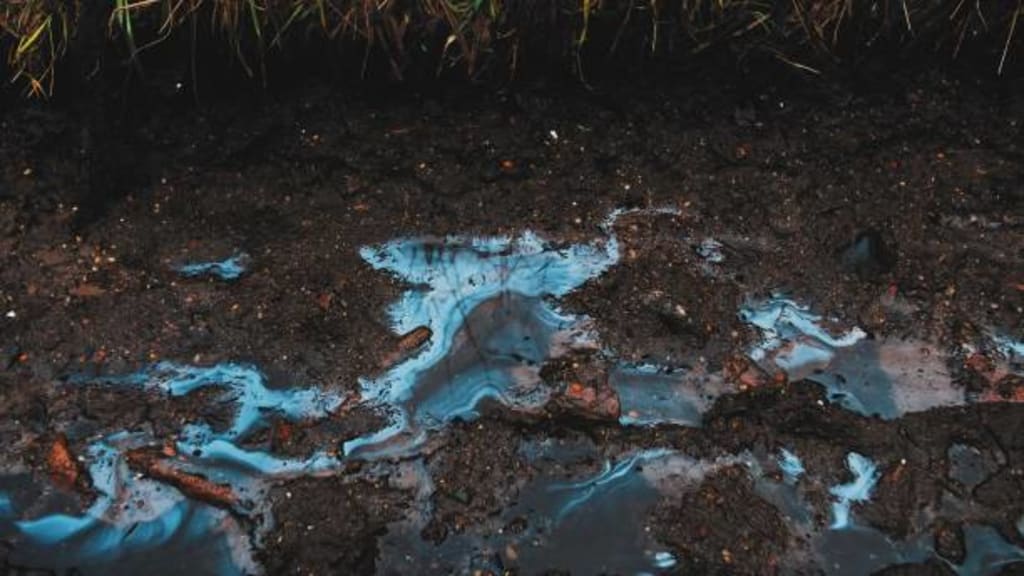
Oily waste is an unavoidable byproduct of the petroleum industry chain. From upstream exploration to downstream refining and storage, hydrocarbon-contaminated residues accumulate in diverse forms. Sludges, oily soils, spent catalysts, tank bottoms, and emulsified wastewater all present complex treatment challenges. Effective management is not optional. Regulatory pressure, environmental liability, and operational continuity demand technically robust and compliant disposal pathways. Among available solutions, thermal desorption has emerged as a critical tool for addressing high-hydrocarbon waste streams with precision.
Sources and Characteristics of Oily Waste
Oily waste varies significantly depending on its point of origin within the petroleum value chain.
- Upstream Operations: Exploration and production generate drilling cuttings, produced sand, and contaminated soils. These materials often contain crude oil fractions, drilling additives, and trace metals. Moisture content is high. Particle size distribution is irregular.
- Midstream Activities: Pipeline maintenance and storage operations produce tank bottoms, oily sediments, and spill-contaminated soils. These wastes are typically viscous, heterogeneous, and enriched with heavier hydrocarbons.
- Downstream Refining: Refineries generate sludge from separators, API pits, and wastewater treatment units. These sludges may contain complex mixtures of hydrocarbons, sulfur compounds, and inorganic solids. Their chemical variability complicates treatment selection.
Regulatory and Environmental Constraints
Oily waste management is governed by strict environmental regulations. Disposal without adequate treatment risks soil contamination, groundwater pollution, and atmospheric emissions.
- Classification and Hazard Potential: Many oily wastes are classified as hazardous due to toxicity, flammability, or persistence. Regulatory frameworks often impose concentration thresholds for hydrocarbons, benzene, sulfur, and heavy metals.
- Liability Considerations: Improper handling exposes operators to long-term remediation obligations. Even historical disposal practices are subject to retroactive enforcement in some jurisdictions. This has accelerated the adoption of controlled treatment technologies.
Conventional Treatment Pathways
Several treatment options are employed depending on waste composition and regulatory context.
- Physical Separation: Gravity separation, centrifugation, and filtration remove free oil and water. These methods are effective for emulsions with low solids content but fail to address adsorbed hydrocarbons.
- Biological Treatment: Bioremediation exploits microbial degradation of hydrocarbons. It is cost-effective for lightly contaminated soils but slow and sensitive to temperature, oxygen availability, and toxicity. Heavy oil fractions often resist biodegradation.
- Chemical Stabilization: Solidification and encapsulation immobilize contaminants. While effective for disposal, these approaches do not recover hydrocarbons and increase waste volume.
Thermal Desorption as a Core Technology
Thermal desorption occupies a distinct position in oily waste treatment due to its ability to separate hydrocarbons from solids without combustion.
Process Fundamentals
Thermal desorption heats contaminated material to volatilize hydrocarbons. The vaporized compounds are captured, condensed, or treated separately, leaving behind a cleaned solid matrix. Operating temperatures vary depending on contaminant volatility, typically ranging from 300°C to 550°C.
- Advantages: Unlike incineration, thermal desorption unit does not oxidize hydrocarbons. This preserves calorific value and reduces greenhouse gas formation. Emissions control is more manageable, and treated solids may be suitable for reuse.
- Applicability Across Waste Types: The process is effective for tank sludge, oily soil, drill cuttings, and refinery residues. High solids tolerance and adaptability make it suitable for diverse petroleum waste streams.
Integration Into the Petroleum Industry Chain
Thermal desorption systems can be deployed at centralized treatment facilities or integrated near waste generation points.
- Onsite Versus Offsite Treatment: Onsite deployment reduces transport risk and cost, particularly for remote upstream operations. Offsite facilities benefit from economies of scale and specialized emissions control infrastructure.
- Hydrocarbon Recovery: Recovered oil fractions can be reintroduced into the petroleum value chain as fuel or feedstock, improving overall resource efficiency. This recovery aspect strengthens the economic rationale for adoption.
Emissions Control and Process Safety
Thermal processes require rigorous environmental and safety management.
- Vapor Handling: sorbed vapors must be managed through condensers, thermal oxidizers, or adsorption units. Inadequate vapor control results in regulatory non-compliance.
- Residual Solids Management: Post-treatment solids are tested to confirm hydrocarbon reduction. If compliant, they may be reused as construction material or disposed of as non-hazardous waste.
- Operational Safety: High temperatures and hydrocarbon vapors present fire and explosion risks. Systems require continuous monitoring, inert gas blanketing where applicable, and robust emergency shutdown mechanisms.
Data, Monitoring, and Compliance Assurance
Modern oily waste treatment relies heavily on data integrity.
- Process Monitoring: Temperature profiles, residence time, and hydrocarbon removal efficiency are continuously logged. Deviations signal operational risk or treatment failure.
- Regulatory Reporting: Authorities often require detailed documentation of waste origin, treatment parameters, and final disposition. Transparent reporting supports audit readiness and long-term compliance.
Advancing Sustainable Oily Waste Management
As petroleum operations face increasing environmental scrutiny, oily waste treatment strategies must evolve. Thermal desorption offers a technically mature, adaptable, and resource-efficient solution capable of addressing the most challenging waste streams in the industry chain.
By aligning treatment technology with regulatory expectations and recovery objectives, operators can reduce environmental liability while maintaining operational resilience.
About the Creator
Keep reading
More stories from Wayne Shen and writers in Earth and other communities.
Key Bottlenecks Hindering Biochar Carbon Removal Projects
Limited Access to Consistent Feedstock Feedstock stability remains one of the most persistent challenges in scaling biochar-based carbon removal initiatives. Biomass supply chains, especially in rural or forest-adjacent regions, often operate with seasonal availability and fluctuating cost structures. Agricultural residues may be abundant during harvest months but scarce during other periods. Forestry waste can vary dramatically in moisture, density, and contamination levels. Such inconsistency disrupts operational continuity and undermines predictable carbon removal output.
By Wayne Shen3 months ago in Earth
A Green Solution to Urban Pollution
Air pollution has become one of the most serious environmental challenges facing modern cities. Rapid industrialization, increasing vehicle emissions, and expanding urban populations have significantly degraded air quality around the world. Polluted air not only harms ecosystems but also poses severe health risks to humans, contributing to respiratory diseases, heart conditions, and reduced life expectancy. Among the many strategies proposed to combat this problem, planting and preserving trees stands out as one of the most natural, cost-effective, and sustainable solutions.
By Irshad Abbasi 2 days ago in Earth


Comments
There are no comments for this story
Be the first to respond and start the conversation.