
Harnessing Pyrolysis for Forest Fire Mitigation
Biochar as a Key Element in Wildfire Risk Reduction

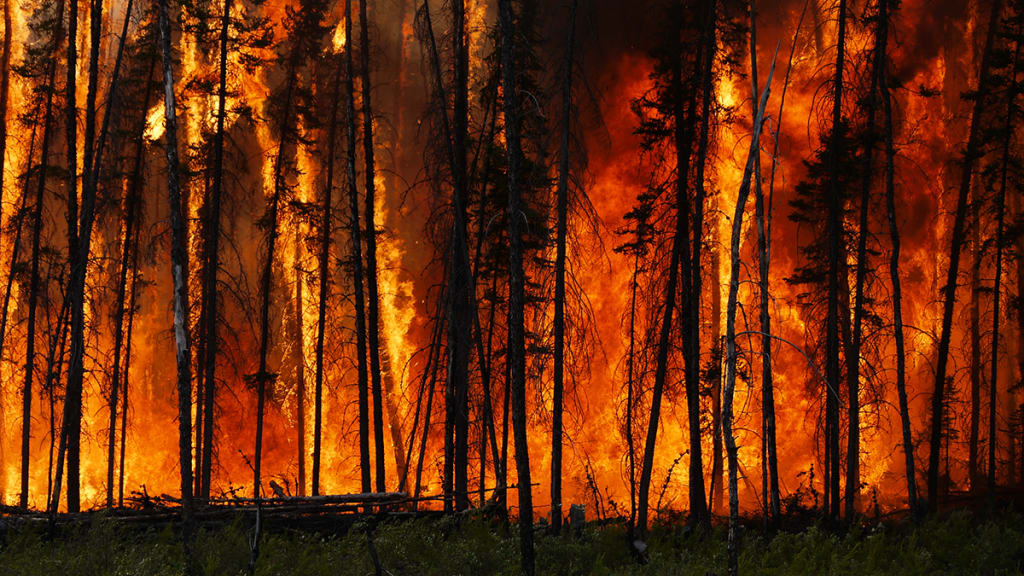
Forest ecosystems face increasing wildfire risks due to climate change, prolonged drought, and human activity. Traditional fire prevention methods, including controlled burns and mechanical thinning, have proven partially effective but carry limitations in scalability and environmental impact. Integrating pyrolysis-based strategies presents an innovative pathway to reduce combustible biomass while generating valuable by-products, aligning ecological stewardship with economic utility.
The Role of Pyrolysis in Fuel Load Management
Reducing Surface and Ladder Fuels
Accumulated deadwood, leaf litter, and dense underbrush serve as primary contributors to wildfire intensity. Pyrolysis offers a mechanism to convert this biomass into biochar and pyrolysis oil, effectively removing flammable material from the forest floor. Unlike open burning, which releases carbon dioxide and particulate matter directly into the atmosphere, pyrolysis captures a significant fraction of carbon in a stable, non-combustible form.
By systematically harvesting biomass through mobile or small pyrolysis machine, forest managers can lower the density of surface fuels and disrupt potential ladder fuels that allow ground fires to ascend into tree canopies.
Integration with Controlled Thinning Operations
Mechanical thinning operations traditionally focus on reducing competition among trees to improve forest health. Coupling thinning with pyrolysis treatment transforms waste wood into biochar, providing dual benefits: fire hazard reduction and the creation of soil amendments or carbon sequestration products.
This approach shifts forest management from a purely preventive activity to an economically valorized process, creating incentives for sustained biomass removal.
Pyrolysis as a Tool for Landscape-Level Fire Risk Reduction
Distributed Pyrolysis Units
Deploying distributed pyrolysis plants across high-risk regions enables localized treatment of combustible materials. Mobile pyrolysis units, designed to operate in remote or rugged terrain, can process feedstock on-site, minimizing transport costs and logistical challenges. This strategy allows for targeted fuel reduction in fire-prone areas such as urban-wildland interfaces, recreation zones, and critical habitat corridors. Additionally, distributed systems reduce the accumulation of biomass that could otherwise serve as tinder for large-scale forest fires.
Firebreak Enhancement
Strategically placed pyrolysis-treated areas can act as firebreaks. Biochar-enriched soil has lower flammability than untreated litter, and the removal of dense biomass reduces the likelihood of rapid fire propagation. Integrating pyrolysis treatment into existing firebreak networks enhances their effectiveness without introducing additional emissions or ecological disturbance.
Environmental Benefits Beyond Fire Prevention
- Carbon Sequestration: Unlike open burning, which converts biomass carbon into atmospheric CO2, pyrolysis stabilizes a portion of carbon in biochar. This sequestration contributes to long-term climate mitigation, aligning forest management practices with carbon reduction targets. Biochar can be returned to forest soils to improve fertility, water retention, and microbial activity, creating a positive feedback loop for ecosystem resilience.
- Reduced Emissions and Air Quality Improvement: Forest fires produce large quantities of smoke, particulate matter, and volatile organic compounds. Pyrolysis-based fuel management reduces the volume of material available for combustion, indirectly mitigating the intensity and duration of wildfires. Capturing gases during pyrolysis operations further prevents uncontrolled emissions, supporting regional air quality objectives.
Operational Considerations
- Feedstock Selection and Sustainability: Not all biomass is suitable for pyrolysis treatment. Selection should prioritize deadwood, disease-affected trees, and underbrush, avoiding removal of living trees that contribute to habitat complexity and soil stability. Sustainable harvesting protocols ensure that pyrolysis operations do not inadvertently damage forest structure or biodiversity.
- Process Optimization: Optimizing pyrolysis temperature, residence time, and feedstock size is essential for maximizing biochar yield and minimizing residual flammability. Lower-temperature pyrolysis favors char formation, while higher temperatures may produce more volatile oils, which must be managed carefully to avoid additional fire risk during storage or transport.
- Logistics and Workforce Training: Effective pyrolysis integration requires trained personnel capable of operating reactors in forest environments. Logistics planning ensures that feedstock is collected, processed, and utilized efficiently. Mobile reactors must be maintained under safety protocols to prevent accidental ignition or environmental contamination.
Policy and Incentive Alignment
- Carbon Credits and Funding Mechanisms: Forests treated via pyrolysis can qualify for carbon offset credits, creating financial incentives for fire risk reduction. Public funding for wildfire mitigation, particularly in fire-prone regions, can support the deployment of pyrolysis infrastructure. Integrating these incentives into management plans encourages adoption at scale.
- Regulatory Compliance: Pyrolysis operations in forested areas must comply with local air quality, emissions, and land-use regulations. Coordination with environmental authorities ensures that fuel management activities do not contravene conservation objectives while maintaining compliance with occupational safety standards.
About the Creator
Keep reading
More stories from Wayne Shen and writers in Earth and other communities.
Biochar-Based Carbon Removal Market Outlook for 2026
Biochar carbon removal is transitioning from a niche climate intervention into a structured, investable market. By 2026, the sector is expected to exhibit accelerated growth driven by tightening climate commitments, maturation of crediting methodologies, and increasing buyer sophistication. Market dynamics are shifting from pilot-scale experimentation toward scalable deployment, with pricing, supply constraints, and verification rigor emerging as defining variables.
By Wayne Shen7 days ago in Earth
Man Shot Dead by Police After Aiming Bow and Arrow at Officers
A man has been shot dead by police after allegedly aiming a bow and arrow at officers, authorities have confirmed. The fatal encounter has triggered public debate over police use of force, crisis response protocols, and how law enforcement handles situations involving unconventional weapons.
By Aarif Lashari4 days ago in Earth


Comments
There are no comments for this story
Be the first to respond and start the conversation.