Laura Bennett
Bio
Numismatist and data science expert passionate about uncovering the stories behind historical coins through analytics. Bachelor’s degree in Archaeology and a Master’s in Data Science from Harvard University. https://coin-identifier.com/
Stories (21)
Filter by community
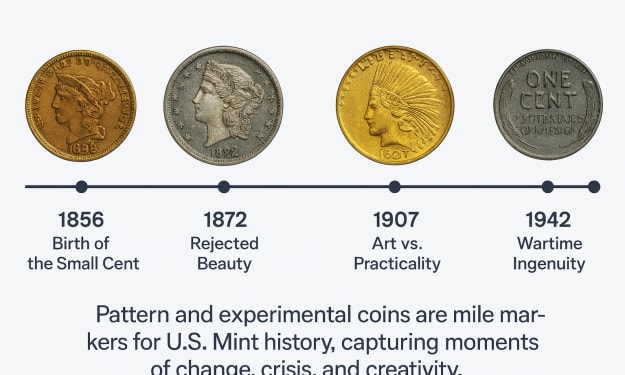
Rarely Seen: Experimental & Pattern U.S. Coins That Spark the Hobby. AI-Generated.
So, What Exactly Are These Coins? Let’s clear up the biggest confusion first. "Pattern" and "experimental" are related, but they’re not the same thing. Knowing the difference is your first step from curious collector to informed enthusiast.
By Laura Bennettabout a month ago in Education
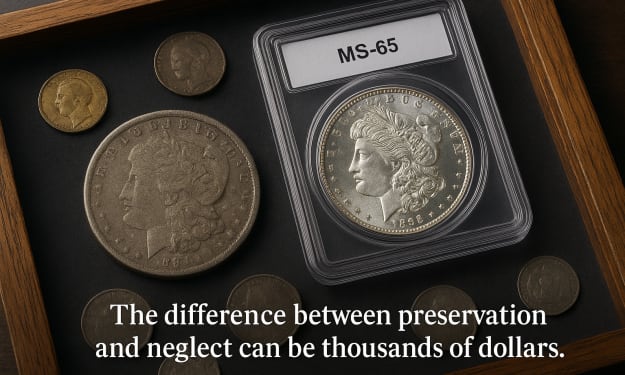
Smart Storage & Grading for U.S. Coin Collections: a Checklist. AI-Generated.
Phase 1: First Aid for Your Collection (The 24-Hour Triage) Before buying any special supplies, you need to perform some emergency triage. Think of this as stopping the bleeding. The goal here is to prevent any active damage right now.
By Laura Bennettabout a month ago in Education
Half Dollars That Defied Time: Kennedy, Franklin & Walking Liberty. AI-Generated.
If you’ve found yourself holding an old half dollar, you’ve probably wondered: is this just pocket change, or could it be something more? I’ve had that same conversation with countless collectors in my eight years as a numismatist. The answer often hinges on three legendary names: Walking Liberty, Franklin, and Kennedy. More than just silver, these coins are tangible pieces of 20th-century America. This guide will help you understand their stories, values, and which one might be the perfect fit for your goals, whether you're building a collection or an investment.
By Laura Bennettabout a month ago in Education
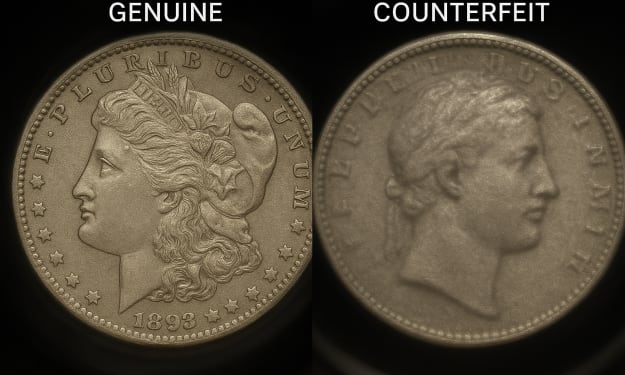
Avoiding Common Counterfeit U.S. Coins: Expert Tips from Laura Bennett. AI-Generated.
Expert Guide to Spotting Fake U.S. Coins I’ve handled tens of thousands of coins in my career, and that moment of doubt—the gut feeling something isn’t right—is something every collector experiences. That feeling isn't a weakness; it's your best line of defense. This guide is your toolkit to turn that doubt into decisive action. I’ll share the same systematic approach I use to separate the real treasures from the clever fakes, so you can build your collection with confidence.
By Laura Bennett2 months ago in Education
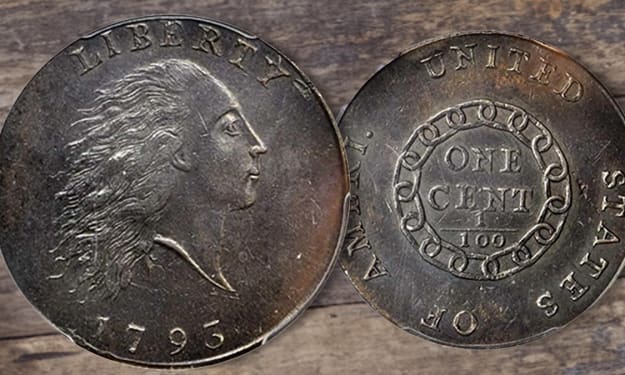
The 1793 Chain Cent: America's First Large-Scale Copper Coin. AI-Generated.
Holding a 1793 Chain Cent is like holding the first argument of a new nation. More than just America’s first mass-produced penny, this coin is a piece of history that sparked public debate, fueled by a design many found utterly wrong. Its story—from a chaotic mint to a collector's dream—explains why it remains one of the most coveted pieces in all of American numismatics. This guide will walk you through its turbulent birth, teach you to spot the tiny detail that can mean a fortune, and explain what truly makes it valuable.
By Laura Bennett2 months ago in Education
Top 5 Key Date Quartersin the State Quarters Series (1999-2008). AI-Generated.
We all have that jar, drawer, or old album filled with State Quarters. Between 1999 and 2008, it felt like a national hobby to check your change for the next state. Most of those coins are, frankly, worth exactly 25 cents. But a handful are hidden treasures, worth serious money to collectors.
By Laura Bennett2 months ago in Education
Collecting the 1979 & 1980 Susan B. Anthony Dollar: What You Need to Know. AI-Generated.
You know that small, kinda-chunky dollar coin that looks like a quarter on a growth spurt? The one with Susan B. Anthony on it from 1979 or 1980? If you've ever found one in an old drawer or jar, you've probably had the same thought: "Is this thing worth anything, or is it just a dollar?"
By Laura Bennett2 months ago in Education
U.S. Coin Mint Marks Guide: How to Read P, D, S, W Letters. AI-Generated.
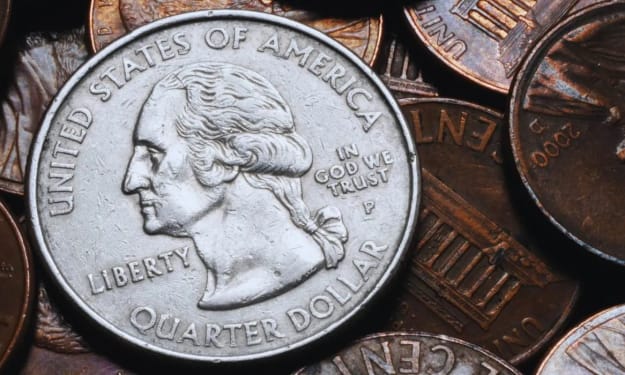
Mint Marks: The Tiny Letters That Make Your Coins Valuable Let's play a quick game. Grab a quarter from your pocket. Look at it. Really look. Under George Washington's portrait, you'll see a tiny letter—maybe a P or a D. That little letter is a mint mark, and it's the most important clue on your coin. It tells you where the coin was made, and that single fact can mean the difference between it being worth 25 cents and 25 dollars.
By Laura Bennett2 months ago in Education