Laura Bennett
Bio
Numismatist and data science expert passionate about uncovering the stories behind historical coins through analytics. Bachelor’s degree in Archaeology and a Master’s in Data Science from Harvard University. https://coin-identifier.com/
Stories (21)
Filter by community
Condition is King: A Professional's Guide to Grading Barber Half Dollars. AI-Generated.
As a Senior Numismatic Analyst, I've held thousands of Barber Half Dollars, each with a story told not in words, but in micro-abrasions. Minted from 1892 to 1915, these coins are a classic series where condition is everything. The difference between a Good (G-4) and an Extremely Fine (XF-40) specimen can be thousands of dollars, all hinging on the preservation of a few critical design elements. This guide will teach you the professional's methodology for identifying wear on a Barber Half Dollar, turning you from a casual observer into a discerning grader.
By Laura Bennett17 days ago in Education
Your Digital Numismatic Toolkit: Apps and Software Revolutionizing Coin Collecting. AI-Generated.
For generations, the quintessential image of a numismatist was a scholar hunched over a desk, a magnifying loupe in one hand and a weighty, leather-bound reference catalog in the other. Identification was a test of memory and meticulous cross-referencing. Today, that picture is being redrawn. The modern collector still has a loupe, but in the other hand is a smartphone, its camera linked to vast digital databases powered by artificial intelligence. The journey from a mysterious coin in hand to a fully cataloged piece of history can now take seconds, not days. This guide will navigate the digital frontier of coin collecting, exploring the powerful apps and software that are streamlining identification, valuation, and collection management for enthusiasts at every level.
By Laura Bennett19 days ago in Education
The Mystery of the 1965 Silver Quarter: Identifying Transitional Error That Shouldn't Exist . AI-Generated.
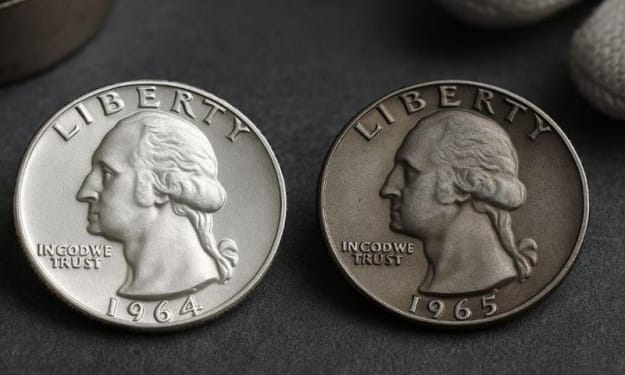
For over eight years as a Senior Numismatic Analyst, few topics generate more excitement and confusion than the legend of the 1965 silver quarter. Collectors often come to me with a glint in their eye, holding a worn 1965 quarter, convinced they've struck it rich. The story is compelling: the U.S. Mint officially stopped making 90% silver quarters after 1964, switching to a copper-nickel clad composition. So, a genuine silver quarter dated 1965 shouldn't exist. Yet, a handful do. This article will cut through the myths, explain the true nature of this "transitional error," and give you the definitive, step-by-step process to separate hopeful fantasy from numismatic reality.
By Laura Bennett23 days ago in Education
From Bullion to Numismatic: How to Identify and Grade Modern U.S. Commemorative Coins. AI-Generated.
For over eight years as a Senior Numismatic Analyst, I've witnessed countless collectors reach a fascinating crossroads. They start with bullion coins—valuable for their weight in gold or silver—but eventually feel drawn to coins with a story. This is where the world of modern U.S. commemorative coins opens up, blending precious metal with historical narrative, artistic beauty, and the intricate craft of numismatic grading. Shifting your focus from pure metal content to a coin's condition, rarity, and design is the journey from an investor to a true collector. This guide will equip you with the knowledge to confidently identify, evaluate, and grade these modern treasures.
By Laura Bennett24 days ago in Education
Buffalo Nickels: How to Decipher Worn Dates and Identify Valuable Full Horn Specimens. AI-Generated.
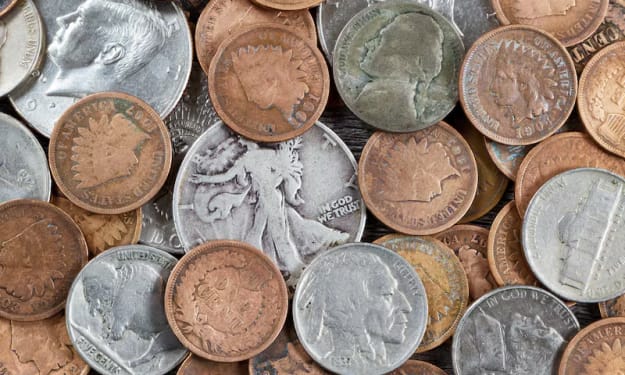
For over eight years as a Senior Numismatic Analyst, I have seen no coin humble a new collector quite like the Buffalo Nickel. Minted from 1913 to 1938, its design by James Earle Fraser is a masterpiece of American art—but also one of the most notoriously problematic for identification. The date, positioned on a raised area of the design, wears away with astonishing speed in circulation. This has created a vast sea of "dateless" Buffalo Nickels, hiding a few key-date treasures within. Furthermore, the high points of the design, particularly the bison's horn, serve as the ultimate test of a coin's condition and value. This guide will give you the techniques to read those worn dates and teach you why finding a "Full Horn" specimen is a collector's triumph.
By Laura Bennett25 days ago in Education
The Fascinating Story of the 1955 Doubled Die Lincoln Cent and How to Authenticate It . AI-Generated.
Over eight years as a Senior Numismatic Analyst, I have handled thousands of error coins, but few generate the instant recognition and awe of the 1955 Doubled Die Lincoln Cent. It's not just a coin; it's a cultural icon, a symbol of minting fallibility that captivated a nation. While many dream of finding one in circulation, its story is one of limited creation, public discovery, and a legacy of counterfeits. This guide will take you through the remarkable history of this coin and arm you with the precise knowledge needed to separate a genuine piece of history from the endless stream of fakes.
By Laura Bennett26 days ago in Education
What Your Pocket Change Could Hide: A Guide to Identifying Modern Error Coins (1990-s-Present). AI-Generated.
For over eight years as a Senior Numismatic Analyst, I've observed a quiet revolution in the error coin hobby. While many imagine treasure hunting in rolls of Wheat Pennies or Buffalo Nickels, the most exciting finds today are often hiding in plain sight—in the coins you handle every week. The modern U.S. Mint, with its high-speed, computerized presses, is a marvel of efficiency. Yet, this precision creates its own unique flaws. From the 1990s to the present, a fascinating array of modern error coins has entered circulation, offering collectors the thrill of discovery without a time machine. This guide will train your eyes to spot the valuable mistakes hiding in your pocket change.
By Laura Bennett27 days ago in 01
Morgan Silver Dollars: A Beginner's Guide to Identifying Key Dates and Mint Marks. AI-Generated.
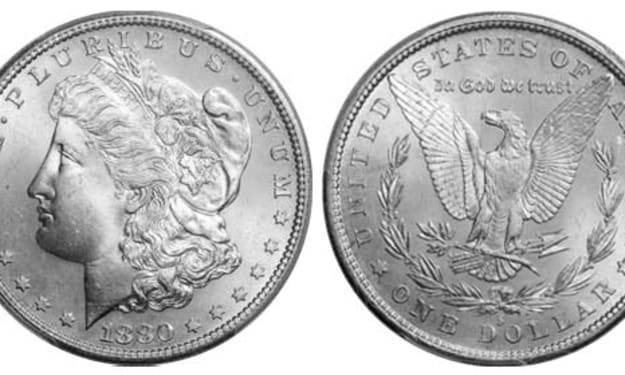
For over eight years as a Senior Numismatic Analyst, I've seen the glint in a new collector's eye when they hold their first Morgan Silver Dollar. It's a powerful feeling—the weight of 90% pure silver, the history in Lady Liberty's profile, the sheer size of America's most iconic coin. Yet, with hundreds of millions minted across 27 years and five mints, it's easy to feel overwhelmed. A common 1921 Morgan might be worth $50, while a pristine 1895 Proof commands over $100,000. The difference lies in the tiny details of dates and mint marks. This guide will give you the foundational map to navigate this classic series, turning confusion into confident identification.
By Laura Bennettabout a month ago in Education
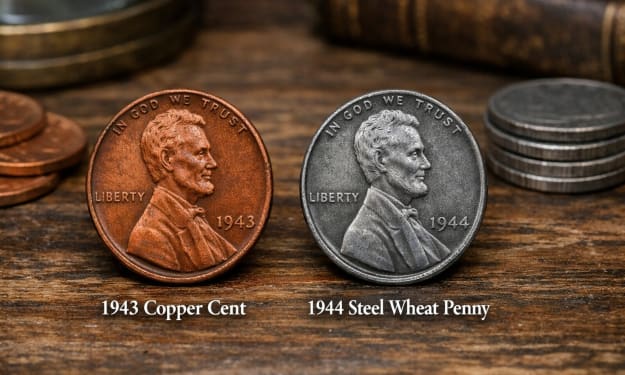
The 1943 Copper Cent vs. The 1944 Steel Penny: How to Spot the Legendary Mistakes. AI-Generated.
For over eight years as a Senior Numismatic Analyst, few questions ignite the passion of a collector like the legends of the 1943 Copper Cent and the 1944 Steel Penny. These coins represent the most famous mint errors in American history, born from the unprecedented material shifts of World War II. I've examined countless coins brought to me with hope, only to find they were clever counterfeits. The truth is, genuine examples of these errors are extraordinarily rare, but knowing exactly what to look for is the first step from fantasy to fact. This guide will cut through the myths and give you the concrete, professional methods to understand and identify these numismatic legends.
By Laura Bennettabout a month ago in Education
Beyond the Date: How to Use Online Tools to Identify Rare Coin Varieties and Errors. AI-Generated.
For over eight years as a Senior Numismatic Analyst, I've watched a quiet revolution transform coin collecting. The classic image of a numismatist hunched over dusty catalogs is fading, replaced by the glow of a smartphone screen. Today, identifying a coin's year and mint mark is just the starting point. The real treasure hunt lies in uncovering rare die varieties and mint errors that can transform a common coin into a collector's prize. Fortunately, we have an unprecedented arsenal of online tools at our fingertips. This guide will show you how to move beyond basic identification and systematically use these digital resources to become a more knowledgeable and successful collector. The Digital First Look: AI-Powered Identification Apps.
By Laura Bennettabout a month ago in Humans
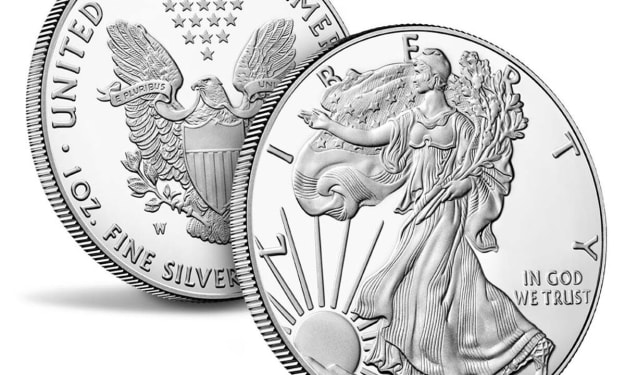
How to Identify Rare 2021 American Silver Eagles: A Collector's Guide. AI-Generated.
What Changed Type 1: The classic design by John Mercanti features a heraldic eagle with arrows and an olive branch beneath 13 stars. Type 2: Introduced mid-year, Emily Damstra’s new reverse shows a bald eagle landing on an oak branch—symbolizing renewal and strength. Obverse update: Adolph A. Weinman’s original “Walking Liberty” design was refined, with sharper details and the artist’s initials (“AW”) added beneath In God We Trust.
By Laura Bennettabout a month ago in Education