
Land Birds: An Exploration of their Biology, Behavior, and Conservation
Exploring the Adaptations, Behaviors, and Conservation Status of the Diverse Group of Birds That Have Evolved to Thrive on Land
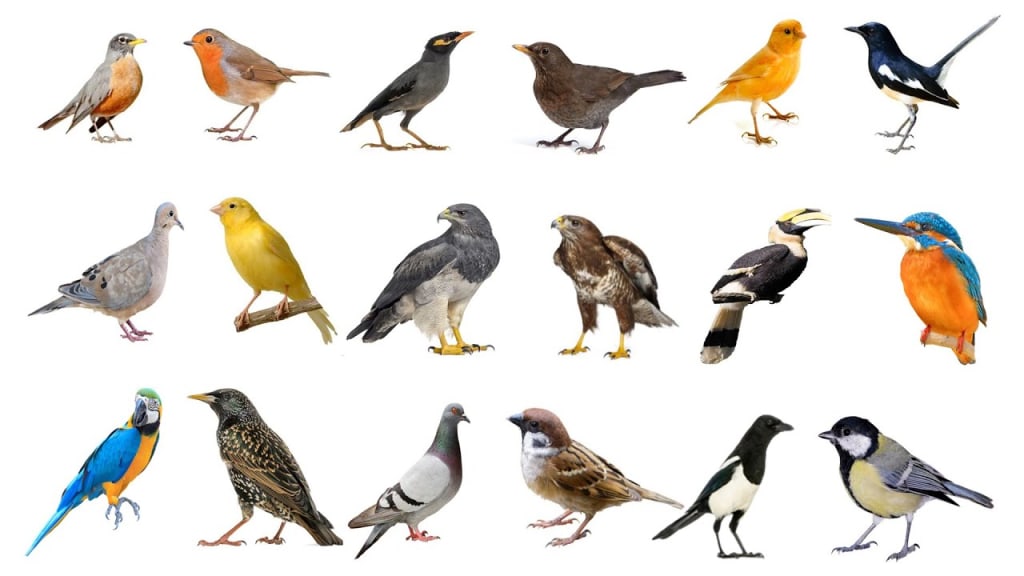
Land birds are a diverse group of birds that are adapted to living primarily on land, as opposed to water or air. They can be found in nearly every part of the world, from tropical rainforests to deserts and tundra. In this article, we will explore the fascinating world of land birds, their biology, behavior, and conservation.
Overview:
Land birds are a diverse group of birds that are adapted to living on land. They are defined as birds that spend most of their time on the ground, in trees, or on other terrestrial surfaces, as opposed to birds that are adapted to living primarily in water or air. There are more than 10,000 species of land birds, which include passerines, raptors, game birds, and many other groups.
Biology:
Land birds have a wide range of adaptations that allow them to survive and thrive on land. They have evolved various types of beaks, wings, and feet that are specialized for different types of food and habitats. For example, passerine birds, also known as perching birds, have a specialized beak that is adapted for cracking seeds and other small food items. Raptors, such as eagles and hawks, have sharp talons and beaks that are adapted for catching and killing prey.
Many land birds also have specialized feet that are adapted for different types of perching, walking, and climbing. Some birds, such as woodpeckers, have two toes pointing forward and two pointing backward, which allows them to climb trees with ease. Other birds, such as ostriches, have powerful legs and feet that are adapted for running on the ground.
Behavior:
Land birds exhibit a wide range of behaviors, from nesting and breeding to foraging and migration. Many land birds are territorial and will defend their breeding territory against other birds of the same species. They will also engage in courtship displays, such as singing, dancing, or displaying colorful plumage, to attract mates.
Some land birds are migratory, meaning they travel long distances to breed or forage in different parts of the world. For example, the Arctic Tern has the longest migration of any bird, traveling up to 44,000 miles each year between its breeding grounds in the Arctic and its wintering grounds in the Antarctic.
Conservation:
Many species of land birds are threatened or endangered due to habitat loss, climate change, hunting, and other human activities. The destruction of forests and other natural habitats has had a particularly devastating impact on land bird populations, as many species rely on specific types of vegetation for nesting, feeding, and breeding.
Conservation efforts are underway to protect land bird populations and their habitats. These efforts include habitat restoration, protected areas, and captive breeding programs. In addition, efforts are being made to reduce the impact of human activities on land bird populations, such as reducing the use of pesticides and other harmful chemicals.
Conclusion:
Land birds are a diverse and fascinating group of birds that are adapted to living primarily on land. They exhibit a wide range of adaptations, behaviors, and ecological roles, from seed-eating passerines to predator raptors. Many species of land birds are threatened or endangered, and conservation efforts are needed to protect their populations and their habitats. By understanding the biology, behavior, and conservation needs of land birds, we can work to ensure that these important species continue to thrive in the wild.
Birds are the only animals with feathers . Birds are warm-blooded vertebrate animals that lay eggs. One feature that distinguishes birds from other animals is their feathers. While most birds fly, others, like penguins and ostriches, are flightless birds. However, all birds have feathers, and only birds have feathers.
About the Creator
Keep reading
More stories from Kamal Mourya and writers in Earth and other communities.
Water Birds: Anatomy, Behavior, and Conservation of Aquatic Birds
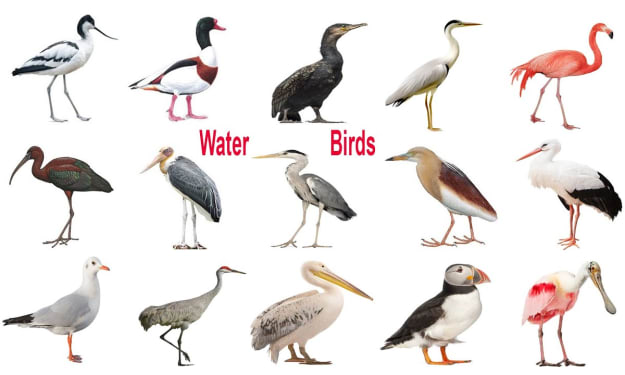
Water birds are a diverse group of birds that are adapted to life in and around water. They can be found in a wide range of habitats, from the Arctic tundra to the tropical rainforest, and from the high alpine lakes to the salt marshes along the coast. Water birds play an important role in maintaining the ecological balance of aquatic ecosystems and are a valuable indicator of the health of these systems. In this article, we will explore the biology, behavior, and conservation of water birds.
By Kamal Mourya3 years ago in Earth
Why Peet’s Coffee Is Closing Multiple Bay Area Shops After the Keurig Dr Pepper Takeover
Coffee shops are more than places where we grab a morning latte. Especially in the Bay Area, Peet’s Coffee has been part of many people’s daily routines, college memories, and work‑meeting rituals. So when customers learned that several Bay Area locations were closing just months after Peet’s was acquired by Keurig Dr Pepper, the reaction wasn’t just curiosity — it was emotional.
By Muhammad Hassan4 days ago in Earth
Rice Market Size and Forecast 2025: A Global Staple Navigating Growth, Trade, and Transformation
Global Rice Market Outlook: Growth Rooted in Necessity Rice is more than just a crop — it is the backbone of food security for billions. As one of the world’s most consumed cereal grains, rice continues to play a central role in global agriculture, nutrition, and trade. According to Renub Research, the global rice market is projected to reach US$ 378.41 billion by 2033, up from US$ 305.14 billion in 2024, growing at a CAGR of 2.42% from 2025 to 2033.
By Sushant. Renub Research5 days ago in Earth
Affection and Healing for Yourself
During the night of the last quarter moon, I gathered my ritual supplies. I carefully handled the chunk of black tourmaline that would protect me from your overall negative and narcissistic energy. I carefully walked the house with my stick of selenite in hand, asking the universe to cleanse our working space.
By Alisha Wilkins ✒️🦋🖋️6 days ago in Fiction


Comments
There are no comments for this story
Be the first to respond and start the conversation.