hello-word
Bio
As a Chinese person, love for the culture of my own country. Nowadays, the global exchange of information is becoming increasingly rapid. I also hope that more people can gain a deeper and more detailed understanding of Chinese culture.
Stories (49)
Filter by community
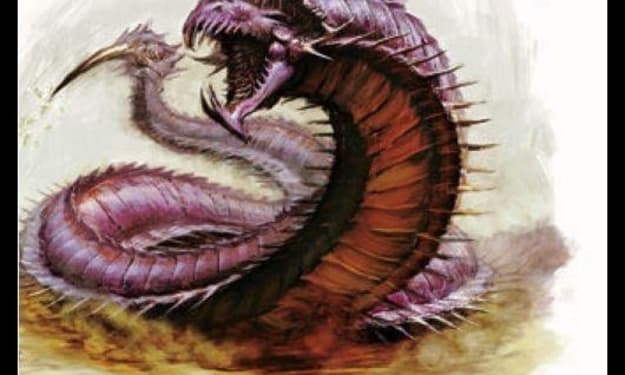
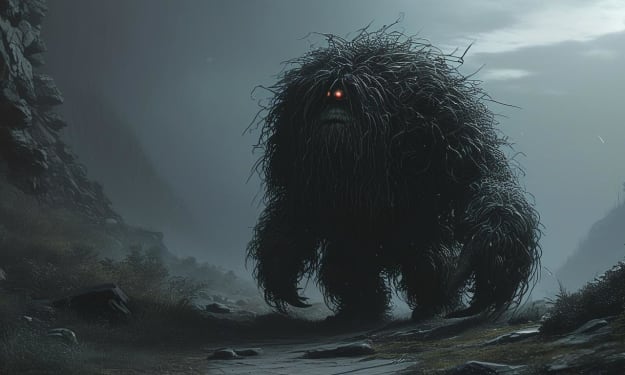
The Mysterious Kui in "Shanhaijing"
In the realm of Chinese mythology as chronicled by the "Shanhaijing," the creature known as Kui emerges as a symbol of mystery and power. This unique being has captivated the imagination of people for centuries with its extraordinary characteristics and the tales associated with it.
By hello-wordabout a year ago in Art
The Mighty Candle Dragon Zhuyin in "Shanhaijing"
Within the rich tapestry of Chinese mythology as presented in the "Shanhaijing," the Candle Dragon, or Zhuyin, stands as a colossal and awe - inspiring being. This mythical creature is not only a symbol of power but also represents the profound connection between the natural world and the supernatural in ancient Chinese beliefs.
By hello-wordabout a year ago in Earth
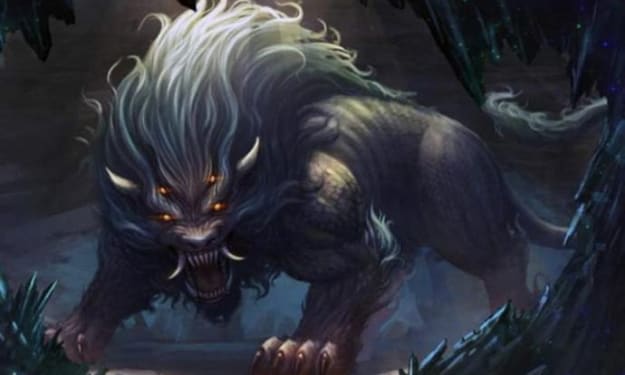
The Ferocious Taowu in "Shanhaijing"
In the realm of Chinese mythology as chronicled in the "Shanhaijing," Taowu holds a fearsome reputation as a symbol of chaos and unyielding ferocity. This mythical creature has left an indelible mark on the cultural and mythological landscape with its distinct characteristics and the stories associated with it.
By hello-wordabout a year ago in Blush
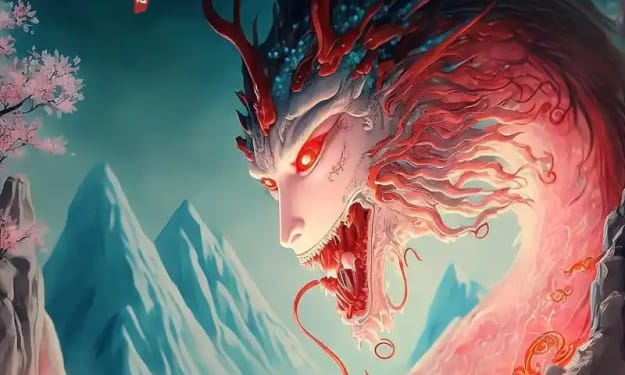
The Mysterious Hundun in "Shanhaijing"
Within the pages of the "Shanhaijing," a rich repository of ancient Chinese mythology, Hundun emerges as an enigmatically fascinating and somewhat confounding creature. Representing primordial chaos, Hundun has long intrigued scholars and enthusiasts alike with its unique characteristics and the profound symbolism it embodies.
By hello-wordabout a year ago in Humans
The Sinister Qiongqi in "Shanhaijing"
Amidst the rich tapestry of mythical creatures in the "Shanhaijing," Qiongqi stands out as a symbol of malevolence and chaos. This fearsome being has intrigued and horrified people for centuries with its unique characteristics and dark deeds.
By hello-wordabout a year ago in Art
The Ferocious Taotie in "Shanhaijing"
In the intricate tapestry of Chinese mythology woven by the "Shanhaijing," Taotie emerges as a menacing and unforgettable creature. This mythical being is renowned for its gluttonous nature and has left an indelible mark on Chinese cultural and historical narratives.
By hello-wordabout a year ago in Art
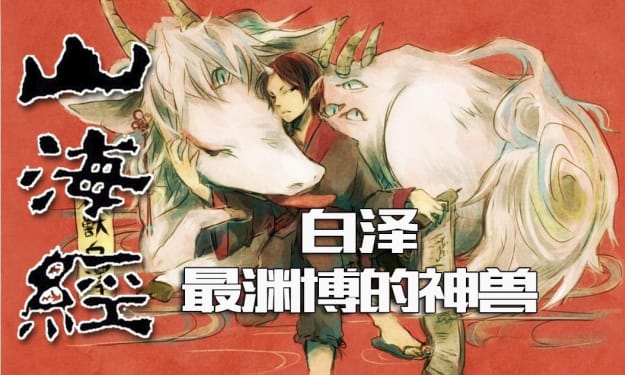
The Mysterious White Ze in "Shanhaijing"
In the rich and diverse world of Chinese mythology as presented in the "Shanhaijing," the White Ze stands out as an enigmatic and highly revered creature. This mythical being holds a special place in the pantheon of ancient Chinese legends, embodying wisdom, knowledge, and auspiciousness.
By hello-wordabout a year ago in Art
The Winged Dragon Yinglong in "Shanhaijing"
In the vast pantheon of mythical creatures from the "Shanhaijing," Yinglong, the winged dragon, holds a position of great significance. This awe - inspiring being is a symbol of power, wisdom, and the complex relationship between nature and the divine in ancient Chinese mythology.
By hello-wordabout a year ago in Art
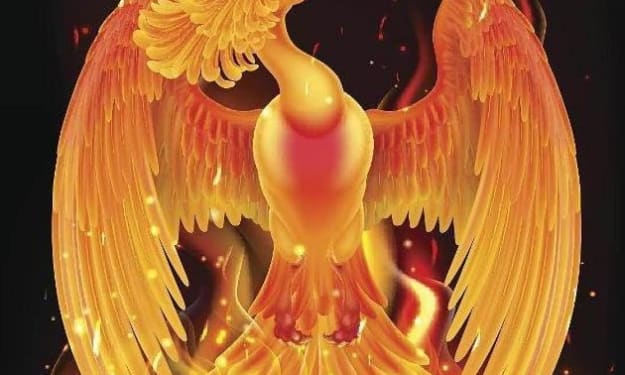
The Enigmatic Phoenix in "Shanhaijing"
In the rich tapestry of Chinese mythology, the "Shanhaijing" unfolds a world brimming with extraordinary creatures. Among these, the Phoenix shines brightly as a symbol of beauty, rebirth, and good fortune. This mythical bird has captured the human imagination for centuries, and its roots in the "Shanhaijing" offer a fascinating glimpse into ancient beliefs and cultural values.
By hello-wordabout a year ago in Art
The Mysterious Kirin
In the vast and mysterious world of Chinese mythology, the "Shanhaijing" (Classic of Mountains and Seas) stands as a treasure trove of ancient legends and mythical creatures. Among these fascinating beings, the Kirin holds a special place, captivating the imagination of people with its unique appearance and profound symbolic meaning.
By hello-wordabout a year ago in Education
Historical Origin
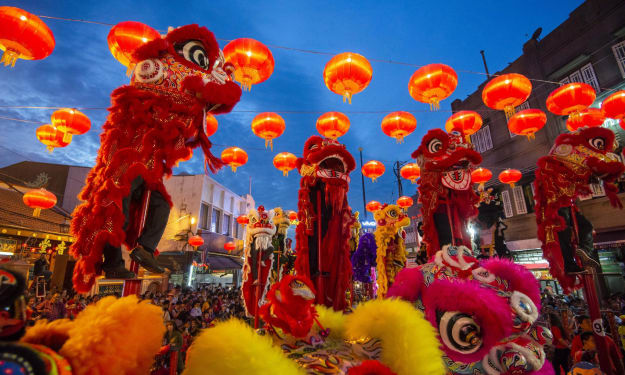
The origin of lion dance is widely debated in the long history. One popular theory is related to the opening of the Silk Road in the Han Dynasty. At that time, envoys from the Western Regions brought lions as tribute, and meanwhile, the lion - taming dance from West Asia was introduced into China, which was the embryonic form of lion dance. As time went by, lion dance gradually integrated into Chinese local culture and continued to evolve and develop.
By hello-wordabout a year ago in Art