Fiaz Ahmed
Bio
I am Fiaz Ahmed. I am a passionate writer. I love covering trending topics and breaking news. With a sharp eye for what’s happening around the world, and crafts timely and engaging stories that keep readers informed and updated.
Stories (1465)
Filter by community
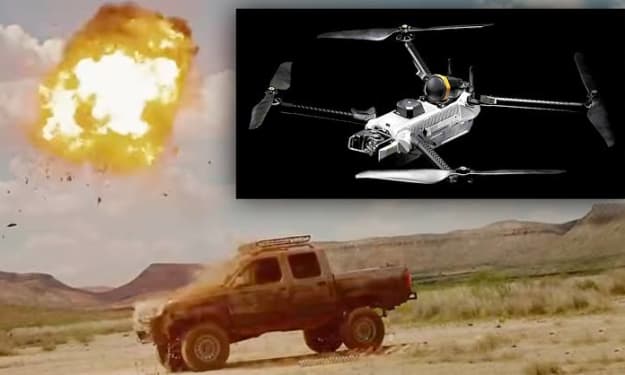
Inside Anduril’s Bolt-M Kamikaze Drone Program. AI-Generated.
How a new generation of autonomous weapons is reshaping modern warfare In recent years, modern warfare has shifted rapidly toward autonomy, speed, and precision. One of the clearest signs of this change is the rise of loitering munitions—often called “kamikaze drones.” Among the newest and most talked-about systems is Anduril Industries’ Bolt-M drone, a compact but powerful weapon designed for fast, flexible combat missions. Anduril, a U.S.-based defense technology company, has built a reputation for blending artificial intelligence with military hardware. The Bolt-M program reflects that approach, combining advanced software, autonomy, and battlefield adaptability into a single system. As conflicts around the world highlight the growing role of drones, Bolt-M offers a glimpse into how future wars may be fought. What Is the Bolt-M Drone? The Bolt-M is a man-portable loitering munition, meaning it can be carried by soldiers and launched quickly in the field. Unlike traditional missiles, loitering munitions can hover over an area before striking a target. This gives operators more time to identify threats and choose the best moment to attack. Bolt-M is designed to strike vehicles, equipment, and fortified positions with high accuracy. Once launched, it can fly autonomously or under human supervision, depending on mission needs. This flexibility makes it suitable for fast-moving battlefields where decisions must be made in seconds. Designed for Modern Battlefields One of the key goals behind the Bolt-M program is adaptability. Traditional weapons often require large support systems, but Bolt-M is meant to be used by small units operating independently. Soldiers can deploy it without heavy infrastructure, making it useful in both urban combat and remote areas. The drone is also built to survive contested environments. Modern battlefields are filled with electronic warfare systems that attempt to jam or disrupt drones. Anduril has focused heavily on resilience, ensuring Bolt-M can continue operating even when communications are limited. The Role of Artificial Intelligence Artificial intelligence sits at the heart of Anduril’s technology. Bolt-M uses AI to help with navigation, target recognition, and decision support. While human operators remain responsible for final engagement decisions, AI allows the system to process large amounts of data quickly. This capability is critical in environments where threats appear suddenly. Instead of relying solely on manual control, Bolt-M can adjust its flight path, avoid obstacles, and maintain stability under challenging conditions. This reduces operator workload and improves mission success rates. Why the U.S. Military Is Paying Attention The U.S. military has been closely watching developments in loitering munitions, especially after seeing their impact in recent conflicts. Systems like Bolt-M offer cost-effective precision, which is increasingly important as defense budgets face pressure. Bolt-M’s modular design also stands out. It can be integrated into broader command-and-control networks, allowing it to share information with other drones, sensors, and units. This fits well with the military’s push toward networked warfare, where systems work together rather than operating alone. Ethical and Strategic Concerns As with any autonomous weapon system, Bolt-M raises important ethical questions. Critics worry about the increasing role of AI in combat and the potential risks if systems malfunction or are misused. Anduril has emphasized that human oversight remains central, with operators maintaining control over lethal decisions. Strategically, the spread of loitering munitions also changes how conflicts are fought. Smaller forces can now threaten larger, better-equipped armies. This shift may deter aggression in some cases but could also lower the barrier to entry for advanced military capabilities. Competing in a Crowded Field Bolt-M enters a market that is becoming increasingly competitive. Several countries and companies are developing similar systems, each trying to improve range, accuracy, and autonomy. Anduril’s advantage lies in its software-first approach, treating hardware as part of a larger digital ecosystem. By constantly updating software, Anduril can improve performance without redesigning the entire drone. This allows Bolt-M to evolve rapidly as battlefield conditions change, a key advantage in modern warfare. What the Future Holds The Bolt-M program is still evolving, but its direction is clear. As militaries look for faster, smarter, and more flexible weapons, systems like Bolt-M are likely to play a larger role. Future versions may offer longer range, improved sensors, and deeper integration with other autonomous platforms. At the same time, governments and international organizations will continue debating how such weapons should be regulated. Balancing military effectiveness with ethical responsibility will be one of the defining challenges of the coming decades. A Glimpse Into Tomorrow’s Warfare Anduril’s Bolt-M is more than just another drone. It represents a shift in how wars are planned and fought—toward autonomy, precision, and networked systems. While questions remain about oversight and long-term impact, there is little doubt that loitering munitions like Bolt-M are shaping the future of global security. As technology continues to advance, the line between software and warfare will only grow thinner. Bolt-M stands at that intersection, offering a powerful example of how innovation is redefining the battlefield.
By Fiaz Ahmed 2 months ago in The Swamp
Russia-Ukraine War Live: Talks End in Abu Dhabi Without Breakthrough. AI-Generated.
Diplomacy struggles as fighting continues on the ground The latest round of peace talks aimed at ending the conflict between Russia and Ukraine concluded in Abu Dhabi this week without any major breakthroughs. Despite hopes for progress, both sides left the negotiations with positions largely unchanged, leaving the future of diplomacy uncertain and civilians facing continued hardship. The Abu Dhabi talks were widely seen as an opportunity to explore ceasefire options, humanitarian access, and broader security guarantees. Yet the two-day meeting revealed the depth of disagreement and the challenges that lie ahead for mediators attempting to bring peace to the region. What Happened at the Talks Diplomats and officials from both sides attended the meeting under the guidance of neutral international mediators. Discussions focused on areas including: Potential ceasefire zones Humanitarian corridors for civilians and aid delivery Prisoner exchanges Economic sanctions and their impact Despite these discussions, neither Russia nor Ukraine announced any new agreements. Observers noted that while the talks were civil and professional, the fundamental gap in objectives made immediate progress unlikely. A senior Ukrainian official stated that while Ukraine remains committed to diplomacy, it cannot compromise on sovereignty or territorial integrity. Russia, on the other hand, emphasized security concerns and strategic interests, highlighting a continued mismatch in priorities. Fighting Continues Despite Diplomacy While negotiators met in Abu Dhabi, hostilities on the ground persisted. Ukrainian cities and infrastructure have continued to face airstrikes, artillery fire, and other attacks. Civilians are caught in the crossfire, with families displaced from homes and essential services disrupted. Reports indicate that both sides suffered casualties, and energy infrastructure damage has left thousands without electricity or heating, particularly as winter conditions worsen. Humanitarian organizations have repeatedly warned that continued fighting threatens to escalate an already severe crisis. The Role of International Mediators The Abu Dhabi talks were organized with the support of neutral countries and international organizations, aiming to facilitate dialogue where previous attempts had stalled. Mediators emphasized that the goal was not immediate peace, but rather creating a framework for continued negotiation and eventual resolution. While the meeting did not produce tangible agreements, it provided an important platform for direct communication between Russian and Ukrainian officials. Analysts suggest that even without immediate results, maintaining open channels could reduce the risk of miscalculation and unintended escalation. Global Reactions World leaders have closely followed the Abu Dhabi talks. Several Western governments expressed disappointment at the lack of progress, but emphasized the importance of continued dialogue. The United States highlighted the need for direct talks and clear commitments to reduce civilian suffering. The European Union reiterated support for Ukraine while urging Russia to engage constructively. United Nations officials stressed that humanitarian access and protection for civilians must remain central to any discussions. Observers note that global powers remain divided on strategy, balancing pressure on Russia with efforts to avoid escalating the conflict further. Why Breakthroughs Are Difficult Several factors explain why the Abu Dhabi talks ended without agreements: Deep mistrust: Years of conflict have created significant distrust on both sides, making compromise challenging. Differing objectives: Ukraine prioritizes territorial integrity and civilian safety, while Russia emphasizes security and influence over contested regions. Domestic pressures: Leaders from both nations face internal political pressures that limit flexibility. External influences: Allies, sanctions, and international expectations complicate negotiations and force both sides to maintain strong positions. Experts argue that unless these core issues are addressed, any short-term negotiations are unlikely to achieve a lasting ceasefire. What Comes Next Despite the lack of immediate progress, mediators and officials indicated that future talks are expected. These may focus on smaller, achievable goals such as temporary humanitarian corridors, prisoner releases, or partial ceasefires. Analysts emphasize that maintaining dialogue is critical. Even if large-scale agreements remain out of reach, ongoing communication helps prevent misunderstandings and reduces the risk of sudden escalations. At the same time, international organizations continue to push for aid delivery, civilian protection, and compliance with international law, highlighting the human cost of delays in diplomacy. Impact on Civilians and Regional Stability For civilians in Ukraine, the failure of the talks is a reminder that the conflict shows no sign of slowing. Displacement, energy shortages, and damage to essential infrastructure continue to affect daily life. The winter months add urgency to humanitarian efforts, as families struggle to stay warm and access basic services. Regionally, the stalemate affects neighboring countries and global markets. Refugee flows, energy supply disruptions, and geopolitical tension underscore the conflict’s far-reaching consequences. Conclusion The Abu Dhabi talks have highlighted a sobering reality: diplomacy in the Russia-Ukraine war remains complex and fragile. While no breakthroughs were achieved, the very act of dialogue provides hope that paths to peace are still possible. As fighting continues and civilians endure hardship, the international community faces a dual challenge: supporting humanitarian needs while encouraging sustained negotiations. Ultimately, the road to lasting peace will require compromise, trust, and continued engagement — a process that is just beginning, despite the setbacks in Abu Dhabi.
By Fiaz Ahmed 2 months ago in The Swamp
UK Selects Firms for Apache Wingman Drone Programme. AI-Generated.
New collaboration aims to enhance military capability with autonomous drone support The United Kingdom has officially announced the selection of companies to participate in its Apache wingman drone programme, a significant step in modernizing the nation’s defense capabilities. The programme is designed to pair autonomous drones with manned helicopters, providing advanced support for reconnaissance, surveillance, and combat missions. The move reflects a broader trend in modern warfare, where unmanned systems are increasingly integrated with traditional platforms to improve efficiency, flexibility, and safety on the battlefield. What Is the Apache Wingman Drone Programme? The Apache wingman programme is part of a UK initiative to create loyal wingman drones capable of operating alongside manned Apache helicopters. These drones are designed to fly in coordination with pilots, sharing data, detecting threats, and even carrying out precision strikes if needed. Unlike conventional drones, wingman drones are specifically intended to augment human operators rather than replace them. By providing additional surveillance, electronic warfare capabilities, and combat support, these drones increase the operational effectiveness of manned aircraft while reducing risk to personnel. Selected Firms and Their Roles The Ministry of Defence (MoD) has not disclosed all details publicly, but several leading aerospace and defense companies have been chosen to contribute to the programme. Their responsibilities include: Designing autonomous flight systems for seamless integration with Apache helicopters Developing AI-enabled decision support to assist pilots during high-intensity missions Testing payloads such as sensors, communications, and potentially weapon systems Ensuring cybersecurity and resilience in contested environments Officials emphasized that collaboration between government and private industry is crucial to deliver cutting-edge technology efficiently while maintaining strict safety and compliance standards. Why This Programme Matters The Apache wingman initiative addresses several modern military challenges: Force Multiplication – Wingman drones allow fewer human pilots to cover more territory and engage multiple threats simultaneously. Risk Reduction – Drones can take on the most dangerous tasks, such as scouting hostile areas or confronting anti-aircraft threats, reducing the exposure of pilots. Rapid Adaptability – Autonomous systems can respond quickly to changing battlefield conditions, relaying intelligence to manned aircraft and command centers. Technological Edge – Integrating AI-driven drones ensures the UK remains competitive in an era where unmanned platforms are increasingly central to military strategy. Military analysts note that programmes like Apache wingman are part of a global shift toward human-machine teaming, which combines the judgment and adaptability of humans with the speed and precision of autonomous systems. How Wingman Drones Operate Wingman drones are designed to operate in tightly coordinated formations with manned helicopters. Using secure communications networks, the drones can: Scan areas ahead for threats or targets Share real-time intelligence with the pilot and command centers Execute defensive maneuvers automatically if danger is detected Conduct electronic warfare tasks such as jamming enemy radar Operators maintain control over key decisions, especially those involving the use of weapons. This approach ensures that while drones act autonomously, human oversight remains central, addressing ethical and operational concerns. Global Context and Comparisons Several countries, including the United States, Australia, and Germany, are exploring similar “loyal wingman” programmes. These initiatives reflect a strategic interest in combining manned and unmanned platforms to strengthen airpower while managing operational risk. The UK’s programme demonstrates that it is committed to maintaining technological parity with allies and potential adversaries. By investing in domestic firms and fostering innovation, the country hopes to reduce dependency on foreign systems and retain control over critical defense technologies. Ethical and Strategic Considerations While wingman drones offer clear military advantages, they also raise important questions: Autonomy and decision-making – How much independence should drones have in high-risk situations? Civilian safety – Ensuring systems can distinguish between combatants and non-combatants is critical. International regulations – Emerging norms around autonomous weapons are still evolving, requiring careful oversight. The UK Ministry of Defence has stated that all operations will comply with international humanitarian law and that human pilots will retain authority over lethal engagements. Next Steps for the Programme The selected firms will now enter a phase of design, development, and testing, with milestones including prototype flights, system integration, and operational evaluation. The MoD anticipates that the programme will continue to expand over the coming years, with additional drones and updated capabilities being introduced as technology advances. Military analysts suggest that the Apache wingman programme could serve as a model for future UK air combat systems, integrating AI, robotics, and human-machine teaming across other platforms as well. Conclusion The UK’s Apache wingman drone programme represents a major step forward in modern military strategy. By combining autonomous drones with manned helicopters, the country is investing in flexibility, efficiency, and safety for future combat operations. While technical, ethical, and operational challenges remain, the programme highlights a global trend toward human-machine collaboration in defense. For the UK, the selected firms’ contributions could pave the way for a new generation of advanced air combat systems, ensuring the nation remains at the forefront of military technology.
By Fiaz Ahmed 2 months ago in The Swamp
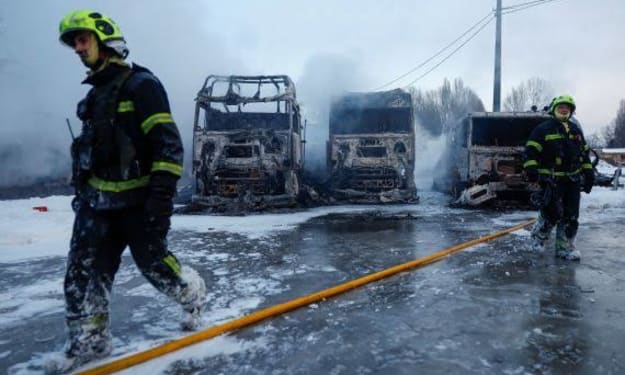
Drone Hits Container Ship Aurelia After Departure From Novorossiysk. AI-Generated.
A container ship, the Aurelia, was reportedly struck by a drone shortly after departing from the Russian port of Novorossiysk, raising concerns about maritime security and regional tensions. The incident, confirmed by shipping authorities, highlights the growing risk of unmanned aerial threats to commercial shipping in busy international waters. Officials say the ship sustained minor damage, and no crew members were injured, but the event underscores the increasing use of drones in conflict zones and strategic maritime routes. The Incident According to initial reports, the Aurelia was departing Novorossiysk, a key port on the Black Sea, when it was hit by a small, unmanned aerial vehicle (drone). The vessel, which carries containerized cargo to various international destinations, was immediately checked for structural damage, and standard safety protocols were followed. The Russian authorities have launched an investigation to determine the type of drone involved, its origin, and whether the attack was targeted or accidental. Maritime Security Concerns The incident raises serious questions about maritime security in the Black Sea and nearby waters, where commercial shipping often intersects with geopolitical tensions. Experts warn that drones have become increasingly accessible to state and non-state actors, allowing them to target ships, ports, and offshore installations with minimal risk. Shipping analysts point out that even small drones can cause significant damage to vessels, endanger crews, and disrupt international trade routes if left unchecked. Strategic Importance of Novorossiysk Novorossiysk is one of Russia’s most important ports on the Black Sea, handling millions of tons of cargo annually, including grain, oil, and industrial products. Any incident in this area has the potential to affect regional trade, global supply chains, and shipping insurance rates. Maritime experts emphasize that ports like Novorossiysk are strategically sensitive, and even minor attacks can have wide-ranging economic and political implications. Drone Threats to Commercial Shipping The use of drones in maritime environments is a growing global concern. Modern drones are lightweight, portable, and often difficult to detect, making them capable of: Tracking ship movements Delivering explosives or causing physical damage Disrupting port operations and cargo handling Acting as tools for espionage Shipping companies are now investing in anti-drone technology, radar systems, and security protocols to mitigate these risks. However, authorities admit that unmanned aerial threats remain a serious vulnerability for commercial vessels. Economic Implications While the Aurelia incident caused no injuries and limited damage, the broader economic risks are significant. Experts warn that: Insurance premiums for vessels in high-risk areas may rise Shipping routes could be adjusted to avoid potential drone attacks Global trade in sensitive regions could face disruptions if incidents increase The presence of drones in maritime corridors has become a factor in trade strategy, route planning, and port security, particularly in conflict-prone regions. Regional Context The Black Sea has become a hotspot for military activity and geopolitical tension. Countries in the region, including Russia, Ukraine, and NATO allies, maintain significant naval operations. While the exact motivations behind the drone attack on the Aurelia remain unclear, analysts suggest it could be related to ongoing regional conflicts or security testing by state or non-state actors. Maritime security experts stress that international cooperation is crucial to ensure commercial shipping remains safe in contested waters. International Response Shipping organizations and maritime authorities have expressed concern over the incident. The International Maritime Organization (IMO) and other bodies are monitoring developments and recommending precautionary measures for vessels operating in sensitive regions. Experts suggest that ship operators conduct risk assessments, implement enhanced lookout procedures, and coordinate with local authorities when passing through areas prone to drone or missile attacks. Crew Safety and Protocols The Aurelia’s crew reportedly followed established safety procedures, ensuring the ship remained operational and undamaged beyond minor impacts. Maritime safety protocols now often include: Immediate assessment of damage after an aerial or missile threat Communication with port authorities and coast guard services Evacuation plans if drones carry explosives or pose direct danger Reporting incidents to national and international maritime organizations These measures are becoming standard practice in regions where drones pose a credible risk to commercial vessels. Looking Ahead The Aurelia incident is a reminder that modern maritime operations are increasingly vulnerable to unmanned threats. Shipping companies and port authorities worldwide are being urged to: Invest in drone detection and neutralization systems Train crews on responding to aerial threats Coordinate internationally to ensure safe passage in contested or sensitive waters Experts predict that such threats will only grow unless proactive measures are implemented, combining technology, training, and international cooperation. Conclusion The drone strike on the container ship Aurelia near Novorossiysk highlights the emerging risks of unmanned aerial technology in maritime trade. While no one was injured, the incident underscores the need for heightened security, international coordination, and investment in defensive technologies. As commercial shipping continues to operate in geopolitically sensitive areas, the Aurelia serves as a cautionary example of how modern warfare and technology intersect with global trade, reminding the world that even routine maritime operations are not immune to conflict-driven disruptions.
By Fiaz Ahmed 2 months ago in The Swamp
UAE Weather Tomorrow: Rains Likely; Temperatures to Rise. AI-Generated.
The United Arab Emirates is preparing for a change in its weather conditions as forecasters predict rain and rising temperatures across the country tomorrow. Residents and travelers are advised to stay updated with local weather alerts, as the shift could affect daily activities, traffic, and outdoor events. Meteorologists have noted that this weather pattern is part of a seasonal transition, bringing a mix of showers, mild winds, and warmer daytime temperatures. The change comes after several days of relatively dry and moderate weather across the UAE. Expected Weather Conditions According to the National Centre of Meteorology (NCM), the UAE will experience partly cloudy skies in most areas, with chances of scattered rain showers in some regions. Temperatures are expected to rise slightly, reaching maximums higher than the recent average for this time of year. Specific forecasts for major cities include: Abu Dhabi: Cloudy periods with isolated showers; temperatures between 22°C and 30°C Dubai: Sunny to partly cloudy with chances of light rain; temperatures around 24°C–31°C Sharjah: Light rain expected in some areas; highs of 30°C Northern Emirates (Ras Al Khaimah, Fujairah): Increased cloud cover with scattered showers; temperatures between 20°C and 29°C The NCM has also issued a notice for occasional gusty winds, particularly along coastal areas, which may affect marine activities and beachgoers. Causes of the Weather Change Meteorologists explain that the predicted rains and temperature rise are linked to: Shifting air masses: Cooler air from the north interacting with the warmer Gulf air is causing cloud formation and occasional rain. Seasonal transition: As the UAE moves towards its warmer months, temperatures naturally rise, even as intermittent rain falls in some areas. Regional atmospheric disturbances: Occasional low-pressure systems over the Arabian Peninsula bring moisture from surrounding seas, increasing rain potential. While the rain is expected to be light to moderate, it can temporarily affect visibility and road conditions, especially in areas prone to water accumulation. Impact on Daily Life Residents and visitors are advised to consider the following due to the changing weather: Road Safety: Rain may make roads slippery. Drivers are encouraged to maintain safe speeds and keep a safe distance from other vehicles. Travel Plans: Flight schedules may experience minor delays due to weather-related air traffic adjustments. Outdoor Activities: Those planning outdoor events, picnics, or beach visits should check local forecasts and be prepared for sudden showers. Marine Conditions: Boating and fishing enthusiasts should note choppy seas due to gusty winds, particularly along the UAE coastline. Temperature Trends While rain is expected, temperatures are forecasted to rise slightly across the country. Daytime highs will generally reach 30°C to 31°C in major cities, with cooler early mornings between 20°C and 24°C. Meteorologists emphasize that even with rain, the overall trend points toward warmer daytime conditions, marking a transition into the pre-summer period. Nights may remain slightly cooler, offering relief from the daytime heat. Preparation and Precautionary Measures Weather experts advise the public to take simple precautionary measures: Carry umbrellas or raincoats when moving outdoors. Check local weather apps and official NCM updates regularly. Drive cautiously on wet roads and follow traffic advisories. Secure outdoor items such as furniture, tents, or decorations that could be affected by gusty winds. Stay informed about marine weather updates if engaging in boating or fishing activities. By taking these precautions, residents can safely navigate the changes in weather without significant disruption to daily life. Regional Weather Patterns The UAE’s weather is influenced by its desert climate, but seasonal shifts and occasional regional disturbances often bring short-term rainfall and temperature variations. Northern Emirates: More likely to receive rain due to proximity to the Hajar Mountains, which can trap moist air and cause showers. Central and Southern Emirates: Rain is usually less frequent, but isolated showers can occur, particularly near coastal regions. Coastal Areas: Experience higher humidity and occasional gusty winds, especially when rain systems pass through. Expert Advice Experts from the NCM stress that such weather changes are normal and seasonal. While heavy rains are unlikely, even light showers can temporarily affect commuting, outdoor plans, and local businesses. Meteorologists also advise keeping an eye on short-term forecasts, as local weather can shift rapidly due to regional atmospheric changes. Conclusion Tomorrow, the UAE can expect a mix of rain showers and rising temperatures, signaling a shift in the seasonal weather pattern. Residents are encouraged to stay informed, take necessary precautions, and plan outdoor activities carefully. While the rain may be light and scattered, its presence reminds everyone that even in a predominantly arid country, weather conditions can change quickly, affecting roads, travel, and daily life. With proper awareness and preparation, the UAE’s residents and visitors can navigate these weather changes safely while enjoying the mild rainfall and warmer daytime temperatures.
By Fiaz Ahmed 2 months ago in Earth
UAE Exits Islamabad Airport Outsourcing Plan, Pakistan Moves Toward Privatisation. AI-Generated.
In a significant development, the United Arab Emirates (UAE) has pulled out of its planned outsourcing deal for Islamabad International Airport, paving the way for Pakistan to explore alternative options for privatisation and management of the national gateway. The decision marks a shift in Pakistan’s approach to modernizing its key infrastructure and reflects ongoing challenges in attracting international investors.
By Fiaz Ahmed 2 months ago in Wander
Cargo Ship Capsizes Off Scarborough; 13 Filipino Crew Rescued. AI-Generated.
A cargo ship capsized off the coast of Scarborough this week, prompting a swift and coordinated rescue operation. Authorities confirmed that all 13 Filipino crew members aboard the vessel were rescued safely, though the incident has raised concerns about maritime safety and the risks faced by commercial shipping crews. The event highlights both the dangerous conditions of modern shipping and the importance of international cooperation in ensuring the safety of sailors at sea. The Incident According to officials, the cargo ship encountered rough seas and high winds while navigating the North Sea near Scarborough. The vessel reportedly lost stability and capsized, forcing the crew to send an emergency distress signal. Coastguard teams responded immediately, deploying rescue boats and helicopters to reach the crew. After several hours of challenging operations, all 13 crew members were rescued, and there were no reported fatalities or serious injuries. Crew Background The crew, all Filipino nationals, were part of the ship’s regular operational team. Authorities praised their calm and professional response during the emergency, which contributed to the successful rescue. Officials also highlighted the rigorous training that commercial crews receive, which prepares them for emergency situations such as capsizing, fires, or severe weather at sea. Maritime Safety Concerns The incident has drawn attention to maritime safety and the vulnerabilities of cargo ships, especially in rough waters. Experts note that capsizing can occur due to: Severe weather conditions Improper cargo loading or imbalance Structural weaknesses or mechanical failures Human error during navigation Authorities are now investigating the exact cause of the capsizing, including whether the vessel met international safety standards and if weather warnings were adequately heeded. Rescue Efforts The rescue operation involved multiple agencies, including the UK Coastguard, Scarborough lifeboat teams, and local maritime authorities. Helicopters were dispatched to airlift crew members in dangerous conditions, and lifeboats maneuvered carefully in rough seas to reach the overturned vessel. Coastguard officials emphasized the importance of rapid response in preventing casualties at sea. The successful rescue was attributed to efficient coordination and modern maritime technology, including GPS tracking and real-time communication with the distressed ship. Global Shipping Context Cargo ships transport millions of tons of goods across the world daily, but shipping remains one of the most hazardous professions. According to international maritime organizations, thousands of incidents occur each year due to weather, mechanical failure, or human error. The Scarborough incident serves as a reminder of the risks faced by seafarers and the critical importance of international safety protocols, crew training, and emergency preparedness. Filipino Crew Safety The Filipino government has long emphasized the welfare of its nationals working overseas in maritime professions. The successful rescue will reassure families and authorities about the importance of proper training and safety protocols. The Philippines is one of the largest providers of merchant mariners worldwide, and incidents like this underscore the need for ongoing support, monitoring, and training programs for Filipino seafarers working abroad. Investigations Underway Authorities have launched a formal investigation to determine the exact cause of the capsizing. Key areas of focus include: Weather conditions and forecasting accuracy Cargo stability and load distribution Ship maintenance and structural integrity Crew actions and emergency response The investigation will help inform future safety measures and prevent similar incidents in the future. Community and Public Response The local community in Scarborough and maritime enthusiasts worldwide expressed relief at the successful rescue. Social media has seen an outpouring of support, highlighting the bravery of the crew and the rescuers. Experts suggest that public attention to such events can encourage better compliance with safety regulations and increased awareness of the risks faced by maritime professionals. Lessons Learned While no lives were lost, the incident serves as a cautionary tale about the unpredictable nature of the sea. It also highlights: The value of training and preparedness in maritime professions The importance of coordinated rescue operations The need for continued investment in ship safety and monitoring technologies Maritime authorities stress that incidents like this, although rare, reinforce global standards for shipping safety and emergency response readiness. Conclusion The capsizing of the cargo ship off Scarborough underscores both the dangers of modern maritime work and the effectiveness of emergency response systems. With all 13 Filipino crew members rescued safely, the event is a reminder of the bravery, skill, and resilience of seafarers worldwide. As investigations continue, authorities hope to uncover lessons that will improve safety, prevent future accidents, and protect the lives of those who work tirelessly at sea. In a world dependent on global shipping, safeguarding crew members is as critical as ensuring the cargo they transport.
By Fiaz Ahmed 2 months ago in The Swamp
HMS Richmond to Be Decommissioned This Year – Royal Navy Down to Six Frigates. AI-Generated.
The Royal Navy is preparing to decommission HMS Richmond later this year, marking a significant reduction in its fleet of frigates. Once a vital component of Britain’s maritime defense, HMS Richmond has served in numerous missions worldwide, showcasing the Royal Navy’s capabilities. With its retirement, the number of active frigates will drop to just six, raising questions about the navy’s operational capacity in the years ahead.
By Fiaz Ahmed 2 months ago in The Swamp
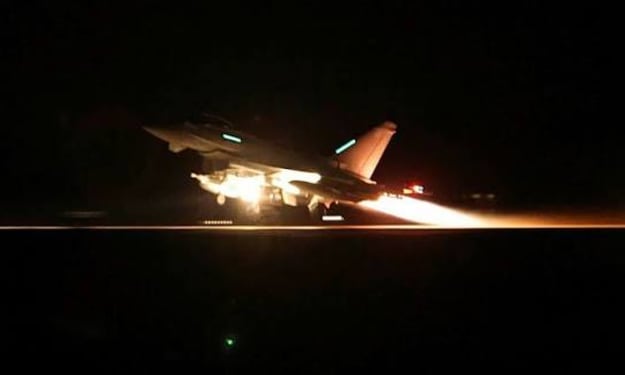
UK Deploys Typhoon Jets to Qatar in Middle East. AI-Generated.
The United Kingdom has deployed its Typhoon fighter jets to Qatar, signaling an increased military presence in the Middle East. Officials from the Royal Air Force (RAF) emphasized that the move is part of ongoing efforts to enhance regional security, strengthen alliances, and deter potential threats.
By Fiaz Ahmed 2 months ago in The Swamp
UAE Abruptly Cuts Aid to Vital Hospitals After Withdrawing from Yemen. AI-Generated.
The United Arab Emirates (UAE) has abruptly cut aid to several key hospitals in Yemen, following its recent decision to withdraw from military operations in the conflict-ridden country. The move has raised serious concerns about the future of healthcare and humanitarian support in Yemen, where millions already face severe shortages of medical care, food, and clean water. Humanitarian organizations warn that this sudden reduction in funding could exacerbate an already dire health crisis, particularly for vulnerable populations, including women, children, and the elderly. UAE’s Withdrawal from Yemen The UAE had been a major player in the coalition that intervened in Yemen’s civil war. Its involvement included military operations, logistical support, and humanitarian assistance. However, the country recently announced its decision to scale back military engagement, citing strategic realignments and domestic priorities. While the UAE’s withdrawal may signal a shift in regional policy, its impact is being felt immediately on the ground, especially in hospitals and clinics that relied heavily on UAE aid for staffing, supplies, and equipment. Impact on Yemen’s Healthcare System Yemen’s healthcare system has been under strain for years due to ongoing conflict, blockades, and chronic underfunding. The UAE’s aid had supported several vital services, including: Emergency care for war victims Treatment of chronic illnesses Maternal and child health services Medical supplies and equipment for hospitals With this funding cut, hospitals face staff shortages, lack of essential medicines, and reduced capacity to treat patients. Health officials warn that some facilities may be forced to limit services or close entirely, leaving communities without access to life-saving care. Humanitarian Concerns International humanitarian organizations have expressed alarm at the timing and scale of the aid reduction. The World Health Organization (WHO) and other agencies emphasize that Yemen is already facing multiple overlapping crises, including: Food insecurity affecting millions Outbreaks of preventable diseases Displacement of families due to conflict Infrastructure collapse in urban and rural areas Aid cuts threaten to worsen these crises, potentially leading to higher mortality rates and deeper social instability. Regional and Global Reactions The UAE’s decision has drawn reactions from governments and NGOs worldwide. While some analysts note that strategic realignment is a sovereign decision, others stress the moral responsibility to maintain humanitarian support. Experts warn that the reduction could strain relations with international organizations and impact Yemen’s recovery efforts. They also highlight the need for other donors and coalition partners to fill the gap, to prevent further deterioration of healthcare services. Challenges Facing Hospitals Hospital administrators in Yemen are reporting immediate challenges due to the funding cuts: Staffing Shortages – Many hospitals relied on UAE-funded salaries for doctors, nurses, and technical staff. Without this support, personnel may leave or reduce hours. Medical Supplies – Critical medications, surgical tools, and equipment maintenance were partly funded by UAE contributions. Supply chains may now be disrupted. Operational Costs – Electricity, water, and facility maintenance often depended on external aid. Cuts could force hospitals to reduce services or shut down. The combination of these challenges could increase patient mortality and further strain communities already affected by conflict. Human Stories Patients and healthcare workers on the ground report worrying conditions. Mothers bringing children for treatment, war-injured civilians, and people with chronic illnesses face uncertain access to care. Healthcare workers describe long hours, limited supplies, and the moral burden of turning away patients due to lack of resources. Humanitarian organizations stress that every day counts, and the loss of support could have life-threatening consequences for tens of thousands of Yemenis. Broader Implications The UAE’s aid reduction underscores broader issues: Dependency on external donors – Yemen’s health system is heavily reliant on foreign aid, highlighting vulnerability to sudden funding changes. Fragility of conflict-affected states – Sudden shifts in international support can have immediate, severe consequences on civilian populations. Importance of coordinated aid – The situation demonstrates the need for international collaboration to maintain stability and healthcare delivery. Calls for Action International agencies, including the United Nations, have urged the UAE to consider transitional support measures, ensuring hospitals can continue operations while alternative funding is secured. Some recommendations include: Short-term emergency funding from other donors Partnerships with NGOs to maintain hospital staffing and supplies Rapid response plans for critical healthcare services The urgency is clear: without immediate action, Yemen’s healthcare system could face a crisis within weeks. Conclusion The UAE’s abrupt reduction of aid to vital hospitals in Yemen highlights the fragility of healthcare systems in conflict zones. While geopolitical and strategic considerations may guide the UAE’s decision, the immediate impact falls on millions of civilians who depend on these hospitals for survival. Humanitarian experts warn that coordinated international support is essential to prevent further suffering. As Yemen navigates this new challenge, the world watches closely, emphasizing the moral and practical importance of sustaining healthcare in regions affected by war and instability.
By Fiaz Ahmed 2 months ago in The Swamp
A Century in the Siberian Wilderness: The Old Believers Who Time Forgot. AI-Generated.
Deep in the vast and icy expanses of Siberia, there exists a community that has lived almost untouched by the modern world for over a century. Known as the Old Believers, these people follow an ancient branch of Russian Orthodoxy, preserving rituals, traditions, and a way of life that has largely disappeared elsewhere. Their story is one of faith, resilience, and a deliberate retreat from the pressures of modern society. Who Are the Old Believers? The Old Believers originated in the 17th century, during a period of religious reform in Russia. When the Russian Orthodox Church attempted to standardize rituals and texts, some believers rejected these changes, insisting on preserving the original practices. This refusal to conform led to persecution, forcing many Old Believers to flee to remote regions of Russia. Over time, some groups migrated to Siberia, where isolation allowed them to practice their faith freely and maintain centuries-old traditions. Their communities remain small, tight-knit, and remarkably self-sufficient. Life in the Siberian Wilderness Life for the Old Believers in Siberia is harsh and demanding, shaped by extreme cold, dense forests, and remote landscapes. Most families live in wooden houses heated by stoves, and they rely on farming, hunting, and fishing to sustain themselves. Modern conveniences such as electricity, cars, and the internet are rare or entirely absent. Daily life revolves around faith, family, and community. Men and women have clearly defined roles: men often work the land, chop wood, or tend to livestock, while women prepare food, care for children, and maintain the home. Despite the challenges, these communities thrive. Their knowledge of the land and self-reliance enables them to endure long, bitter winters and seasonal hardships. Faith at the Core Religion is the foundation of Old Believer life. Services are conducted in ancient Slavonic, using rituals and chants that date back hundreds of years. They reject modernizations of church practices, holding fast to the liturgical books and customs of pre-reform Russian Orthodoxy. Faith is not only a spiritual practice but also a guide for daily conduct. Their belief system shapes everything from diet and clothing to family life and social interactions. Community members see adherence to tradition as a moral duty and a way to honor their ancestors. Preserving Tradition in Isolation The Old Believers’ remoteness has been both a blessing and a challenge. It allowed them to preserve rituals, crafts, and customs that disappeared elsewhere, but it also meant limited access to healthcare, education, and infrastructure. Schools in these communities are often small, teaching basic literacy and arithmetic alongside religious instruction. Modern technology is used sparingly, usually only when necessary to contact the outside world or acquire supplies. Despite these constraints, the community has successfully passed down knowledge and traditions from generation to generation, a rare achievement in the modern era. Challenges of the Modern World While isolation has preserved their culture, it also poses challenges. Younger generations face temptation from the outside world, including education, technology, and employment opportunities. Some leave for cities, seeking a different life, while others return, drawn by family ties and faith. Environmental changes in Siberia, such as deforestation and climate shifts, also affect their traditional ways of living. Hunting, fishing, and agriculture are increasingly unpredictable, requiring adaptation while still adhering to centuries-old practices. Cultural Significance The Old Believers are more than a historical curiosity—they are living guardians of Russian heritage. Their songs, iconography, and craftsmanship reflect a rich artistic and spiritual tradition. Scholars and anthropologists study these communities to understand pre-modern Russian culture and the ways faith can shape society over centuries. Tourism is limited, but those who do visit are often struck by the discipline, simplicity, and resilience of these communities. They offer a rare glimpse into a way of life largely untouched by globalized culture. Lessons from the Old Believers The story of the Old Believers offers several lessons: Resilience: Surviving in the harsh Siberian wilderness requires courage, ingenuity, and determination. Faith and community: Shared beliefs and close-knit bonds provide social cohesion and emotional support. Preservation of culture: Maintaining traditions in isolation shows how communities can protect identity across centuries. Balance with nature: Dependence on local resources encourages sustainable living and deep respect for the environment. In a world dominated by technology and rapid change, the Old Believers remind us of the value of simplicity, tradition, and connection to nature. Looking Ahead While the Old Believers continue to live largely apart from modern society, the pressures of climate change, globalization, and urban migration may impact them in the coming decades. Many communities are exploring carefully balanced ways to adapt, such as limited use of technology for communication and education while preserving core traditions. As long as these communities endure, they provide a unique window into a past that has been largely forgotten, preserving a spiritual and cultural legacy that modern life often overlooks. Conclusion The Old Believers of Siberia have spent a century living on the fringes of the modern world, maintaining faith, culture, and community against incredible odds. Their story is a testament to human resilience, devotion, and the enduring power of tradition. In the silent forests and frozen rivers of Siberia, they continue a way of life that seems almost timeless—a living link to Russia’s spiritual and cultural history, reminding the world that even in isolation, faith and tradition can thrive.
By Fiaz Ahmed 2 months ago in Humans
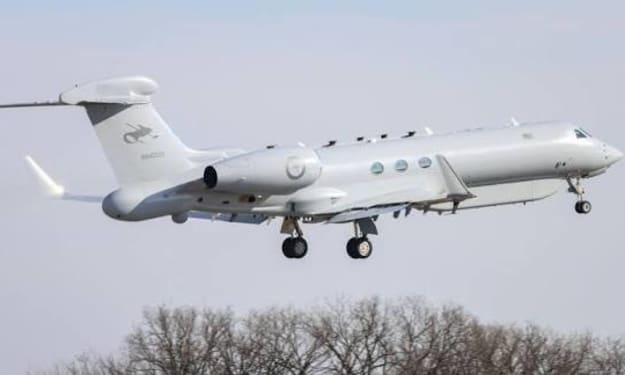
Australia Just Took Delivery Of One Of Its Most Powerful Weapons. AI-Generated.
Australia has officially taken delivery of one of its most powerful weapons, marking a significant step in modernizing its defense capabilities. The new system, hailed by defense officials as a “game-changer,” is expected to strengthen the nation’s ability to respond to potential threats and enhance its position in regional security. The acquisition reflects Australia’s commitment to upgrading its military hardware in a period of growing geopolitical uncertainty in the Indo-Pacific region. What the Weapon Is While official details remain partly classified, defense sources confirm that the weapon is a long-range precision strike system, designed to operate across multiple platforms. Analysts describe it as capable of: Engaging distant targets with high accuracy Providing rapid response in emergency scenarios Integrating with existing defense networks for real-time coordination The system is considered one of the most advanced in the Australian arsenal, comparable to the top military equipment of allied nations. Strategic Significance Officials argue that the new weapon will serve several purposes: Deterrence: Strengthening Australia’s defensive posture to discourage potential aggression. Force Multiplication: Allowing fewer troops to cover larger operational areas effectively. Regional Stability: Contributing to Australia’s role in supporting peace and security across the Indo-Pacific. With rising tensions in the region, particularly related to the South China Sea and neighboring territories, the addition of this weapon gives Australia greater strategic flexibility and strengthens partnerships with allies. Delivery and Deployment The weapon system arrived in Australia under tight security, reflecting its strategic importance. Military officials confirmed that training and integration into existing forces will take several months, ensuring that personnel are fully prepared to operate it safely and effectively. Defense analysts note that delivery is only the first step in a long process of operational readiness. The system must be tested extensively under real-world conditions, integrated with command and control networks, and maintained at peak readiness. Implications for Australia’s Military Capabilities This acquisition significantly enhances Australia’s defense capabilities, particularly in areas such as: Long-range precision strikes: The system allows military planners to engage targets at greater distances with high accuracy. Interoperability: Designed to work seamlessly with allied forces, improving joint operations. Deterrence: The presence of advanced systems signals to potential adversaries that Australia is prepared and capable. Experts suggest that this system will be particularly valuable for rapid response missions and in scenarios where traditional platforms may be limited. Regional Reactions The delivery has drawn attention from neighboring countries and defense observers worldwide. While Australia emphasizes that the system is defensive in nature, analysts note that its introduction will likely influence regional military calculations. Allied nations have welcomed the move, seeing it as a reinforcement of collective security arrangements. At the same time, some observers caution that the deployment may spark an arms competition, underscoring the delicate balance between security and escalation. Historical Context Australia has gradually upgraded its military capabilities over the past two decades, reflecting both technological advancements and changing strategic priorities. The acquisition of this weapon follows earlier investments in: Advanced fighter aircraft Submarines and naval vessels Cybersecurity and intelligence infrastructure The new weapon represents a continuation of Australia’s efforts to maintain a credible and modern defense force capable of protecting its territory and interests. Expert Opinions Defense experts have highlighted several key points: Modernization: The weapon reflects a broader trend of modernization and integration of technology in defense. Strategic Signal: Delivery serves as a signal to both allies and potential adversaries of Australia’s commitment to security. Operational Impact: While powerful, the system will require careful planning, training, and support to realize its full potential. Analysts also caution that technology alone does not guarantee security; strategy, personnel, and alliances remain critical components. Looking Ahead Military officials stress that the delivery is just the beginning. Future steps include: Operational testing and drills Integration with other platforms and systems Developing new doctrines and tactics to maximize effectiveness As Australia continues to modernize its defense infrastructure, this weapon is expected to become a central component of its strategic planning and regional defense posture. Conclusion The delivery of one of Australia’s most powerful weapons marks a significant moment in the nation’s defense journey. While it strengthens security and enhances capabilities, experts emphasize that its effectiveness will depend on training, strategy, and careful integration. In a region marked by rising tensions and complex security challenges, Australia’s new weapon represents both preparedness and a commitment to national defense, reinforcing the country’s role as a capable and responsible player in regional stability.
By Fiaz Ahmed 2 months ago in The Swamp