
A Century in the Siberian Wilderness: The Old Believers Who Time Forgot
A Remote Community Preserves Faith and Tradition in the Harsh Siberian Wilderness

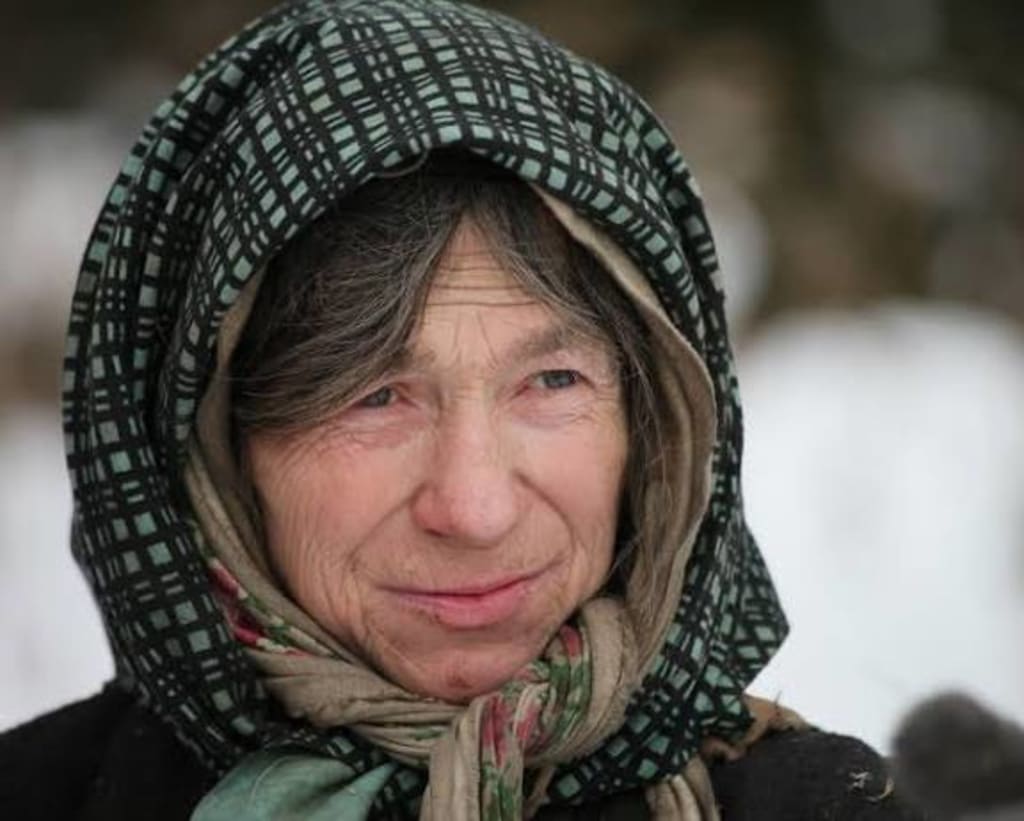
Deep in the vast and icy expanses of Siberia, there exists a community that has lived almost untouched by the modern world for over a century. Known as the Old Believers, these people follow an ancient branch of Russian Orthodoxy, preserving rituals, traditions, and a way of life that has largely disappeared elsewhere. Their story is one of faith, resilience, and a deliberate retreat from the pressures of modern society.
Who Are the Old Believers?
The Old Believers originated in the 17th century, during a period of religious reform in Russia. When the Russian Orthodox Church attempted to standardize rituals and texts, some believers rejected these changes, insisting on preserving the original practices. This refusal to conform led to persecution, forcing many Old Believers to flee to remote regions of Russia.
Over time, some groups migrated to Siberia, where isolation allowed them to practice their faith freely and maintain centuries-old traditions. Their communities remain small, tight-knit, and remarkably self-sufficient.
Life in the Siberian Wilderness
Life for the Old Believers in Siberia is harsh and demanding, shaped by extreme cold, dense forests, and remote landscapes. Most families live in wooden houses heated by stoves, and they rely on farming, hunting, and fishing to sustain themselves. Modern conveniences such as electricity, cars, and the internet are rare or entirely absent.
Daily life revolves around faith, family, and community. Men and women have clearly defined roles: men often work the land, chop wood, or tend to livestock, while women prepare food, care for children, and maintain the home.
Despite the challenges, these communities thrive. Their knowledge of the land and self-reliance enables them to endure long, bitter winters and seasonal hardships.
Faith at the Core
Religion is the foundation of Old Believer life. Services are conducted in ancient Slavonic, using rituals and chants that date back hundreds of years. They reject modernizations of church practices, holding fast to the liturgical books and customs of pre-reform Russian Orthodoxy.
Faith is not only a spiritual practice but also a guide for daily conduct. Their belief system shapes everything from diet and clothing to family life and social interactions. Community members see adherence to tradition as a moral duty and a way to honor their ancestors.
Preserving Tradition in Isolation
The Old Believers’ remoteness has been both a blessing and a challenge. It allowed them to preserve rituals, crafts, and customs that disappeared elsewhere, but it also meant limited access to healthcare, education, and infrastructure.
Schools in these communities are often small, teaching basic literacy and arithmetic alongside religious instruction. Modern technology is used sparingly, usually only when necessary to contact the outside world or acquire supplies.
Despite these constraints, the community has successfully passed down knowledge and traditions from generation to generation, a rare achievement in the modern era.
Challenges of the Modern World
While isolation has preserved their culture, it also poses challenges. Younger generations face temptation from the outside world, including education, technology, and employment opportunities. Some leave for cities, seeking a different life, while others return, drawn by family ties and faith.
Environmental changes in Siberia, such as deforestation and climate shifts, also affect their traditional ways of living. Hunting, fishing, and agriculture are increasingly unpredictable, requiring adaptation while still adhering to centuries-old practices.
Cultural Significance
The Old Believers are more than a historical curiosity—they are living guardians of Russian heritage. Their songs, iconography, and craftsmanship reflect a rich artistic and spiritual tradition. Scholars and anthropologists study these communities to understand pre-modern Russian culture and the ways faith can shape society over centuries.
Tourism is limited, but those who do visit are often struck by the discipline, simplicity, and resilience of these communities. They offer a rare glimpse into a way of life largely untouched by globalized culture.
Lessons from the Old Believers
The story of the Old Believers offers several lessons:
Resilience: Surviving in the harsh Siberian wilderness requires courage, ingenuity, and determination.
Faith and community: Shared beliefs and close-knit bonds provide social cohesion and emotional support.
Preservation of culture: Maintaining traditions in isolation shows how communities can protect identity across centuries.
Balance with nature: Dependence on local resources encourages sustainable living and deep respect for the environment.
In a world dominated by technology and rapid change, the Old Believers remind us of the value of simplicity, tradition, and connection to nature.
Looking Ahead
While the Old Believers continue to live largely apart from modern society, the pressures of climate change, globalization, and urban migration may impact them in the coming decades. Many communities are exploring carefully balanced ways to adapt, such as limited use of technology for communication and education while preserving core traditions.
As long as these communities endure, they provide a unique window into a past that has been largely forgotten, preserving a spiritual and cultural legacy that modern life often overlooks.
Conclusion
The Old Believers of Siberia have spent a century living on the fringes of the modern world, maintaining faith, culture, and community against incredible odds. Their story is a testament to human resilience, devotion, and the enduring power of tradition.
In the silent forests and frozen rivers of Siberia, they continue a way of life that seems almost timeless—a living link to Russia’s spiritual and cultural history, reminding the world that even in isolation, faith and tradition can thrive.
About the Creator
Fiaz Ahmed
I am Fiaz Ahmed. I am a passionate writer. I love covering trending topics and breaking news. With a sharp eye for what’s happening around the world, and crafts timely and engaging stories that keep readers informed and updated.
Keep reading
More stories from Fiaz Ahmed and writers in Humans and other communities.
Five Key Moments in the Assault on the Rights of Women and Girls in 2025
The year 2025 has emerged as a defining moment for women’s and girls’ rights worldwide—but not in the way many advocates hoped. Across continents, legal rollbacks, social restrictions, and political decisions have challenged decades of progress toward gender equality. While some nations continue to advance protections, others have taken steps backward, placing women and girls at greater risk of discrimination, violence, and exclusion. Below are five key moments from 2025 that highlight the growing assault on the rights of women and girls and why they matter globally.
By Fiaz Ahmed 3 months ago in Humans
Proven Strategies For Overcoming Awkward Conversations During Early Dating Experiences
It is a fact of life that during early dating, there are some awkward situations. They can usually be caused by nervousness, lack of familiarity or poor handing over of the message. The understanding that some discomfort is normal will make it easier to take the pressure and self-growth out of conversations.
By Willian James4 days ago in Humans




Comments
There are no comments for this story
Be the first to respond and start the conversation.