
Russia-Ukraine War Live: Talks End in Abu Dhabi Without Breakthrough
Diplomacy stalls as fighting continues and civilians bear the heaviest burden

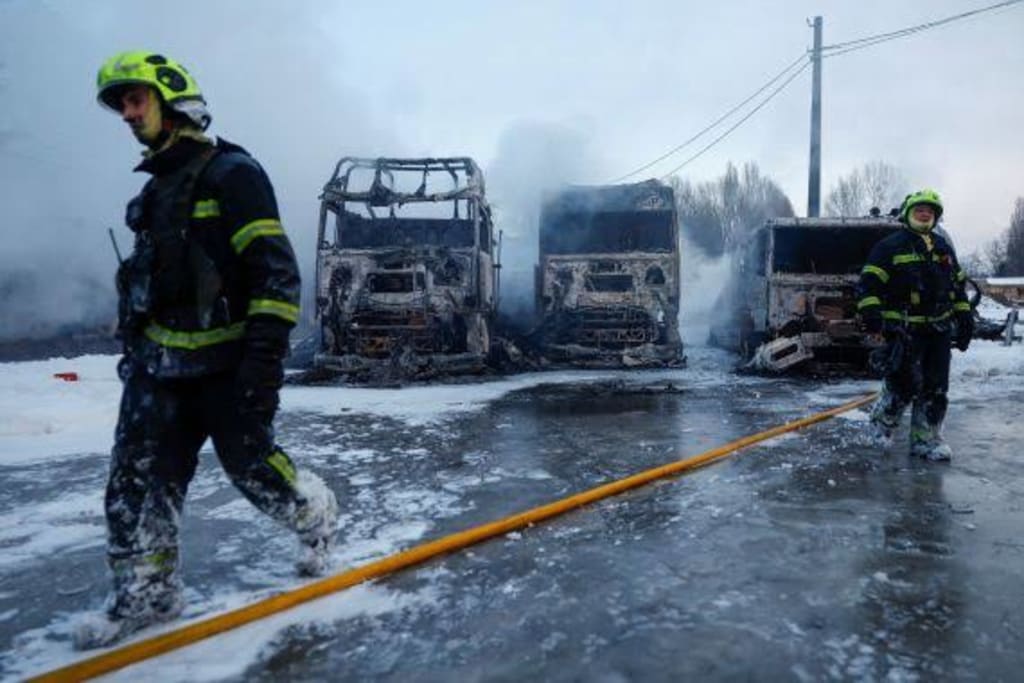
Diplomacy struggles as fighting continues on the ground
The latest round of peace talks aimed at ending the conflict between Russia and Ukraine concluded in Abu Dhabi this week without any major breakthroughs. Despite hopes for progress, both sides left the negotiations with positions largely unchanged, leaving the future of diplomacy uncertain and civilians facing continued hardship.
The Abu Dhabi talks were widely seen as an opportunity to explore ceasefire options, humanitarian access, and broader security guarantees. Yet the two-day meeting revealed the depth of disagreement and the challenges that lie ahead for mediators attempting to bring peace to the region.
What Happened at the Talks
Diplomats and officials from both sides attended the meeting under the guidance of neutral international mediators. Discussions focused on areas including:
Potential ceasefire zones
Humanitarian corridors for civilians and aid delivery
Prisoner exchanges
Economic sanctions and their impact
Despite these discussions, neither Russia nor Ukraine announced any new agreements. Observers noted that while the talks were civil and professional, the fundamental gap in objectives made immediate progress unlikely.
A senior Ukrainian official stated that while Ukraine remains committed to diplomacy, it cannot compromise on sovereignty or territorial integrity. Russia, on the other hand, emphasized security concerns and strategic interests, highlighting a continued mismatch in priorities.
Fighting Continues Despite Diplomacy
While negotiators met in Abu Dhabi, hostilities on the ground persisted. Ukrainian cities and infrastructure have continued to face airstrikes, artillery fire, and other attacks. Civilians are caught in the crossfire, with families displaced from homes and essential services disrupted.
Reports indicate that both sides suffered casualties, and energy infrastructure damage has left thousands without electricity or heating, particularly as winter conditions worsen. Humanitarian organizations have repeatedly warned that continued fighting threatens to escalate an already severe crisis.
The Role of International Mediators
The Abu Dhabi talks were organized with the support of neutral countries and international organizations, aiming to facilitate dialogue where previous attempts had stalled. Mediators emphasized that the goal was not immediate peace, but rather creating a framework for continued negotiation and eventual resolution.
While the meeting did not produce tangible agreements, it provided an important platform for direct communication between Russian and Ukrainian officials. Analysts suggest that even without immediate results, maintaining open channels could reduce the risk of miscalculation and unintended escalation.
Global Reactions
World leaders have closely followed the Abu Dhabi talks. Several Western governments expressed disappointment at the lack of progress, but emphasized the importance of continued dialogue.
The United States highlighted the need for direct talks and clear commitments to reduce civilian suffering.
The European Union reiterated support for Ukraine while urging Russia to engage constructively.
United Nations officials stressed that humanitarian access and protection for civilians must remain central to any discussions.
Observers note that global powers remain divided on strategy, balancing pressure on Russia with efforts to avoid escalating the conflict further.
Why Breakthroughs Are Difficult
Several factors explain why the Abu Dhabi talks ended without agreements:
Deep mistrust: Years of conflict have created significant distrust on both sides, making compromise challenging.
Differing objectives: Ukraine prioritizes territorial integrity and civilian safety, while Russia emphasizes security and influence over contested regions.
Domestic pressures: Leaders from both nations face internal political pressures that limit flexibility.
External influences: Allies, sanctions, and international expectations complicate negotiations and force both sides to maintain strong positions.
Experts argue that unless these core issues are addressed, any short-term negotiations are unlikely to achieve a lasting ceasefire.
What Comes Next
Despite the lack of immediate progress, mediators and officials indicated that future talks are expected. These may focus on smaller, achievable goals such as temporary humanitarian corridors, prisoner releases, or partial ceasefires.
Analysts emphasize that maintaining dialogue is critical. Even if large-scale agreements remain out of reach, ongoing communication helps prevent misunderstandings and reduces the risk of sudden escalations.
At the same time, international organizations continue to push for aid delivery, civilian protection, and compliance with international law, highlighting the human cost of delays in diplomacy.
Impact on Civilians and Regional Stability
For civilians in Ukraine, the failure of the talks is a reminder that the conflict shows no sign of slowing. Displacement, energy shortages, and damage to essential infrastructure continue to affect daily life. The winter months add urgency to humanitarian efforts, as families struggle to stay warm and access basic services.
Regionally, the stalemate affects neighboring countries and global markets. Refugee flows, energy supply disruptions, and geopolitical tension underscore the conflict’s far-reaching consequences.
Conclusion
The Abu Dhabi talks have highlighted a sobering reality: diplomacy in the Russia-Ukraine war remains complex and fragile. While no breakthroughs were achieved, the very act of dialogue provides hope that paths to peace are still possible.
As fighting continues and civilians endure hardship, the international community faces a dual challenge: supporting humanitarian needs while encouraging sustained negotiations. Ultimately, the road to lasting peace will require compromise, trust, and continued engagement — a process that is just beginning, despite the setbacks in Abu Dhabi.
About the Creator
Fiaz Ahmed
I am Fiaz Ahmed. I am a passionate writer. I love covering trending topics and breaking news. With a sharp eye for what’s happening around the world, and crafts timely and engaging stories that keep readers informed and updated.
Keep reading
More stories from Fiaz Ahmed and writers in The Swamp and other communities.
UK Selects Firms for Apache Wingman Drone Programme
New collaboration aims to enhance military capability with autonomous drone support The United Kingdom has officially announced the selection of companies to participate in its Apache wingman drone programme, a significant step in modernizing the nation’s defense capabilities. The programme is designed to pair autonomous drones with manned helicopters, providing advanced support for reconnaissance, surveillance, and combat missions. The move reflects a broader trend in modern warfare, where unmanned systems are increasingly integrated with traditional platforms to improve efficiency, flexibility, and safety on the battlefield. What Is the Apache Wingman Drone Programme? The Apache wingman programme is part of a UK initiative to create loyal wingman drones capable of operating alongside manned Apache helicopters. These drones are designed to fly in coordination with pilots, sharing data, detecting threats, and even carrying out precision strikes if needed. Unlike conventional drones, wingman drones are specifically intended to augment human operators rather than replace them. By providing additional surveillance, electronic warfare capabilities, and combat support, these drones increase the operational effectiveness of manned aircraft while reducing risk to personnel. Selected Firms and Their Roles The Ministry of Defence (MoD) has not disclosed all details publicly, but several leading aerospace and defense companies have been chosen to contribute to the programme. Their responsibilities include: Designing autonomous flight systems for seamless integration with Apache helicopters Developing AI-enabled decision support to assist pilots during high-intensity missions Testing payloads such as sensors, communications, and potentially weapon systems Ensuring cybersecurity and resilience in contested environments Officials emphasized that collaboration between government and private industry is crucial to deliver cutting-edge technology efficiently while maintaining strict safety and compliance standards. Why This Programme Matters The Apache wingman initiative addresses several modern military challenges: Force Multiplication – Wingman drones allow fewer human pilots to cover more territory and engage multiple threats simultaneously. Risk Reduction – Drones can take on the most dangerous tasks, such as scouting hostile areas or confronting anti-aircraft threats, reducing the exposure of pilots. Rapid Adaptability – Autonomous systems can respond quickly to changing battlefield conditions, relaying intelligence to manned aircraft and command centers. Technological Edge – Integrating AI-driven drones ensures the UK remains competitive in an era where unmanned platforms are increasingly central to military strategy. Military analysts note that programmes like Apache wingman are part of a global shift toward human-machine teaming, which combines the judgment and adaptability of humans with the speed and precision of autonomous systems. How Wingman Drones Operate Wingman drones are designed to operate in tightly coordinated formations with manned helicopters. Using secure communications networks, the drones can: Scan areas ahead for threats or targets Share real-time intelligence with the pilot and command centers Execute defensive maneuvers automatically if danger is detected Conduct electronic warfare tasks such as jamming enemy radar Operators maintain control over key decisions, especially those involving the use of weapons. This approach ensures that while drones act autonomously, human oversight remains central, addressing ethical and operational concerns. Global Context and Comparisons Several countries, including the United States, Australia, and Germany, are exploring similar “loyal wingman” programmes. These initiatives reflect a strategic interest in combining manned and unmanned platforms to strengthen airpower while managing operational risk. The UK’s programme demonstrates that it is committed to maintaining technological parity with allies and potential adversaries. By investing in domestic firms and fostering innovation, the country hopes to reduce dependency on foreign systems and retain control over critical defense technologies. Ethical and Strategic Considerations While wingman drones offer clear military advantages, they also raise important questions: Autonomy and decision-making – How much independence should drones have in high-risk situations? Civilian safety – Ensuring systems can distinguish between combatants and non-combatants is critical. International regulations – Emerging norms around autonomous weapons are still evolving, requiring careful oversight. The UK Ministry of Defence has stated that all operations will comply with international humanitarian law and that human pilots will retain authority over lethal engagements. Next Steps for the Programme The selected firms will now enter a phase of design, development, and testing, with milestones including prototype flights, system integration, and operational evaluation. The MoD anticipates that the programme will continue to expand over the coming years, with additional drones and updated capabilities being introduced as technology advances. Military analysts suggest that the Apache wingman programme could serve as a model for future UK air combat systems, integrating AI, robotics, and human-machine teaming across other platforms as well. Conclusion The UK’s Apache wingman drone programme represents a major step forward in modern military strategy. By combining autonomous drones with manned helicopters, the country is investing in flexibility, efficiency, and safety for future combat operations. While technical, ethical, and operational challenges remain, the programme highlights a global trend toward human-machine collaboration in defense. For the UK, the selected firms’ contributions could pave the way for a new generation of advanced air combat systems, ensuring the nation remains at the forefront of military technology.
By Fiaz Ahmed a day ago in The Swamp
Gold & Silver Price Forecast: Will Gains Continue?
An in-depth look at the forces shaping precious metal prices and what investors should watch next. Gold and silver have once again captured the spotlight in global financial markets. After a period of strong gains punctuated by sharp pullbacks, investors are asking a familiar but pressing question: will the rally in gold and silver prices continue, or are the markets approaching another turning point? Understanding the outlook for these precious metals requires a close look at macroeconomic trends, monetary policy, geopolitical risks, and shifting investor behavior.
By Salaar Jamali7 days ago in The Swamp



Comments
There are no comments for this story
Be the first to respond and start the conversation.