
UK Deploys Typhoon Jets to Qatar in Middle East
Royal Air Force Sends Advanced Fighter Jets to Strengthen Regional Security in the Gulf

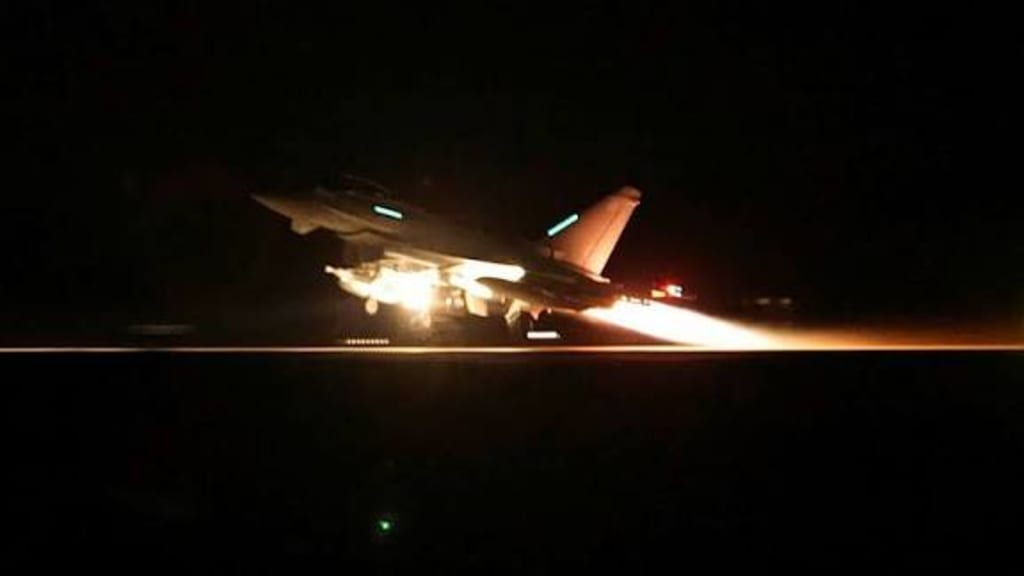
The United Kingdom has deployed its Typhoon fighter jets to Qatar, signaling an increased military presence in the Middle East. Officials from the Royal Air Force (RAF) emphasized that the move is part of ongoing efforts to enhance regional security, strengthen alliances, and deter potential threats.
The deployment highlights the UK’s commitment to supporting stability in a volatile region and maintaining strong ties with strategic partners, particularly Gulf Cooperation Council (GCC) nations.
Typhoon Jets: A Strategic Asset
The Eurofighter Typhoon is one of the most advanced multirole fighter aircraft in the world. Known for its speed, agility, and precision, the Typhoon is capable of performing:
Air-to-air combat
Air-to-ground strikes
Reconnaissance missions
Rapid response in crisis situations
By deploying these jets to Qatar, the UK enhances its ability to respond quickly to regional threats and provides air support to allied forces operating in the Middle East.
Why Qatar?
Qatar is a key strategic partner for the UK in the Gulf region. Hosting British jets allows for:
Closer coordination with regional allies
Rapid response to potential conflicts
Joint military training exercises
Deterrence against hostile actions
Officials stress that the deployment is defensive in nature, designed to strengthen regional security rather than provoke escalation.
Regional Security Context
The Middle East remains a complex and often volatile region, with multiple political, economic, and security challenges. Conflicts in Yemen, Syria, and tensions in the Persian Gulf have made the area a strategic focus for Western military powers.
The UK’s deployment aligns with long-standing defense commitments, ensuring that allied nations have air support and rapid-response capabilities in times of crisis. Analysts also note that a visible military presence can act as a deterrent against potential aggressors.
RAF Operations and Coordination
RAF commanders in Qatar emphasized that the Typhoon jets will operate closely with local and coalition forces, conducting:
Routine patrols over strategic airspace
Joint exercises with allied air forces
Intelligence-sharing missions
Humanitarian support in emergencies
The deployment also strengthens training opportunities, allowing pilots to operate in a realistic and challenging environment while maintaining readiness for potential operations anywhere in the region.
The Typhoon’s Role in Modern Defense
The Typhoon is central to the UK’s air defense strategy. It is equipped with:
Advanced radar and targeting systems
Precision-guided munitions
Long-range missiles for air superiority missions
Cutting-edge communication technology for networked operations
Defense analysts highlight that deploying Typhoons abroad demonstrates operational flexibility, as the UK can project power quickly and respond to threats while maintaining homeland security.
Political and Diplomatic Implications
Deploying fighter jets overseas is not purely a military decision. It also carries political and diplomatic weight. By stationing Typhoons in Qatar, the UK signals:
Commitment to regional security partnerships
Support for international law and deterrence of aggression
Strengthened ties with Gulf nations, which are key trade and strategic partners
Observers note that military deployments like this are a balance of diplomacy and defense, aimed at ensuring security while fostering trust with regional allies.
International Reactions
Allied nations have welcomed the move, describing it as a reinforcement of collective security arrangements. Neighboring countries have reportedly been informed through official channels, reducing the risk of misunderstandings or escalation.
Analysts suggest that visible deployments serve as both practical defense measures and political signals, reinforcing the UK’s presence as a stabilizing force in the Middle East.
Historical Context
The UK has maintained a strategic presence in the Gulf for decades, dating back to Cold War operations and more recent conflicts in Iraq and Afghanistan. Deployments like this continue a tradition of rapid-response capability while demonstrating commitment to international security agreements.
Qatar, in particular, has hosted British forces for years, providing a forward operating base for training and regional coordination.
Looking Ahead
Military officials stress that the deployment is temporary and rotational, with Typhoon jets expected to return after completing planned operations and exercises. However, the presence of these aircraft demonstrates that the UK remains ready to respond to crises in the Middle East.
The deployment also emphasizes the importance of collaboration with allies, ensuring that regional security challenges are addressed effectively and collectively.
Conclusion
The UK’s deployment of Typhoon jets to Qatar underscores the strategic importance of the Middle East and the nation’s commitment to regional stability and defense cooperation. By maintaining a forward presence, the Royal Air Force enhances its rapid-response capability and strengthens ties with allied nations.
While the region remains complex and unpredictable, the deployment signals that the UK is prepared to act decisively, combining diplomacy, defense, and strategic partnership to safeguard security in the Gulf and beyond.
About the Creator
Fiaz Ahmed
I am Fiaz Ahmed. I am a passionate writer. I love covering trending topics and breaking news. With a sharp eye for what’s happening around the world, and crafts timely and engaging stories that keep readers informed and updated.
Keep reading
More stories from Fiaz Ahmed and writers in The Swamp and other communities.
UAE Abruptly Cuts Aid to Vital Hospitals After Withdrawing from Yemen
The United Arab Emirates (UAE) has abruptly cut aid to several key hospitals in Yemen, following its recent decision to withdraw from military operations in the conflict-ridden country. The move has raised serious concerns about the future of healthcare and humanitarian support in Yemen, where millions already face severe shortages of medical care, food, and clean water. Humanitarian organizations warn that this sudden reduction in funding could exacerbate an already dire health crisis, particularly for vulnerable populations, including women, children, and the elderly. UAE’s Withdrawal from Yemen The UAE had been a major player in the coalition that intervened in Yemen’s civil war. Its involvement included military operations, logistical support, and humanitarian assistance. However, the country recently announced its decision to scale back military engagement, citing strategic realignments and domestic priorities. While the UAE’s withdrawal may signal a shift in regional policy, its impact is being felt immediately on the ground, especially in hospitals and clinics that relied heavily on UAE aid for staffing, supplies, and equipment. Impact on Yemen’s Healthcare System Yemen’s healthcare system has been under strain for years due to ongoing conflict, blockades, and chronic underfunding. The UAE’s aid had supported several vital services, including: Emergency care for war victims Treatment of chronic illnesses Maternal and child health services Medical supplies and equipment for hospitals With this funding cut, hospitals face staff shortages, lack of essential medicines, and reduced capacity to treat patients. Health officials warn that some facilities may be forced to limit services or close entirely, leaving communities without access to life-saving care. Humanitarian Concerns International humanitarian organizations have expressed alarm at the timing and scale of the aid reduction. The World Health Organization (WHO) and other agencies emphasize that Yemen is already facing multiple overlapping crises, including: Food insecurity affecting millions Outbreaks of preventable diseases Displacement of families due to conflict Infrastructure collapse in urban and rural areas Aid cuts threaten to worsen these crises, potentially leading to higher mortality rates and deeper social instability. Regional and Global Reactions The UAE’s decision has drawn reactions from governments and NGOs worldwide. While some analysts note that strategic realignment is a sovereign decision, others stress the moral responsibility to maintain humanitarian support. Experts warn that the reduction could strain relations with international organizations and impact Yemen’s recovery efforts. They also highlight the need for other donors and coalition partners to fill the gap, to prevent further deterioration of healthcare services. Challenges Facing Hospitals Hospital administrators in Yemen are reporting immediate challenges due to the funding cuts: Staffing Shortages – Many hospitals relied on UAE-funded salaries for doctors, nurses, and technical staff. Without this support, personnel may leave or reduce hours. Medical Supplies – Critical medications, surgical tools, and equipment maintenance were partly funded by UAE contributions. Supply chains may now be disrupted. Operational Costs – Electricity, water, and facility maintenance often depended on external aid. Cuts could force hospitals to reduce services or shut down. The combination of these challenges could increase patient mortality and further strain communities already affected by conflict. Human Stories Patients and healthcare workers on the ground report worrying conditions. Mothers bringing children for treatment, war-injured civilians, and people with chronic illnesses face uncertain access to care. Healthcare workers describe long hours, limited supplies, and the moral burden of turning away patients due to lack of resources. Humanitarian organizations stress that every day counts, and the loss of support could have life-threatening consequences for tens of thousands of Yemenis. Broader Implications The UAE’s aid reduction underscores broader issues: Dependency on external donors – Yemen’s health system is heavily reliant on foreign aid, highlighting vulnerability to sudden funding changes. Fragility of conflict-affected states – Sudden shifts in international support can have immediate, severe consequences on civilian populations. Importance of coordinated aid – The situation demonstrates the need for international collaboration to maintain stability and healthcare delivery. Calls for Action International agencies, including the United Nations, have urged the UAE to consider transitional support measures, ensuring hospitals can continue operations while alternative funding is secured. Some recommendations include: Short-term emergency funding from other donors Partnerships with NGOs to maintain hospital staffing and supplies Rapid response plans for critical healthcare services The urgency is clear: without immediate action, Yemen’s healthcare system could face a crisis within weeks. Conclusion The UAE’s abrupt reduction of aid to vital hospitals in Yemen highlights the fragility of healthcare systems in conflict zones. While geopolitical and strategic considerations may guide the UAE’s decision, the immediate impact falls on millions of civilians who depend on these hospitals for survival. Humanitarian experts warn that coordinated international support is essential to prevent further suffering. As Yemen navigates this new challenge, the world watches closely, emphasizing the moral and practical importance of sustaining healthcare in regions affected by war and instability.
By Fiaz Ahmed about 15 hours ago in The Swamp
Friday’s Ferry Sailings at Risk of Disruption: Severe Weather Threatens Irish Sea Crossings
Passengers planning to travel by ferry this Friday have been issued with strong warnings as multiple sailings are at risk of cancellation or disruption due to adverse weather conditions in the Irish Sea. Ferry operators, weather authorities, and local maritime officials are urging travellers to stay informed, adjust plans where possible, and prepare for uncertainty as strong winds and turbulent seas threaten to derail what would normally be routine crossings. �
By Ayesha Lashariabout 21 hours ago in The Swamp
Next Acquires Shoe Chain Russell & Bromley, But 33 Stores Face Uncertainty
British retail powerhouse Next has announced its acquisition of the high-end shoe chain Russell & Bromley, a move that strengthens its presence in the footwear market. However, the deal comes with a significant caveat: 33 Russell & Bromley shops are reportedly at risk of closure, highlighting the challenges facing the UK’s high street retail sector.
By Muhammad Hassan3 days ago in The Swamp




Comments
There are no comments for this story
Be the first to respond and start the conversation.