
UAE Exits Islamabad Airport Outsourcing Plan, Pakistan Moves Toward Privatisation
Privatization Seen as Path Forward After UAE Withdraws from Airport Deal

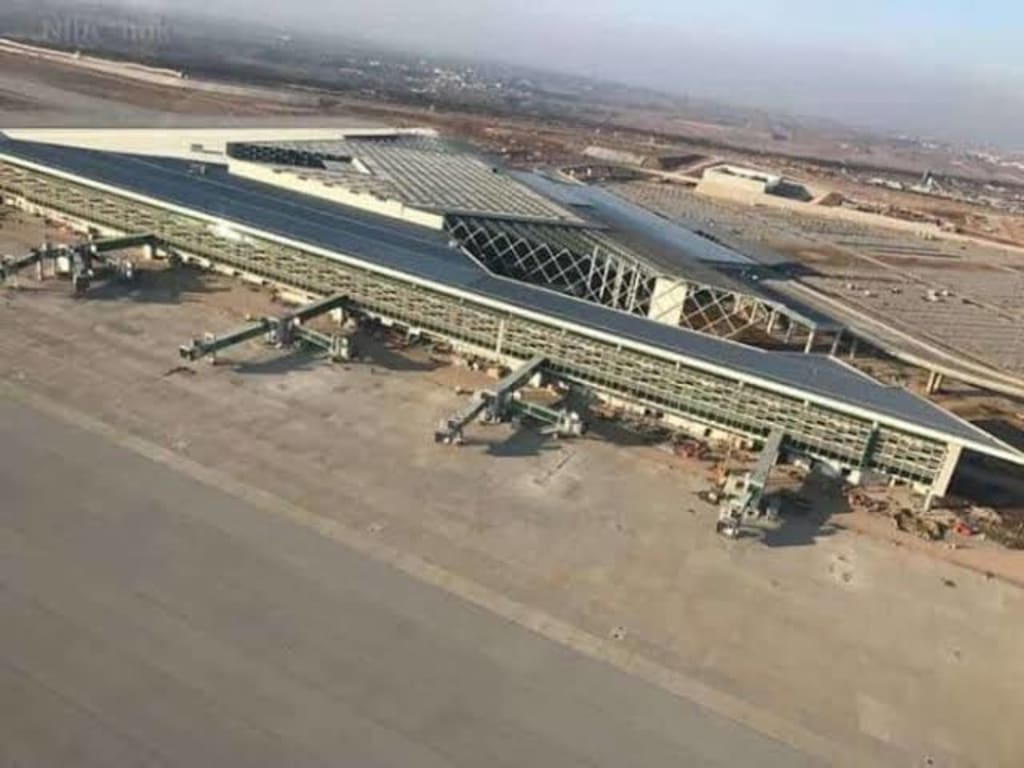
In a significant development, the United Arab Emirates (UAE) has pulled out of its planned outsourcing deal for Islamabad International Airport, paving the way for Pakistan to explore alternative options for privatisation and management of the national gateway. The decision marks a shift in Pakistan’s approach to modernizing its key infrastructure and reflects ongoing challenges in attracting international investors.
Officials say the exit was unexpected, but authorities remain committed to improving airport operations and efficiency through private-sector involvement.
Background: The Islamabad Airport Plan
The Islamabad International Airport, inaugurated in 2018, is one of Pakistan’s most important aviation hubs. The airport handles millions of passengers annually, connecting Pakistan with the Gulf region, Europe, and Asia.
Initially, Pakistan had signed a preliminary outsourcing agreement with a UAE-based consortium, aiming to modernize operations, enhance passenger services, and improve revenue generation. The plan included management of airport operations, retail concessions, and ground handling services, with significant foreign investment promised to upgrade facilities.
UAE’s Exit: Reasons and Implications
The UAE consortium’s withdrawal reportedly stems from financial, regulatory, and operational concerns. While exact reasons have not been fully disclosed, analysts suggest:
Economic uncertainty in Pakistan and fluctuating currency values
Complexities in regulatory approvals for foreign investment
Operational challenges in managing a high-traffic international airport
The exit leaves Pakistan with the challenge of finding suitable investors or partners while ensuring continuity of airport operations.
Aviation experts note that this development could delay modernization plans, but it also presents an opportunity for Pakistan to consider alternative approaches to privatization and management.
Pakistan’s Move Toward Privatisation
In response to the UAE’s exit, Pakistan has accelerated plans for partial privatization of Islamabad Airport. Authorities are exploring options such as:
Public-Private Partnerships (PPP) with domestic or international investors
Auctioning specific services such as retail, duty-free shops, and ground handling
Independent management contracts to professional airport operators
Privatisation is seen as a way to enhance operational efficiency, increase revenue, and improve passenger experience, while keeping the airport under national oversight.
Officials stress that airport safety, security, and regulatory compliance will remain priorities even with private-sector involvement.
Economic and Strategic Importance
Islamabad Airport is critical for Pakistan’s economy and connectivity. It serves as a hub for:
Business and tourism travel
Cargo and logistics operations
Regional connectivity with Gulf countries and beyond
A well-managed airport can boost trade, attract foreign investment, and promote tourism, making privatization an important strategic goal for the government.
Challenges Ahead
Privatizing or outsourcing airport operations comes with several challenges:
Investor Confidence – Foreign and domestic investors need assurance about stable policies, regulatory clarity, and financial viability.
Infrastructure Upgrades – Modern airports require significant investment in technology, security, and passenger facilities.
Public Interest and Transparency – Ensuring that privatization does not compromise service quality or lead to excessive pricing.
Operational Continuity – Maintaining airport operations during transitions between management entities is crucial to prevent disruption.
Global Comparisons
Many countries have successfully privatized or outsourced airport operations while maintaining high standards. For example:
India: Airports in Delhi and Mumbai were privatized under PPP models, leading to improved facilities and revenue.
Turkey: Istanbul Airport operates with private-sector involvement, ensuring modern infrastructure and international standards.
Middle East: UAE airports, including Dubai and Abu Dhabi, are managed by professional consortia with significant private-sector participation.
Pakistan aims to learn from these examples to balance investment, efficiency, and national oversight.
Government Statements
Pakistan’s Aviation Minister emphasized that the government is committed to enhancing the airport’s operational standards. He noted:
“While the UAE consortium has withdrawn, Pakistan remains focused on modernizing Islamabad International Airport. We are exploring new partnerships that ensure efficiency, safety, and improved passenger experience.”
Officials also stressed that the airport’s strategic role in regional connectivity remains unchanged and that efforts to attract investors are ongoing.
Potential Benefits of Privatization
If implemented successfully, privatization or outsourcing could provide several benefits:
Enhanced passenger services including lounges, retail options, and smoother check-ins
Revenue growth from commercial activities, cargo handling, and partnerships
Technological upgrades such as advanced air traffic management, security systems, and baggage handling
Job creation in operations, maintenance, and airport retail sectors
Analysts believe that a carefully managed privatization plan could transform Islamabad Airport into a regional hub of excellence, attracting airlines and passengers alike.
Looking Ahead
Pakistan now faces a critical period of decision-making. Authorities need to balance foreign investment, operational efficiency, and national interests. While the UAE exit is a setback, it also offers Pakistan an opportunity to reassess strategies, improve regulations, and attract committed investors.
Experts suggest that transparent bidding processes, clear regulatory frameworks, and long-term planning will be key to the airport’s future success.
For millions of travelers and businesses relying on Islamabad International Airport, the priority remains a modern, safe, and efficient facility that meets global standards.
Conclusion
The UAE’s abrupt exit from Islamabad Airport’s outsourcing plan has raised concerns, but Pakistan is moving toward a privatization strategy that could reshape its aviation sector. With careful planning, strong partnerships, and a focus on efficiency and service quality, Islamabad International Airport has the potential to become a model for modern airport operations in South Asia.
This development underscores the importance of flexibility, transparency, and strategic planning in managing key national infrastructure, ensuring that Pakistan continues to strengthen its connectivity and economic growth in the years ahead.
About the Creator
Fiaz Ahmed
I am Fiaz Ahmed. I am a passionate writer. I love covering trending topics and breaking news. With a sharp eye for what’s happening around the world, and crafts timely and engaging stories that keep readers informed and updated.
Keep reading
More stories from Fiaz Ahmed and writers in Wander and other communities.
Saudi Arabia: A Nation Redefining Its Future
Saudi Arabia, a land of vast deserts, sacred cities, and ancient trade routes, has long been seen as the spiritual heart of the Islamic world. Yet in recent years, the Kingdom has undergone a remarkable transformation—one that blends centuries-old traditions with bold modern ambitions. Today, Saudi Arabia stands at the crossroads of history and progress, rewriting its story for a global audience.
By Fiaz Ahmed 3 months ago in Wander
Neon Nights & Ancient Lights: My Unforgettable Tokyo Urban Heritage Tour
How Exploring Tokyo’s Historic Urban Landmarks Turned My Trip Into a Modern Adventure Through Time --- Tokyo is a city that feels like it’s moving at the speed of light—yet somehow it still holds the echoes of ancient history in its streets. When I planned my trip to Tokyo, I knew I wanted more than just skyscrapers and shopping. I wanted to experience the city’s historic urban landmarks, the places where old Japan meets the modern world.
By Ahmed aldeabella3 days ago in Wander



Comments
There are no comments for this story
Be the first to respond and start the conversation.