Fiaz Ahmed
Bio
I am Fiaz Ahmed. I am a passionate writer. I love covering trending topics and breaking news. With a sharp eye for what’s happening around the world, and crafts timely and engaging stories that keep readers informed and updated.
Stories (1460)
Filter by community
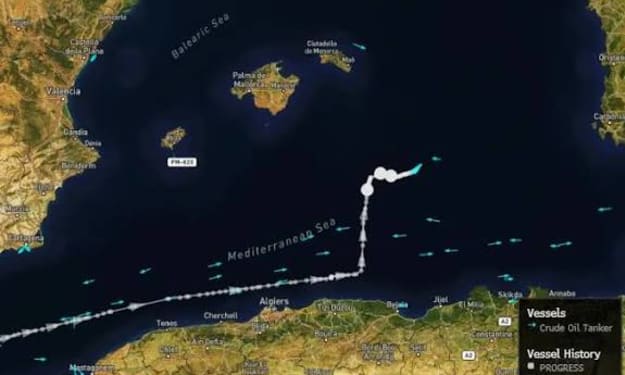
Another Russian Shadow Fleet Oil Tanker Runs Into Difficulties. AI-Generated.
Another Russian shadow fleet oil tanker has reportedly run into difficulties, raising concerns about the challenges of operating sanctioned vessels amid growing international scrutiny. The tanker, part of a network designed to circumvent sanctions on Russian oil exports, encountered mechanical issues that temporarily halted its journey, highlighting the logistical risks faced by the so-called “shadow fleet.” This incident comes amid heightened efforts by Western nations to monitor, track, and enforce sanctions on Russian energy shipments, a key component of economic pressure related to the ongoing conflict in Ukraine. What Is the Russian Shadow Fleet? The term “shadow fleet” refers to tanker vessels used by Russia to move oil and fuel despite sanctions. These ships often: Change names and flags to obscure ownership Use indirect routes to avoid detection Employ intermediaries for sales and insurance The shadow fleet has allowed Russia to continue exporting oil to some markets, despite restrictions imposed by the United States, European Union, and other allied countries. Recent Incident The latest tanker, which analysts say belongs to the shadow fleet, ran into mechanical and navigation difficulties while crossing a major international shipping lane. Reports indicate that the ship had to halt operations temporarily and was awaiting technical assistance. While no environmental damage or major oil spills have been reported, authorities warn that even minor mechanical failures can escalate into significant disruptions, particularly for ships operating under complex and opaque conditions. Sanctions and Enforcement Challenges Western governments have imposed strict sanctions on Russian oil exports to limit revenue for Moscow. However, enforcement is complicated due to: Ships frequently changing names, registration, and routes Difficulties in tracking vessels in international waters Use of intermediaries or third-party companies for sales This latest incident underscores the operational risks of running a shadow fleet, where technical failures can have financial, legal, and political consequences. Economic Implications The shadow fleet plays a key role in Russia’s energy exports, which generate significant revenue for the country. When ships face difficulties, several issues arise: Delivery delays can disrupt contracts with buyers Insurance and shipping costs can rise significantly The incident may attract international attention, increasing the risk of further scrutiny or seizure Experts note that repeated disruptions may weaken the shadow fleet’s reliability, making global buyers wary of depending on these vessels. Geopolitical Considerations The movement and operation of shadow fleet tankers have geopolitical consequences. Western nations see them as tools to bypass sanctions, while Russia views them as essential for economic stability. Analysts suggest that incidents like this can: Provide leverage for Western enforcement agencies to track and monitor vessels Highlight vulnerabilities in Russia’s energy export network Increase pressure on Russian companies to invest in maintenance and secrecy The situation also demonstrates the high-stakes game of sanctions evasion, where a single mechanical failure can have ripple effects across global oil markets. Environmental and Safety Risks Shadow fleet tankers often operate under stretched resources and minimal oversight, which can lead to safety and environmental hazards. Mechanical failures, collisions, or improper handling of oil cargo can: Lead to oil spills Threaten marine ecosystems Endanger crew members International maritime organizations stress the importance of monitoring all tanker traffic, especially vessels with unclear ownership or questionable registration. Industry Response Shipping industry experts are closely watching the incident. They note that: Shadow fleet operations rely heavily on risk management and secrecy Mechanical issues can jeopardize cargo and insurance claims Some international insurers may refuse to cover sanctioned vessels, increasing the financial stakes Analysts suggest that repeated operational difficulties could force Russia to rethink its shadow fleet strategy, including better maintenance, tracking, or alternative shipping methods. Public and Media Reaction Media outlets tracking the shadow fleet have emphasized the dramatic risks of running vessels in high-traffic shipping lanes while avoiding sanctions. Commentators point out that these ships operate in a legal gray area, creating tension between economic interests and international law. Public attention is likely to focus on whether sanctions enforcement will become more effective as shadow fleet vessels face repeated difficulties. Looking Ahead Authorities and analysts predict that shadow fleet vessels will continue to operate under high pressure, with frequent mechanical, legal, and logistical challenges. Key developments to watch include: New mechanical or navigational incidents Seizures or fines imposed by international authorities Changes in shipping routes or tactics by Russian operators Global oil market impacts due to delayed deliveries The ongoing shadow fleet operations illustrate the complex intersection of sanctions, international trade, and maritime law. Conclusion The recent difficulties faced by another Russian shadow fleet tanker highlight the risks and challenges of evading international sanctions. While Russia continues to rely on these vessels to maintain oil exports, mechanical failures, legal scrutiny, and operational hazards threaten their effectiveness. The incident underscores the broader issues of sanctions enforcement, maritime safety, and geopolitical tension, showing that even highly secretive operations are vulnerable to disruption. As the shadow fleet continues to operate, the world will be watching to see how these vessels navigate both physical and regulatory obstacles.
By Fiaz Ahmed 2 months ago in The Swamp
Death Toll in Pakistan Shopping Plaza Fire Rises to 67, Officials Say. AI-Generated.
A devastating fire at a shopping plaza in Pakistan has claimed at least 67 lives, according to officials, marking one of the deadliest urban fire incidents in recent years. The tragedy has sent shockwaves across the country, raising urgent questions about building safety, emergency preparedness, and regulatory enforcement. As rescue operations concluded, authorities confirmed that dozens of victims were trapped inside the building when the fire spread rapidly, leaving little chance for escape. What Happened? The fire broke out in a multi-story shopping plaza located in a busy commercial area. According to initial reports, flames erupted suddenly and spread quickly through the structure, fueled by flammable materials, blocked exits, and poor ventilation. Eyewitnesses described scenes of panic as shoppers and workers attempted to flee. Thick smoke filled corridors, making visibility nearly impossible. Many people were unable to escape due to locked stairwells, narrow passages, and the absence of proper fire exits. Emergency services were alerted, but by the time firefighters reached the scene, the fire had already engulfed large parts of the building. Rescue Efforts and Challenges Firefighters battled the blaze for several hours. Rescue teams used ladders and heavy equipment to reach upper floors, while ambulances transported the injured to nearby hospitals. However, officials admitted that rescue operations were severely hampered by: Lack of functional fire alarms Absence of emergency staircases Overcrowded interior spaces Vehicles blocking access routes for fire engines Many victims were found unconscious due to smoke inhalation, while others suffered severe burns. Rising Death Toll Initially, authorities reported a lower number of casualties. As search operations continued and debris was cleared, the death toll steadily rose to 67, with officials warning that the number could increase if critically injured victims fail to recover. Hospitals remain overwhelmed, treating dozens of injured survivors. Doctors say many patients are in critical condition, suffering from respiratory damage and extensive burns. Grief and Anger Among Families Outside hospitals and morgues, scenes of grief unfolded as families waited for news of missing loved ones. Many expressed anger and frustration, blaming negligence and poor safety standards for the tragedy. Relatives accused building owners and authorities of ignoring repeated warnings about safety violations. Some survivors claimed there were no visible fire extinguishers or evacuation signs inside the plaza. For many families, the fire has resulted in sudden loss of breadwinners, leaving them facing emotional and financial hardship. Official Response Government officials and local administrators visited the site and hospitals following the incident. Condolences were offered to victims’ families, and promises were made to investigate the cause of the fire thoroughly. Authorities announced: Formation of an inquiry committee Temporary closure of nearby commercial buildings Review of fire safety compliance in similar structures Officials also stated that those found responsible for negligence would face strict legal action. A Pattern of Negligence This tragedy is not an isolated incident. Pakistan has witnessed several deadly fires in commercial buildings over the years. Experts say these disasters often share common causes: Outdated building codes Weak enforcement of safety regulations Unauthorized modifications to buildings Lack of emergency training for staff Despite laws requiring fire safety measures, many buildings operate without compliance, putting lives at risk. Calls for Reform Following the fire, safety experts and civil society groups have renewed calls for urgent reform. They argue that reactive measures after disasters are not enough. Proposed reforms include: Mandatory fire safety inspections Severe penalties for violations Public awareness campaigns Installation of fire alarms and sprinkler systems Regular emergency drills Urban planners stress that protecting human life must take priority over commercial profit. Survivors Share Their Stories Survivors of the blaze have shared harrowing accounts of their escape. One individual described crawling through smoke-filled corridors, while another said they jumped from a lower floor to survive. Many survivors said they were unaware of any emergency procedures, highlighting a lack of basic safety education in public spaces. Their stories have fueled public outrage and intensified demands for accountability. National Reflection The shopping plaza fire has sparked a national conversation about urban safety and governance. Citizens are questioning how such tragedies continue to occur despite previous warnings and loss of life. Social media platforms are filled with messages demanding justice, transparency, and reform. Many believe that without meaningful action, similar disasters are bound to happen again. Conclusion The rise in the death toll to 67 in Pakistan’s shopping plaza fire is a painful reminder of the cost of negligence. Beyond the numbers are human lives—parents, children, workers—lost in a tragedy that many believe could have been prevented. As investigations continue, the country faces a critical moment. Whether this disaster leads to real change or becomes another forgotten headline will depend on accountability, enforcement, and commitment to safety. For now, Pakistan mourns its dead, while families seek justice and hope that no one else will have to suffer such a devastating loss.
By Fiaz Ahmed 2 months ago in The Swamp
UAE Hands Over List of Over 900 Indian Prisoners Set for Release. AI-Generated.
In a significant development for international relations and humanitarian efforts, the United Arab Emirates (UAE) has handed over a list of more than 900 Indian prisoners scheduled for release. The move marks a major step in diplomatic cooperation between the UAE and India, offering relief to the families of those detained and highlighting ongoing efforts to strengthen bilateral ties.
By Fiaz Ahmed 2 months ago in The Swamp
Russians Supplied with Chinese Radio Modems for Geran-5 Kamikaze Drones. AI-Generated.
In a development that has raised eyebrows in military and strategic circles, reports indicate that Russian forces are now being supplied with Chinese-made radio modems to enhance the capabilities of their Geran-5 kamikaze drones. The move represents a significant technological boost for Russia’s unmanned aerial operations and highlights the increasingly complex web of international military cooperation—even in conflicts already under intense global scrutiny.
By Fiaz Ahmed 2 months ago in FYI
Minister Told Armoured Vehicle Which Left Soldiers Vomiting Was ‘Safe’. AI-Generated.
A growing controversy has erupted after revelations that a government minister was assured an armoured military vehicle was “safe”, despite reports that soldiers using it later suffered severe nausea, dizziness, and vomiting. The incident has sparked serious questions about military oversight, equipment testing, and whether frontline troops are being adequately protected by those responsible for their safety. As details continue to emerge, the issue has become a flashpoint in debates over accountability within defence procurement and soldier welfare. What Happened Inside the Vehicle According to reports, the armoured vehicle was deployed during routine military operations and training exercises. Soon after extended use, multiple soldiers began experiencing intense physical reactions, including vomiting, headaches, and disorientation. Medical evaluations suggested that the symptoms were consistent with poor ventilation, exposure to fumes, or mechanical issues inside the vehicle’s sealed environment. In armoured vehicles designed to protect occupants from external threats, airflow and internal safety systems are critical—and failures can quickly become dangerous. Despite these warning signs, the vehicle had reportedly been cleared for use following assurances provided to senior officials. Ministerial Assurance Under Scrutiny At the heart of the controversy is the claim that a minister responsible for defence matters was told the vehicle posed no safety risk. This assurance reportedly influenced the decision to continue deployment without immediate suspension or further investigation. Critics argue that this raises troubling questions: Were safety reports properly reviewed? Were soldiers’ complaints taken seriously? Did bureaucratic pressure outweigh on-the-ground realities? Opposition figures and military advocates have called for transparency, demanding to know who approved the vehicle, what data was used to declare it safe, and whether warnings were ignored. The Human Cost for Soldiers For serving personnel, the issue goes beyond politics. Soldiers trust that the equipment they are issued has been thoroughly tested and meets strict safety standards. When that trust is shaken, morale and confidence suffer. Several affected soldiers reportedly required medical attention, and some expressed frustration that their symptoms were initially dismissed as minor or unrelated. Military families and veterans’ groups have voiced anger, saying that troops already accept enormous risks—and avoidable equipment failures should never be one of them. Procurement and Testing Concerns The incident has reignited long-standing concerns over defence procurement processes. Modern military vehicles are complex systems, often developed through private contractors and approved through layers of bureaucracy. Experts note that problems can arise when: Testing conditions do not reflect real-world use Feedback from soldiers is delayed or filtered Cost or deadlines take priority over safety If early warning signs were overlooked in this case, it could indicate a broader systemic issue rather than an isolated error. Official Response and Calls for Investigation Following public backlash, officials have stated that the issue is being reviewed and that soldier safety remains a top priority. Some authorities have pledged to examine ventilation systems, internal sensors, and maintenance records for the vehicle. However, critics argue that internal reviews are not enough. There are growing calls for an independent investigation to determine: Whether the “safe” assessment was accurate Who provided the assurance to the minister Whether protocols were followed Without clear answers, confidence in military leadership risks further erosion. A Broader Debate on Accountability This incident highlights a recurring tension in defence policy: the gap between decision-makers and those directly affected by their decisions. When assurances made at high levels conflict with lived experiences on the ground, accountability becomes essential. Transparency advocates argue that admitting mistakes is not a weakness—but failing to address them is. For many observers, the key question is not just whether the vehicle was unsafe, but how warnings were handled once problems emerged. Conclusion: Safety Should Never Be Assumed The controversy surrounding the armoured vehicle serves as a stark reminder that safety cannot be declared—it must be proven, continuously tested, and reassessed. Soldiers rely on trust: trust in their equipment, their leadership, and the systems designed to protect them. When that trust is compromised, restoring it requires honesty, accountability, and meaningful reform. As investigations unfold, the outcome will likely shape future defence decisions and determine whether lessons are truly learned—or repeated.
By Fiaz Ahmed 2 months ago in FYI
Conference League: Europe’s Most Underrated Football Tournament Is Finally Getting Its Moment. AI-Generated.
When UEFA introduced the Europa Conference League, many football fans dismissed it as a “third-tier” competition—an afterthought behind the Champions League and Europa League. But a few seasons in, the Conference League has quietly transformed into one of Europe’s most entertaining, inclusive, and unpredictable tournaments, offering clubs and fans something football desperately needs: genuine opportunity. Far from being a consolation prize, the Conference League is reshaping European football from the ground up. Why the Conference League Was Created UEFA launched the Conference League with a clear goal: give more clubs from smaller leagues a real chance to compete on the European stage. For decades, European competitions were dominated by teams from the same major leagues—England, Spain, Germany, Italy, and France. Clubs from countries like Albania, Slovenia, Cyprus, or Kazakhstan rarely progressed far, often eliminated early by financial and squad depth differences. The Conference League changed that equation by: Expanding European access Reducing elite dominance Encouraging competitive balance Giving mid-table teams continental exposure For many clubs, qualifying for the Conference League is no longer a disappointment—it’s a dream. What Makes the Conference League Special 1. Unpredictability Unlike elite competitions where favorites dominate, the Conference League thrives on surprises. Smaller clubs regularly defeat more established teams, creating thrilling storylines and unforgettable nights. 2. Fresh Football Cultures Fans get exposed to clubs, stadiums, and atmospheres rarely seen on global broadcasts. From packed Balkan grounds to passionate Nordic supporters, the tournament celebrates football diversity. 3. Platform for Rising Talent Young players, overlooked prospects, and late bloomers use the Conference League as a launchpad. Strong performances often lead to transfers to bigger clubs, making the competition a scouting goldmine. Not Just for Small Clubs Anymore While originally aimed at underrepresented leagues, the Conference League has also attracted well-known clubs from major football nations. Teams from England, Italy, and Spain have taken the competition seriously—especially those looking to rebuild, regain European confidence, or end trophy droughts. For these clubs, the Conference League offers: A realistic shot at silverware Valuable European experience Squad rotation opportunities Momentum for domestic campaigns Winning it still means lifting a European trophy—and that matters. A Pathway to Bigger Stages One of the most underrated aspects of the Conference League is its reward system. The winner qualifies for the Europa League, making it a stepping stone to higher competitions. This creates real incentive: Clubs invest tactically and emotionally Matches carry genuine stakes Fans remain engaged deep into the season Rather than being an end destination, the Conference League functions as a ladder—climb it, and bigger nights await. Fan Experience: Where Romance Still Exists In an era dominated by money, sponsorships, and superclubs, the Conference League has restored a sense of football romance. Fans travel across lesser-known cities, discover new rivalries, and experience authentic matchday passion. Ticket prices are often lower, stadiums more intimate, and connections more personal. For many supporters, these nights feel closer to football’s roots—where pride outweighs profit. Criticism and Growing Respect Yes, the Conference League faced criticism early on. Some questioned its necessity, others mocked its prestige. But perceptions are changing fast. As the quality of matches improves and clubs take the competition seriously, respect has followed. Broadcasters now highlight dramatic fixtures, and fans appreciate the tournament’s competitive nature. The Conference League doesn’t try to compete with the Champions League—it complements it. The Future of the Conference League Looking ahead, the Conference League is expected to: Grow in popularity Increase commercial value Produce future European giants Strengthen football in developing leagues UEFA’s gamble is paying off. By expanding opportunity, it has strengthened the entire European football ecosystem. Conclusion: A Tournament That Football Needed The Conference League may not have the glamour of Europe’s biggest competitions, but it delivers something arguably more important: hope, opportunity, and authenticity. It reminds fans why they fell in love with football—not because of money or fame, but because of passion, belief, and the possibility that any club, from any country, can dream big. And that makes the Conference League not just relevant—but essential.
By Fiaz Ahmed 2 months ago in Unbalanced
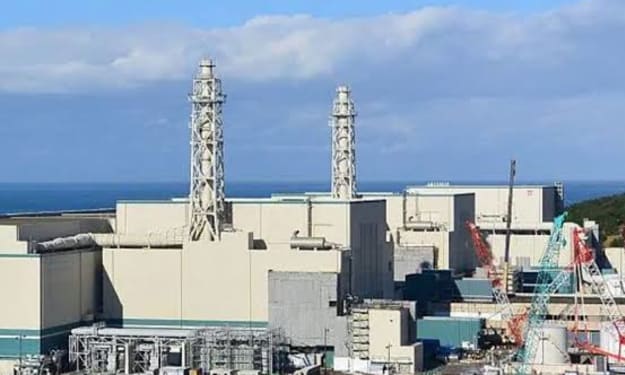
“It’s All About the Land”: Japan Suspends World’s Largest Nuclear Plant Hours After Restart. AI-Generated.
Japan’s energy strategy faced renewed scrutiny after authorities suspended operations at the world’s largest nuclear power plant just hours after it was restarted. The sudden halt reignited public debate around nuclear safety, land stability, and Japan’s long-standing struggle to balance energy security with environmental and seismic realities. While officials cited technical and safety concerns, critics argue that the deeper issue remains Japan’s geography itself—fragile land in one of the world’s most earthquake-prone regions.
By Fiaz Ahmed 2 months ago in FYI
It’s All About the Land”: Zelensky Says Ukraine to Talk to US and Russia. AI-Generated.
As the war in Ukraine stretches into another exhausting phase, President Volodymyr Zelensky has made a blunt and revealing statement: “It’s all about the land.” With these words, Zelensky signaled a shift toward pragmatic diplomacy as Ukraine prepares to engage in talks involving both the United States and Russia. His remark underscores the core issue driving the conflict—territory—and highlights the difficult choices that may shape Ukraine’s future.
By Fiaz Ahmed 2 months ago in The Swamp
Bobby Deol Breaks Down in Tears, Hugs Sunny Deol’s Son Karan Deol After Dharmendra’s Asthi Visarjan in Haridwar. AI-Generated.
The passing of legendary actor Dharmendra has left an emotional void in Indian cinema and in the hearts of millions of fans across the world. But for the Deol family, the grief has been deeply personal, marking the end of an era defined by warmth, strength, and an unmistakable cinematic presence. During the asthi visarjan ceremony in Haridwar, a moment that captured the rawness of this loss unfolded: Bobby Deol broke down in tears and embraced his nephew, Karan Deol, in a heartfelt gesture that moved everyone present.
By Fiaz Ahmed 2 months ago in Geeks
BAE Systems Wins $473 Million U.S. Army Contract to Produce 40 More M109A7 Paladin Self-Propelled Howitzers. AI-Generated.
BAE Systems, a leading defense contractor, has been awarded a $473 million contract by the U.S. Army to manufacture 40 additional M109A7 Paladin self-propelled howitzers. The contract highlights the ongoing efforts by the U.S. military to modernize its artillery capabilities and maintain battlefield readiness. The M109A7 is a key component of the U.S. Army’s artillery forces, offering mobility, firepower, and advanced targeting systems designed for modern warfare. About the M109A7 Paladin The M109A7 Paladin is the latest version of the M109 family of self-propelled howitzers, which have been in service for decades. Key features include: Enhanced mobility: Upgraded suspension and chassis for operation across rough terrain Advanced firepower: 155mm howitzer capable of rapid, accurate artillery fire Improved survivability: Armored protection for crew and critical systems Digital fire-control systems: Modern targeting and communication systems integrated for coordinated operations These upgrades allow the M109A7 to support combat units effectively, providing long-range artillery support while keeping crews safe. Significance of the Contract The $473 million contract awarded to BAE Systems is part of a broader U.S. Army modernization plan aimed at replacing older artillery systems and expanding the army’s operational capabilities. Army officials highlighted several reasons for the contract: Maintain readiness: Ensures that artillery units remain equipped for rapid deployment Modernize the fleet: Incorporates the latest technological upgrades for efficiency and accuracy Support defense industry: Contracts like this sustain American defense manufacturing jobs The delivery of the 40 new howitzers is expected over the next several years, with production taking place at BAE Systems’ facilities in the United States. Impact on Military Operations The M109A7 plays a critical role in artillery operations, which are essential for modern combined arms warfare. The howitzers provide: Long-range fire support for infantry and armored units Rapid response during combat scenarios Precision strikes against enemy positions while reducing collateral damage Military analysts note that upgraded artillery systems like the Paladin enhance the army’s ability to respond to diverse threats and operate in complex environments. BAE Systems: A Key Defense Contractor BAE Systems has been a major supplier of artillery systems to the U.S. military for decades. The company’s expertise includes design, production, and maintenance of armored vehicles and artillery. BAE Systems has previously delivered hundreds of M109A7 units under earlier contracts. The company also provides training, spare parts, and logistical support to ensure that artillery units remain operational. This new contract strengthens BAE Systems’ position as a leading supplier of advanced military hardware in the U.S. defense sector. Modernization and Strategic Importance The addition of 40 new M109A7 Paladins is part of a larger strategy to modernize U.S. ground forces, which includes: Upgrading armored vehicles and artillery systems Enhancing battlefield communications and digital targeting Ensuring compatibility with allied forces in joint operations Experts emphasize that modernized artillery is critical in maintaining a credible deterrent, especially as global conflicts evolve and require rapid and precise responses. Economic and Industrial Implications Defense contracts like this have a broader impact beyond military readiness: Job creation: Supports thousands of jobs in manufacturing, engineering, and logistics Technological innovation: Encourages research and development in advanced weapon systems Industrial competitiveness: Strengthens the U.S. defense industry in the global market BAE Systems’ production facilities are expected to employ hundreds of workers, boosting local economies and sustaining skilled labor in defense manufacturing. Global Context The U.S. Army’s continued investment in artillery systems like the M109A7 is part of a larger trend among major military powers to upgrade artillery and armored capabilities. Comparable programs are underway in Europe and Asia, highlighting the importance of modern firepower in national defense strategies. Defense analysts note that having mobile, accurate, and protected artillery units gives the U.S. military a strategic edge in both conventional conflicts and hybrid warfare scenarios. Conclusion The awarding of the $473 million contract to BAE Systems for 40 additional M109A7 Paladin self-propelled howitzers marks a significant step in modernizing U.S. artillery forces. The new units will enhance battlefield capabilities, strengthen national defense, and support the U.S. defense industry. As global military technology evolves, investments like these ensure that the U.S. Army remains prepared, mobile, and capable of responding to emerging threats. With the M109A7 Paladins in service, the Army’s artillery units are equipped to meet the demands of 21st-century warfare.
By Fiaz Ahmed 2 months ago in The Swamp
Israeli minister approves gun licences for 18 illegal West Bank settlements. AI-Generated.
An Israeli government minister has approved gun licences for 18 settlements in the West Bank, sparking controversy and renewed international attention on the Israeli-Palestinian conflict. These settlements, considered illegal under international law, have been a long-standing source of tension in the region. The decision has drawn criticism from Palestinian authorities, human rights groups, and some members of the international community, who warn that arming settlers in disputed territories could escalate violence and undermine efforts for peace. Background: The West Bank Settlements The West Bank, a territory occupied by Israel since 1967, is home to a mix of Palestinian communities and Israeli settlements. While some settlements are recognized by Israel, many are considered illegal under international law, including the Fourth Geneva Convention, which prohibits the transfer of civilians into occupied territories. Over the years, settlements in the West Bank have been a major flashpoint, with frequent clashes between Israeli settlers and Palestinian residents. The approval of gun licences for these areas is likely to intensify existing tensions. The Minister’s Decision The Israeli minister responsible for security matters stated that the decision to grant gun licences was made to protect residents in settlements facing security threats. Officials argue that: Many settlements are remote and exposed to attacks Residents have the right to self-defense Security concerns justify the approval of firearms However, critics argue that this move could increase the likelihood of armed confrontations and makes a peaceful resolution more difficult. Reaction from Palestinian Authorities Palestinian officials condemned the move, describing it as provocative and illegal. Statements from Palestinian leaders emphasized that: Arming settlers escalates tensions and undermines security The decision violates international law and could trigger violence It highlights ongoing concerns over settlement expansion and occupation policies In areas near the approved settlements, residents expressed fear of increased confrontations and threats to their safety. International Response The international community has reacted cautiously, highlighting concerns over the potential for escalation: United Nations: Called for restraint and urged Israel to respect international humanitarian law European Union: Expressed concern about settlement expansion and arming civilians Human Rights Organizations: Warned that arming settlers in disputed territories increases the risk of human rights violations Analysts note that such decisions could further complicate peace negotiations and may impact Israel’s relationships with other countries. Security Concerns in the West Bank The West Bank has long experienced periodic violence, including attacks between settlers and Palestinians. Security incidents often include: Clashes at checkpoints or on roads Property damage Targeted attacks on individuals or groups Supporters of the gun licences argue that residents have legitimate security concerns and require tools to protect themselves. Critics, however, fear that the presence of more firearms could trigger escalations rather than prevent them. Legal and Ethical Implications The approval of gun licences for settlements deemed illegal under international law raises serious legal and ethical questions: International law: The settlements themselves are widely considered illegal, and arming residents could complicate legal accountability Human rights concerns: Increased access to firearms may put civilians at risk and escalate conflicts Peace process: The decision may hinder efforts to negotiate a two-state solution or reduce tensions Legal experts suggest that such actions could draw further criticism and scrutiny from international bodies. The Broader Context This decision comes amid broader geopolitical tensions in the Middle East, including: Ongoing disputes over land and borders in the West Bank Frequent confrontations between Israeli forces and Palestinian groups Regional concerns about security, stability, and peace negotiations By arming settlers in disputed territories, Israel’s government is sending a message about its priorities and security policies, which may have long-term consequences for regional stability. Looking Ahead Observers warn that this decision could lead to: Increased violence: Higher risk of clashes between armed settlers and Palestinian residents International pressure: Diplomatic responses or sanctions from the UN or other global organizations Heightened tensions: Further complicating the already fragile peace process in the region At the same time, Israeli authorities argue that the safety of their citizens is a top priority, and providing firearms is a legitimate measure to protect communities in vulnerable areas. Conclusion The approval of gun licences for 18 illegal settlements in the West Bank marks a controversial step in the ongoing Israeli-Palestinian conflict. While Israeli officials cite security concerns, Palestinian authorities and international organizations warn that arming settlers could escalate tensions and undermine prospects for peace. As the region continues to navigate a complex landscape of politics, security, and human rights, the world watches closely to see how this decision will impact daily life, regional stability, and diplomatic efforts.
By Fiaz Ahmed 2 months ago in The Swamp
AI-Generated Videos of Giant Drifts Go Viral After Record Snow in Russia’s Far East. AI-Generated.
Residents of Russia’s Far East are still reeling from record-breaking snowfall, and now the extreme winter conditions are drawing attention online thanks to AI-generated videos of massive snow drifts. These videos, shared widely across social media, have captivated viewers around the world, blurring the lines between reality and digital creativity. The combination of severe weather and artificial intelligence has turned a local phenomenon into a global online sensation. Record Snowfall in the Russian Far East Meteorologists reported that several cities in Russia’s Far East received unusually heavy snowfall, with accumulations far above the seasonal average. In some areas, snow reached several meters high, making streets impassable and forcing authorities to deploy emergency services to clear roads. Local residents described the conditions as “unreal” and “like living in a snow globe.” Schools were closed, flights delayed, and public transportation faced major disruptions. AI Videos Capture the Imagination Amid these extreme weather conditions, social media users began sharing AI-generated videos showing giant snow drifts and surreal winter landscapes. Some of the most popular clips depict: Enormous snow mounds dwarfing cars and buildings Snow-covered streets extending as far as the eye can see Animated scenes of snow creating patterns in the air These videos are designed using artificial intelligence tools that can turn real-life data and images into hyper-realistic visualizations. The combination of record snowfall and AI effects has made the content go viral, with millions of views and shares on platforms like Twitter, TikTok, and Instagram. How AI Is Changing Weather Coverage Experts note that AI-generated content is reshaping how people experience extreme weather online. While traditional news coverage provides factual reporting, AI allows for: Visual storytelling: Making natural events more dramatic and engaging Enhanced realism: Creating scenes that capture attention, even if exaggerated Educational potential: Helping viewers understand the scale of extreme events However, experts also warn that AI-generated videos can blur the line between reality and fiction, potentially causing confusion about the actual severity of events. Public Reaction The viral videos have sparked a mix of reactions: Amazement: Many users are impressed by the sheer scale of the snow drifts and the creative use of AI. Concern: Some worry that viewers might mistake the AI-enhanced images for reality, exaggerating the impact of the snowfall. Humor: Memes and jokes comparing the snow to mountains, waves, or other extreme phenomena have spread rapidly. Local authorities in the Far East have emphasized that while the AI videos are visually striking, the real snow presents serious risks, including accidents, traffic disruptions, and building damage. Safety Risks Amid the Snow Despite the viral videos generating attention online, residents are dealing with real-life consequences of heavy snow: Transportation hazards: Roads and railways are blocked, delaying travel. Power outages: Snow and ice accumulation have caused electricity disruptions in some towns. Health risks: Frostbite and hypothermia remain a concern, especially for the elderly and those without proper heating. Authorities have issued warnings urging people to stay indoors, avoid unnecessary travel, and check on vulnerable neighbors. Social Media Amplifies Extreme Weather The viral spread of AI-generated videos highlights a new trend: how social media and AI can amplify extreme weather events. While the videos are entertaining and visually impressive, they also serve to: Raise global awareness of local climate phenomena Engage audiences who might not otherwise follow weather news Encourage discussion about the impact of climate change on winter patterns Meteorologists and climate experts caution that while AI can make events look spectacular, real-world preparedness and safety remain crucial. The Broader Context: Climate and Technology Russia’s Far East has long experienced harsh winters, but climate analysts note that extreme snowfall events may become more frequent due to shifting weather patterns. The combination of climate phenomena and AI technology is creating a new form of digital storytelling, where reality and artificial enhancement intersect. This raises interesting questions about how society experiences natural events in the digital age, including: How AI can be used for education and awareness The responsibility of creators to distinguish real from enhanced content The role of viral media in shaping perceptions of climate events Conclusion The record-breaking snowfall in Russia’s Far East, paired with AI-generated videos of giant snow drifts, has captured global attention. While the videos are visually stunning and widely shared, the real challenges of transport disruption, health risks, and infrastructure damage remain pressing for residents. This viral phenomenon highlights how technology, social media, and extreme weather are intersecting to create new ways of experiencing the world. As AI continues to evolve, it will likely play an increasing role in how natural events are documented, shared, and interpreted—but safety and real-life preparedness must remain the priority.
By Fiaz Ahmed 2 months ago in Longevity