
HMS Richmond to Be Decommissioned This Year – Royal Navy Down to Six Frigates
End of an Era for HMS Richmond as Royal Navy Prepares for a Leaner, Modern Fleet

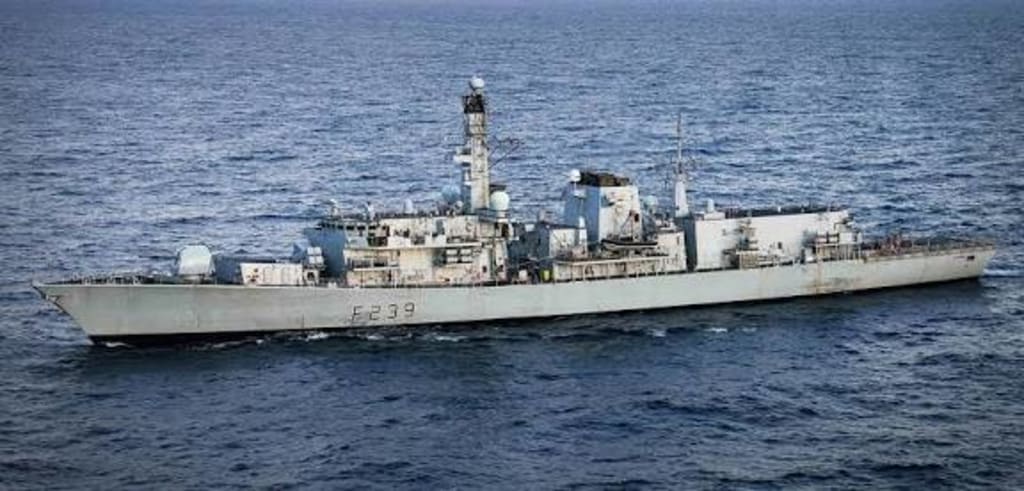
The Royal Navy is preparing to decommission HMS Richmond later this year, marking a significant reduction in its fleet of frigates. Once a vital component of Britain’s maritime defense, HMS Richmond has served in numerous missions worldwide, showcasing the Royal Navy’s capabilities. With its retirement, the number of active frigates will drop to just six, raising questions about the navy’s operational capacity in the years ahead.
HMS Richmond: A Storied Career
HMS Richmond, a Type 23 frigate, has been an essential part of the Royal Navy for decades. Commissioned in the late 1990s, the ship has participated in:
Anti-piracy operations off the coast of Somalia
NATO exercises in the North Atlantic
Humanitarian missions and disaster relief efforts
The vessel has earned praise for its versatility, reliability, and the professionalism of its crew. Its decommissioning marks the end of an era for the Type 23 class, which has been a backbone of Britain’s maritime defense for over 30 years.
The Reduction of Frigates
With HMS Richmond’s decommissioning, the Royal Navy will be reduced to just six frigates, down from a larger fleet in previous decades. This reduction is part of a broader modernization plan that aims to replace older ships with new, more capable vessels, such as the upcoming Type 26 and Type 31 frigates.
Defense analysts note that while newer ships will eventually provide enhanced capabilities and technology, the interim period could challenge the Royal Navy’s ability to maintain global maritime presence and meet operational commitments.
Strategic Implications
Frigates are versatile warships capable of performing multiple roles, including:
Anti-submarine warfare
Surface and air defense
Escort missions for aircraft carriers
Humanitarian and disaster response
A reduction in numbers may limit the Royal Navy’s flexibility, particularly when deployed overseas or during multinational exercises. Critics argue that having only six frigates could strain resources, while proponents emphasize that modern technology and updated ship designs will offset numerical reductions.
HMS Richmond’s Decommissioning Process
The decommissioning of HMS Richmond will involve several stages:
Operational wind-down – Ceasing active deployments and returning to home port
Crew reassignment – Sailors and officers will be reassigned to other vessels or training roles
Removal of sensitive equipment – Weapons systems, sensors, and communications gear will be taken off the ship
Ceremonial farewell – The Royal Navy typically conducts a formal decommissioning ceremony to honor the vessel’s service
Officials have stressed that HMS Richmond will be remembered for its decades of service and contribution to national security.
Modernization and Fleet Plans
The Royal Navy’s Type 26 and Type 31 frigates are expected to gradually replace older Type 23 vessels. These modern ships will offer:
Advanced anti-submarine capabilities
Improved radar and missile systems
Greater versatility for multinational operations
Enhanced survivability and automation
While these upgrades are crucial, defense experts note that building and commissioning new ships takes time, meaning the Royal Navy will temporarily operate with a smaller number of frigates than in the past.
Historical Context
The Royal Navy has a long history of maintaining a strong frigate fleet, dating back to the Age of Sail. Frigates have traditionally been key to patrolling oceans, protecting trade routes, and projecting power abroad.
HMS Richmond’s retirement symbolizes the transition from older, proven platforms to modern, technologically advanced vessels, reflecting changing naval priorities in the 21st century.
Regional and Global Implications
The reduction in frigate numbers may have broader implications for global maritime security. Allies and partners often rely on the Royal Navy for:
NATO operations in the North Atlantic
Anti-piracy patrols in international waters
Support for humanitarian missions worldwide
Defense analysts suggest that while the Royal Navy remains a formidable maritime force, the temporary reduction could affect response times and deployment flexibility.
Expert Opinions
Naval experts highlight both challenges and opportunities:
Challenges: Fewer frigates mean that each vessel may face increased operational demand and longer deployment periods.
Opportunities: Newer ships will be more capable, technologically advanced, and multi-role, enhancing effectiveness in modern naval warfare.
Officials emphasize that the Royal Navy is prioritizing capability over quantity, aiming to maintain strategic influence while transitioning to next-generation vessels.
Conclusion
The decommissioning of HMS Richmond marks a significant moment for the Royal Navy, reflecting both the end of an era and the transition toward a modern, high-tech fleet. While the reduction to six frigates may raise concerns about operational capacity, it also underscores the Royal Navy’s focus on advanced capabilities and long-term modernization.
HMS Richmond’s legacy will endure in the memories of its crews and in the history of the Royal Navy, a reminder of the vital role frigates play in protecting the seas and national security. As new ships join the fleet, the Royal Navy continues to adapt to the challenges of modern maritime defense while honoring the service of its retiring vessels.
About the Creator
Fiaz Ahmed
I am Fiaz Ahmed. I am a passionate writer. I love covering trending topics and breaking news. With a sharp eye for what’s happening around the world, and crafts timely and engaging stories that keep readers informed and updated.
Keep reading
More stories from Fiaz Ahmed and writers in The Swamp and other communities.
UK Deploys Typhoon Jets to Qatar in Middle East
The United Kingdom has deployed its Typhoon fighter jets to Qatar, signaling an increased military presence in the Middle East. Officials from the Royal Air Force (RAF) emphasized that the move is part of ongoing efforts to enhance regional security, strengthen alliances, and deter potential threats.
By Fiaz Ahmed 2 months ago in The Swamp
The Forsyth House Fire
Since 1851, Forsyth House has stood on the corner of Union Street and Gordon Street in the heart of Glasgow. Its iconic, or was... because on Sunday 8th of March, 2026, a fire broke out in a small, seemingly un-named shop in the building and tore all that history down. As I write, the rubble is still unsettled and the street is still blocked off. Central Station is quiet on the upper level, and around 30 small businesses have quite literally gone up in smoke.
By S. A. Crawford3 days ago in The Swamp




Comments
There are no comments for this story
Be the first to respond and start the conversation.