Badhan Sen
Bio
Myself Badhan, I am a professional writer.I like to share some stories with my friends.
Stories (2116)
Filter by community
HOW THE OLYMPICS SHAPE NATIONAL IDENTIFY AND PRIDE
The Olympic Games, first held in 1896 in Athens, have evolved into one of the world's most prestigious sporting events, bringing together athletes from across the globe to compete for gold, silver, and bronze. While the primary focus of the Olympics is to celebrate athletic excellence, the Games also serve a larger cultural and social function — notably in shaping national identity and fostering national pride. For many countries, the Olympics become a platform not only to showcase athletic talent but to assert a sense of cultural unity and power on the global stage.
By Badhan Senabout a year ago in Gamers
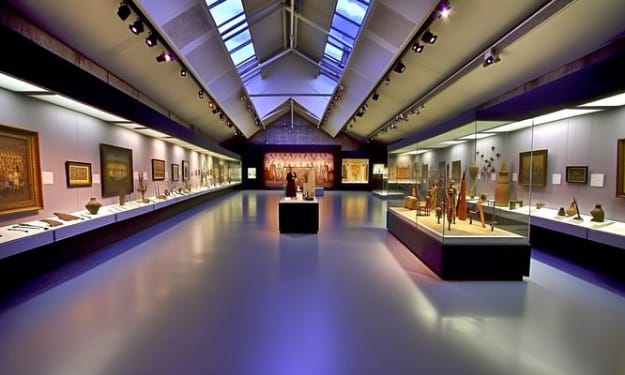
THE IMPORTANCE OF CULTURAL EXHIBITIONS AT THE OLYMPIC GAMES
The Olympic Games are not just a platform for athletic excellence but also a celebration of global culture, unity, and peace. While the primary focus is on sporting events, cultural exhibitions have played an increasingly significant role in enriching the Olympic experience. These exhibitions, whether through art, music, dance, or other forms of cultural expression, offer a unique opportunity for nations to showcase their heritage, foster mutual understanding, and bridge the gap between diverse peoples. Here’s why cultural exhibitions are crucial at the Olympic Games:
By Badhan Senabout a year ago in Gamers
THE ROLE OF MUSIC IN OLYMPIC OPENING CEREMONIES
Music plays an integral role in shaping the atmosphere and narrative of the Olympic Opening Ceremonies. These ceremonies are not just a ceremonial beginning to the world’s largest sporting event but also an artistic expression of the host country’s culture, history, and values. Through music, the event establishes emotional connections with both the athletes and spectators, serving as a vehicle to convey national identity, unity, and the Olympic spirit. The use of music in these ceremonies is a powerful storytelling tool that transcends language barriers and evokes deep emotions.
By Badhan Senabout a year ago in Gamers
THE ECONOMIC IMPACT OF HOSTING THE OLYMPICS ON THE HOST COUNTRY
The Olympic Games are one of the most prestigious and widely viewed sporting events globally, and hosting them can have both significant benefits and challenges for the host country. While the event offers a unique opportunity for national pride, global exposure, and infrastructural development, the economic impact of hosting the Olympics is multifaceted. It affects a range of sectors, including tourism, construction, employment, and long-term economic growth. However, the financial benefits are often accompanied by substantial costs, and the true economic impact remains a subject of debate.
By Badhan Senabout a year ago in Gamers
THE OLYMPICS AND ITS INFLUENCE ON GLOBAL FASHION TRENDS
The Olympic Games are one of the most widely watched and anticipated events in the world, attracting millions of viewers and bringing together the most talented athletes from across the globe. While the Games are primarily about sportsmanship and international unity, they also have a profound influence on global fashion trends. From the opening ceremonies to the uniforms of athletes, the Olympics showcase cutting-edge design, innovative sportswear, and a fusion of cultural influences that resonate long after the Games end. This article explores how the Olympics have shaped global fashion trends, from sportswear to high fashion, and how the event has acted as a platform for creative designers and brands to influence the world’s fashion landscape.
By Badhan Senabout a year ago in Gamers
THE CONTROVERSIAL USE OF BLOOD DOPING IN THE 1980s OLYMPICS
The 1980s witnessed a significant evolution in the world of competitive sports, including the controversial practice of blood doping. While the practice did not become widely publicized until the 1990s, the roots of blood doping can be traced back to the 1980s, particularly during the Olympic Games and other international competitions. Blood doping, which refers to the illegal enhancement of athletic performance by increasing the number of red blood cells in the bloodstream, has remained one of the most controversial topics in sports ethics, with a long history of both advocacy and condemnation. In this essay, we will explore the use of blood doping in the 1980s Olympics, its implications for athletes, the resulting backlash, and its impact on the integrity of competitive sports.
By Badhan Senabout a year ago in Gamers
THE CONTROVERSY SURROUNDING EAST GERMAN DOPING PROGRAMS
The East German doping program, which flourished during the Cold War era, remains one of the most notorious and controversial chapters in the history of sport. Between the 1970s and 1980s, East Germany (officially the German Democratic Republic, or GDR) employed state-sponsored doping programs that systematically enhanced the performance of its athletes. These programs were not only a violation of ethics but also a reflection of the political climate of the time, where success in international competitions was seen as a reflection of national strength and superiority.
By Badhan Senabout a year ago in Gamers
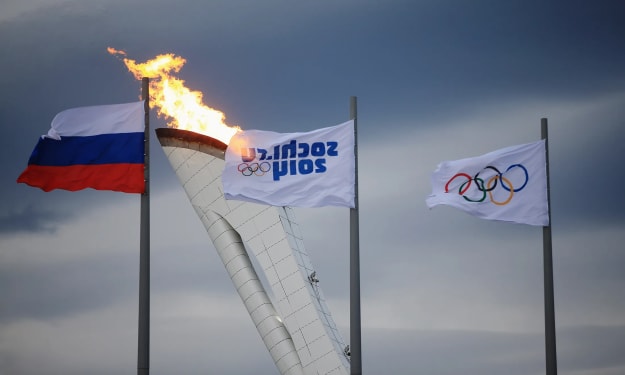
THE IMPACT OF THE SOCHI 2014 DOPING SCANDAL
The Sochi 2014 Winter Olympics were marred by one of the largest doping scandals in the history of the Olympics, leading to profound and long-lasting effects on global sports, Russia’s international reputation, and the credibility of the Olympic Games themselves. The scandal exposed systemic cheating, state-sponsored doping programs, and an extensive cover-up, and it continues to influence anti-doping efforts and the future of global athletics.
By Badhan Senabout a year ago in Gamers
THE ROLE OF ANTI-DOPING ORGANIZATION IN THE OLYMPICS
The Olympic Games, which embody the spirit of excellence, equality, and fair competition, have long been the stage for extraordinary athletic achievements. However, with the intense pressure to perform at the highest level, doping has remained a significant concern in sports. To maintain the integrity of the Games and ensure fair competition, anti-doping organizations (ADOs) play a crucial role. These organizations are responsible for enforcing the rules, testing athletes, and preventing the use of performance-enhancing drugs (PEDs). Their efforts are essential in preserving the values of the Olympic movement, ensuring that the athletes compete on a level playing field, and promoting the health and safety of competitors.
By Badhan Senabout a year ago in Gamers
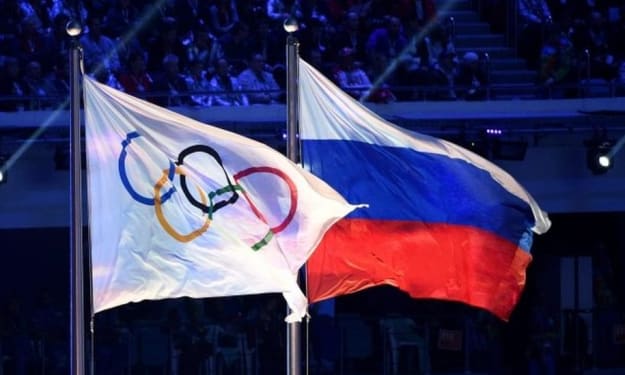
THE RUSSIAN DOPING SCANDAL AND THE 2016 OLYMPICS
The Russian doping scandal is one of the most significant controversies in the history of the Olympic Games. It exposed a state-sponsored system of doping that was aimed at boosting the performance of Russian athletes at various international events, including the 2016 Summer Olympics in Rio de Janeiro. The scandal, which was uncovered in 2014 and continued to evolve over the following years, not only shook the athletic world but also raised concerns about the integrity of global sports and the effectiveness of anti-doping measures.
By Badhan Senabout a year ago in Gamers
THE FALL OF MARION JONES:A TALE OF DOPING AND REDEMPTION
Marion Jones was once a name synonymous with excellence in track and field. With her powerful sprinting ability and magnetic personality, she captivated the world at the turn of the millennium. However, behind the gold medals and international fame lay a dark secret that would eventually bring her crashing down. The story of Marion Jones is a tale of unparalleled athleticism, shocking betrayal, and the long, painful journey of redemption. Her rise to stardom and fall from grace is a cautionary story of the dangers of performance-enhancing drugs and the complicated world of professional sports.
By Badhan Senabout a year ago in Gamers
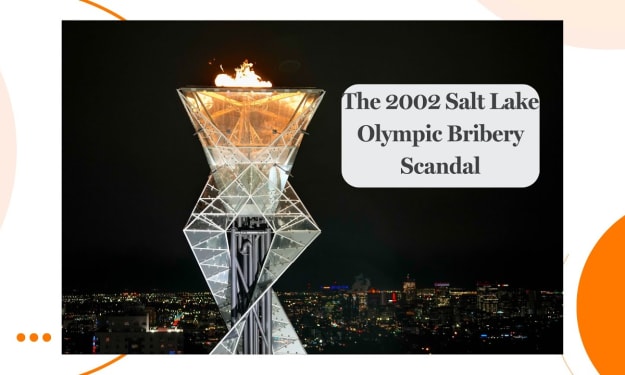
THE SALT LAKE CITY SCANDAL:BRIBERY IN THE 2002 WINTER OLYMPICS
The Salt Lake City Scandal refers to a widespread bribery scandal that emerged in the wake of Salt Lake City's successful bid to host the 2002 Winter Olympics. The scandal involved multiple high-ranking members of the International Olympic Committee (IOC) and is one of the most infamous instances of corruption in the history of the Olympic Games. The events surrounding the scandal raised serious questions about the integrity of the bidding process and the influence of money in Olympic decision-making.
By Badhan Senabout a year ago in Gamers