
THE IMPORTANCE OF CULTURAL EXHIBITIONS AT THE OLYMPIC GAMES
Celebrating Global Unity and Heritage Through Art,Music,and Tradition.

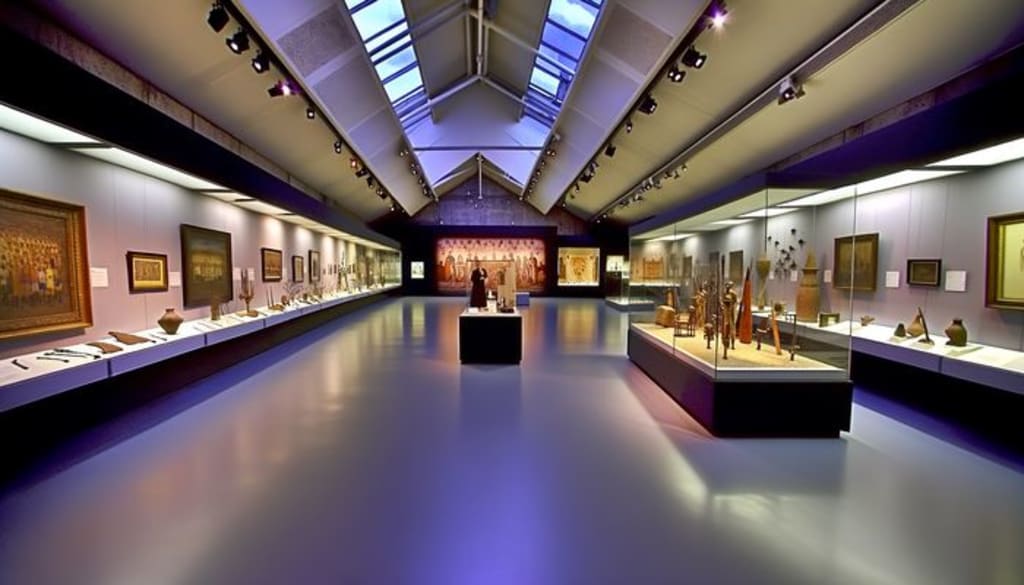
The Olympic Games are not just a platform for athletic excellence but also a celebration of global culture, unity, and peace. While the primary focus is on sporting events, cultural exhibitions have played an increasingly significant role in enriching the Olympic experience. These exhibitions, whether through art, music, dance, or other forms of cultural expression, offer a unique opportunity for nations to showcase their heritage, foster mutual understanding, and bridge the gap between diverse peoples. Here’s why cultural exhibitions are crucial at the Olympic Games:
Celebrating Global Diversity and Unity
The Olympics bring together countries from across the world, creating a global community under the motto of "Citius, Altius, Fortius" ("Faster, Higher, Stronger"). While sports foster healthy competition, cultural exhibitions focus on celebrating the diversity of the participating nations. They offer a platform for each nation to display its traditions, customs, and artistic expressions, thereby promoting the idea of unity in diversity.
Cultural exhibitions help break down stereotypes, broaden understanding, and create a sense of mutual respect. By sharing stories, history, and art, countries not only educate the world about their unique backgrounds but also inspire others to embrace diversity in the spirit of international harmony.
Building Bridges Between Nations
The Olympic Games serve as a meeting point for athletes and spectators from different countries. Cultural exhibitions enhance this exchange by offering an avenue for cultural diplomacy. As countries prepare for the Olympics, they often work together to organize cultural programs and exhibitions, fostering international collaboration.
For instance, the opening and closing ceremonies of the Olympic Games are a blend of spectacular performances and displays that represent the host country's culture and heritage, while simultaneously embracing the international diversity of the participating nations. This encourages cross-cultural dialogue, helping people to see beyond their national borders and appreciate each other's heritage and achievements.
Promoting Peace and Understanding
One of the key objectives of the Olympic Games, as outlined by Pierre de Coubertin, the founder of the modern Olympics, is the promotion of peace through sport. However, cultural exhibitions contribute to this goal in a complementary way. They create an atmosphere of goodwill by emphasizing shared human experiences and values that transcend national differences.
For example, during the Beijing 2008 Olympics, the opening ceremony featured performances of traditional Chinese dance, music, and opera, which invited the world to appreciate the rich cultural tapestry of China. This created an opportunity for non-Chinese audiences to engage with China’s deep cultural history, fostering greater global understanding and respect. Similarly, in London 2012, the cultural showcase featured elements of British history, pop culture, and music, which were universally recognizable and helped unite audiences from all over the world.
Encouraging Local Cultural Pride
For the host nation, the Olympics are an opportunity to highlight its cultural heritage on a global stage. The cultural exhibitions give the host country the chance to reclaim and share its traditions, art, and history in a way that is accessible and captivating for an international audience.
Through pavilions, art galleries, performances, and exhibits, the host nation can celebrate its local customs, promote its artistic talents, and preserve cultural traditions for future generations. This not only boosts national pride but also stimulates the country's tourism and economy, as visitors are often inspired to explore the nation's cultural landmarks after seeing them represented at the Games.
Fostering Creativity and Cultural Exchange
Cultural exhibitions provide a fertile ground for artistic innovation. They bring together artists, musicians, dancers, and performers from around the world to collaborate, create, and showcase their work. This interaction fosters the cross-pollination of ideas and creativity, inspiring artists to experiment with new forms of expression and reinterpretations of traditional art forms.
Furthermore, the Olympics serve as a global stage for artists to perform in front of a diverse, multicultural audience. The exposure to such a wide-ranging audience can lead to greater recognition and opportunities for artists from lesser-known countries, giving them the chance to make their mark on the international art scene.
Promoting Global Cultural Awareness and Education
Cultural exhibitions at the Olympics are more than just performances or displays; they serve as an educational tool. They offer people the opportunity to learn about world cultures, from historical traditions to modern artistic innovations. Through interactive exhibits, workshops, and performances, audiences are exposed to new concepts, languages, and perspectives.
For example, in the Tokyo 2020 Olympics, the integration of Japanese pop culture, anime, and traditional arts in exhibitions allowed viewers to experience the country’s unique blend of the ancient and modern. It was not just about showcasing Japanese culture but providing an educational experience that invited global visitors to immerse themselves in Japan’s rich heritage.
End
Incorporating cultural exhibitions into the Olympic Games adds depth and meaning to the event beyond the athletic competition. These exhibitions promote global unity, peace, and mutual understanding through the celebration of diversity, creativity, and heritage. For the host country, they provide a platform to share its culture with the world, enhancing national pride and cultural tourism. For the international community, they serve as an opportunity to learn about and appreciate the arts, traditions, and stories of other nations. Ultimately, the Olympics are not just a sporting event; they are a celebration of human achievement in all its forms, and cultural exhibitions play a pivotal role in this grand celebration of humanity.
About the Creator
Badhan Sen
Myself Badhan, I am a professional writer.I like to share some stories with my friends.
Keep reading
More stories from Badhan Sen and writers in Gamers and other communities.
THE ROLE OF MUSIC IN OLYMPIC OPENING CEREMONIES
Music plays an integral role in shaping the atmosphere and narrative of the Olympic Opening Ceremonies. These ceremonies are not just a ceremonial beginning to the world’s largest sporting event but also an artistic expression of the host country’s culture, history, and values. Through music, the event establishes emotional connections with both the athletes and spectators, serving as a vehicle to convey national identity, unity, and the Olympic spirit. The use of music in these ceremonies is a powerful storytelling tool that transcends language barriers and evokes deep emotions.
By Badhan Senabout a year ago in Gamers
Anime Paradox Review – A Fresh Anime Tower Defense on Roblox
Anime Paradox is one of those Roblox games that quietly pulls you in and then suddenly you realize you’ve been playing for way longer than planned. At first glance, it looks like another anime-inspired tower defense, but after a few matches, it becomes clear that there’s more going on here. The mix of familiar anime vibes, strategic depth, and constant progression creates an experience that feels both comfortable and exciting. And yes, it’s worth mentioning right away that Anime Paradox has codes, which makes starting out and progressing much smoother, especially for new players.
By Serhii Biloshytskyi3 days ago in Gamers
Arc Raiders 2026 Gameplay Breakdown
Arc Raiders is one of the most anticipated cooperative action games expected to release in 2026. Developed by Embark Studios, the game has attracted strong interest in the U.S. because of its blend of tactical combat, cooperative play, and a science-fiction setting focused on survival rather than excess or shock value.
By Games Mode Ona day ago in Gamers



Comments (1)
Good work for there are people who talented in other ways besides sports and the Olympic venue is a great place to show various kinds of enterprises.