
THE OLYMPICS AND ITS INFLUENCE ON GLOBAL FASHION TRENDS
How the World's Biggest Sporting Event Shapes Style,Innovation,and Cultural Expression.

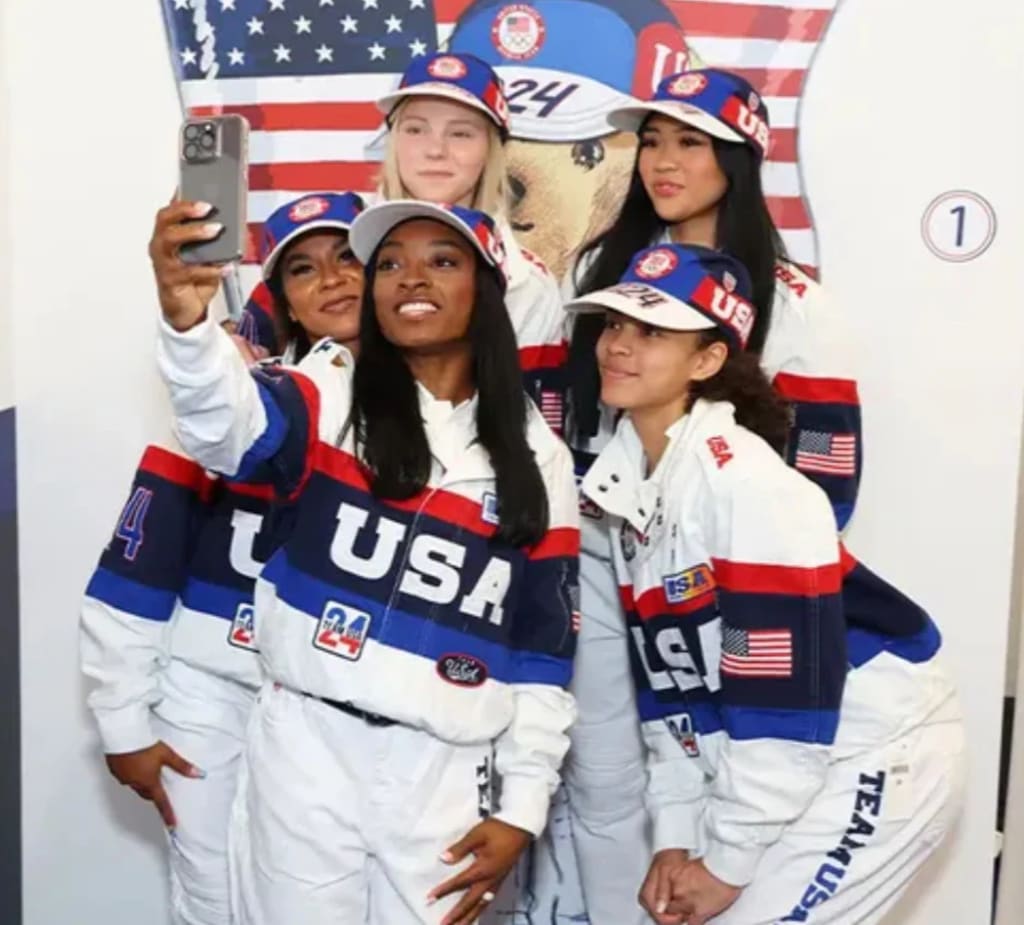
The Olympic Games are one of the most widely watched and anticipated events in the world, attracting millions of viewers and bringing together the most talented athletes from across the globe. While the Games are primarily about sportsmanship and international unity, they also have a profound influence on global fashion trends. From the opening ceremonies to the uniforms of athletes, the Olympics showcase cutting-edge design, innovative sportswear, and a fusion of cultural influences that resonate long after the Games end. This article explores how the Olympics have shaped global fashion trends, from sportswear to high fashion, and how the event has acted as a platform for creative designers and brands to influence the world’s fashion landscape.
(I)Olympic Uniforms: A Blend of Functionality and Style
One of the most significant ways the Olympics influence global fashion is through the uniforms designed for athletes. These uniforms must meet specific technical requirements, such as breathability, flexibility, and durability, to support optimal performance during competition. However, designers also ensure that they are visually appealing and represent the cultural identity of the athlete’s country. These uniforms serve as a symbol of national pride and often become iconic representations of the Olympic Games.
For example, Nike, Adidas, and Puma have collaborated with national teams for decades to create athletic wear that is not only functional but also stylish. The USA's Olympic Team, for instance, has worn uniforms designed by prominent fashion figures such as Ralph Lauren, whose classic Americana style became synonymous with the country’s Olympic representation. The 2020 Tokyo Olympics saw designer Issey Miyake contribute to the design of Japan's opening ceremony uniforms, blending traditional Japanese aesthetics with modern style. The integration of fashion into these uniforms often leads to long-lasting trends that influence the global market, with similar styles appearing in everyday activewear and leisure clothing lines.
(II)The Influence of Olympic Mascots and Logos
The Olympics are also known for their memorable mascots and logos, which have often played a significant role in shaping global design trends. The mascots, typically designed to represent the host country’s culture, traditions, or wildlife, often inspire graphic design and textile patterns. For instance, the 2016 Rio Olympics mascot, Vinicius, was a vibrant, playful figure inspired by Brazilian wildlife, leading to the adoption of bright, tropical prints and color schemes in fashion collections following the Games. The London 2012 Olympics mascot, Wenlock, spurred a trend in geometric and futuristic design, influencing accessories and streetwear styles.
In addition, Olympic logos are often sleek, modern, and minimalist, reflecting the global nature of the event. These logos have inspired fashion designers to incorporate minimalist, clean lines in their collections, often translating Olympic aesthetics into everyday wear, from sports jackets to graphic t-shirts.
(III)Athletic Wear: A Rising Trend in Everyday Fashion
Perhaps the most significant influence the Olympics have had on global fashion trends is the rise of athleisure — the fusion of athletic wear and casual fashion. With the increasing visibility of sports at the Olympics, coupled with athletes’ growing status as fashion icons, athletic wear has transcended the gym and entered everyday life. Brands like Nike, Adidas, and Under Armour have capitalized on this trend, creating lines of stylish, functional, and comfortable clothing that is worn both during physical activity and as casual streetwear.
The 2012 London Olympics played a key role in popularizing the athleisure trend, with designers like Stella McCartney collaborating with Adidas to create a line of Olympic-inspired sportswear that appealed to fashion-forward consumers. Following this, the trend of wearing track suits, hoodies, and sneakers outside of athletic settings became a global phenomenon. The line between activewear and everyday fashion blurred, with sports brands and high-end designers alike incorporating athletic elements into their collections.
(IV)Fashion and Cultural Diplomacy
The Olympics also serve as a platform for cultural diplomacy, where countries use fashion as a tool for soft power. The opening ceremony, where each nation’s athletes march in wearing their team uniforms, is a prime example of how fashion can tell a country’s story. These moments allow designers to showcase cultural heritage through clothing, textiles, and accessories, which have a lasting impact on global fashion trends.
For instance, during the 2016 Rio Olympics, Brazilian designers incorporated vibrant, tropical prints into the country’s Olympic uniforms, showcasing Brazil’s rich culture to the world. Similarly, the 2020 Tokyo Olympics celebrated Japan’s minimalism and innovation, with designs that reflected Japan’s technological advancements while honoring traditional styles. These moments provide a unique opportunity for designers to blend national identity with global fashion, influencing trends long after the Games.
(V)The Global Influence on Luxury Fashion
In addition to sportswear, the Olympics have also had an impact on luxury fashion. Designers and brands take inspiration from Olympic aesthetics, with some even collaborating with the Games to create exclusive collections. For example, Louis Vuitton created a special Olympic-themed collection in honor of the 2020 Tokyo Olympics, which featured bags, clothing, and accessories incorporating Olympic symbols and logos.
The growing trend of sustainable fashion at the Olympics has also inspired luxury brands to take eco-friendly initiatives, such as using recycled materials or creating clothing that is made to last. This shift has mirrored global conversations about sustainability in fashion, further pushing forward the idea of combining aesthetics, performance, and ethical considerations.
End
The Olympic Games, with their unique blend of sports, culture, and international unity, have undeniably influenced global fashion trends. From the uniforms worn by athletes to the rise of athleisure, the Games serve as a platform for showcasing innovative design, cultural identity, and global collaboration. The Olympics not only shape the future of athletic wear but also play a role in elevating the relationship between fashion and sports, bridging the gap between performance and style. As the Games continue to evolve, so too will its influence on the world of fashion, offering a glimpse of the future of global trends.
About the Creator
Badhan Sen
Myself Badhan, I am a professional writer.I like to share some stories with my friends.
Keep reading
More stories from Badhan Sen and writers in Gamers and other communities.
THE CONTROVERSIAL USE OF BLOOD DOPING IN THE 1980s OLYMPICS
The 1980s witnessed a significant evolution in the world of competitive sports, including the controversial practice of blood doping. While the practice did not become widely publicized until the 1990s, the roots of blood doping can be traced back to the 1980s, particularly during the Olympic Games and other international competitions. Blood doping, which refers to the illegal enhancement of athletic performance by increasing the number of red blood cells in the bloodstream, has remained one of the most controversial topics in sports ethics, with a long history of both advocacy and condemnation. In this essay, we will explore the use of blood doping in the 1980s Olympics, its implications for athletes, the resulting backlash, and its impact on the integrity of competitive sports.
By Badhan Senabout a year ago in Gamers
Rsvsr Unlock Big Rewards with GOP 3’s Jackpot Wheels
In Governor of Poker 3, winning doesn’t always come from the perfect hand or outsmarting your opponent at the table. Sometimes, the biggest surprises—and the richest rewards—come from something far simpler: a spin of the wheel. GOP 3’s Jackpot Wheels—including the Golden, Diamond, Ruby, and Emerald Wheels—offer players an exciting, chance-driven way to earn chips, spins, and rare in-game items.
By Billo Nali6 days ago in Gamers
YGO: Reborn! — A Living Yu-Gi-Oh! Experience Inside Roblox
YGO-Reborn is one of those Roblox games that instantly makes you stop scrolling and think, “Okay, this is serious.” It’s not just another fan-made project loosely inspired by Yu-Gi-Oh!. It’s a full-fledged, automatic duel simulator that genuinely tries to recreate the feeling of real Yu-Gi-Oh! while still being accessible and fun inside Roblox. From the very first duel, you can feel that this game was made by people who actually love the franchise.
By Serhii Biloshytskyi7 days ago in Gamers




Comments (1)
Great article on the fashion of the Olympics, but why do they have to be so expensive. There were a few sweatsuits, swimsuits and a few other items but so expensive.