politics
Politics does not dictate our collective cultural mindset as much as it simply reflects it; We've got to look in the mirror sometimes, and we've got one.
Fresh Talks on Gaza Stabilisation Force Focus on Mandate as Pakistan Maintains Caution. AI-Generated.
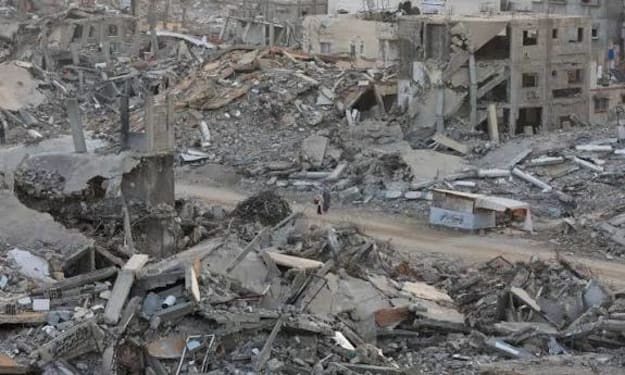
Renewed diplomatic discussions surrounding a proposed international stabilisation force for Gaza have once again placed the spotlight on the region’s fragile security landscape. As conflict-weary Gaza remains trapped between humanitarian collapse and political deadlock, fresh talks are now focusing on a crucial question: what exactly would the mandate of such a force be? While several regional and global players explore possible frameworks, Pakistan has adopted a cautious and measured stance, emphasizing legality, neutrality, and humanitarian priorities. The Context Behind the Stabilisation Talks Gaza’s prolonged crisis has repeatedly drawn international concern, especially following cycles of intense violence that leave civilian infrastructure shattered. Hospitals, water systems, and housing have suffered extensive damage, prompting urgent calls for an international mechanism that could stabilize the territory while enabling humanitarian relief. In response, diplomats have revived discussions about deploying a stabilisation force—potentially under the United Nations or a multilateral coalition. However, past failures of similar initiatives in conflict zones have made many countries wary. As a result, current talks are heavily focused on defining a clear, limited, and lawful mandate to avoid mission creep or unintended escalation. Defining the Mandate: The Central Challenge At the heart of the negotiations lies the issue of mandate clarity. Proponents argue that any stabilisation force must prioritize civilian protection, ensure safe delivery of humanitarian aid, and support ceasefire monitoring. Others insist the force should have no role in policing, counterinsurgency, or governance, fearing such involvement would entangle peacekeepers in active hostilities. Legal experts warn that without a robust international mandate—ideally backed by the UN Security Council—any deployment could face legitimacy challenges. The question of consent from local stakeholders further complicates matters, as political divisions within Palestinian leadership and opposition from Israel add layers of complexity. Pakistan’s Careful Diplomatic Position Pakistan, a longstanding supporter of Palestinian rights, has approached the talks with visible caution. Officials have stressed that Islamabad will not support any stabilisation force that undermines Palestinian self-determination or legitimizes prolonged occupation. Pakistan’s stance reflects its broader foreign policy principles, which prioritize sovereignty, international law, and humanitarian protection. Pakistani diplomats have reportedly emphasized that a stabilisation force must not become a substitute for a political solution. From Islamabad’s perspective, military or security arrangements without parallel diplomatic progress risk freezing the conflict rather than resolving it. Humanitarian Imperatives Versus Political Realities Humanitarian agencies continue to warn that Gaza’s population cannot afford further delays. Food insecurity, displacement, and medical shortages have reached alarming levels. Advocates argue that even a limited stabilisation force could help create safe corridors for aid delivery and reduce civilian suffering. Yet political realities remain unforgiving. Israel has expressed skepticism about international forces operating near its borders, citing security concerns. Meanwhile, some Palestinian factions fear that an external presence could dilute their political leverage or entrench existing power imbalances. Lessons From Past Peacekeeping Missions International peacekeeping history offers sobering lessons. Missions in Lebanon, Afghanistan, and parts of Africa show that unclear mandates and insufficient resources often lead to operational paralysis. Analysts caution that Gaza’s dense population, contested authority, and history of armed resistance make it one of the most challenging environments for any stabilisation effort. Pakistan, with extensive experience in UN peacekeeping missions worldwide, has quietly highlighted these risks during discussions. Its diplomats have reportedly urged planners to avoid repeating mistakes where peacekeepers are deployed without the authority or capacity to fulfill their objectives. Regional and Global Implications The outcome of these talks carries broader regional implications. A poorly designed force could inflame tensions, while a well-calibrated mission might help de-escalate violence and open space for negotiations. For Pakistan, the issue also resonates domestically, where public opinion strongly favors Palestinian rights and opposes actions perceived as unjust or one-sided. Globally, the talks test the international community’s ability to move beyond rhetoric and deliver practical solutions rooted in law and consensus. The focus on mandate clarity reflects a growing recognition that symbolism alone cannot stabilize Gaza. Conclusion: Caution as a Diplomatic Signal As fresh talks continue, Pakistan’s cautious approach serves as a reminder that stabilisation cannot be imposed—it must be carefully constructed, legally grounded, and politically balanced. While the urgency of Gaza’s humanitarian crisis demands action, rushed decisions risk deepening instability rather than resolving it. Ultimately, any stabilisation force will succeed only if it complements, rather than replaces, a genuine political process. Until that balance is achieved, Pakistan’s measured stance underscores a broader truth: peace cannot be secured by force alone—it must be built on justice, legitimacy, and consent.
By Fiaz Ahmed Brohi26 days ago in The Swamp
Allegations of Crimes Against Humanity and Genocide Against Uyghurs in China. AI-Generated.
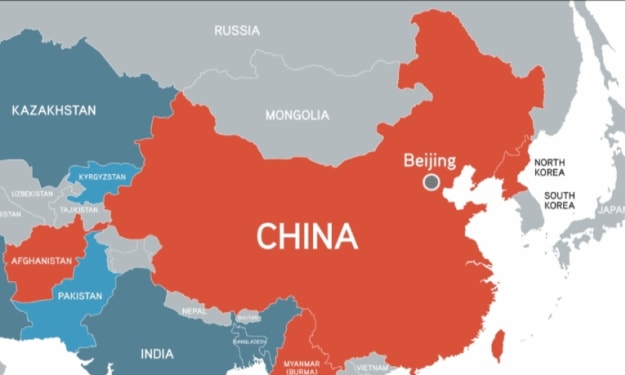
In recent years, international attention has increasingly focused on allegations that the Chinese government is committing crimes against humanity and genocide against the Uyghur population and other predominantly Muslim, Turkic, and ethnic minority groups in the Xinjiang region. Reports from human rights organizations, eyewitness testimony, leaked documents, and government data have painted a troubling picture of systematic persecution that has shocked activists, policymakers, and ordinary citizens around the world.
By Aarif Lashari26 days ago in The Swamp
Is There Any Legal Justification for the US Attack on Venezuela?. AI-Generated.
In the wake of reports that the United States carried out military action in Venezuela—culminating in the capture of President Nicolás Maduro—many observers are asking a pressing question: Is there any legal justification for the US attack on Venezuela? This query touches on fundamental issues of international law, sovereignty, and the evolving norms of foreign intervention in the 21st century.
By Aarif Lashari26 days ago in The Swamp
Trump Says Venezuela VP Delcy Rodríguez Is ‘Willing to Work With US’. Who Is She?. AI-Generated.
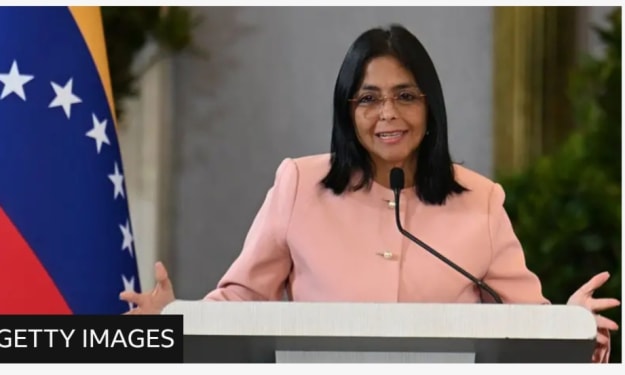
In a recent statement that grabbed international attention, former U.S. President Donald Trump said that Venezuela’s Vice President, Delcy Eloína Rodríguez, is “willing to work with the United States.” The remark came amid shifting geopolitical currents in Latin America, prompting many observers to ask: Who is Delcy Rodríguez, and what does her potential cooperation with the U.S. really mean for Venezuela, regional politics, and global diplomacy?
By Aarif Lashari26 days ago in The Swamp
BBC Reaches Agreement With Israeli Family After Filming Home Without Consent. AI-Generated.
The BBC has reached an agreement with an Israeli family whose home was filmed without consent in the aftermath of the 7 October attacks, bringing partial closure to a controversy that has raised renewed questions about media ethics during times of conflict.
By Aarif Lashari26 days ago in The Swamp
Trump Says US Will ‘Run’ Venezuela Until a ‘Safe Transition Can Take Place’. AI-Generated.
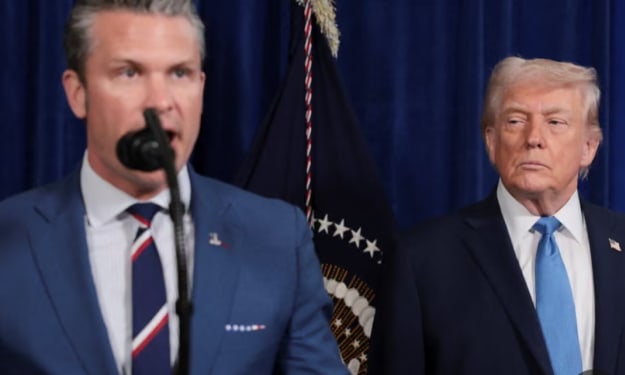
In a statement that has sent shockwaves through international diplomacy, former US President Donald Trump announced that the United States will “run” Venezuela until a “safe transition can take place.” The declaration, delivered during a live address following recent US military actions in the country, marks one of the most dramatic assertions of American power in Latin America in decades.
By Aarif Lashari26 days ago in The Swamp
Nobel Peace Prize Recognition: Honoring Efforts for Global Harmony. AI-Generated.
The Nobel Peace Prize is arguably the most esteemed global recognition for individuals and organizations that have significantly contributed to promoting peace, resolving conflicts, and advancing human rights. Since its inception in 1901, the award has served as a beacon of hope, shining a light on those who dedicate their lives to reducing violence, fostering dialogue, and championing justice. While the prize has often stirred debate over its recipients, its influence in inspiring change and global awareness remains undeniable. The Origins of the Nobel Peace Prize The Nobel Peace Prize is one of five original Nobel Prizes established by the will of Alfred Nobel, the Swedish inventor of dynamite. Surprisingly, Nobel, known for his contributions to explosives, had a deep concern for peace. His 1895 will specified that the Peace Prize should be awarded to “the person who shall have done the most or the best work for fraternity between nations, for the abolition or reduction of standing armies, and for the holding and promotion of peace congresses.” The prize is awarded annually by the Norwegian Nobel Committee, a five-member panel appointed by the Norwegian Parliament. Unlike other Nobel Prizes awarded in Sweden, the Peace Prize’s Norwegian administration reflects Norway’s historical role in diplomacy and its commitment to international cooperation. Criteria for Recognition Winning the Nobel Peace Prize is not simply about achieving fame or political popularity. Recipients are evaluated based on their tangible contributions toward: Conflict resolution: Mediation between warring parties or negotiating peace agreements. Human rights advocacy: Promoting justice, equality, and freedom for marginalized communities. Global cooperation: Encouraging international collaboration for social, political, or environmental goals. Past laureates like Martin Luther King Jr., Mother Teresa, Malala Yousafzai, and Barack Obama have been recognized for diverse but impactful efforts—ranging from civil rights activism to international diplomacy and education advocacy. Impact on Recipients and Global Society Recognition by the Nobel Peace Prize often amplifies the voice of recipients and their causes. The award not only provides a financial grant but also global visibility, increasing public support and international credibility. For organizations, it can boost fundraising and expand operational reach, while for individuals, it can provide a platform to influence global policy. For example, Malala Yousafzai, who won the prize in 2014, has leveraged her recognition to advocate for girls’ education worldwide, influencing governments and policymakers across continents. Similarly, peace organizations such as the International Campaign to Ban Landmines have successfully advanced humanitarian initiatives thanks to the prestige and attention accompanying the award. Controversies and Debates Despite its prestige, the Nobel Peace Prize is not immune to controversy. Some critics argue that the committee occasionally awards individuals or organizations whose actions may not align perfectly with the ideals of peace. For instance, Barack Obama’s 2009 recognition drew debate, as many believed his accomplishments at the time had yet to materialize fully in the context of global peace. Additionally, geopolitical considerations sometimes influence perceptions of fairness. Critics point out that the prize can reflect political statements or Western-centric perspectives. Nevertheless, such debates also highlight the complexity of defining “peace” in a world often marked by conflict, inequality, and moral ambiguity. The Prize and Global Awareness Beyond recognizing individual achievements, the Nobel Peace Prize plays a vital role in raising awareness about critical global issues. Each announcement prompts discussion, media coverage, and public discourse on topics like nuclear disarmament, human rights violations, environmental sustainability, and conflict zones. This awareness can mobilize governments, NGOs, and citizens to take action, proving that the prize’s influence extends far beyond a single ceremony in Oslo. Inspiring Future Generations One of the Nobel Peace Prize’s most enduring contributions is its power to inspire. Young activists and global citizens often see laureates as role models, proving that dedication, courage, and moral conviction can change the world. From grassroots community organizers to international diplomats, the recognition encourages a culture where striving for peace is not just admired but pursued actively. Looking Forward As the 21st century presents new challenges—climate crises, cyber warfare, global pandemics, and ongoing conflicts—the role of the Nobel Peace Prize remains crucial. It serves not only as recognition of past achievements but also as a call to action for future generations to tackle the pressing issues that threaten global harmony. The award reminds us that peace is not merely the absence of war but a proactive endeavor to build justice, cooperation, and empathy worldwide. Conclusion The Nobel Peace Prize is more than a prestigious accolade; it is a symbol of humanity’s highest aspirations. Through recognition, the award inspires action, elevates voices, and encourages global dialogue on peace and justice. While debates over selections may persist, the overarching message remains clear: efforts to foster peace are invaluable, and those committed to making the world a better, safer, and fairer place deserve acknowledgment. By honoring champions of peace, the Nobel Peace Prize continues to serve as a guiding light, reminding humanity that even in the face of conflict and uncertainty, hope, collaboration, and courage can prevail.
By Muhammad Hassan26 days ago in The Swamp
At Least Two People Killed and Scores Injured in Russian Strike on Ukraine's Kharkiv. AI-Generated.
A Russian missile strike on Ukraine’s second-largest city, Kharkiv, has left at least two people dead and dozens more injured, as the war in Ukraine continues to devastate civilian populations. The strike, which targeted a densely populated residential area, has drawn widespread international condemnation, marking yet another escalation in a conflict that has already taken a heavy toll on both military personnel and civilians.
By Ayesha Lashari26 days ago in The Swamp
Google Threatens to Stop Linking to New Zealand News: What This Means for Readers and Publishers. AI-Generated.
If you’ve been following global tech news lately, you might have seen the headlines: Google says it could stop linking to New Zealand news if the country passes a new law requiring tech platforms to pay for news content. But what does this really mean for everyday readers and for the media industry in New Zealand? Let’s break it down. What’s the Law About? New Zealand’s government is considering the Fair Digital News Bargaining Bill, a law designed to make platforms like Google and Meta pay news outlets when their content appears on search results or feeds. Why? Because many news organizations say they’re losing out in the digital world. Platforms display news headlines and snippets, attracting readers and ad revenue, while the outlets that actually create the journalism struggle to survive. This law aims to level the playing field, allowing local media to negotiate fair payment for their work. Think of it like this: the newspapers write the story, but Google delivers it to millions of readers. The law is trying to make sure that newspapers aren’t doing all the work for free. Google Pushes Back Google isn’t taking this lightly. In a recent statement, Caroline Rainsford, Google’s New Zealand Country Director, said that if the law passes in its current form, Google could: Stop linking to New Zealand news entirely on Google Search, Google News, and Discover End commercial agreements with nearly 50 local publishers Google’s argument? They say the law could create “uncapped financial exposure” and uncertainty for their business. In other words, they’re worried it might cost them too much and disrupt how they operate globally. Google has also suggested alternative ways to support local media without disrupting the open web — but those alternatives haven’t satisfied everyone in New Zealand yet. How Are Publishers Reacting? Local news organizations are not happy. The News Publishers’ Association of New Zealand criticized Google’s stance as “corporate pressure” on democratic lawmaking. They argue that the government should be able to support local media without being bullied by a global tech giant. There’s also a bigger concern: access to information. If Google removes links to local news, everyday New Zealanders might find it harder to discover stories online. Critics worry this could hurt democracy by limiting the public’s access to vital information. Lessons from Other Countries New Zealand isn’t the first country to try this. Australia passed a similar law in 2021. Google initially pulled news links but later reached deals with media outlets. Canada has also explored similar legislation, with Google agreeing to financial arrangements to support local news. These examples show that tough negotiations can work out, but there’s no guarantee it will be smooth. Each country has its own approach, and New Zealand is trying to craft a law that works specifically for its media landscape. Why This Matters This standoff highlights a larger global issue: who pays for journalism in the digital age? On one side are local newsrooms producing investigative reports, covering elections, and keeping communities informed. On the other side are tech platforms that distribute that content to millions — sometimes without sharing revenue. Google’s threat shows the power Big Tech has in shaping how people access information. But the law reminds us that governments are increasingly willing to assert local control to protect their news industries. For readers, it’s a reminder: the free news we enjoy online isn’t entirely free. Someone has to pay for it — whether through subscriptions, ads, or deals with tech platforms. What Happens Next? The bill is still under discussion in Parliament. Officials are consulting with Google and other stakeholders, and changes could be made before it passes. For now, both sides are standing their ground. Google warns about removing news links. Publishers argue for fair compensation. And readers? Well, we might soon notice changes in how we find and read local news online. No matter the outcome, this debate is important. It’s about supporting journalism, protecting democracy, and figuring out how the internet should work in a world dominated by a few powerful platforms. Final Thoughts If you care about local news in New Zealand — or anywhere else — this is a story worth following. The way it unfolds could set a precedent for other countries and reshape the relationship between Big Tech and the news media. In a digital world, access to reliable news isn’t just convenient — it’s essential. And how we support it today will determine the future of journalism tomorrow.
By Muhammad Hassan26 days ago in The Swamp
Removing Maduro Was the Easy Part. Trump’s True Test Will Come Next
The dramatic news that Venezuelan President Nicolás Maduro was detained following a large-scale operation has captured global attention. While the removal of Maduro represents a decisive tactical achievement for the United States under former President Donald Trump, experts argue that the real challenge lies ahead: stabilizing Venezuela, restoring governance, and managing the complex social, economic, and political consequences of regime change.
By Aarif Lashari26 days ago in The Swamp
U.S. Interventions in Latin America and the Caribbean Haven’t Always Gone as Planned. AI-Generated.
The United States has a long and complicated history of interventions in Latin America and the Caribbean. From the early 20th century to the present day, U.S. actions in the region have ranged from military invasions and covert operations to economic pressure and political support for friendly governments. While some interventions were justified by U.S. policymakers as promoting stability or protecting American interests, the outcomes often deviated sharply from intentions — sometimes destabilizing nations rather than stabilizing them.
By Muhammad Hassan26 days ago in The Swamp
Officials Blame Sparkler Candles for Swiss Ski Resort Fire, as First Victim Named. AI-Generated.
New Year’s Eve should have been full of laughter, cheers, and celebrations. But for visitors to the popular Swiss ski resort Crans-Montana, the start of 2026 quickly turned into a nightmare. A devastating fire at the packed Le Constellation bar left at least 40 people dead and over 100 injured, many critically.
By Muhammad Hassan26 days ago in The Swamp