
Removing Maduro Was the Easy Part. Trump’s True Test Will Come Next
The challenges of governing Venezuela and maintaining stability after a regime change
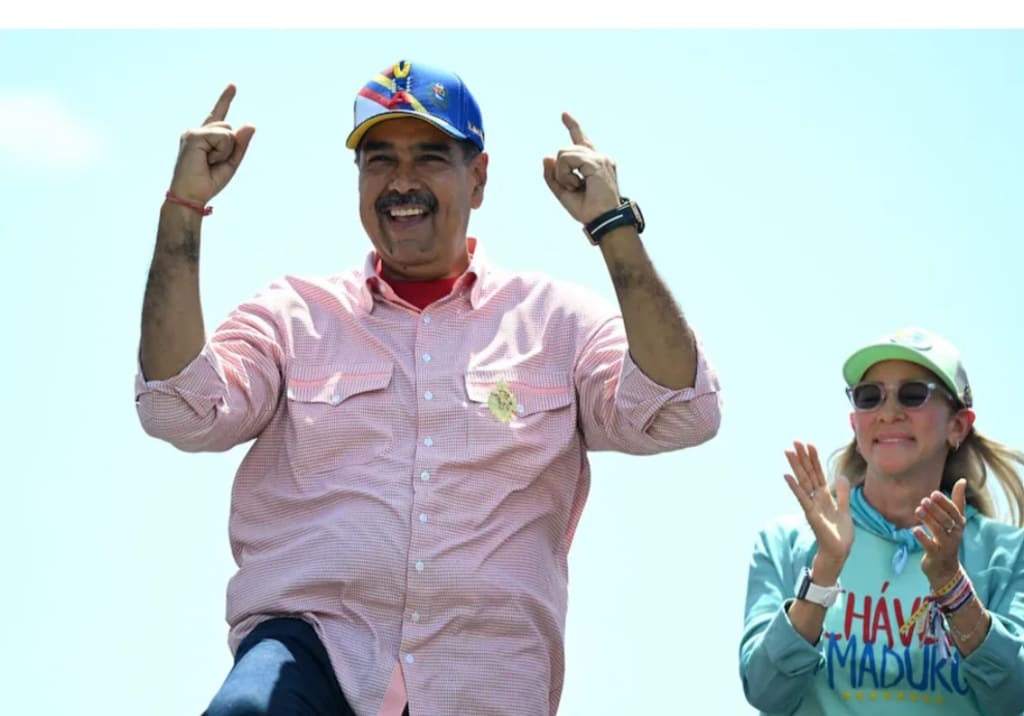
The dramatic news that Venezuelan President Nicolás Maduro was detained following a large-scale operation has captured global attention. While the removal of Maduro represents a decisive tactical achievement for the United States under former President Donald Trump, experts argue that the real challenge lies ahead: stabilizing Venezuela, restoring governance, and managing the complex social, economic, and political consequences of regime change.
The world is now watching to see whether the U.S. and its allies can translate a military and political victory into long-term stability in a country that has been mired in crisis for years.
The Maduro Operation: Swift and Decisive
The operation to capture Maduro was carried out with precision and speed, reportedly involving U.S. forces and intelligence coordination with Venezuelan opposition groups. For Trump and his team, it represented the culmination of years of policy efforts, including:
Economic sanctions designed to weaken Maduro’s grip on power
Diplomatic support for opposition figures
Intelligence operations and preparation for rapid action
The move drew comparisons to high-stakes interventions by other major powers, highlighting Trump’s willingness to act decisively in situations where others had hesitated.
Why Removal Was Only the First Step
While removing a leader is a visible and immediate success, the real difficulties arise after a regime change. Venezuela has long faced structural issues that cannot be resolved simply by replacing the head of state:
Economic Collapse: Venezuela’s economy has been decimated by hyperinflation, currency instability, and a declining oil sector. Restoring fiscal stability requires long-term planning, international cooperation, and investment, all of which cannot be achieved overnight.
Political Fragmentation: Even with Maduro gone, the country’s political landscape remains divided. Various opposition factions may struggle to cooperate, potentially leading to internal power struggles that complicate governance.
Social Challenges: Millions of Venezuelans face poverty, food insecurity, and displacement. Addressing these humanitarian needs is a massive logistical and financial task that demands both resources and coordination.
Experts note that success in regime removal does not guarantee sustainable governance, making the next phase far more complex than the initial operation.
Trump’s Diplomatic Challenge
Following Maduro’s removal, the U.S. faces a delicate diplomatic balancing act:
Regional Relations: Latin American countries have varied perspectives on U.S. intervention. While some welcome support for democratic governance, others criticize unilateral action. Trump must navigate these relationships to maintain regional legitimacy.
International Scrutiny: Global powers, including China, Russia, and the European Union, are closely observing U.S. moves in Venezuela. Trump’s administration will need to demonstrate that post-Maduro governance efforts are responsible and internationally cooperative.
Domestic Expectations: Trump supporters may expect swift results in rebuilding Venezuela, creating pressure to deliver tangible improvements quickly.
Diplomacy will be as critical as military action in ensuring that the U.S. achieves both strategic and humanitarian objectives.
Economic Reconstruction: A Herculean Task
One of the most daunting challenges post-Maduro is the economic reconstruction of Venezuela. After years of mismanagement and sanctions, the country faces:
A collapsed currency and hyperinflation
Declining oil production and infrastructure degradation
Severe shortages of food, medicine, and essential services
Rebuilding the economy will require a mix of domestic reform, foreign investment, and international aid. Trump’s team must coordinate with allies, multilateral organizations, and private investors to jumpstart economic recovery, a process that may take years.
Maintaining Security and Public Order
Political transitions often come with security challenges. In Venezuela, the following risks are particularly acute:
Armed groups and remnants of the former regime could resist or sabotage stabilization efforts
Civil unrest may arise from citizens frustrated by slow improvements in daily life
Border security and migration management will remain critical, given the millions of displaced Venezuelans
Ensuring public order requires intelligent policing, community engagement, and measured military presence—areas where mistakes can quickly undermine political gains.
The Humanitarian Dimension
Even as political and economic efforts unfold, the human impact cannot be ignored. Millions of Venezuelans have suffered from food insecurity, health crises, and displacement. Post-Maduro efforts must prioritize:
Access to food, clean water, and healthcare
Rebuilding schools, hospitals, and infrastructure
Creating employment opportunities to stabilize communities
Failure to address these urgent needs could fuel unrest, weaken governance, and erode international support.
Lessons from History
History shows that regime change, without careful planning for what comes next, often leads to prolonged instability. Examples from Iraq, Libya, and Afghanistan illustrate the dangers of underestimating post-conflict reconstruction.
Trump’s success in removing Maduro offers a short-term victory, but the strategic test lies in ensuring a stable, functioning government, economic recovery, and regional cooperation.
Conclusion
The removal of Nicolás Maduro represents a high-profile achievement for the Trump administration, showcasing decisiveness and strategic planning. Yet, the true measure of success will be what comes next: stabilizing Venezuela, rebuilding its economy, managing political factions, and addressing the humanitarian crisis.
Trump’s challenge is clear: achieving lasting results in a country scarred by years of mismanagement and crisis. If the U.S. fails to follow the initial success with effective reconstruction and governance, the operation risks being remembered as a fleeting victory rather than a transformative moment.
As the world watches, Venezuela’s future—and Trump’s foreign policy legacy—hangs in the balance.
About the Creator
Keep reading
More stories from Aarif Lashari and writers in The Swamp and other communities.
The ‘Putinization’ of US Foreign Policy Has Arrived in Venezuela
In recent months, the world has watched with growing unease as events in Venezuela have unfolded in ways that many analysts describe as the “Putinization” of US foreign policy. From military operations to direct involvement in regime change efforts, the US approach toward Caracas increasingly mirrors tactics associated with Russia under Vladimir Putin: swift, decisive, and often unilateral action aimed at reshaping political landscapes.
By Aarif Lashari14 days ago in The Swamp
Italy’s Hidden Gem: Discovering a Town with La Serenissima Views and Its Own Cipriani
Italy is a country celebrated for its iconic cities—Rome, Florence, Venice—but tucked away between the famed tourist routes are towns that seem frozen in time, offering charm, history, and beauty in abundance. Among these hidden treasures lies one of the country’s most unsung towns, a place where you can sip a cocktail reminiscent of Venice’s glamour, while gazing at La Serenissima-inspired vistas. Even more surprisingly, this little town boasts its own Cipriani-style experience, rivaling the luxury and sophistication typically reserved for Venice itself. A Venetian Feel Without the Crowds The first thing that strikes visitors to this town is its unmistakable Venetian vibe. Canals weave gently through the streets, their waters reflecting pastel-colored buildings and ornate bridges that could be lifted straight from Venice. Gondolas glide gracefully, though here, you’ll find far fewer tourists jostling for photos. The pace is slow, the atmosphere calm, and the view—breathtaking. Locals affectionately call it “little Venice,” not just for its canals but for its architectural echoes of La Serenissima. Strolling along the waterfront, you can admire grand facades adorned with intricate balconies, arched windows, and terracotta rooftops. Unlike Venice, however, the town feels lived-in rather than staged for tourism. Cafés spill onto cobbled squares, children play along the riverbanks, and the scent of freshly baked bread wafts from neighborhood bakeries. Culinary Elegance, Cipriani Style While the vistas may remind you of Venice, the culinary scene makes you think of an Italian luxury experience. The town’s pride is a local eatery inspired by the legendary Cipriani family. Known globally for their refined take on Italian classics, the Cipriani name evokes images of Bellinis, sophisticated menus, and impeccable service. Here, the influence is unmistakable. Visitors can enjoy the signature Bellini cocktail—made with fresh local peaches—while savoring dishes like risotto infused with local herbs, fresh seafood plucked from nearby waters, and handmade pasta that melts in your mouth. Yet the experience remains intimate; tables are spaced generously, and the staff know many patrons by name. Dining here feels like an elegant secret shared among those in the know, a slice of Venetian sophistication without the crowd. History Around Every Corner Beyond its canals and cuisine, the town has a rich history waiting to be explored. Narrow streets open onto hidden squares, some featuring centuries-old fountains or churches with frescoes that have stood the test of time. The local museum provides a window into the town’s past, with artifacts ranging from medieval pottery to Renaissance artwork. Architectural lovers will appreciate the town’s unique blend of styles. Venetian Gothic touches mingle with Romanesque influences, while modern restorations have preserved historical integrity. Even the bridges, modest compared to Venice’s iconic Rialto, carry their own stories—some have been standing for hundreds of years, connecting communities and shaping daily life in subtle but enduring ways. Festivals and Local Life Part of the town’s charm lies in its vibrant local culture. Festivals, often overlooked by mainstream tourism, bring the community together in lively celebrations. From summer music events along the canals to seasonal food fairs, these gatherings offer a glimpse into authentic Italian life. Visitors might find themselves dancing to traditional music, sampling homemade pastries, or watching a local boat race. One particularly enchanting event occurs in early autumn, when the town’s canal waters are lined with floating lanterns. The light reflects off the buildings and water, creating an atmosphere so magical it rivals Venice’s own grand festivities, yet with a warmth and intimacy all its own. Natural Beauty Meets Tranquility While the town captivates with its architecture and food, the surrounding natural scenery provides a peaceful escape. Rolling hills, olive groves, and vineyards frame the town, making it an ideal destination for those seeking both relaxation and inspiration. Hiking trails offer panoramic views of the countryside, while small, secluded beaches nearby allow for quiet moments by the water. For photographers and artists, the combination of light, water, and historic buildings creates endless opportunities for capturing Italy’s beauty. Even a simple morning walk along the canals can reveal reflections, shadows, and colors that feel almost cinematic. Why This Town Deserves More Recognition In an era dominated by travel influencers and bucket lists, towns like this often remain overshadowed by their more famous neighbors. Yet for those who venture here, the rewards are immense: fewer crowds, authentic Italian living, a touch of Venetian glamour, and world-class cuisine. It’s a place where luxury and simplicity coexist, offering an experience that is both refined and deeply personal. Traveling here is more than sightseeing—it’s about soaking in an atmosphere that feels untouched by time. It’s about leisurely afternoons by the canals, evenings filled with exquisite food, and nights under starlit skies, where the water mirrors the town’s lights. Planning Your Visit Getting to this hidden gem is easier than you might think. A short train or car ride from major cities brings you into its heart, and accommodations range from charming boutique hotels to family-run inns. For those seeking luxury, staying at a waterside hotel provides the perfect backdrop for morning coffees with views that rival those of Venice. The best time to visit is during the shoulder seasons—spring or early autumn—when the weather is mild and the town is at its most atmospheric. Summer, while beautiful, can attract regional visitors, slightly changing the town’s serene character. Final Thoughts Italy is filled with wonders, and while Venice, Rome, and Florence deserve their fame, it’s towns like this one that remind us of the country’s quiet magic. With La Serenissima-inspired canals, a local Cipriani-style dining experience, rich history, and an intimate connection to everyday Italian life, this hidden gem is a destination waiting to be discovered. So, pack your camera, your appetite, and a sense of adventure. Step off the tourist trail, and immerse yourself in the understated elegance of Italy’s most unsung town. Here, beauty isn’t shouted from the rooftops—it’s woven into every canal, every cobblestone, and every shared meal.
By Muhammad Hassan7 days ago in The Swamp


Comments
There are no comments for this story
Be the first to respond and start the conversation.