politics
Politics does not dictate our collective cultural mindset as much as it simply reflects it; We've got to look in the mirror sometimes, and we've got one.
9 European Exhibitions Worth Traveling For in 2026. AI-Generated.
Europe is known for its rich history, vibrant culture, and artistic heritage, making it a haven for art lovers, history buffs, and culture enthusiasts. The year 2026 promises to be an exciting one for exhibitions, with several high-profile showcases and cultural experiences set to take place across the continent. Whether you're an art aficionado, a fan of history, or simply looking to immerse yourself in European culture, here are nine exhibitions you won’t want to miss in 2026.
By Fiaz Ahmed Brohi25 days ago in The Swamp
The Biggest, Fastest, and Most Opulent Private Jets in the Sky. AI-Generated.
In a world where luxury knows no bounds, the aviation industry has long catered to those who seek to travel in style, comfort, and speed. Among the most exclusive modes of transportation are private jets, which offer unparalleled privacy, flexibility, and luxury. Whether it's the biggest jets, the fastest aircraft, or the most lavish interiors, these flying marvels redefine air travel. Let’s take a closer look at some of the most opulent private jets in the sky today. The Biggest Private Jets: Space Meets Comfort When it comes to size, the Airbus A380 holds the crown as the largest private jet in the world. Originally designed as a commercial airliner, the A380 has been customized by a few billionaires into private flying palaces. For example, Saudi Prince Alwaleed bin Talal’s private A380 is a 550-ton aircraft featuring lavish bedrooms, living spaces, and even a concert hall. The interiors include marble floors, a staircase, and a fully equipped bathroom. Similarly, the Boeing 747-8 is another colossal jet that can be converted into an ultra-luxury private aircraft. The Flying Palace, owned by the Sultan of Brunei, is among the most well-known examples of this aircraft being transformed into a luxurious private flying residence. This private 747-8 includes amenities such as a large master suite, multiple guest rooms, meeting rooms, and even a dining area capable of hosting large events. The sheer size of these aircraft makes them ideal for long-haul flights where space and comfort are paramount. The Fastest Private Jets: Speed Meets Efficiency For those who prioritize speed, the Gulfstream G700 stands out as one of the fastest private jets in operation today. Capable of flying at speeds of up to 0.925 Mach (just under the speed of sound), the Gulfstream G700 boasts exceptional efficiency and power. With a range of over 7,500 nautical miles, it can travel from New York to Hong Kong in under 15 hours. Another speedster in the sky is the Cessna Citation X+, which holds the title for the fastest civilian aircraft in the world. This jet can reach a top speed of 0.935 Mach and is favored by those who need to travel long distances quickly. It is not only fast but also extremely efficient, ensuring that passengers can cover vast distances in record time while enjoying a smooth and comfortable ride. The Bombardier Global 8000 is also a contender when it comes to speed. It can achieve a top speed of 0.925 Mach, and with a range of 7,900 nautical miles, it allows its passengers to fly between continents with ease. The combination of speed, luxury, and practicality makes the Global 8000 one of the most sought-after private jets for business leaders and ultra-high-net-worth individuals. The Most Opulent Private Jets: Luxury Redefined When it comes to pure luxury, several private jets go beyond comfort and style to create the most lavish environments one could imagine. The Boeing 787 Dreamliner, which has been adapted into a private jet for a select few, is a prime example. The aircraft features a fully customizable cabin with multiple lounges, bedrooms, and even a spa. The interior boasts exquisite materials, including leather, hardwood, and gold accents. This jet has been described as a flying mansion, offering every luxury imaginable while also ensuring a smooth ride at cruising altitudes. The Airbus ACJ320neo, which has been transformed into a private jet for VIPs, offers more than just luxury. It has an impressive selection of amenities that include a large dining area, an office, and even a guest bedroom. The cabin is designed with the finest materials and can be tailored to the owner’s specific taste, making it the ultimate in luxury air travel. A prime example of opulence is the Embraer Lineage 1000E, which offers a combination of a stylish private jet with residential-style comfort. With a full-length stand-up cabin, it includes a large lounge, a bedroom, and a fully equipped bathroom. The interior features luxurious leather seating, a walk-in closet, and fine dining areas, with the option for customization. It’s designed for long-haul flights where a comfortable living experience is required throughout the journey. The Future of Luxury Aviation The world of private jets continues to evolve, with manufacturers working on eco-friendly and energy-efficient models. Concepts like the Airbus Ecojet and Boeing’s environmental initiatives are focused on making private air travel more sustainable while maintaining the luxury and speed that have come to define the industry. In addition, advancements in technology and material science mean that future jets could be lighter, faster, and even more opulent, offering passengers cutting-edge in-flight experiences. Features like augmented reality windows and interactive cabin environments could soon be the norm, providing passengers with unparalleled levels of control and customization during their journey. Conclusion As we look toward the future of luxury aviation, it’s clear that private jets will continue to be the pinnacle of travel for the wealthy and influential. Whether it’s for their size, speed, or sheer opulence, these aircraft redefine the concept of travel, ensuring that passengers enjoy an experience like no other. From record-breaking speed to lavish interiors, the private jets of the future will only continue to raise the bar for what’s possible in the skies. As the world moves toward 2026, the biggest, fastest, and most luxurious jets will remain symbols of success, pushing the boundaries of both engineering and indulgence.
By Fiaz Ahmed Brohi25 days ago in The Swamp
Hundreds of British Buses Have Chinese 'Kill Switch': Concerns Over Security and Sovereignty. AI-Generated.
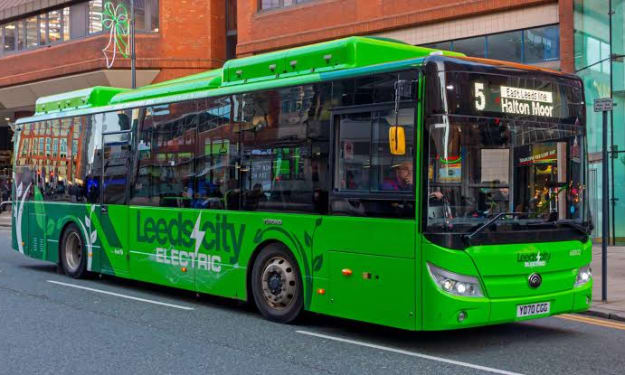
In recent months, a troubling revelation has come to light in the UK regarding its public transport fleet. It has been discovered that hundreds of buses operating across Britain are equipped with a "kill switch" that is manufactured by a Chinese company. This device, which has the capability to disable the buses remotely, has raised significant concerns over national security, privacy, and the sovereignty of the country’s infrastructure. What is a 'Kill Switch' and Why is it a Concern? A "kill switch" is essentially a mechanism that allows the operator of a vehicle or machinery to remotely disable or shut it down. In the case of the British buses, the concern revolves around the fact that these kill switches are manufactured by a Chinese company, raising fears that the Chinese government or other entities could potentially gain unauthorized access to the control system. Given the current global political climate and the increasing tensions between China and several Western countries, including the UK, the idea that a foreign entity might have control over such critical infrastructure is alarming. A remote shut-off mechanism could be exploited to disrupt public transportation, causing significant chaos, and potentially putting public safety at risk. While the technology itself may seem harmless at first glance, its widespread implementation without clear oversight and proper regulatory checks poses serious security challenges. If malicious actors were to gain control of the kill switch system, they could theoretically shut down buses, cause accidents, or interfere with operations in ways that are difficult to trace. The Role of Chinese Companies in the UK’s Transport System The Chinese company in question, which supplies the technology for the kill switches, has been involved in providing these systems for a significant number of buses across the UK. Some reports indicate that these devices are not only present in buses in major cities like London but also in rural and suburban areas. The issue of Chinese influence in the UK’s critical infrastructure has been a growing concern for several years. The Chinese company in question is known for its deep ties to the Chinese government, a factor that raises red flags regarding potential governmental oversight over UK systems. As a result, the idea that such a sensitive part of public infrastructure could be controlled by a foreign power, particularly one with complex diplomatic relationships with the UK, has sparked widespread scrutiny. Impact on National Security The security risks associated with the presence of these kill switches in UK buses are far-reaching. First, there is the concern about cyber-attacks. If a foreign entity were to hack into the system, they could disrupt public transportation on a massive scale. As buses are essential for daily commutes, especially in urban areas, their sudden halt could create significant disruptions to city life. Moreover, the British government has increasingly voiced concerns over the potential for foreign influence in critical infrastructure, particularly related to transportation and communication. The risk posed by these kill switches highlights how easily national security could be compromised in the digital age. With so much of the UK's infrastructure dependent on technology, ensuring that these technologies are secure from foreign influence is more crucial than ever. Government’s Response The revelation of the kill switches has prompted an official response from the UK government. Transportation ministers have stated that they are reviewing the matter closely and are in the process of investigating the security implications of these devices. The UK Department for Transport has announced that it will work with security experts to assess whether the technology could be exploited for malicious purposes and whether further safeguards need to be implemented. While the government insists that there is no immediate threat, security experts and members of Parliament have urged for a full review of the system, calling for greater oversight on foreign companies involved in critical infrastructure. Some experts have even suggested that the UK could explore alternative solutions that do not rely on foreign technologies. What Does This Mean for the Future? This issue shines a light on the broader concerns surrounding the use of foreign technologies in critical infrastructure. While Chinese companies have been instrumental in providing affordable solutions for many sectors, the lack of transparency and potential for external control raises serious questions. As the UK’s dependence on foreign suppliers grows, so does the vulnerability of its infrastructure to cyber-attacks, espionage, or even sabotage. In response, countries around the world, including the UK, are likely to implement stricter regulations regarding foreign involvement in sensitive sectors. We may see an increase in calls for greater scrutiny of international partnerships and the need for local governments to prioritize domestic or more secure alternatives when it comes to critical infrastructure. For now, the issue of Chinese kill switches in UK buses is a reminder that technology is a double-edged sword. While it provides convenience and efficiency, it also brings with it a multitude of risks, especially when the systems are vulnerable to external influence. The UK government’s investigation will likely set a precedent for other nations grappling with similar challenges in the future. Conclusion The discovery of Chinese-made kill switches in UK buses highlights the increasing complexity of global security in the age of technology. While the systems themselves may serve practical purposes, the geopolitical and cybersecurity risks they pose cannot be overlooked. As the UK, and other nations, navigate this evolving landscape, it will be crucial to balance the benefits of technological advancement with the need to safeguard national security and sovereignty. The coming months will determine how the UK responds to this challenge and whether new regulations are introduced to prevent foreign influence in critical infrastructure.
By Fiaz Ahmed Brohi25 days ago in The Swamp
Shock and Skepticism in World’s Capitals After U.S. Seizes Maduro’s Assets. AI-Generated.
In a move that has reverberated across the globe, the United States recently took a bold step by seizing assets tied to Nicolás Maduro, the embattled president of Venezuela, who has long been a thorn in the side of Washington. This dramatic development has sparked shock, skepticism, and a range of political reactions from capitals around the world, each questioning the legality, motives, and broader implications of the U.S. action.
By Fiaz Ahmed Brohi25 days ago in The Swamp
Pakistan Air Force Successfully Tests Indigenously Developed Air-Launched Cruise Missile: A Milestone in National Defense. AI-Generated.
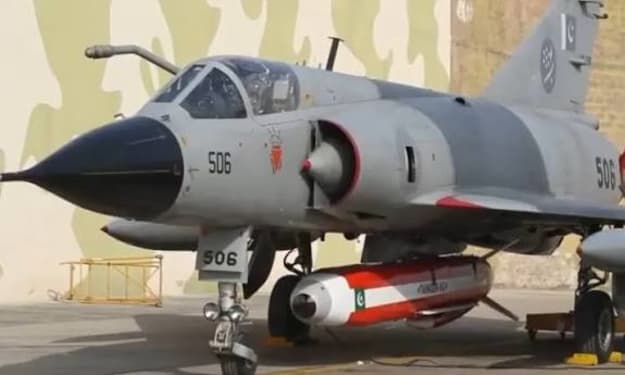
In a significant leap toward strengthening its defense capabilities, the Pakistan Air Force (PAF) has successfully conducted a test of an indigenously developed air-launched cruise missile (ALCM). This achievement marks a critical milestone in Pakistan's defense and military modernization efforts, underscoring the country’s growing self-reliance in advanced military technologies. The successful test is expected to have far-reaching implications not just for the PAF, but for Pakistan’s strategic positioning in the region. An Indigenously Developed Technological Marvel The air-launched cruise missile (ALCM), developed by Pakistan’s defense sector, is a sophisticated weapon system that significantly enhances the country’s military readiness and deterrence capabilities. The missile, designed for high precision and long-range, is expected to play a crucial role in modernizing Pakistan’s air defense system. It is capable of being launched from various types of aircraft, providing the PAF with a versatile tool for conducting both offensive and defensive operations. The missile’s successful test comes after years of research and development by Pakistani scientists and engineers, making it an important achievement in terms of indigenous defense technology. The missile is designed to carry a variety of warheads and deliver pinpoint accuracy against both land-based and naval targets. Its air-launched capabilities allow it to be deployed at a considerable range, reducing the risks to the aircraft and enhancing the PAF's strategic reach. The ALCM is a testament to Pakistan’s growing technological prowess in military weaponry. With increasing pressure to keep pace with neighboring countries in terms of defense capabilities, this development also reflects Pakistan’s desire to ensure its defense is bolstered by self-reliance, reducing its dependency on foreign suppliers. The Strategic Importance for Pakistan This successful missile test comes at a time when the security environment in the South Asian region remains highly volatile. The proximity of regional powers, including India and China, alongside ongoing territorial disputes, underscores the need for Pakistan to continuously strengthen its defense infrastructure. The ALCM provides the PAF with an essential tool for deterrence, as it is designed to strike with high precision over long distances. The missile’s successful deployment from an aircraft also ensures that Pakistan has an increased flexibility in launching attacks, as it can be used on a variety of platforms. This capability makes it a potent addition to Pakistan's air defense arsenal, as it enhances the nation’s ability to conduct covert operations while avoiding detection. The long-range nature of the missile enables Pakistan to reach targets far from its borders, extending its strategic reach and deterrence capability. Given the region’s history of military tensions, particularly with India, this advancement in air-launched missile technology is expected to shift the regional balance of power, providing Pakistan with an additional level of defense to protect its sovereignty and strategic interests. A Leap Toward Self-Reliance in Defense Production The successful test of the air-launched cruise missile is also a significant step toward achieving self-reliance in defense production. Pakistan has made strides in the last decade to develop its indigenous defense industry, reducing its reliance on foreign imports. This development aligns with Pakistan's broader policy of enhancing its national defense capabilities through domestically produced technologies. While the missile is a sophisticated piece of military technology, it is only one example of Pakistan’s growing capabilities in defense production. From the development of tanks to advanced fighter jets, Pakistan has increasingly focused on building its own military infrastructure. By testing and deploying homegrown systems like the ALCM, Pakistan is asserting its military independence, an essential component of national security in the 21st century. This strategic move also signals Pakistan’s intention to compete with regional powers such as India, which is investing heavily in defense technologies. By making rapid advancements in the development and deployment of indigenously produced weapons, Pakistan aims to strengthen its defense and maintain a credible deterrent against any potential threats. Boost to Regional Defense Dynamics The successful test of the air-launched cruise missile will undoubtedly have an impact on the broader regional security landscape. While Pakistan has always had a robust defense infrastructure, the growing development of advanced military technology signals that the country is rapidly closing the technological gap with its neighbors. The development of advanced missile systems also sends a clear signal to neighboring countries, especially India, about Pakistan's resolve to safeguard its sovereignty and deter any external threats. The missile technology reflects not only technological capabilities but also the country’s commitment to enhancing its defense preparedness in a rapidly changing global security environment. Additionally, the successful testing of the missile by the PAF highlights the country’s defense industry’s growing role in shaping military and defense policy in the region. As Pakistan continues to develop and refine its military technologies, it will be better positioned to play a significant role in shaping regional defense dynamics. Conclusion: A Turning Point for Pakistan’s Defense Capabilities In conclusion, the successful test of the indigenously developed air-launched cruise missile by the Pakistan Air Force represents a major leap in the country’s defense technology. It reflects Pakistan's growing capability to produce and deploy advanced military systems and positions the country as an emerging player in regional defense. As the security environment in South Asia remains uncertain, the missile technology enhances Pakistan’s deterrence and defense capabilities. By moving toward self-reliance in defense production, Pakistan is strengthening its military position, ensuring that it is prepared for any eventuality. While the full scope of the strategic implications will become clearer over time, the successful test of the air-launched cruise missile underscores Pakistan’s growing military strength and its increasing role in shaping the future security dynamics of the region. As the world watches, Pakistan's defense industry continues to make its mark on the global stage, one successful test at a time.
By Fiaz Ahmed Brohi25 days ago in The Swamp
Indian Man Highlights Singapore’s Discipline and Cleanliness, Says It Is 'Way Ahead of Our Country'. AI-Generated.
Singapore is often lauded for its exceptional cleanliness, efficient infrastructure, and high levels of discipline. These factors, among others, have led to its recognition as one of the world's most well-organized and advanced countries. Recently, an Indian man shared his thoughts on the contrasting state of affairs in his own country and Singapore, emphasizing the latter’s ability to maintain a strict yet balanced approach toward public order and cleanliness. His remarks serve as both an appreciation of Singapore’s qualities and a subtle critique of the gaps that still exist in some parts of India’s urban spaces. Cleanliness and Public Order: A Mark of Discipline When it comes to cleanliness, Singapore stands out globally as a model. It is hard to ignore the pristineness of the streets, the organized traffic, and the maintenance of public spaces in the country. These features have been made possible by a combination of strong governmental policies, cultural practices, and a high level of public awareness about the importance of maintaining cleanliness. The Indian visitor, who recently visited Singapore, couldn’t help but notice how effortless cleanliness seems in the city-state. Unlike many bustling cities in India where cleanliness may be an ongoing struggle, Singapore’s efforts in managing waste and pollution are commendable. Public areas are regularly cleaned, and it is a common sight to see locals adhering to the rules—be it in terms of littering, the use of public transportation, or maintaining personal hygiene. The cleanliness standards in Singapore are reflected in its efficient waste disposal systems, recycling initiatives, and public campaigns that advocate for zero tolerance for littering. For the Indian visitor, the clean, green, and organized streets of Singapore starkly contrast with some of the challenges faced by major Indian cities. While there have been improvements in cleanliness standards in certain parts of India, particularly in cities like Delhi and Mumbai, there is still much work to be done in enforcing cleanliness laws and ensuring that public spaces are kept free from waste. Public Behavior and Discipline Beyond cleanliness, the Indian visitor was also impressed by the discipline of the Singaporean people. Singapore is known for its stringent regulations, which extend to various aspects of public life, including public behavior, traffic rules, and even social interactions. From not chewing gum in public to the enforcement of strict noise pollution laws, the government has implemented various strategies to ensure that society runs smoothly. One of the key aspects that stands out in Singapore is its commitment to law and order. In Singapore, law-abiding citizens adhere to rules and regulations without resistance, and there is a strong sense of social responsibility. This approach ensures that there is no room for anarchy or chaos, making it a safe, pleasant, and efficient place to live and work. In contrast, the visitor pointed out the frequent violations of traffic rules and lack of social etiquette that exist in many parts of India. For instance, in several Indian cities, jaywalking, littering, and disregard for traffic signals are common occurrences, even though there are laws and regulations in place to prevent them. In India, despite various government efforts, the enforcement of rules can be lax in some areas, and public discipline remains a challenge. Infrastructure and Urban Planning Singapore’s infrastructure and urban planning also serve as shining examples of the country’s attention to detail. The city-state boasts world-class public transport systems, well-maintained roads, modern airports, and smart city features. The ease with which residents and visitors can travel, access amenities, and utilize public services speaks volumes about Singapore’s urban development. On the other hand, the visitor noted that while India is making strides in infrastructure development, challenges remain in terms of urban planning, traffic management, and waste disposal. Many parts of the country continue to grapple with issues such as traffic congestion, overcrowded public transport, inadequate urban facilities, and underdeveloped rural areas. The Road Ahead for India The Indian man’s reflections on Singapore’s strengths offer valuable lessons for India, particularly when it comes to discipline, public behavior, and urban cleanliness. While India is already on the path to improving its infrastructure and cleanliness, there is a need for continued investment in systems that encourage the public to adhere to the rules and take responsibility for their surroundings. India can learn from Singapore’s effective use of technology in managing urban spaces. Smart waste management systems, digitalized traffic management, and widespread public education campaigns could all play a crucial role in improving the quality of life in India’s urban centers. Moreover, promoting greater public awareness and accountability, along with stricter enforcement of rules, can help instill discipline in public behavior and foster a sense of civic responsibility. Encouraging citizen participation in environmental conservation and waste management through educational campaigns and community-based initiatives could also promote cleaner cities. Conclusion The Indian man’s reflections on Singapore’s impressive discipline and cleanliness offer a powerful reminder of how much can be achieved with the right combination of strong governmental policies, cultural norms, and citizen participation. While India still faces challenges in urban planning, infrastructure, and public behavior, it is clear that by looking at successful examples like Singapore, the country can continue on the path toward becoming a cleaner, more organized society. In the years to come, India can build upon the lessons learned from countries like Singapore, and work toward creating a more disciplined, cleaner, and efficient future. By doing so, India can ensure that its cities become places where citizens take pride in their surroundings and work together for the common good.
By Fiaz Ahmed Brohi25 days ago in The Swamp
Iran’s Khamenei Says Rioters ‘Must Be Put in Their Place’ Amid Widening Protests. AI-Generated.
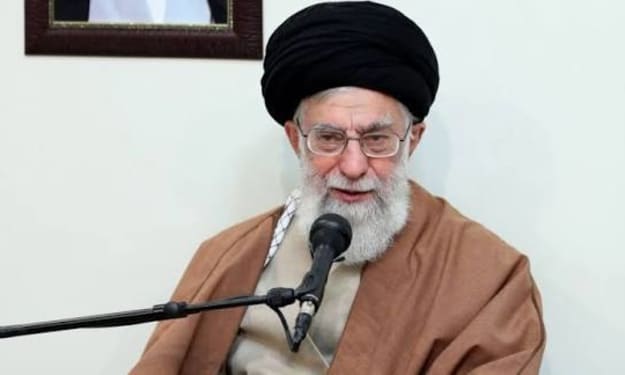
As Iran faces renewed waves of public unrest, Supreme Leader Ayatollah Ali Khamenei has delivered one of his strongest warnings yet, declaring that “rioters must be put in their place.” His remarks come at a time when protests, fueled by economic hardship, political frustration, and social restrictions, are spreading across multiple cities, placing the Iranian leadership under intense pressure both at home and abroad. Protests Rekindle Old Grievances Iran is no stranger to mass demonstrations. Over the past decade, repeated protest movements have erupted over rising living costs, fuel price hikes, unemployment, and perceived corruption. The latest protests appear to be a continuation of these unresolved grievances. Demonstrators have reportedly taken to the streets chanting slogans against economic mismanagement and demanding greater freedoms. While Iranian authorities often frame such protests as isolated incidents instigated by “foreign enemies,” many analysts argue the unrest reflects deep-rooted domestic problems. Inflation remains stubbornly high, sanctions continue to strain the economy, and ordinary Iranians struggle with shrinking purchasing power. Khamenei’s Hardline Message In a public address, Supreme Leader Khamenei adopted a firm tone, differentiating between what he described as “legitimate criticism” and what he labeled “rioting.” According to him, acts of vandalism and disorder threaten national security and will not be tolerated. His statement signals that the state is prepared to respond forcefully if protests escalate. This rhetoric aligns with the Iranian leadership’s long-standing approach to dissent: allowing limited expression under strict boundaries while swiftly cracking down on movements perceived as challenging the Islamic Republic’s authority. Security Response Intensifies Following Khamenei’s remarks, security forces reportedly increased their presence in protest-prone areas. Riot police, Basij militia units, and intelligence agencies have historically played a central role in suppressing demonstrations. Internet slowdowns and social media restrictions—common tactics during unrest—have also been reported by activists. Human rights organizations frequently criticize Iran for using excessive force during protests, including mass arrests and harsh sentences. Tehran, however, maintains that its actions are necessary to maintain order and prevent chaos. Economic Pressures at the Core Despite official narratives focusing on security and foreign interference, economic distress remains a key driver of public anger. Sanctions related to Iran’s nuclear program have severely limited oil exports and access to global markets. Although the government claims to be pursuing a “resistance economy,” many Iranians feel little relief in their daily lives. Youth unemployment is particularly alarming, with a growing generation feeling disconnected from opportunities and decision-making processes. For many protesters, economic justice is inseparable from political reform. Political Stakes for the Regime Khamenei’s comments also reflect broader anxieties within Iran’s ruling establishment. The government is navigating a complex landscape: internal dissent, regional tensions, and stalled negotiations with Western powers. Any sign of instability risks weakening Iran’s bargaining position on the international stage. At the same time, the leadership appears determined to project strength. By emphasizing discipline and authority, Khamenei seeks to reassure supporters while warning opponents that the system remains firmly in control. International Reaction and Scrutiny Iran’s handling of protests continues to attract global attention. Western governments and international rights groups have repeatedly urged Tehran to respect freedom of expression and avoid violence against civilians. Iranian officials routinely dismiss such criticism as politically motivated and hypocritical. The protests also complicate Iran’s diplomatic relations, particularly at a time when it seeks economic relief and regional influence. Images of unrest undermine Tehran’s efforts to portray stability and unity. A Familiar Cycle With Uncertain Outcomes Iran’s political history suggests a recurring cycle: protests erupt, authorities respond forcefully, calm returns—temporarily. However, each wave leaves behind unresolved frustrations. Many observers believe that unless structural economic and political reforms are introduced, future unrest is inevitable. Khamenei’s declaration that rioters must be “put in their place” underscores the regime’s reliance on control rather than compromise. Whether this approach will succeed in restoring long-term stability remains an open question. Conclusion: Authority Versus Accountability The latest protests and the Supreme Leader’s uncompromising response highlight a fundamental tension within Iran: the struggle between authority and accountability. As economic pressures mount and public patience wears thin, the government faces a critical challenge—maintain order through force or address the underlying causes of dissent. For now, Iran’s leadership has chosen firmness. But history suggests that silencing voices does not erase demands—it merely postpones them.
By Fiaz Ahmed Brohi25 days ago in The Swamp
Fresh Talks on Gaza Stabilisation Force Focus on Mandate as Pakistan Maintains Caution. AI-Generated.
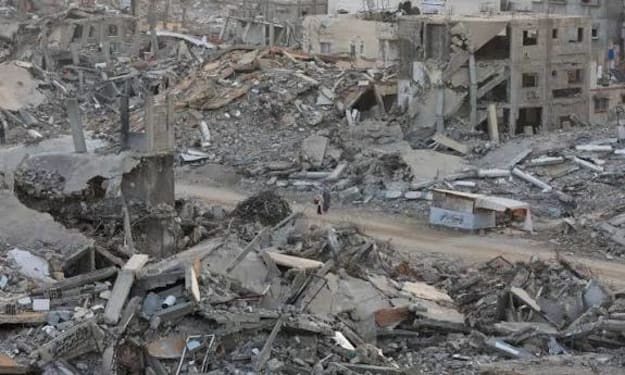
Renewed diplomatic discussions surrounding a proposed international stabilisation force for Gaza have once again placed the spotlight on the region’s fragile security landscape. As conflict-weary Gaza remains trapped between humanitarian collapse and political deadlock, fresh talks are now focusing on a crucial question: what exactly would the mandate of such a force be? While several regional and global players explore possible frameworks, Pakistan has adopted a cautious and measured stance, emphasizing legality, neutrality, and humanitarian priorities. The Context Behind the Stabilisation Talks Gaza’s prolonged crisis has repeatedly drawn international concern, especially following cycles of intense violence that leave civilian infrastructure shattered. Hospitals, water systems, and housing have suffered extensive damage, prompting urgent calls for an international mechanism that could stabilize the territory while enabling humanitarian relief. In response, diplomats have revived discussions about deploying a stabilisation force—potentially under the United Nations or a multilateral coalition. However, past failures of similar initiatives in conflict zones have made many countries wary. As a result, current talks are heavily focused on defining a clear, limited, and lawful mandate to avoid mission creep or unintended escalation. Defining the Mandate: The Central Challenge At the heart of the negotiations lies the issue of mandate clarity. Proponents argue that any stabilisation force must prioritize civilian protection, ensure safe delivery of humanitarian aid, and support ceasefire monitoring. Others insist the force should have no role in policing, counterinsurgency, or governance, fearing such involvement would entangle peacekeepers in active hostilities. Legal experts warn that without a robust international mandate—ideally backed by the UN Security Council—any deployment could face legitimacy challenges. The question of consent from local stakeholders further complicates matters, as political divisions within Palestinian leadership and opposition from Israel add layers of complexity. Pakistan’s Careful Diplomatic Position Pakistan, a longstanding supporter of Palestinian rights, has approached the talks with visible caution. Officials have stressed that Islamabad will not support any stabilisation force that undermines Palestinian self-determination or legitimizes prolonged occupation. Pakistan’s stance reflects its broader foreign policy principles, which prioritize sovereignty, international law, and humanitarian protection. Pakistani diplomats have reportedly emphasized that a stabilisation force must not become a substitute for a political solution. From Islamabad’s perspective, military or security arrangements without parallel diplomatic progress risk freezing the conflict rather than resolving it. Humanitarian Imperatives Versus Political Realities Humanitarian agencies continue to warn that Gaza’s population cannot afford further delays. Food insecurity, displacement, and medical shortages have reached alarming levels. Advocates argue that even a limited stabilisation force could help create safe corridors for aid delivery and reduce civilian suffering. Yet political realities remain unforgiving. Israel has expressed skepticism about international forces operating near its borders, citing security concerns. Meanwhile, some Palestinian factions fear that an external presence could dilute their political leverage or entrench existing power imbalances. Lessons From Past Peacekeeping Missions International peacekeeping history offers sobering lessons. Missions in Lebanon, Afghanistan, and parts of Africa show that unclear mandates and insufficient resources often lead to operational paralysis. Analysts caution that Gaza’s dense population, contested authority, and history of armed resistance make it one of the most challenging environments for any stabilisation effort. Pakistan, with extensive experience in UN peacekeeping missions worldwide, has quietly highlighted these risks during discussions. Its diplomats have reportedly urged planners to avoid repeating mistakes where peacekeepers are deployed without the authority or capacity to fulfill their objectives. Regional and Global Implications The outcome of these talks carries broader regional implications. A poorly designed force could inflame tensions, while a well-calibrated mission might help de-escalate violence and open space for negotiations. For Pakistan, the issue also resonates domestically, where public opinion strongly favors Palestinian rights and opposes actions perceived as unjust or one-sided. Globally, the talks test the international community’s ability to move beyond rhetoric and deliver practical solutions rooted in law and consensus. The focus on mandate clarity reflects a growing recognition that symbolism alone cannot stabilize Gaza. Conclusion: Caution as a Diplomatic Signal As fresh talks continue, Pakistan’s cautious approach serves as a reminder that stabilisation cannot be imposed—it must be carefully constructed, legally grounded, and politically balanced. While the urgency of Gaza’s humanitarian crisis demands action, rushed decisions risk deepening instability rather than resolving it. Ultimately, any stabilisation force will succeed only if it complements, rather than replaces, a genuine political process. Until that balance is achieved, Pakistan’s measured stance underscores a broader truth: peace cannot be secured by force alone—it must be built on justice, legitimacy, and consent.
By Fiaz Ahmed Brohi25 days ago in The Swamp
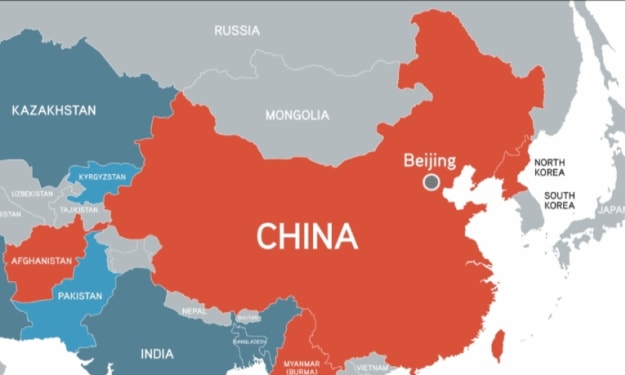
Allegations of Crimes Against Humanity and Genocide Against Uyghurs in China. AI-Generated.
In recent years, international attention has increasingly focused on allegations that the Chinese government is committing crimes against humanity and genocide against the Uyghur population and other predominantly Muslim, Turkic, and ethnic minority groups in the Xinjiang region. Reports from human rights organizations, eyewitness testimony, leaked documents, and government data have painted a troubling picture of systematic persecution that has shocked activists, policymakers, and ordinary citizens around the world.
By Aarif Lashari25 days ago in The Swamp
Is There Any Legal Justification for the US Attack on Venezuela?. AI-Generated.
In the wake of reports that the United States carried out military action in Venezuela—culminating in the capture of President Nicolás Maduro—many observers are asking a pressing question: Is there any legal justification for the US attack on Venezuela? This query touches on fundamental issues of international law, sovereignty, and the evolving norms of foreign intervention in the 21st century.
By Aarif Lashari25 days ago in The Swamp
Trump Says Venezuela VP Delcy Rodríguez Is ‘Willing to Work With US’. Who Is She?. AI-Generated.
In a recent statement that grabbed international attention, former U.S. President Donald Trump said that Venezuela’s Vice President, Delcy Eloína Rodríguez, is “willing to work with the United States.” The remark came amid shifting geopolitical currents in Latin America, prompting many observers to ask: Who is Delcy Rodríguez, and what does her potential cooperation with the U.S. really mean for Venezuela, regional politics, and global diplomacy?
By Aarif Lashari25 days ago in The Swamp