politics
Politics does not dictate our collective cultural mindset as much as it simply reflects it; We've got to look in the mirror sometimes, and we've got one.
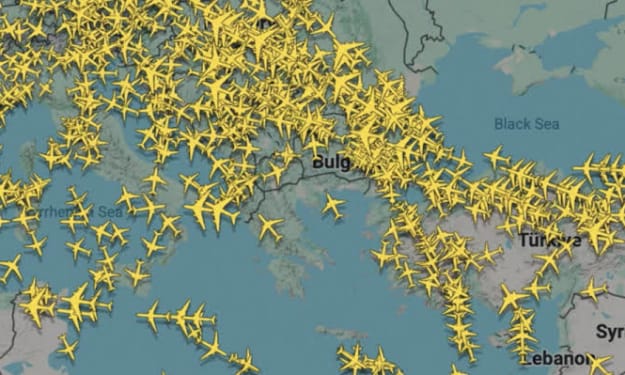
No Flights In or Out of Greece After Technical Failure Shuts Down Airspace – Greek FIR Emptied. AI-Generated.
In a stunning turn of events, Greece's airspace was shut down, leaving travelers stranded and grounding flights across the country. The incident, which occurred due to a technical failure, resulted in the temporary closure of the entire Greek Flight Information Region (FIR), one of the busiest airspaces in Europe. This unprecedented shutdown has raised significant concerns regarding the security, reliability, and preparedness of Europe's air traffic management systems. It also has triggered widespread disruptions, affecting airlines, passengers, and international flight operations. The Triggering of the Shutdown The crisis began when a major technical glitch was reported in the air traffic control system responsible for managing flight operations in Greece's FIR. The failure occurred within the country's air navigation services, rendering the system unable to communicate with aircraft in its jurisdiction. As a result, all flights within and out of Greek airspace were immediately halted, and incoming flights were diverted to neighboring countries. Greek air traffic control services, part of the Hellenic Civil Aviation Authority (HCAA), typically manage a substantial portion of Europe’s air traffic. The Greek FIR covers a vast area, extending across the Aegean Sea and into the Mediterranean, handling flights from both Europe and the Middle East. The abrupt shutdown led to widespread chaos, especially during peak travel hours. The Impact on Air Travel The immediate consequence of the failure was the suspension of all flight departures and arrivals. Hundreds of passengers were left stranded at airports, their travel plans disrupted indefinitely. International flights bound for Greece were diverted to nearby airports in countries such as Italy, Turkey, and Bulgaria. The airline industry faced mounting pressure to rebook passengers, manage canceled flights, and navigate the logistical nightmare caused by the shutdown. Many passengers took to social media to share their frustrations, with some reporting delays of over 12 hours. Airlines and airport authorities scrambled to manage the situation, but the volume of disruptions continued to mount. Some travelers were forced to spend the night at airports, uncertain of when their flights would be rescheduled. One of the most significant impacts was on the tourism industry. Greece is a popular destination for travelers from around the world, and this disruption severely impacted the tourism sector during a critical time. Tour operators were left scrambling to assist customers, and hotels reported an influx of cancellations, with tourists unable to reach their accommodations or flights home. Response and Investigations The Greek government and air traffic control services acted swiftly to assess and resolve the issue. The HCAA acknowledged the technical failure and promised to launch an investigation into the root cause of the disruption. The Ministry of Transport assured the public that measures would be taken to prevent such an incident from occurring again. Meanwhile, teams from the HCAA worked tirelessly to restore normal flight operations, collaborating with European counterparts and regional authorities. Initial reports suggested that the failure might have been linked to a malfunction in the country's radar and communication systems. As the investigation unfolded, experts pointed to the aging infrastructure of Greece's air traffic control system, which may have contributed to the vulnerability. The government was urged to prioritize upgrading its air traffic control infrastructure to meet modern aviation standards. European air traffic agencies, such as Eurocontrol, coordinated with Greece’s air traffic controllers to assist with managing the airspace and diverting flights. Eurocontrol issued several updates to ensure that the European air traffic flow remained as efficient as possible under the circumstances. The Need for Modernization The shutdown has highlighted the vulnerabilities within Europe’s air traffic management infrastructure, with Greece at the center of attention. The failure underscores the critical need for modernizing air traffic systems, particularly in countries with high air traffic volumes. European officials have already begun discussions on the possibility of expanding the use of artificial intelligence (AI) and automation in air traffic management, which could help prevent human error and system failures in the future. This incident has also sparked discussions regarding the resilience of critical infrastructure in aviation, especially in countries heavily reliant on tourism and international air travel. With millions of people flying every day, the reliability of air navigation systems is paramount, and this event serves as a warning to authorities about the importance of investing in updated systems that can withstand the pressures of modern air traffic demands. Looking Ahead: Lessons Learned As Greece recovers from this major airspace shutdown, the lessons learned will resonate across the global aviation industry. While technical failures are inevitable, the speed of response, the ability to restore normal operations, and the transparency of investigations are key factors that will shape future policies in air traffic control management. As the investigation into the root cause of the technical failure continues, airlines, passengers, and aviation regulators will be looking to Greece for answers and solutions. The event has served as a reminder of the complexities and fragility of modern air travel, especially in a world that relies on fast, efficient, and uninterrupted flight connectivity. As the aviation industry moves forward, the hope is that a combination of increased investments, better technology, and improved contingency plans will prevent similar disruptions in the future, ensuring that travelers can continue to fly safely and efficiently to their destinations. Conclusion The temporary shutdown of Greece’s airspace due to a technical failure serves as a cautionary tale for the global aviation industry. The disruption had a significant impact on air travel, tourism, and international operations, while also underscoring the need for a stronger, more resilient air traffic management system. With investigations underway, authorities are working to address the issue and prevent future incidents, but the event serves as a reminder of the complexities and potential vulnerabilities in the modern aviation landscape.
By Fiaz Ahmed Brohi23 days ago in The Swamp
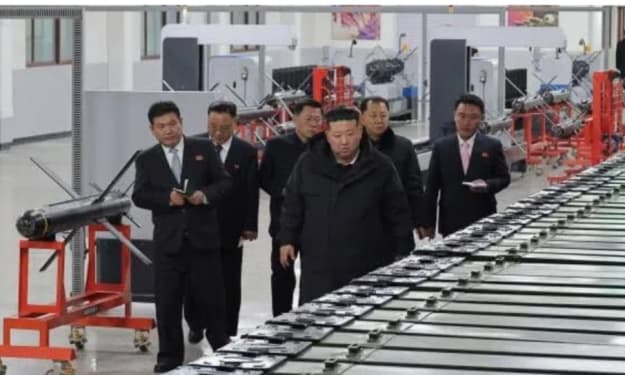
North Korea Launches Ballistic Missiles Toward Sea Ahead of South Korean Leader’s Visit to China. AI-Generated.
North Korea has launched multiple ballistic missiles toward the sea in a provocative show of force, just days before South Korean President Yoon Suk Yeol’s scheduled visit to China. The missile tests, confirmed by South Korea’s military, have intensified concerns over regional stability and highlighted the fragile security environment in Northeast Asia.
By Ayesha Lashari23 days ago in The Swamp
EU-UK Summit, 19 May 2025: A Reset Moment in a Post-Brexit World. AI-Generated.
The EU-UK summit held on 19 May 2025 marked one of the most significant diplomatic encounters between Brussels and London since Brexit officially reshaped their relationship. Nearly a decade after the referendum, both sides arrived at the table with a shared understanding: cooperation, not confrontation, is now essential in an increasingly unstable global environment.
By Aarif Lashari23 days ago in The Swamp
Why Europe and Israel Are Turning to India for Mass Production of Essential Defense Equipment Amid Prolonged Conflicts. AI-Generated.
As global security concerns continue to rise, Europe and Israel have increasingly turned their attention to India as a strategic partner in the production of essential defense equipment. The ongoing conflicts and the shifting geopolitical landscape have made it clear that traditional defense supply chains are being stretched to their limits, leading nations to explore new options. India, with its rapidly expanding defense sector, technological advancements, and economic growth, has emerged as an attractive partner in this endeavor. But what has driven this shift towards India, and why are Europe and Israel looking to strengthen their defense ties with the South Asian giant? India's Growing Defense Industry India’s defense sector has seen tremendous growth over the past decade. Driven by both domestic demand and the need for modernization, India has transformed from being a major defense importer to a global hub for defense manufacturing. The Indian government's "Make in India" initiative, launched in 2014, has encouraged local production of defense equipment, and has led to the development of world-class facilities and a growing pool of skilled labor. These efforts have paved the way for India to not only fulfill its own defense requirements but also emerge as a key player in the international arms market. India's defense industry is characterized by its focus on high-tech manufacturing, innovation, and indigenous production of defense systems. Key areas where India has made significant progress include the development of advanced missiles, fighter jets, armored vehicles, naval ships, and drones. Indian companies like Hindustan Aeronautics Limited (HAL), Bharat Electronics Limited (BEL), and Larsen & Toubro (L&T) are now involved in manufacturing cutting-edge defense technologies. This technological base, combined with cost-effective production capabilities, makes India an attractive option for defense cooperation. The Shift in Europe and Israel's Defense Strategy For Europe and Israel, the shift towards India as a key partner in defense manufacturing comes at a time of significant geopolitical uncertainty. Europe's security concerns have been heightened by the war in Ukraine, which has underscored the need for greater defense readiness and diversification of defense suppliers. The war has also highlighted the vulnerabilities of relying on a few countries for critical military supplies. As a result, European nations are seeking alternative sources to bolster their defense capabilities. Israel, a country known for its advanced defense technologies and innovation, has long had a close relationship with India in the defense sector. However, the growing instability in the Middle East and the rising tensions with Iran have led Israel to reassess its defense strategy. Collaborating with India provides a way for Israel to diversify its supply chains while tapping into India’s growing defense manufacturing base. Why India? Cost-Effective Production: One of the most compelling reasons for Europe and Israel to turn to India for mass production is cost. India’s labor force is not only vast but also highly skilled in technical areas such as engineering and manufacturing. This makes it possible for countries like Israel and members of the European Union to reduce their defense expenditure while ensuring that they receive high-quality military equipment. Growing Technological Capability: India's defense sector is rapidly advancing in terms of technology. With innovations in areas like artificial intelligence, autonomous systems, and advanced weaponry, India is well-positioned to produce state-of-the-art defense systems. For example, India has made great strides in developing its own fighter jets, drones, and missile defense systems. These advancements make India a valuable partner for countries seeking cutting-edge technologies that can meet modern warfare challenges. Strategic Location and Security: India’s strategic position in the Indo-Pacific region offers important geopolitical advantages. The region is home to key international trade routes, and the growing tensions between China and the U.S. have made it crucial to have strong defense partnerships in this part of the world. By strengthening defense ties with India, both Europe and Israel can secure their interests in the Indo-Pacific and benefit from India’s military influence in the region. Access to India's Domestic Market: India’s defense sector is not just focused on exports; the country has ambitious plans to enhance its own military capabilities. By partnering with India, Europe and Israel gain access to one of the world’s largest defense markets. This partnership allows for the sharing of knowledge, resources, and technologies, benefiting all parties involved. Moreover, it provides European countries and Israel with long-term access to India’s military procurement pipeline, which is expected to grow in the coming years. The Future of Defense Cooperation The growing defense relationship between India, Europe, and Israel is expected to deepen in the coming years. India’s robust defense industry, cost-effective production, and technical innovations are likely to make it an even more significant player in global defense manufacturing. With the geopolitical landscape constantly evolving, India is well-positioned to continue attracting international defense contracts and partnerships. Moreover, the defense collaboration between these countries is expected to extend beyond just manufacturing. India’s involvement in joint military exercises, research, and technology transfer is anticipated to expand as these nations work together to enhance their collective defense capabilities. These partnerships are essential for countering emerging threats such as cyber warfare, terrorism, and regional instability. In conclusion, the growing defense partnership between India, Europe, and Israel is a reflection of the changing global security environment. As conflicts become more prolonged and complex, countries are seeking new alliances and diversified supply chains to bolster their defense capabilities. India’s growing technological capabilities, cost-effective production, and strategic importance make it a valuable partner for these nations. With the global security landscape becoming increasingly uncertain, these partnerships are expected to play a critical role in ensuring the defense preparedness of the world’s most powerful nations.
By Fiaz Ahmed Brohi23 days ago in The Swamp
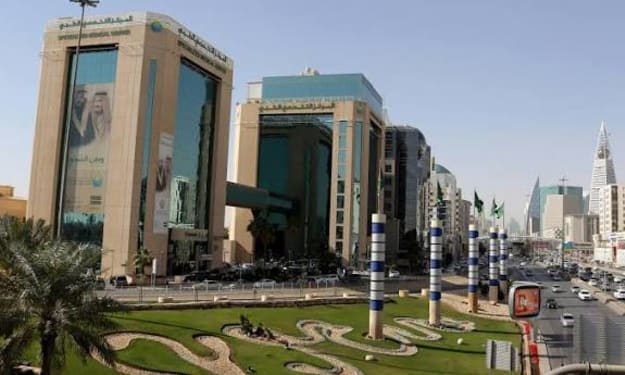
Saudi Finance Minister Approves SR217 Billion ($57.9 Billion) Borrowing Plan for 2026: A Strategic Move for Economic Growth and Stability. AI-Generated.
Saudi Arabia, a nation known for its vast oil reserves and ambitious Vision 2030, has made a significant move in securing its financial future by approving a borrowing plan worth SR217 billion ($57.9 billion) for 2026. The decision, endorsed by the country's Finance Minister, signals a strategic maneuver aimed at ensuring the continued development of the nation’s infrastructure, economic diversification, and long-term financial stability. This bold step comes as Saudi Arabia pushes forward with its goals of transforming its economy and positioning itself as a global leader in various sectors. A Deep Dive into the Borrowing Plan The Saudi government’s borrowing plan for 2026 is part of a larger effort to manage its finances in the wake of fluctuating oil prices and the implementation of the Vision 2030 program. The Vision aims to reduce the country's dependence on oil by fostering economic diversification and creating a more sustainable future. By approving this borrowing plan, Saudi Arabia intends to fund various developmental projects across sectors such as infrastructure, healthcare, education, and renewable energy. The borrowing plan is expected to contribute substantially to the country’s fiscal needs and will be utilized for both local and international investments. While the Saudi economy has historically been reliant on oil exports, the 2026 borrowing plan reflects the growing need for a more diversified economic base. By acquiring funds through debt, Saudi Arabia can accelerate the pace of its projects, such as the development of the Neom city — a futuristic urban center that is central to its diversification strategy. Moreover, these funds will also help boost the country’s non-oil revenues, a key objective under Vision 2030. Saudi Arabia has been focused on improving the private sector's participation in the economy, attracting foreign investments, and creating job opportunities for its growing youth population. The Impact on Saudi Arabia’s Financial Health Saudi Arabia's decision to borrow SR217 billion reflects a larger trend seen in economies around the world where governments seek to balance fiscal policy with ambitious development goals. While borrowing can sometimes be seen as a sign of fiscal instability, Saudi Arabia’s robust financial reserves and relatively low levels of debt compared to other nations place it in a unique position. The kingdom’s fiscal policies are closely tied to its ability to service debt due to its significant oil revenues, giving it more flexibility in financing projects through borrowing. The kingdom’s credit rating has remained stable, and the approval of this loan is an extension of its well-established practices of balancing public and private financing. Notably, the borrowing plan includes a mix of local and international debt instruments, such as bonds and sukuk (Islamic bonds), ensuring the kingdom has access to a diverse range of capital markets. Saudi Arabia’s public debt remains relatively low, especially when compared to the GDP of many other nations, meaning that the kingdom is still in a position to borrow without incurring significant financial risk. By leveraging its sovereign wealth fund and deepening ties with global investors, Saudi Arabia can service its debt and continue to fund the Vision 2030 initiative, without putting undue pressure on its public finances. Aligning Borrowing with Economic Diversification The 2026 borrowing plan aligns directly with Saudi Arabia’s efforts to implement Vision 2030 and reduce its reliance on oil revenues. The funds from this borrowing plan will be used for economic diversification projects that focus on creating new industries such as technology, entertainment, renewable energy, and tourism. Neom, the crown jewel of Saudi Arabia’s new cities, will be one of the major beneficiaries of these funds. Neom is set to be a world-leading innovation hub, focusing on smart cities, artificial intelligence, biotechnology, and green energy solutions. With $57.9 billion earmarked for borrowing, much of it will be directed towards the development of Neom’s infrastructure, including transportation, healthcare, and environmental sustainability. Saudi Arabia is also investing in the entertainment and tourism industries to diversify its economic structure. This includes large-scale projects such as the Red Sea Project and the Qiddiya entertainment city. The development of these sectors will reduce Saudi Arabia’s dependence on oil and create new sources of income, contributing to long-term economic stability. International Confidence and Market Reactions International markets have responded positively to Saudi Arabia’s borrowing plan, seeing it as a vote of confidence in the kingdom’s long-term economic strategy. The country’s central role in the global oil market, combined with its significant sovereign wealth fund, gives it a robust financial cushion that enables it to service the loans without placing undue stress on its financial system. The decision to approach international lenders also reflects the kingdom’s integration into global financial markets. Saudi Arabia is positioning itself as a key player in the global economy, and the borrowing plan is a step towards gaining credibility in international markets, attracting more investors, and strengthening its global economic influence. Conclusion: A Bold Step Toward a Diverse Economic Future The approval of the SR217 billion borrowing plan for 2026 represents a pivotal moment in Saudi Arabia's economic transformation. By securing funds for its development projects, the kingdom is making a clear commitment to its Vision 2030 goals — creating a more diversified, sustainable, and future-proof economy. With this significant borrowing plan, Saudi Arabia is not just securing its fiscal future but also setting a new course for its growth and global influence. By leveraging its financial strength, improving its infrastructure, and diversifying its economy, Saudi Arabia aims to become a global leader across various industries while ensuring long-term prosperity for its people.
By Fiaz Ahmed Brohi23 days ago in The Swamp
UK and France Bomb Underground IS Arms Bunker in Syria. AI-Generated.
In a rare show of military cooperation, the United Kingdom and France launched coordinated airstrikes against a suspected Islamic State (IS) arms bunker in Syria this week. Officials have described the strike as a targeted operation aimed at disrupting the terrorist organization’s supply lines and preventing further attacks in the region. While the details of the operation remain classified, Western authorities emphasized that intelligence indicated the bunker housed large quantities of weapons, ammunition, and explosives intended for future IS operations. Precision Strikes in a Volatile Region According to military sources, the operation involved a combination of aerial surveillance and precision-guided munitions. The UK’s Royal Air Force and France’s Armée de l’Air carried out simultaneous strikes on the underground facility, located in eastern Syria, near the border regions that have been historically contested by IS fighters. “This action demonstrates our commitment to confronting terrorism wherever it threatens international security,” a spokesperson for the UK Ministry of Defence said. The strikes were reportedly timed to minimize civilian casualties. Western officials claim that intelligence indicated the site was primarily used for storing weaponry and planning operations rather than housing civilians. However, independent verification on the ground remains challenging due to ongoing conflict in the region, making it difficult to confirm the full extent of the damage or casualties resulting from the airstrikes. Disrupting Islamic State Operations Islamic State, although weakened since its territorial peak in 2014, continues to operate as an insurgent network in parts of Syria and Iraq. Underground bunkers like the one targeted by the UK and France play a critical role in sustaining the group’s activities. Weapons caches, improvised explosive device (IED) components, and other supplies are often stored in these hidden facilities, allowing IS fighters to maintain mobility while evading detection by international forces. “Operations like this disrupt their logistical networks and force them to spend more time hiding supplies rather than launching attacks,” said a Middle East security analyst. “While they no longer control large swaths of territory, their ability to strike unpredictably still poses a serious threat to regional stability.” Regional Implications The joint operation highlights growing Western concern over the persistence of extremist elements in Syria. Analysts suggest that the strike could also serve as a warning to other groups considering the reestablishment of IS strongholds. However, the operation may complicate relationships with regional powers, including Russia and Iran, who have a significant military presence in Syria. Both countries have historically opposed unilateral Western military interventions, arguing that such strikes risk further destabilization. In addition to its tactical objectives, the operation may also carry political significance. The UK and France have both faced domestic pressure to show decisive action against terrorism. Recent threats from IS affiliates in Europe have reignited public debate over national security measures, making visible military actions an important aspect of political messaging. Challenges of Fighting an Underground Threat One of the main difficulties in targeting underground bunkers is the high risk of intelligence errors. Military planners rely on satellite imagery, drone reconnaissance, and human intelligence to locate and verify these facilities. Even a small miscalculation can result in unintended damage or missed targets. Experts note that the design of underground facilities is often sophisticated. Bunkers may include reinforced concrete walls, ventilation systems, and multiple concealed entrances, making them difficult to neutralize completely. Precision-guided bombs and specialized munitions are therefore crucial tools for reducing collateral damage while achieving operational goals. “Striking a target like this requires detailed intelligence and careful coordination between multiple military units,” said an independent defense consultant. “It’s not just about dropping bombs—it’s about disrupting an entire network without creating new security risks.” Reactions and Consequences The airstrikes have received mixed reactions internationally. Western allies, including the United States, praised the operation as a necessary step to prevent IS from reconstituting its capabilities. A spokesperson for the U.S. State Department stated, “This joint strike demonstrates our ongoing commitment to defeating terrorist organizations in the region and protecting civilians from future attacks.” Conversely, some regional actors have criticized the operation, warning that it could inflame local tensions and provoke retaliatory attacks. Human rights organizations also emphasized the need for transparency and accountability in military operations, especially in areas where civilians may be at risk. While it is too early to assess the long-term impact of the strike, analysts suggest that targeting critical supply hubs is a strategy likely to continue. Disrupting logistics not only weakens IS operational capacity but also forces the group to rely on riskier supply routes, making them more vulnerable to detection and interdiction. The Broader Fight Against IS The operation in Syria reflects a broader international strategy to combat the remnants of Islamic State. Over the past decade, coalition forces have pursued a combination of military, intelligence, and diplomatic measures aimed at dismantling IS networks. This approach has seen varying degrees of success, with territorial defeat achieved in key areas but insurgent activity persisting in pockets of Syria and Iraq. Experts argue that ongoing vigilance is essential. “Even when the headlines suggest IS is defeated, their ideology and underground networks can persist,” said a counterterrorism researcher. “Operations like this, while not decisive on their own, contribute to a larger, coordinated effort to prevent resurgence.” Looking Ahead The UK and France’s operation in Syria signals a continued willingness among Western nations to conduct targeted strikes against terrorist infrastructure. While immediate effects may be limited to the destruction of weapons caches and disruption of logistical networks, the psychological and strategic impact could be significant. For IS and other extremist groups, the message is clear: their ability to operate with impunity in Syria is increasingly constrained. As international observers monitor developments in the region, the broader challenge remains: ensuring long-term stability in Syria while addressing the persistent threat of extremist violence. The success of operations like this one may hinge not only on military precision but also on coordinated efforts to support political reconciliation and economic recovery in conflict-affected areas. The joint UK-France strike on the underground IS arms bunker thus represents more than a tactical action; it is part of an ongoing, multifaceted struggle to curtail extremist influence in a volatile and strategically critical region.
By Muhammad Hassan23 days ago in The Swamp
China Social Media Hails US Maduro Move as a Taiwan Template: A Growing Geopolitical Dynamic. AI-Generated.
In recent months, global politics has witnessed significant shifts in the way nations and powers are asserting their influence. One of the most intriguing developments has been China's reaction to the United States' decision to target Venezuelan leader Nicolás Maduro’s assets. This move, which included the freezing of assets linked to Maduro and his government, has caught the attention of China, where social media is buzzing with discussions on how this might serve as a "template" for future U.S. dealings, particularly in relation to Taiwan. The complexities of these political maneuvers raise several important questions about global power dynamics, international law, and the role of sanctions as tools of geopolitical control. As tensions rise between the U.S., China, and other global actors, the implications of such actions could have far-reaching effects not only on Venezuela and Taiwan but on the broader international order as well. A Turning Point: US and Venezuela The U.S. has long had contentious relations with Venezuela, particularly since Maduro’s ascent to power. His government has faced accusations of corruption, human rights violations, and undermining democracy. In response, the U.S. imposed sanctions, aimed at destabilizing his government and pressuring him to relinquish power. However, the recent decision to target Maduro's assets and government members directly reflects a much more aggressive stance. The significance of this move lies not just in the economic impact on Venezuela but also in the broader political message it sends. The U.S. is demonstrating that it can exert considerable influence over sovereign nations by targeting individuals and governments it deems adversarial. The action was made to tighten the international isolation of Maduro’s regime and to rally other nations against his leadership. China's Response: A Strategic Perspective China, which has close ties with Venezuela, particularly in economic and energy deals, has not taken kindly to the U.S.'s aggressive stance. While Beijing has denounced the U.S. sanctions on Venezuela, it has also made its views clear on a related geopolitical issue — Taiwan. On Chinese social media, including popular platforms like Weibo, there has been a significant uptick in discussion around the U.S. sanctions on Venezuela. Many commentators have started drawing parallels between the treatment of Maduro and the growing tensions surrounding Taiwan. A prominent narrative suggests that the U.S. move in Venezuela is being seen as a "template" for future actions against Taiwan, given the strained relations between the U.S. and China over the latter's growing ambitions to assert sovereignty over Taiwan. China’s view of Taiwan as a breakaway province has been consistent for decades. Beijing has not ruled out the use of force to reclaim Taiwan if necessary, and it views the U.S. as the primary supporter of Taiwan's independence. Given this, Chinese social media users have observed that the U.S.’s targeting of Venezuela could be seen as a potential precursor to similar actions directed at Taiwan’s leadership, particularly as the U.S. continues to bolster its ties with Taipei. A Template for Taiwan? The notion that the U.S. might use similar tactics on Taiwan is grounded in a broader strategic concern for China. If the U.S. can successfully impose its will on a foreign government through economic pressure, freezing assets, and escalating diplomatic isolation — actions that have already been demonstrated with Venezuela — then this model could potentially be replicated in Taiwan. China is particularly sensitive to any external interference in Taiwan, given its long-standing commitment to reunification, and any perceived destabilization of the island could invite similar responses. On Chinese social media, the idea of “sanctioning Taiwan” has gained traction. While it remains unclear what specific measures might be considered, experts suggest that they could involve targeting Taiwanese companies and financial institutions, placing restrictions on Taiwanese officials, or even leveraging international platforms like the United Nations to diplomatically isolate Taiwan. In this sense, China could very well view the U.S.’s actions against Venezuela as a potential precursor to a more forceful response regarding Taiwan. Implications for Global Politics The potential use of such a "template" for Taiwan raises serious concerns for international relations and security in the Asia-Pacific region. The increasing militarization of the Taiwan Strait, combined with the rising number of sanctions and economic warfare tactics between global powers, signals a volatile future for the region. For China, the specter of Taiwan's separation and U.S. involvement in its protection is a point of immense national pride and strategic importance. Therefore, as the U.S. applies increasing pressure on global actors, Beijing may feel justified in responding with similar tactics, further destabilizing global security. The U.S. and China are already locked in a delicate trade war, with both sides taking actions that affect each other's economies. The Taiwan situation is merely one more area where these superpowers are likely to butt heads in the coming years. Furthermore, the situation calls into question the effectiveness of sanctions as a foreign policy tool. While they may bring short-term political gains, sanctions often have long-lasting, negative effects on the people of the country involved. In Venezuela, for instance, the economic fallout from U.S. sanctions has been devastating for the Venezuelan population, with inflation and poverty reaching new highs. In the case of Taiwan, any sanctions or economic isolations could have similar consequences, damaging its economy and the livelihoods of its citizens. Conclusion As China watches the U.S. respond to Venezuela with increasingly aggressive measures, it is looking over its shoulder at the Taiwan issue with heightened concern. The idea that the U.S. might follow a similar template with Taiwan, imposing economic pressure and diplomatic isolation, is a chilling prospect for Beijing. This development underscores the importance of international diplomacy, dialogue, and a reevaluation of how we use economic tools like sanctions. The situation remains fluid, and how the U.S., China, and other global powers navigate this delicate moment will shape the geopolitical landscape for years to come. The world is watching closely, with global security and economic stability hanging in the balance.
By Fiaz Ahmed Brohi23 days ago in The Swamp
Quick Guide to Chongqing China Tourist Attractions. AI-Generated.
Chongqing is one of China’s most fascinating and misunderstood cities. Often overshadowed by Beijing and Shanghai, this sprawling metropolis in southwestern China offers a unique blend of dramatic landscapes, futuristic architecture, deep history, and bold cuisine. Known as the “Mountain City,” Chongqing rises vertically from the confluence of the Yangtze and Jialing Rivers, creating a cityscape unlike anywhere else in the world.
By Aarif Lashari23 days ago in The Swamp
The Spellbinding Trip to China That Taught Me How to Enjoy Being Single Again. AI-Generated.
For a long time, being single felt like a quiet defeat. Not a loud heartbreak, but a lingering sense that I had somehow fallen behind in life’s unspoken race. Friends paired off, timelines filled with engagements, and conversations slowly shifted from dreams to mortgages. By the time I booked my flight to China, I wasn’t looking for love—I was looking for relief from the idea that something was missing.
By Aarif Lashari23 days ago in The Swamp