
International Aid Groups Grapple With What Israel’s Ban Will Mean for Their Work in Gaza
Humanitarian organisations warn of devastating consequences as access, funding, and lifesaving operations face new obstacles

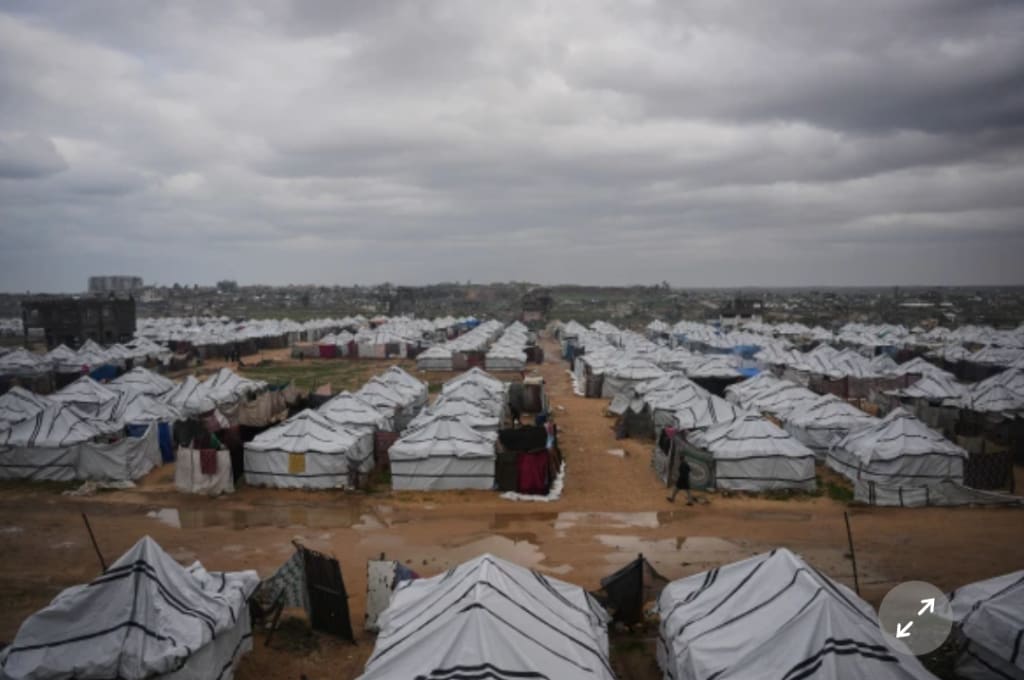
International humanitarian aid groups are sounding the alarm after Israel announced a ban affecting the operations of certain international organisations working in Gaza, a move that aid officials say could dramatically worsen an already catastrophic humanitarian situation. As war, displacement, and shortages continue to grip the territory, charities and relief agencies are now struggling to understand how they can continue delivering food, medical care, and shelter to civilians who depend almost entirely on external assistance.
For months, Gaza has been described by humanitarian agencies as being on the brink of collapse. The new restrictions have added a fresh layer of uncertainty, raising fears that aid operations could be slowed, scaled back, or even halted altogether at a time when needs are at their highest.
What the Ban Means
Israel’s decision targets the activities of selected international aid groups, placing limits on their ability to operate, coordinate, or move freely in and around Gaza. While Israeli officials argue the measures are driven by security concerns — including allegations that aid resources could be misused — humanitarian organisations say the ban risks undermining neutral, lifesaving work.
Many aid agencies rely on access approvals, staff visas, border coordination, and logistical permissions to function. Any disruption to these mechanisms can paralyse operations almost instantly.
“We’re not talking about abstract policy changes,” one senior aid official said. “We’re talking about whether hospitals receive medicine, whether children eat, and whether displaced families have shelter.”
Gaza’s Humanitarian Crisis at a Breaking Point
Even before the ban, Gaza was facing one of the worst humanitarian crises in its history. Continuous fighting has destroyed large parts of civilian infrastructure, including hospitals, water systems, and homes. More than a million people have been displaced, many living in overcrowded shelters or makeshift camps with limited access to clean water and sanitation.
Aid agencies estimate that the majority of Gaza’s population now depends on humanitarian assistance to survive. Food insecurity is widespread, medical supplies are critically low, and preventable diseases are spreading due to poor living conditions.
Against this backdrop, any restriction on aid delivery could have immediate and deadly consequences.
Operational Challenges for Aid Groups
International aid organisations operate in Gaza through a complex system of coordination involving Israeli authorities, local partners, and international donors. The new ban threatens to disrupt this system in several ways:
Access restrictions: Aid convoys may face delays or denials at border crossings.
Staffing issues: International staff could be barred from entering or forced to leave, leaving operations understaffed.
Funding risks: Donors may suspend funding if organisations are unable to operate legally or effectively.
Coordination breakdowns: Reduced communication and movement make it harder to assess needs and deliver targeted assistance.
Many organisations say they are now conducting emergency contingency planning, including prioritising only the most critical services and preparing for worst-case scenarios.
Israel’s Position
Israeli authorities maintain that the ban is necessary for national security. Officials have repeatedly accused militant groups of exploiting humanitarian aid — claims that aid organisations strongly deny, stressing their strict monitoring and accountability systems.
Israel also argues that humanitarian access must be balanced with security considerations, especially during an active conflict. However, aid groups counter that collective restrictions on humanitarian work punish civilians rather than addressing specific security concerns.
International humanitarian law requires all parties to a conflict to allow and facilitate impartial humanitarian assistance for civilians in need. Legal experts say the new measures could raise serious questions under these obligations.
International Reaction and Diplomatic Pressure
The announcement has drawn concern from governments, the United Nations, and global human rights organisations. Several countries that fund aid operations in Gaza have urged Israel to reconsider or clarify the scope of the ban, warning that reduced humanitarian access could lead to famine, disease, and mass civilian suffering.
UN officials have emphasized that humanitarian agencies are neutral actors whose sole purpose is to save lives. They have called for urgent dialogue to prevent a total breakdown of aid operations.
At the same time, diplomatic efforts to secure humanitarian pauses and expanded access have struggled amid ongoing hostilities and political deadlock.
The Human Cost on the Ground
For civilians in Gaza, the debate over access and policy feels distant compared to daily survival. Families already ration food, skip meals, and go without medical care. Parents fear disease as clean water becomes harder to find, and doctors face impossible choices due to shortages of medicine and equipment.
Aid workers warn that if international organisations are forced to scale back, the most vulnerable — children, the elderly, and the injured — will suffer first.
“This isn’t about politics,” said one field worker. “It’s about whether a wounded child gets treatment, or whether a family has bread tomorrow.”
Aid Groups Caught in the Middle
International aid organisations now find themselves navigating a narrow and dangerous path: trying to maintain access while defending their neutrality and independence. Some fear that complying with restrictive conditions could compromise humanitarian principles, while refusing could mean being shut out completely.
There is also concern about the precedent such bans could set, potentially emboldening other governments to restrict humanitarian access in conflict zones worldwide.
Despite the challenges, many organisations say they are determined to stay and continue their work for as long as possible.
What Comes Next
The future of humanitarian operations in Gaza remains uncertain. Much will depend on whether diplomatic pressure leads to adjustments in Israel’s policy, and whether mechanisms can be found to address security concerns without crippling aid delivery.
Aid groups are calling for:
Clear, transparent guidelines
Protection for humanitarian staff
Unimpeded access for lifesaving assistance
Without these measures, they warn, Gaza’s humanitarian crisis could deepen into a full-scale catastrophe.
Conclusion
Israel’s ban has placed international aid groups in an impossible position, forcing them to balance access, ethics, and survival in one of the world’s most volatile conflict zones. As political arguments continue, the consequences will be felt not in policy rooms, but in hospitals, shelters, and overcrowded camps across Gaza.
For millions of civilians, humanitarian aid is not optional — it is the difference between life and death. Whether the international community can ensure that aid continues to flow may define the next chapter of Gaza’s unfolding crisis.
About the Creator
Muhammad Hassan
Muhammad Hassan | Content writer with 2 years of experience crafting engaging articles on world news, current affairs, and trending topics. I simplify complex stories to keep readers informed and connected.
Keep reading
More stories from Muhammad Hassan and writers in The Swamp and other communities.
Switzerland: All Victims of Bar Fire Disaster Identified
Switzerland is mourning after authorities confirmed that all victims of the deadly bar fire in the Alpine resort of Crans-Montana have now been identified. The announcement brings a painful sense of closure to families, while also intensifying national debate about safety, accountability, and how such a tragedy could occur in one of the world’s safest countries. The fire, which broke out during New Year’s Eve celebrations, claimed 40 lives and injured more than a hundred others. What began as a night of celebration quickly turned into one of the deadliest civilian disasters in recent Swiss history, leaving the country stunned and grieving. A Celebration That Turned Into Catastrophe Shortly after midnight on January 1, a fire erupted inside a packed bar at the popular ski resort of Crans-Montana. The venue was crowded with locals, seasonal workers, and tourists celebrating the arrival of the New Year. According to early findings, the fire spread extremely quickly, filling the bar with thick smoke and flames within moments. Many people inside had little time to react. Survivors later described scenes of panic as guests attempted to escape through limited exits. Emergency services arrived swiftly, but the intensity of the blaze and the dense crowd made rescue efforts exceptionally difficult. Despite the rapid response, 40 people lost their lives, and over 100 were injured, many suffering severe burns or smoke inhalation. Victims Identified After Days of Painful Waiting In the days following the disaster, Swiss authorities worked around the clock to identify the victims. Due to the severity of injuries and the multinational nature of those involved, the process was complex and emotionally draining. Police have now confirmed that all 40 victims have been formally identified, allowing families to begin funeral arrangements and grieving rituals. While officials have not released names publicly, they have shared details showing just how wide-reaching the tragedy is. The victims included Swiss citizens and foreign nationals from several European countries, reflecting the international character of the resort. Most heartbreaking of all, many of those who died were teenagers, with roughly half believed to be under the age of 18. This revelation has shocked the nation and raised difficult questions about crowd control, age restrictions, and supervision in nightlife venues. A Nation in Mourning Across Switzerland, the mood has shifted from festive to somber. Candlelight vigils, memorial services, and moments of silence have been held in towns and cities nationwide. In Crans-Montana itself, flowers and handwritten messages line the streets near the destroyed bar. Swiss leaders have expressed deep condolences to the victims’ families. The federal government announced a national day of mourning, with flags lowered and church bells tolling across the country. Messages of sympathy have also poured in from abroad, as governments and international figures expressed solidarity with Switzerland during this difficult time. What Caused the Fire? While the investigation is ongoing, early reports suggest the blaze may have been triggered by sparklers attached to champagne bottles, a common New Year’s Eve tradition. These may have ignited flammable materials in the ceiling, causing a rapid flash fire. Fire experts believe the speed at which the flames spread left little chance for escape. Investigators are now examining: Whether fire-resistant materials were used If emergency exits were clearly marked and accessible Whether the venue complied with fire safety and occupancy regulations Authorities have confirmed that a criminal investigation has been launched, focusing on potential negligence. Bar managers are suspected of failing to meet safety standards, though no charges have yet been formally filed. Anger, Grief, and Demands for Accountability As grief deepens, so does public anger. Many are asking how such a tragedy could occur in a country known for strict regulations and high safety standards. Parents are demanding answers about how so many minors were allowed inside a crowded bar late at night. Survivors and families of victims are calling for clear accountability, insisting that lessons must be learned to prevent future disasters. Legal experts say the investigation could take months, and possibly years, depending on its findings. Civil lawsuits are also expected. A Tragedy That Will Leave a Lasting Mark The Crans-Montana bar fire has left an indelible mark on Switzerland’s collective memory. Beyond the statistics and investigations are 40 lives lost, many of them young, each representing a future that will never be fulfilled. While identifying the victims provides a form of closure, it does not ease the pain felt by families, friends, and communities. As Switzerland mourns, the focus now shifts to truth, justice, and reform. The hope shared by many is that this devastating loss will lead to stronger safety enforcement, greater responsibility among venue operators, and meaningful change — ensuring that such a tragedy is never repeated. For now, a nation grieves, remembers, and waits for
By Muhammad Hassan14 days ago in The Swamp
Defence Dreams: How Nations, Innovation, and Ambition Shape the Future of Security
Defence dreams are more than visions of powerful armies or cutting-edge weapons. They are reflections of how nations imagine their future security, sovereignty, and place in the world. From advanced fighter jets and autonomous drones to cyber shields and space surveillance, defence dreams reveal a blend of fear, ambition, technology, and national identity. In an era marked by shifting alliances and unpredictable threats, these dreams are shaping global politics and redefining what it means to be secure. At their core, defence dreams begin with a simple desire: survival. Every nation, regardless of size or wealth, seeks to protect its people, borders, and values. Historically, this meant fortresses, standing armies, and naval fleets. Today, it includes satellites orbiting Earth, algorithms detecting cyberattacks, and unmanned systems patrolling skies and seas. The dream has evolved from physical strength to technological superiority. For major powers, defence dreams often revolve around dominance and deterrence. Countries like the United States, China, and Russia invest billions in next-generation systems to ensure that no rival can challenge them. Hypersonic missiles, stealth aircraft, and artificial intelligence are not just tools of war; they are symbols of prestige. Possessing them signals power, innovation, and influence. In this sense, defence dreams are as much about psychology as they are about military capability. Smaller and developing nations have different defence dreams, but they are no less significant. For them, the focus is often on self-reliance. Building indigenous defence industries reduces dependence on foreign suppliers and strengthens national pride. India’s push for domestically produced fighter jets, Turkey’s rise as a drone exporter, and Pakistan’s development of the JF-17 are all examples of countries striving to turn defence dreams into reality. These efforts are driven not only by security needs but also by economic and technological aspirations. Technology lies at the heart of modern defence dreams. Artificial intelligence is transforming how militaries plan, decide, and fight. Autonomous drones can conduct surveillance or strike targets without risking pilots’ lives. Cyber capabilities allow states to disrupt enemies without firing a single shot. Space, once the realm of science fiction, has become a contested military domain. Satellites are now essential for communication, navigation, and intelligence, making them both valuable assets and potential targets. Yet defence dreams are not without controversy. As military budgets grow, critics question whether resources could be better spent on healthcare, education, or climate resilience. The pursuit of advanced weapons also raises ethical concerns. Autonomous systems challenge traditional ideas of accountability in warfare, while cyber tools blur the line between war and peace. When does a cyberattack become an act of war? Defence dreams force societies to confront these difficult questions. There is also the risk that defence dreams can become defence illusions. History shows that overconfidence in military strength can lead to miscalculation. Believing that technology alone guarantees victory ignores the human, political, and social dimensions of conflict. Wars are rarely won by hardware alone; morale, leadership, and legitimacy matter just as much. A nation obsessed with weapons may neglect diplomacy, which remains one of the most effective tools for preventing conflict. Interestingly, defence dreams are increasingly tied to collaboration rather than confrontation. Alliances such as NATO are investing in shared capabilities, joint exercises, and interoperability. Even rivals sometimes cooperate on issues like arms control or maritime safety. These efforts suggest that some defence dreams are about stability rather than supremacy. The dream, in this case, is not to fight wars but to prevent them. Public perception also plays a powerful role. Defence dreams are often shaped by popular culture, media, and national narratives. Films, parades, and military showcases create images of strength that resonate with citizens. While this can build unity and confidence, it can also simplify complex realities. True security is not just about military might; it includes economic stability, social cohesion, and trust in institutions. Looking ahead, defence dreams will continue to evolve as the world changes. Climate change, pandemics, and resource scarcity are emerging as security challenges alongside traditional military threats. Armed forces are being asked to respond to natural disasters, humanitarian crises, and hybrid warfare. The defence dream of the future may be less about conquering enemies and more about resilience and adaptability. Ultimately, defence dreams reflect how societies view themselves and their future. They can inspire innovation, strengthen sovereignty, and deter aggression. But they also demand responsibility, restraint, and wisdom. When guided by realism and cooperation, defence dreams can contribute to a safer world. When driven by fear or ambition alone, they risk becoming nightmares. The challenge for nations today is to dream wisely—and to remember that the strongest defence is often peace itself.
By Fiaz Ahmed Brohiabout 7 hours ago in The Swamp
Miss Persephone's Manual to a Seemingly Ordinary Life
Miss Persephone was found at the dining table, her blue eyes swollen, her tears arriving and retreating like the tides of the ocean. Earlier that day, her family had visited her in the retirement home where she had lived for eight years. It was her eightieth birthday.
By Imola Tóth4 days ago in Fiction



Comments
There are no comments for this story
Be the first to respond and start the conversation.