
How demand for elite falcons in the Middle East is driving illegal trade of British birds
From Britain to the Gulf: The Shadowy Market Fueling Falcon Trafficking
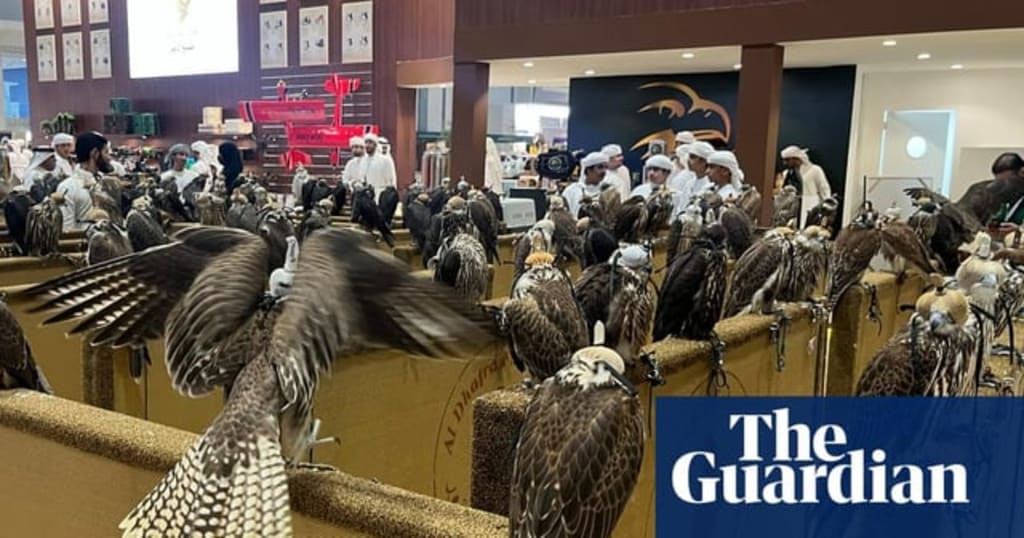
The majestic falcon has long been a symbol of power, prestige, and tradition in the Middle East. Revered for its hunting prowess and regal bearing, the bird occupies a unique place in Gulf culture, with wealthy enthusiasts investing thousands of dollars to own and train these raptors. However, the soaring demand for elite falcons has created a dark undercurrent: an illegal trade that stretches from the quiet countryside of Britain to the bustling markets of the Arabian Peninsula, threatening native populations and raising serious ethical and legal concerns.
The Allure of British Falcons
Falcons bred in Britain are particularly prized in Middle Eastern markets. Known for their strength, agility, and pedigree, these birds fetch enormous sums. While traditional falconry remains a celebrated cultural sport, the pressure to obtain birds with elite genetic lines has fueled a lucrative, often illicit, trade network. Breeders and smugglers are exploiting regulatory gaps, moving birds across borders under false pretenses, or illegally exporting them to countries where falconry commands high status.
This demand is not purely symbolic. In the competitive world of falconry, owning a bird with exceptional hunting skills can define social standing and demonstrate wealth. The rarest falcons, often meticulously trained from a young age, are seen as investments, sometimes appreciating in value over time. Such economic incentives have created fertile ground for criminal networks, who view these birds not as living creatures but as commodities.
Illegal Trade and Smuggling Routes
Reports indicate that smugglers use increasingly sophisticated methods to transport falcons from Britain to Middle Eastern countries. Some are moved via private jets, hidden in cargo compartments, or falsely documented as pets or other non-commercial animals. Once they arrive, these birds enter a high-value market where buyers are willing to pay exorbitant prices for elite specimens.
Authorities in the UK have been stepping up enforcement efforts, but the clandestine nature of the trade makes detection difficult. Conservationists warn that the illegal extraction of these birds can harm local ecosystems, particularly when juvenile birds are taken from their natural habitats. Beyond ecological damage, the welfare of the birds themselves is often compromised, with reports of mistreatment, poor transport conditions, and inadequate care during smuggling operations.
The Role of Middle Eastern Culture
Falconry is deeply embedded in Gulf identity, celebrated during festivals and practiced by royalty and ordinary enthusiasts alike. The cultural reverence for these birds complicates enforcement. In some cases, buyers may not question the origin of the birds as long as they are high-quality specimens. Meanwhile, traders exploit this cultural passion, prioritizing profit over legality and conservation.
Experts argue that addressing the issue requires a nuanced approach that respects cultural traditions while ensuring ethical treatment and legal trade practices. Efforts to promote breeding programs within the Middle East, alongside stricter international regulations, could reduce pressure on British falcons and help curb illegal activity.
Conservation Concerns
The illegal trade has broader environmental implications. Removing young falcons from the wild can destabilize local populations and disrupt ecological balance. Birds that are smuggled often face stress, injury, or death during transportation, raising ethical concerns about the human impact on wildlife.
Organizations such as the Royal Society for the Protection of Birds (RSPB) and international wildlife trade watchdogs are advocating for stronger protections. These include better tracking of legally bred birds, harsher penalties for traffickers, and educational campaigns aimed at buyers in the Middle East to promote awareness about the consequences of illegal trade.
Toward Sustainable Falconry
Some Middle Eastern countries are beginning to invest in legal, sustainable breeding programs that can meet the high demand without resorting to illegal imports. By developing local populations of high-quality falcons, authorities hope to provide enthusiasts with access to elite birds while preserving natural ecosystems abroad.
Education is also key. Raising awareness about the origin and welfare of falcons among buyers could reduce demand for smuggled birds. Promoting responsible falconry practices ensures that the sport, while prestigious, does not come at the cost of ecological harm or animal suffering.
Conclusion
The soaring demand for elite falcons in the Middle East has cast a shadow over the traditional sport of falconry, creating a complex web of illegal trade that spans continents. British birds, prized for their genetics and skill, have become the target of smugglers, challenging conservationists, authorities, and ethical buyers alike.
Addressing this crisis requires cooperation between governments, wildlife organizations, and the falconry community. By fostering sustainable breeding programs, enforcing regulations, and educating buyers, it is possible to protect these majestic birds while respecting cultural traditions. As the sport continues to thrive, the hope is that falconry in the Middle
About the Creator
Keep reading
More stories from Fiazahmedbrohi and writers in The Swamp and other communities.
The Biggest Factory Powering Russia’s Missiles Comes Under Drone Attack, Video Surfaces
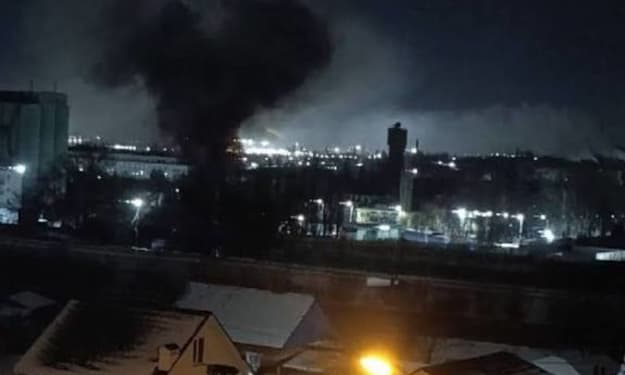
A video circulating online has revealed a dramatic development in Russia’s military infrastructure: the country’s largest factory responsible for producing missile components came under a drone attack, highlighting vulnerabilities in Russia’s defense supply chain. While the exact scale of damage is still being assessed, the incident underscores the growing role of drone warfare in modern conflicts and raises concerns about the resilience of strategic military production facilities. The Targeted Facility The facility in question is a key production hub for Russia’s missile program, reportedly responsible for manufacturing critical components used in both short-range and long-range systems. Analysts note that disruptions to operations at this plant could significantly impact Russia’s ability to sustain missile launches, particularly as tensions with neighboring countries and Western powers remain high. The drone strike, captured in grainy but compelling footage, shows explosions and plumes of smoke rising from the complex, with structural damage evident across multiple sections of the factory. While official Russian sources have downplayed the attack’s impact, independent analysts warn that even minor disruptions can delay production cycles for high-precision missile components, which are notoriously difficult to manufacture. The Rise of Drone Warfare This incident illustrates the increasing use of drones as offensive tools in modern warfare. Small, precise, and relatively inexpensive compared to traditional airstrikes, drones can penetrate heavily defended areas and target high-value facilities with minimal risk to personnel. Over the past several years, military strategists have recognized drones as a game-changer, capable of tipping the balance in conflicts where conventional forces struggle to reach key infrastructure. In this case, the drone attack demonstrates the potential vulnerability of even heavily fortified industrial complexes. It also signals that military planners must now account for aerial threats at all levels of production, from weapons assembly to supply chain logistics. Strategic Implications The attack on Russia’s missile factory has significant strategic implications. First, it puts pressure on Moscow’s military planners to diversify production sites and strengthen defense measures around critical facilities. Reliance on a single, centralized factory for essential missile components increases the risk of operational bottlenecks if targeted again. Second, the strike could temporarily disrupt missile readiness, potentially affecting regional military posturing. While Russia possesses multiple production lines and stockpiles, delays in component manufacturing could slow replenishment cycles for both active deployments and training exercises. In a tense geopolitical environment, even short-term interruptions can influence diplomatic negotiations and military decision-making. Finally, the attack highlights the evolving nature of asymmetric warfare. Smaller, agile forces equipped with drones can strike at the heart of larger powers’ capabilities, leveling the playing field in conflicts where conventional military strength may otherwise dominate. Russia’s Response While Moscow has yet to release detailed assessments of the damage, preliminary reports suggest heightened security measures across other key defense facilities. Military analysts predict that the Russian government will likely accelerate efforts to harden production sites against drone strikes, using technologies such as radar detection systems, anti-drone countermeasures, and dispersed production strategies. Publicly, Russian media has framed the attack as an isolated incident and an external provocation, though the video’s circulation has sparked international debate about the vulnerability of critical military infrastructure. The Russian Ministry of Defense has reportedly initiated an internal review to determine the effectiveness of existing security protocols and explore measures to prevent future incidents. Lessons for Global Military Planning The incident underscores a broader lesson for militaries worldwide: the centralization of strategic production assets can be a liability in the age of drone warfare. Even technologically advanced nations are not immune to attacks on critical infrastructure, and conventional defenses may not suffice against small, precise aerial vehicles. For countries facing ongoing or potential conflict, investing in redundancy, dispersal, and drone countermeasure technologies is now as essential as traditional armor and air defense systems. The attack also demonstrates that transparency, intelligence gathering, and surveillance of vulnerable sites are critical components of national security strategy. Looking Ahead As investigations continue, the global defense community is watching closely. The video of the drone attack has already sparked debates over the evolving nature of warfare, the vulnerability of missile production facilities, and the potential ripple effects on international security. Whether the factory will fully recover, and how Moscow will adapt its military-industrial operations, remains uncertain. What is clear, however, is that the age of drone-enabled precision strikes has arrived, challenging traditional notions of military invulnerability and redefining how nations safeguard their strategic assets. In the coming months, the ramifications of this attack could influence both Russian military operations and broader global defense strategies. For countries seeking to protect critical infrastructure, the message is unmistakable: preparedness against drone threats is no longer optional—it is imperative.
By Fiazahmedbrohi 7 days ago in The Swamp
United States Power Equipment Market Growth, Size, Trends and Forecast 2025–2033
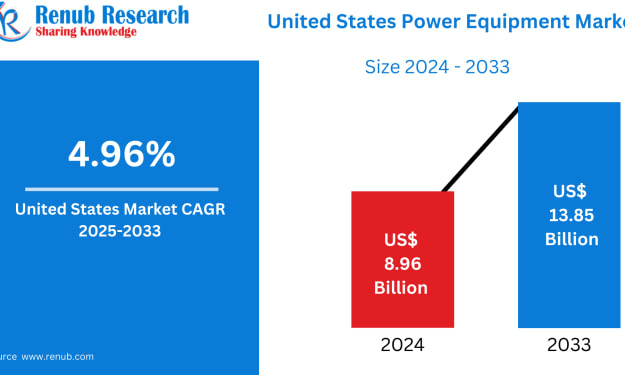
United States Power Equipment Market Overview The United States Power Equipment Market is on a steady growth trajectory, reflecting the nation’s expanding infrastructure needs, increasing energy reliability concerns, and accelerating transition toward cleaner power solutions. According to Renub Research, the market is projected to expand from US$ 8.96 Billion in 2024 to US$ 13.85 Billion by 2033, registering a solid Compound Annual Growth Rate (CAGR) of 4.96% during 2025–2033.
By Marthan Sir4 days ago in The Swamp


Comments
There are no comments for this story
Be the first to respond and start the conversation.