
"The Interpretation of Dreams" by Sigmund Freud: A Journey into the Unconscious Mind
"Unlocking the Secrets of the Unconscious: A Deep Dive into Freud's 'The Interpretation of Dreams'"
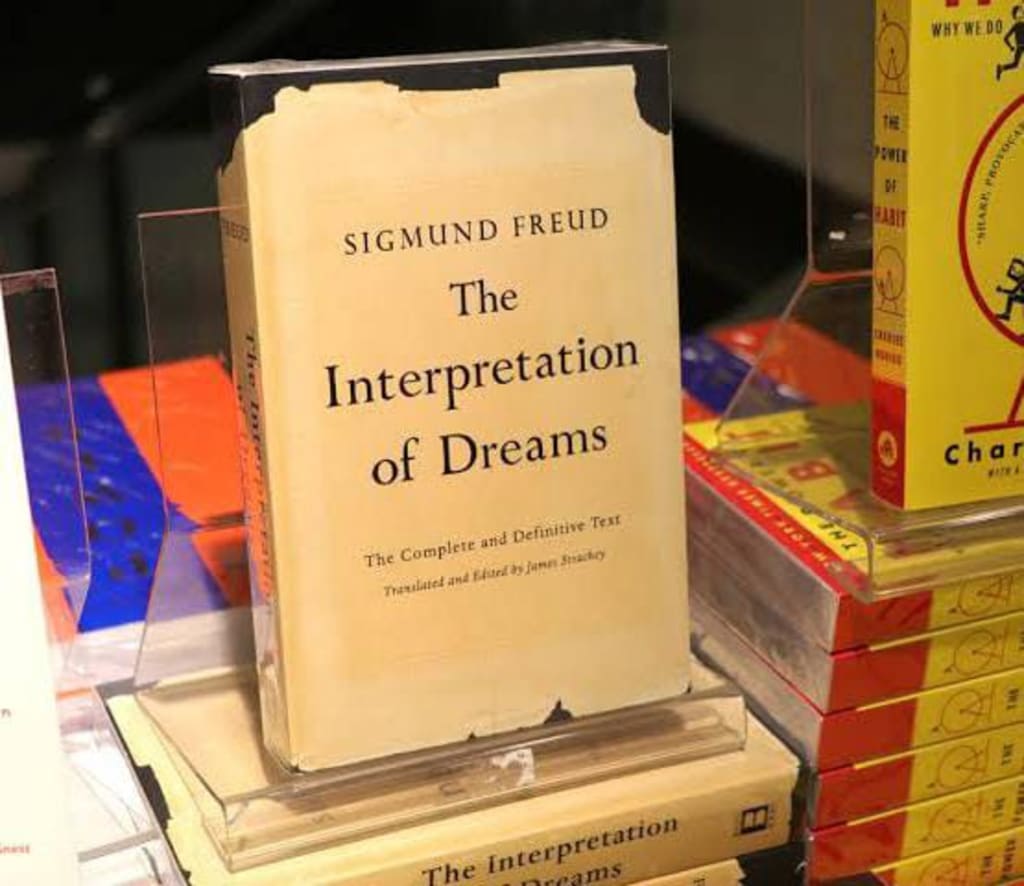
"The Interpretation of Dreams" by Sigmund Freud: A Journey into the Unconscious Mind
"The Interpretation of Dreams" is not just a book; it is the foundation of modern psychology and a journey into the mysterious world of the unconscious. First published in 1899, this book revolutionized our understanding of dreams. Dreams are no longer seen as random or meaningless images; instead, they are glimpses into our hidden desires, fears, and experiences. Freud's writing is a blend of science, philosophy, and personal discovery. This book explains how dreams are formed, their connection to the unconscious mind, and how they reveal hidden truths through symbols. Although it can be challenging, for those interested in understanding the human mind, it is a feast for the intellect.
*Key Lessons and Insights from the Book*
1. *Dreams are the Royal Road to the Unconscious*
Freud described dreams as "the royal road to the unconscious." According to him, dreams are not random; they are symbolic manifestations of our hidden desires, thoughts, and conflicts. Often, these are thoughts we suppress while awake because they make us feel ashamed, anxious, or socially unacceptable. Dreams are a dialogue between our conscious and unconscious minds. Reflecting on them can reveal hidden truths about ourselves.
2. *The Language of the Unconscious is Symbolic*
Freud argued that dreams communicate through symbols, often in a distorted or veiled form. The objects or scenes in a dream can represent our desires, fears, or unresolved issues. Some symbols may be universal, but their interpretation also depends on the individual's personal experiences. Therefore, understanding a dream symbol requires considering its context and personal background.
3. *Dreams are Wish Fulfillment*
One of Freud's most famous and controversial ideas is that every dream is a form of wish fulfillment—even if it appears as a nightmare. This means that dreams show us desires we may not dare to acknowledge while awake. Dreams provide a safe space where we can see our repressed desires. Trying to understand our true desires can be a powerful exercise in self-awareness.
4. *The Mind Uses Defense Mechanisms*
Freud explained that the human mind distorts dreams to protect itself from painful or uncomfortable truths. This is why dreams often seem fragmented, bizarre, or disjointed. Mechanisms like "condensation" (merging multiple ideas into one symbol) or "displacement" (transferring emotions from one object to another) obscure the true meaning of the dream. These processes reveal the mind's intelligence and protective nature.
5. *Dreams are Linked to Personal Experiences*
Freud emphasized that although some symbols may be universal, dreams are largely based on an individual's personal experiences, relationships, and memories. For example, a snake in a dream might symbolize danger for one person, while representing wisdom or transformation for another. Interpreting a dream requires connecting it to the dreamer's life and emotional background.
*The Impact of "The Interpretation of Dreams"*
"The Interpretation of Dreams" is not an easy read—it is theoretical, profound, and sometimes controversial. However, it is a fascinating journey into the depths of the mind, influencing not just therapy but also literature, art, and culture. This book teaches us that dreams are not just fleeting images but a map of our hidden selves. While not everyone may agree with all of Freud's ideas, the book invites us to look inward—to explore, understand, and discover the depths of our minds. If you're interested in psychology, self-awareness, or the mysteries of dreams, "The Interpretation of Dreams" is a must-read. It is not just a book but a gateway to understanding yourself.
*Expanding on Freud's Ideas*
Freud's work laid the foundation for many subsequent developments in psychology and psychotherapy. His ideas about the unconscious mind, defense mechanisms, and the structure of personality (id, ego, and superego) have become central to understanding human behavior. While some of his specific theories may have been challenged or modified over time, the core principles he introduced remain influential.
*The Unconscious Mind: A Complex System*
The unconscious mind, according to Freud, is a complex system that operates beneath our conscious awareness. It is the repository of our deepest desires, fears, and memories, many of which are inaccessible to conscious thought. Dreams provide a window into this hidden world, revealing the workings of the unconscious mind in symbolic and often cryptic ways.
*Defense Mechanisms: Protecting the Ego*
Freud's concept of defense mechanisms highlights the ways in which the mind protects itself from anxiety, guilt, and other forms of psychological distress. By distorting or denying reality, the mind can maintain a sense of balance and stability. However, these mechanisms can also prevent us from confronting and resolving underlying issues, leading to further psychological distress.
*The Structure of Personality: Id, Ego, and Superego*
Freud's structural model of personality consists of the id, ego, and superego. The id represents our primitive, instinctual needs; the ego" by Sigmund Freud: A Journey into the Unconscious Mind*
"The Interpretation of Dreams" is not just a book; it is the foundation of modern psychology and a journey into the mysterious world of the unconscious. First published in 1899, this book revolutionized our understanding of dreams. Dreams are no longer seen as random or meaningless images; instead, they are glimpses into our hidden desires, fears, and experiences. Freud's writing is a blend of science, philosophy, and personal discovery. This book explains how dreams are formed, their connection to the unconscious mind, and how they reveal hidden truths through symbols. Although it can be challenging, for those interested in understanding the human mind, it is a feast for the intellect.
*Key Lessons and Insights from the Book*
1. *Dreams are the Royal Road to the Unconscious*
Freud described dreams as "the royal road to the unconscious." According to him, dreams are not random; they are symbolic manifestations of our hidden desires, thoughts, and conflicts. Often, these are thoughts we suppress while awake because they make us feel ashamed, anxious, or socially unacceptable. Dreams are a dialogue between our conscious and unconscious minds. Reflecting on them can reveal hidden truths about ourselves.
2. *The Language of the Unconscious is Symbolic*
Freud argued that dreams communicate through symbols, often in a distorted or veiled form. The objects or scenes in a dream can represent our desires, fears, or unresolved issues. Some symbols may be universal, but their interpretation also depends on the individual's personal experiences. Therefore, understanding a dream symbol requires considering its context and personal background.
3. *Dreams are Wish Fulfillment*
One of Freud's most famous and controversial ideas is that every dream is a form of wish fulfillment—even if it appears as a nightmare. This means that dreams show us desires we may not dare to acknowledge while awake. Dreams provide a safe space where we can see our repressed desires. Trying to understand our true desires can be a powerful exercise in self-awareness.
4. *The Mind Uses Defense Mechanisms*
Freud explained that the human mind distorts dreams to protect itself from painful or uncomfortable truths. This is why dreams often seem fragmented, bizarre, or disjointed. Mechanisms like "condensation" (merging multiple ideas into one symbol) or "displacement" (transferring emotions from one object to another) obscure the true meaning of the dream. These processes reveal the mind's intelligence and protective nature.
5. *Dreams are Linked to Personal Experiences*
Freud emphasized that although some symbols may be universal, dreams are largely based on an individual's personal experiences, relationships, and memories. For example, a snake in a dream might symbolize danger for one person, while representing wisdom or transformation for another. Interpreting a dream requires connecting it to the dreamer's life and emotional background.
*The Impact of "The Interpretation of Dreams"*
"The Interpretation of Dreams" is not an easy read—it is theoretical, profound, and sometimes controversial. However, it is a fascinating journey into the depths of the mind, influencing not just therapy but also literature, art, and culture. This book teaches us that dreams are not just fleeting images but a map of our hidden selves. While not everyone may agree with all of Freud's ideas, the book invites us to look inward—to explore, understand, and discover the depths of our minds. If you're interested in psychology, self-awareness, or the mysteries of dreams, "The Interpretation of Dreams" is a must-read. It is not just a book but a gateway to understanding yourself.
*Expanding on Freud's Ideas*
Freud's work laid the foundation for many subsequent developments in psychology and psychotherapy. His ideas about the unconscious mind, defense mechanisms, and the structure of personality (id, ego, and superego) have become central to understanding human behavior. While some of his specific theories may have been challenged or modified over time, the core principles he introduced remain influential.
*The Unconscious Mind: A Complex System*
The unconscious mind, according to Freud, is a complex system that operates beneath our conscious awareness. It is the repository of our deepest desires, fears, and memories, many of which are inaccessible to conscious thought. Dreams provide a window into this hidden world, revealing the workings of the unconscious mind in symbolic and often cryptic ways.
*Defense Mechanisms: Protecting the Ego*
Freud's concept of defense mechanisms highlights the ways in which the mind protects itself from anxiety, guilt, and other forms of psychological distress. By distorting or denying reality, the mind can maintain a sense of balance and stability. However, these mechanisms can also prevent us from confronting and resolving underlying issues, leading to further psychological distress.
*The Structure of Personality: Id, Ego, and Superego*
Freud's structural model of personality consists of the id, ego, and superego. The id represents our primitive, instinctual needs; the ego
About the Creator
Keep reading
More stories from Ikram Ullah and writers in Psyche and other communities.
The Illusion of the Snake: A Lesson on Mind, Perception, and Healing
It is said that a man once visited the great philosopher Rumi. The philosopher warmly welcomed him and invited him to join him for a meal. As they sat together, Rumi served soup to his guest. When the man began to drink the soup, he suddenly noticed something strange. In the bowl, he saw what appeared to be a small snake-like creature floating in the broth. Shocked and disturbed, he froze for a moment.
By Ikram Ullah8 months ago in Psyche


Comments
There are no comments for this story
Be the first to respond and start the conversation.