Latest Stories
Most recently published stories in Psyche.
The Loneliness Vending Machine: How We Started Paying for Connection. AI-Generated.
I. A Machine for Love Last month, I rented a friend. Not metaphorically. I paid $29.99 for a one-hour video call with someone who promised to listen to me, validate me, and laugh at my jokes. The app was clean, the interface sleek, and the calendar surprisingly full. My session started with a smiling young woman named Emma—probably not her real name—who said, “So, how was your day?” with the kind of warmth you’d expect from someone you’ve known since high school. Except we hadn’t.
By Ahmet Kıvanç Demirkıran6 months ago in Psyche
Once A Child . Content Warning.
From the moment we open our eyes—crying in a cold, sterile hospital— the conditions of love begin to blossom. Living and growing in our mother’s bellies only holds a safe place for nearly a year before we were quite literally ejected into chaos we didn’t ask for. From that point on there are conditions to the amount of love and respect we receive. From birth when we are “good babies” in the nursery, the nurses praise us for our cooperation, whereas fussy babies, while still looked at as precious cute creations, are deemed more difficult. Though this example is rather vague and lacks depth into the true meaning of conditional love, it is a pivotal reminder of how we enter and leave this world. Alone.
By The Darkest Sunrise6 months ago in Psyche
Asylum Warehousing: Again?
The recent discourse surrounding "mental health disabilities" and their societal ramifications carries a chilling echo of a past many hoped had been left behind: the era of asylum warehousing. While framed as a solution to complex social issues, policies that empower the state to institutionalize individuals deemed in need, even those already housed, threaten to unravel decades of progress in mental healthcare and civil liberties. This approach risks re-establishing a system where individual autonomy is sacrificed for perceived public order, potentially leading to widespread human rights abuses and the erosion of fundamental freedoms.
By Sai Marie Johnson6 months ago in Psyche
2025 Is the Year to Take Risks
We’ve all heard it a million times: “Play it safe. Don’t take risks.” But what if this year, 2025, you decide to challenge that advice? The reality is that sticking to what feels comfortable might be the biggest obstacle standing between you and the life you want. Taking risks—smart, purposeful risks—can open doors you didn’t even know existed.
By Kamran Zeb6 months ago in Psyche
Facebook Was My Safe Place—Until It Became a Memory Trap
For most of my twenties, Facebook felt like home. It was where I documented everything that mattered. Birthday dinners, weekend getaways, friend drama (with vague statuses, of course), inside jokes, heartbreaks, and rebounds. It was my personal archive, my social stage, my comfort scroll.
By Kamran Zeb6 months ago in Psyche
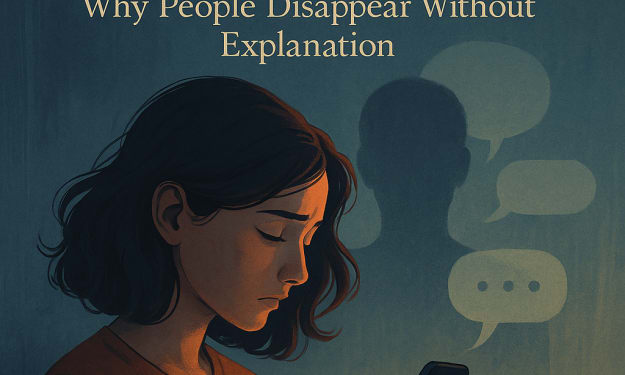
The Psychology of Ghosting: Why People Disappear Without Explanation. AI-Generated.
You’re texting someone, everything seems to be going well, and then—suddenly—nothing. No reply. No explanation. Just silence. You double-check your messages, wonder if you said something wrong, and slowly spiral into a loop of confusion and self-doubt. This experience has a name: ghosting. It’s when someone abruptly cuts off all communication without warning, and it’s become increasingly common in the digital age. But why do people ghost? What’s happening inside their minds when they decide to vanish? And why does it hurt so much?
By Muhammad Hussain6 months ago in Psyche
The Day I Stopped Apologizing for Existing
By Asadullah Azimi I used to say “sorry” for everything — and I mean everything. If someone bumped into me on the street, I apologized. If my food order came out wrong, I apologized. If I laughed too loud, cried too easily, took up space in a room, or simply had a different opinion, I apologized — as though existing in my own skin required permission.
By Asadullah Azimi 6 months ago in Psyche
Surrounded Yet Invisible: The Loneliest I’ve Ever Been Wasn't When I Was Alone
I used to think loneliness only looked like empty rooms and unanswered texts. I thought it meant quiet Friday nights, vacant seats across the dinner table, or crying into your pillow at 2 a.m. because no one thought to check on you.
By Azmat Roman ✨6 months ago in Psyche
How to Maintain Attachment While Living Together
Even though we share a bed, a kitchen, and a routine, there are days when it feels like we are strangers living together. Everything seems like a dream when you move in together for the first time. sharing chores, breakfasts in bed, cuddles on the couch, and the joy of being together all the time. However, life begins to enter almost gradually. The emotional intimacy that was once effortless begins to be eroded as a result of stress at work, bills, daily responsibilities, and the monotony of routine. You are not imagining if you have ever said to yourself, "We live together, but I feel alone." It is not enough to be physically close to someone to sustain an attachment. It must be cared for. Couples, especially those who have been together for a long time, can overcome the difficulties of living together by following these steps. --- 🧠 1. Recognize that closeness equals intimacy Confusion between presence and connection is one of the most common pitfalls that couples fall into. Even though you're in the same house, that doesn't mean you're really talking to each other. > Think about the last time you looked your partner in the eye and inquired about how they were feeling. Couples often behave more like roommates than romantic partners in the UK, where a fast-paced work culture and emotional reserve are common. The treatment? deliberate attention Put the TV off. Put your phone down. Give each other a look. Speak. Listen. --- 💬 2. Make small, intimate moments of emotional closeness Grand gestures are not required. You require frequent, infrequent emotional touchpoints. a 10-second embrace prior to leaving for work Providing them with a cup of tea without asking putting a sticky note on their laptop that says, "I'm proud of you." asking, "What brought you joy today?" These instances convey a significant subconscious message: "I notice you. I care. You are valued. --- 🗓️ 3. Schedule time for connection, not just coexistence. While many UK couples share a home, they operate on distinct emotional timelines. The answer? Make time for bonding, not for chores. a dinner once a week with "no phones allowed" Taking a fifteen-minute walk after dinner together a "relationship check-in" once a month where you both share how you're feeling sexually and emotionally. Treat your relationship like a garden: even the most beautiful bond will wither if it is not given time, care, and pruning. --- 🧱 4. Learn about one another's attachment style. Attachment is influenced by childhood trauma, personality, and love. Are you worried and want to be reassured often? Does your partner avoid you and require more room? These differences can be made worse by living together. The one might feel smothered, and the other might feel left out. Learning about attachment theory can help save relationships. Books like Attached by Amir Levine and resources like the UK's Relate charity are game-changers. --- 🔄 5. Get out of your routine before it breaks you. Cohabitation's comfort and curse are routine. It's safe, but it can get old. To keep your emotions burning: Take turns organizing domestic "surprise dates." Make something new together. Recreate the first time you met. Before going to bed, read aloud to one another. Spend a weekend apart to rekindle longing and mystery. This emotional care becomes even more important in the United Kingdom, where couples may live together before getting married. --- ❤️ 6. Don't say things you think are obvious. "I adore you." "I'm grateful to you." "You are stunning." "I'm happy for you." Too many couples assume their partner knows and stop saying these words once they move in together. However, love flourishes when spoken, not just assumed. Emotional disconnection actually rarely occurs simultaneously. It fades slowly. a few unspoken praises. several missed opportunities to touch You'll still be in love, but you won't be able to hear each other. --- In conclusion: You should become closer by living together. However, it only works if you are emotionally deliberate. Don't just stick around in the same place. Exist in the hearts of one another. Recreate the customs. Make love sounds. Touch as if you are still figuring each other out. And if you're not sure, ask yourself: > "Would they feel loved if today were our last day together?" Because, at the end of the day, a relationship is not defined by sharing a bed or bills— It's how much you care about each other, even in the face of life's temptations to drift apart. Hold their hand as though it were the first time. As if you still have a thousand things to say, look into their eyes. And love them even though you don't live together But because your souls continue to reside in one another.
By Abdu ssamad6 months ago in Psyche
Find Relief from Anxiety
Anxiety touches countless lives affecting how people work, connect with others, and experience daily events. Sometimes it appears after a major transition, persistent stress, or unresolved trauma. For many, anxiety lingers, making even routine life feel overwhelming. The encouraging truth: anxiety is treatable. With skilled counselling and help from a knowledgeable psychologist, you can learn to manage anxiety and regain your sense of calm.
By Family Psychology Place6 months ago in Psyche