
Why is my dog obsessed with my other dog's mouth?
Dogs licking each other is a natural part of their social interactions, but when the behavior becomes excessive, it can raise concerns for pet owners. From greeting rituals to showing affection, licking plays a role in maintaining harmony and bonding. However, if your dog seems fixated on licking another dog, it might be a sign of deeper issues, such as anxiety, lack of proper socialization, or even health concerns. This guide explores the reasons behind obsessive licking, how to handle it, and when to step in to ensure both dogs are comfortable and happy.

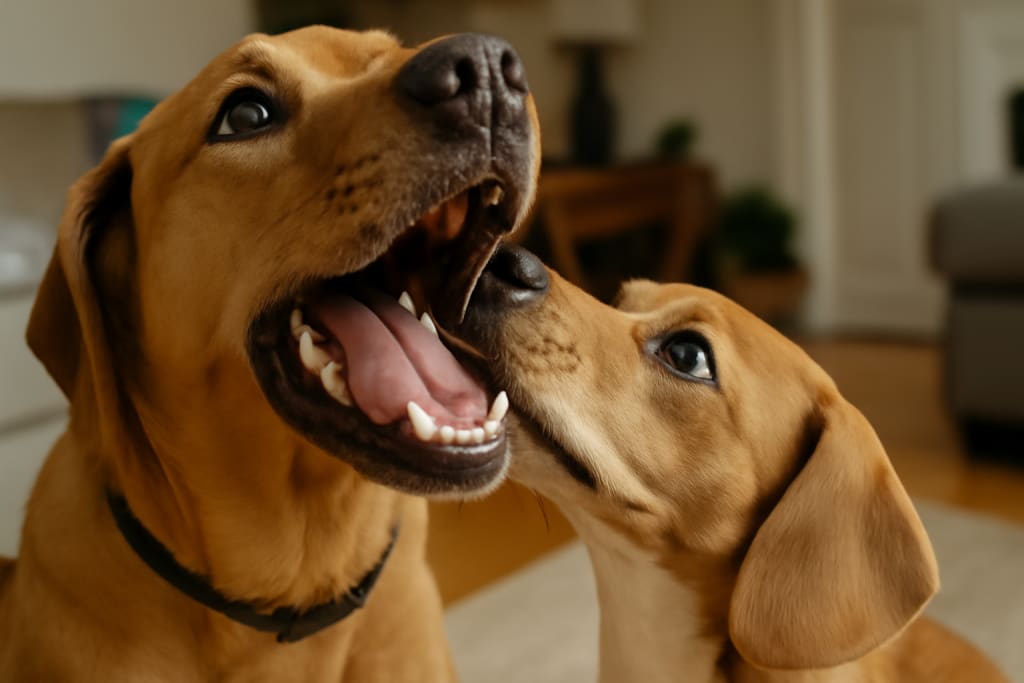
Ever caught your dog in the act of licking another dog with an intensity that makes you pause and wonder, "What in the world is going on?" Well, you’re not alone. This behavior can be pretty baffling for dog owners, especially when it becomes obsessive. While a little lick here and there is part of how dogs interact with each other, when it turns into a non-stop licking marathon, you might be dealing with something more than just socializing.
Dogs, much like humans, have a complex world of communication, and licking is a big part of it. However, when it crosses the line into excessive licking, it can leave owners scratching their heads. So, why do dogs lick each other obsessively? Is it normal? And what can you do about it?
Let’s dive into the canine world of licking and figure out what's really going on.
How to Handle a Dog That Licks Other Dogs Too Much
Before you start wondering if your dog has lost the plot, let’s first acknowledge that not all licking is a problem. Social dogs, especially those who are comfortable around each other, often lick as a way of greeting or showing affection. But when the licking starts turning into a full-blown obsession, that’s where things can get tricky.
Separate the Dogs if Annoyance Brews
If your dog is relentlessly licking another dog, it’s essential to gauge the reaction of the other dog. Not every dog will tolerate this behavior indefinitely. If the dog being licked starts to back off or growl, you’ll want to intervene before things escalate. Licking might seem harmless to us, but in the dog world, it can quickly be perceived as rude, and the other dog may not be so friendly about it. The situation could even lead to a snap or, worse, an actual bite if the licked dog gets fed up.
But what happens if the licking continues after you separate them? The dog who’s doing the licking might be even more persistent when they reunite. It’s like your dog thinks, “Well, I’ve got to make up for lost time!” Here’s the thing: excessive licking isn’t just annoying for the other dog, it can damage the relationship between them. So, how do you tackle this head-on?
Observe the Area Being Licked
One of the first steps in understanding why your dog is licking obsessively is to pay close attention to where your dog is licking. The area of focus can tell you a lot about what’s going on.
Licking the Mouth
Licking another dog's mouth is one of the most common behaviors in the dog world. Think of it like a canine version of a kiss. Puppies often lick their mother’s mouth to encourage her to regurgitate food, a practice that continues in adult dogs as a way of bonding. If your dog licks another dog’s mouth, it could just be showing affection or trying to initiate playtime.
However, when it becomes obsessive, it could signal that your dog isn't properly socialized or is relying too much on this behavior because they haven't learned alternative ways to engage with other dogs. If the licking seems extreme or uncomfortable for the other dog, it’s time to step in.
Licking the Ears
Now, if your dog is zeroing in on another dog’s ears, it could be a sign of something else. Some dogs naturally gravitate toward grooming behaviors, and ear licking might be a way of showing affection or initiating a play session. But in some cases, it could also indicate that the dog being licked has an ear infection or other issue that your dog is trying to address (without realizing it, of course).
If your dog is fixated on licking ears, it's crucial to check if the other dog is showing signs of discomfort, like shaking their head or avoiding the licking dog. If there’s no issue, it’s likely just a quirk of their social behavior.
Licking the Privates
This is the one that tends to make dog owners blush. While it may sound awkward, it’s not uncommon for dogs to lick each other’s private areas. For dogs, this behavior is usually a part of social grooming and understanding each other’s scent. It’s part of how they communicate and establish pack hierarchy.
However, if your dog is licking another dog’s privates obsessively, it might be a sign of excessive curiosity, boredom, or even anxiety. If this behavior is excessive, it’s important to intervene and distract your dog to prevent any awkward situations from occurring.
Licking Can Be Normal, But Not When It’s Excessive
As with most behaviors in the canine world, licking can be perfectly normal and healthy. In fact, some level of licking is vital for dogs to maintain social bonds, communicate with each other, and even express affection. However, when the licking gets excessive—especially if it's the same dog or becomes one-sided—it’s time to ask yourself why.
If the licking is causing distress to the dog being licked, it can lead to negative associations and a breakdown in their relationship. Constant licking can also be a sign that your dog is dealing with underlying issues like separation anxiety, boredom, or social difficulties.
When Do You Need a Professional?
If your dog’s licking goes beyond normal behavior and seems to be persistent and disruptive, it might be time to call in a professional. A dog trainer or behaviorist can help assess the situation, determine if there’s an underlying behavioral issue, and develop strategies to correct the obsession.
Some dogs may need more structured socialization or specific behavior modification techniques to learn better ways of interacting with other dogs. Don’t be afraid to seek professional help if you feel overwhelmed. Dogs are social creatures, and sometimes, they need a little guidance to get their social skills back on track.
Understanding Why Dogs Lick Each Other’s Mouths
Licking each other’s mouths might seem like an odd thing for us humans to witness, but it’s a common and natural behavior in the dog world. To fully understand why your dog is doing this, it helps to know how this behavior originates.
Puppies Licking Their Mother’s Mouth
In the wild, puppies lick their mother's mouth as part of the weaning process. The mother would regurgitate food for her pups, and the licking served as a signal to prompt that behavior. Even in domestic dogs, this instinct can persist. Puppies may still lick their mother’s mouth to communicate hunger or to bond with her.
Adult Dogs Licking Other Dogs’ Mouths
As adult dogs, mouth-licking serves a few purposes. One major reason is social bonding. Licking another dog’s mouth is often an act of affection, a way to say, “Hey, we’re friends.” It's their version of a kiss, if you will. It’s also a way to show submission or respect. Lower-ranking dogs may lick the mouths of higher-ranking dogs to show deference and keep the peace within their social structure.
Should You Stop This Behavior?
While licking is a natural dog behavior, if it becomes obsessive, it can become a problem. It can make the other dog uncomfortable, and, depending on the situation, it may even cause tension between the dogs. So, when should you step in?
You should intervene if:
- The licking continues for an extended period, and the dog being licked seems to be uncomfortable.
- The licking dog is relentless and won’t stop despite the other dog showing signs of distress.
- The licking is causing aggression, frustration, or discomfort between the dogs.
It’s all about balance. You don’t need to stop natural, healthy licking entirely, but you do need to manage the situation so that both dogs feel comfortable and safe.
Conclusion
So, the next time you catch your dog obsessively licking another dog, don’t jump to conclusions. It might just be a sign of affection or social bonding. However, if the behavior becomes excessive or bothersome, it’s important to step in and address it. Keep an eye on where and how your dog is licking and make sure it doesn’t escalate into something uncomfortable for the other dog involved.
Remember, dogs are complex creatures with their own way of communicating, and while licking is one of those ways, it shouldn’t become an obsessive habit. With a little guidance, patience, and maybe some professional help, you can ensure that your dog’s interactions with other dogs are both healthy and enjoyable for everyone involved.
Thanks for your reading.
About the Creator
Off the Leash: The Essential Gear Guide for Adventurous Dogs
There’s something wildly freeing about unclipping the leash and letting your dog move the way they were built to. If you’re hiking in areas that truly allow off-lead exploration, your gear list shifts. No harness. No leash dragging through dust. Instead, it’s about smart, lightweight essentials that keep your dog safe, hydrated, and easy to manage when adventure gets messy. Long walks off lead are less about control and more about preparation.
By Shabbir Ahmad7 days ago in Petlife
The Ones Left Behind:
Shelters overflow every week with wagging tails and hopeful eyes. The young ones—the puppies and kittens—disappear within hours, scooped up by families eager for a blank slate. The old ones stay behind. They wait days, then weeks, often in silent confusion, still listening for footsteps they recognize.
By Dr. Mozelle Martin6 days ago in Petlife




Comments
There are no comments for this story
Be the first to respond and start the conversation.