
How to crate train an older dog with separation anxiety
Separation anxiety in older dogs can be a challenging and emotional experience for both you and your furry friend. While it may seem like an uphill battle, there are effective training strategies that can help reduce their anxiety and create a sense of security. From establishing routines to using desensitization and positive reinforcement techniques, this guide provides practical tips to ease your dog’s distress when left alone. With patience, consistency, and a compassionate approach, you can help your older dog feel more confident and comfortable, making the process of separation much easier for both of you.

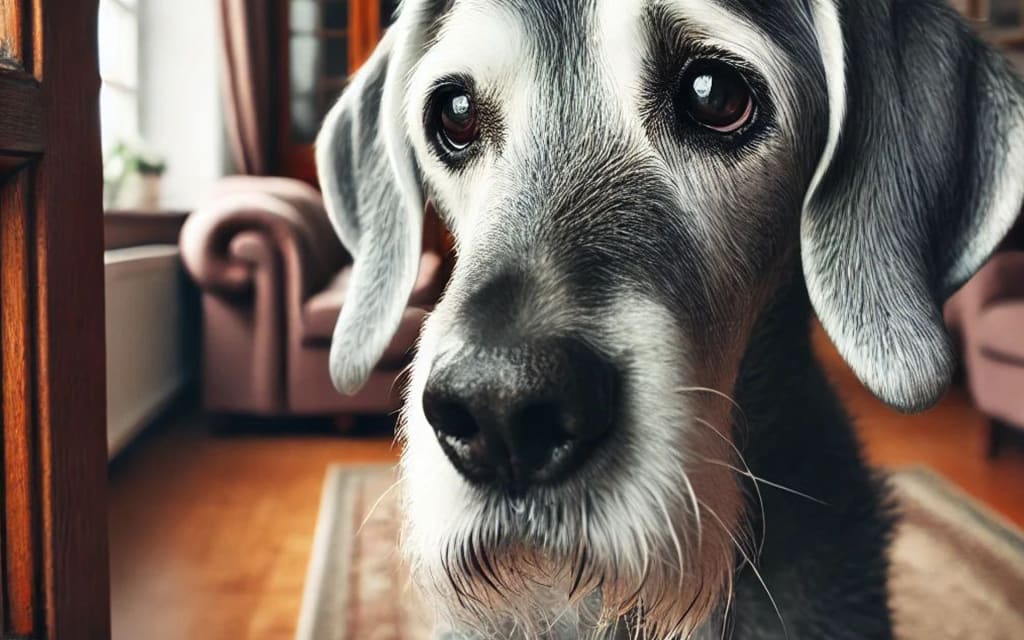
The Challenge of Separation Anxiety in Older Dogs
Separation anxiety is a term most often associated with puppies. But let’s be honest—dogs don’t grow out of anxiety the way humans might hope. If you’ve got an older dog, you might find that they develop separation anxiety as they age. It’s not just a “phase” they grow out of. Whether it’s due to changes in their routine, health concerns, or even an old traumatic experience, older dogs can experience severe distress when left alone. While some dogs may never fully recover from separation anxiety, the good news is that with the right training, you can significantly reduce their anxiety and help them feel more secure.
Training an older dog, especially one with separation anxiety, requires patience, consistency, and empathy. They may not learn as quickly as a young pup, but the right approach can make a world of difference. In this article, we’ll dive into practical, dog-friendly strategies to help your senior dog overcome their separation anxiety, all while strengthening your bond and enhancing their comfort.
Understanding Separation Anxiety in Older Dogs
Dogs are social animals, and they thrive on companionship. When left alone, they can experience extreme anxiety—barking incessantly, pacing, trying to escape, or even injuring themselves out of fear. This is often more than just "acting out"; it's a panic response to being separated from their pack. And yes, that’s you. Dogs don’t have the coping mechanisms that we do when we leave them behind.
As our dogs age, they can become more sensitive to changes in their environment or daily routine. If your senior dog has always been independent but suddenly starts showing signs of separation anxiety, it could be a sign that they’re feeling insecure or unwell. Older dogs are also more prone to health issues that can amplify anxiety, such as arthritis or vision loss. Their anxiety may not be as obvious as a puppy’s, but subtle signs like excessive drooling, panting, or clinginess may indicate something deeper.
Step 1: Establish a Consistent Routine
Dogs thrive on routine, especially older dogs who may feel less confident about the unpredictability of life. When it comes to reducing separation anxiety, establishing a predictable schedule for feeding, walks, playtime, and naps can provide a sense of stability. Knowing that certain things happen at certain times each day helps your dog feel safe and secure.
Create a simple, consistent routine that you can stick to. This will not only help your dog anticipate what's coming next but also ease their mind about the changes in their environment. It’s kind of like having a safety net for your dog’s world, and in turn, it helps them feel more relaxed when you need to leave.
Step 2: Gradual Departures—Start Small
This is where the magic of training begins. The goal here is to help your dog understand that your departures aren’t the end of the world. Start by leaving for very short periods, just a few minutes at a time. Make sure you keep the exits and entrances as casual as possible. If your dog sees you preparing to leave (grabbing keys, putting on shoes), it can trigger anxiety, so be discreet in the beginning.
Gradually increase the time you’re away, but don’t rush it. This process is about building trust. If your dog starts to show signs of distress—panting, pacing, drooling—take a step back. Keep in mind, dogs are not good at “toughing it out,” so it’s better to go slow and steady.
Step 3: Creating a Safe Space
As you gradually extend your time away, it’s helpful to create a comforting environment for your dog. A designated safe space, such as a crate or a cozy room, can offer your dog a retreat when they’re alone. The crate, in particular, should be a positive space. Think of it as a secure, personal den, not a punishment.
Place familiar scents in the crate, like blankets or a shirt you’ve worn recently. Make it a place that’s inviting, with favorite toys or a chew bone to keep them distracted. A nice bed, some calming music, and even an anxiety wrap (which can help with calming pressure) can help reduce your dog’s stress.
Remember, the crate should be big enough for your dog to stand up, turn around, and lie down comfortably. A cramped space won’t help with anxiety. And importantly, don’t force your dog into the crate. Give them time to explore it at their own pace and gradually get comfortable with being inside, even when you’re home.
Step 4: Desensitization Techniques – Prepare for the Triggers
One of the most effective ways to reduce separation anxiety is to desensitize your dog to departure cues. This could be as simple as picking up your keys, putting on your shoes, or grabbing your coat. For many dogs, these actions signal that you’re about to leave. Start by practicing these actions without actually leaving. Pick up your keys and put them down, then sit back down. Put on your coat, walk around for a bit, and then take it off. This helps your dog realize that these cues aren’t necessarily followed by a long absence.
As you continue, make sure you reward calm behavior with treats or praise. You want your dog to associate your departure cues with something positive. If your dog remains calm as you go through these motions, they’re less likely to panic when you actually leave.
Step 5: Positive Reinforcement – Reward Calm Behavior
The more your dog associates your departures with positive experiences, the easier it will be for them to adjust. Each time you return home, reward your dog with treats, praise, or an exciting play session. The goal here is to make coming and going a part of a regular, positive routine. Your dog will start to feel reassured that you always come back, which will reduce their overall anxiety.
Avoid making a big fuss when you leave or return. Over-the-top greetings or departures can add to your dog’s stress. Keep it low-key and calm so your dog can learn that these moments don’t have to be a big deal.
Step 6: Use Interactive Toys and Puzzles
Dogs, especially older ones, can get bored easily when left alone. And boredom can lead to destructive behavior, which only adds to their anxiety. To keep your dog engaged while you’re away, provide puzzle toys, treat-dispensing toys, or interactive feeders. These will give your dog something to focus on and keep their mind occupied.
This can also be a great way to create positive associations with being alone. If your dog enjoys a puzzle or a treat while you're gone, they’ll start to look forward to your departures instead of dreading them.
Step 7: Calming Aids – Pheromones and More
Sometimes, our dogs need a little extra help to calm down. There are various calming aids available, such as pheromone diffusers (which mimic the calming scents that mother dogs release) or natural supplements that promote relaxation. These can be helpful, especially in cases of severe anxiety.
Calming music or a TV left on can also provide some background noise to comfort your dog while you’re away. It’s all about creating a relaxing atmosphere that makes them feel safe and secure.
Step 8: When to Seek Professional Help
If your older dog’s separation anxiety is severe or doesn’t seem to improve, it might be time to seek the help of a professional dog trainer or behaviorist. These experts are trained to handle anxiety-related issues and can provide a tailored plan specific to your dog’s needs. Sometimes, anxiety requires a multi-faceted approach, and a professional can help you navigate that.
Conclusion: Patience and Compassion are Key
Training an older dog with separation anxiety is not a quick fix. It’s a gradual process that requires patience, consistency, and a deep understanding of your dog’s emotional needs. While not all dogs will fully overcome separation anxiety, with the right techniques and a positive, supportive environment, you can reduce their stress and help them feel more secure when you’re not around.
Remember, it’s about building trust and reassuring your dog that they’re safe. So, take your time, be kind to your dog, and know that with every small step, you’re helping them grow more comfortable in their own skin. Your patience will pay off, and in time, your dog will be less anxious and more confident in their own space. And that’s something worth celebrating.
Thanks for your reading.
About the Creator
Velveteen Lop Rabbit Lifespan Size Color Diet and Interesting Facts
As we know when people assume Velveteen Lop Rabbit many time the sweet story of the Velveteen Rabbit comes to mind. The name of this breed is not taking from any rabbit, but the book The Velveteen Rabbit have a very cute, sociable, and friendly nature.
By Rabbits Advisor3 days ago in Petlife
Helping Your Elderly Cat Who's Going Blind
When Your Cat Loses Its Sight It can be heartbreaking to watch your beloved kitty go blind. When my cat started to go blind, it was really hard to watch her bump into walls, not to mention the constant loud meowing, which made her sound like she was in excruciating pain. She wasn't. However, she was very confused and scared.
By Janis Masyk-Jackson5 days ago in Petlife


Comments
There are no comments for this story
Be the first to respond and start the conversation.