
How to Train Your Dog to Greet Other Dogs Calmly
Taking your dog for a walk should be a relaxing experience—just you, your furry friend, and the great outdoors. But for many dog owners, these outings can turn into stressful events if their dog becomes overly excited or reactive when meeting other dogs. If you’ve been there, you’re not alone. The good news is, with a bit of patience, the right techniques, and a pocketful of treats, you can teach your dog to greet other dogs in a calm and polite way.

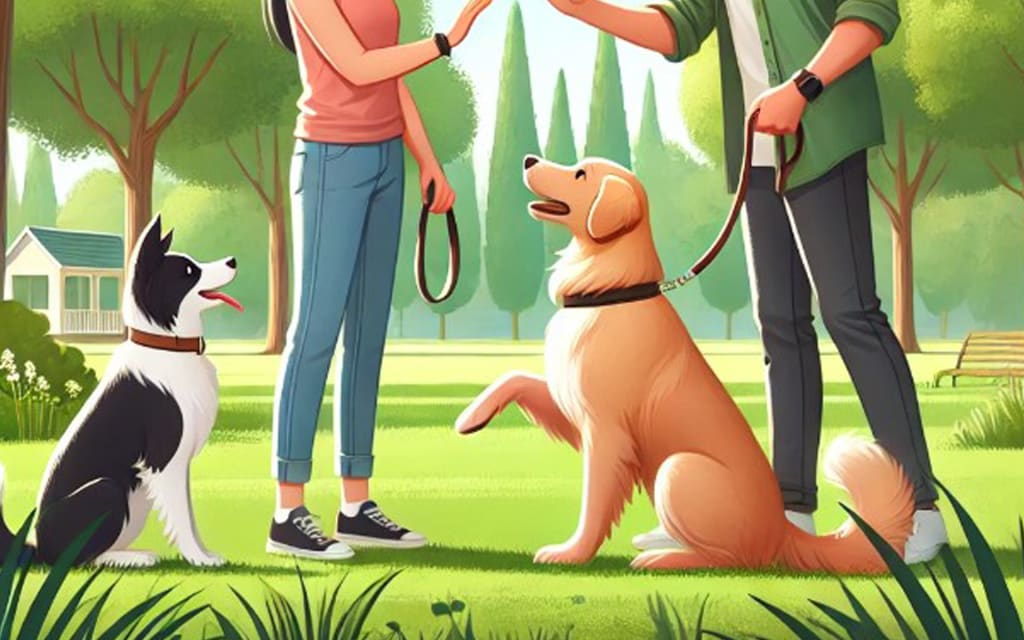
Why Calm Greetings Matter
Teaching your dog how to greet other dogs is about more than just having peaceful walks. It’s a skill that benefits both you and your dog. Polite greetings can prevent unnecessary conflicts, reduce your stress, and open up opportunities for your dog to accompany you to parks, pet stores, or even advanced training programs. For your dog, learning calm greetings builds confidence and teaches them that not every interaction needs to be a 110-mph race to sniff.
Before You Start: Setting the Stage
Know Your Dog’s Temperament
Every dog is different. Some dogs are naturally more excitable or reactive, while others are calm and composed. Factors like breed characteristics, past experiences, and training history play a huge role in how your dog behaves around others. If your dog tends to react strongly, consider working with a professional trainer or behaviorist to get a solid foundation before tackling greeting training.
Gather Your Tools

You’ll need a few essentials:
- High-value treats: Think tiny bits of freeze-dried meat or cheese—something your dog will work hard for.
- A favorite toy: For dogs that aren’t food-motivated, a beloved squeaky toy can work wonders.
- A secure leash and harness: These ensure you have control during training sessions.
- Optional muzzle: If your dog might nip, train them to accept a muzzle at home before heading out.
Start in a Controlled Environment
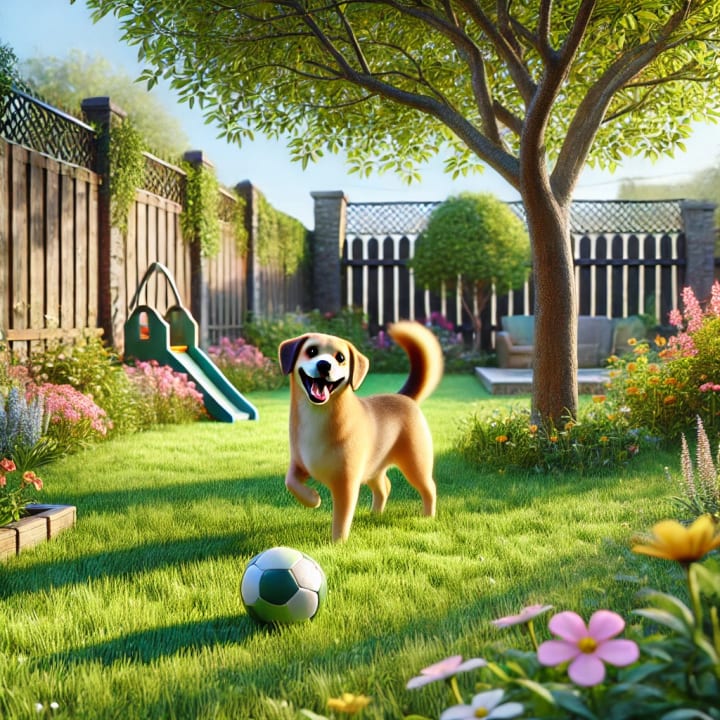
Dogs learn best when they’re not overwhelmed. Begin in a quiet, familiar place, like your backyard or a quiet street, before introducing distractions like other dogs.
The Foundation: Basic Training
Teach Essential Commands
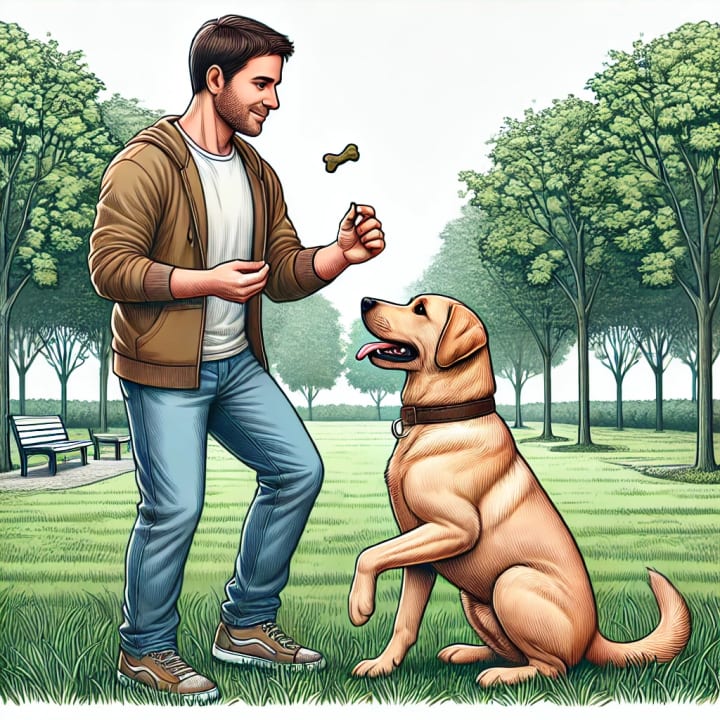
Basic commands like "sit," "heel," and "leave it" are the building blocks of polite behavior. One particularly useful command for this training is “watch me,” which helps redirect your dog’s focus to you instead of the approaching dog. Practice these commands regularly to ensure your dog is responsive in different settings.
Master the “Watch Me” Command
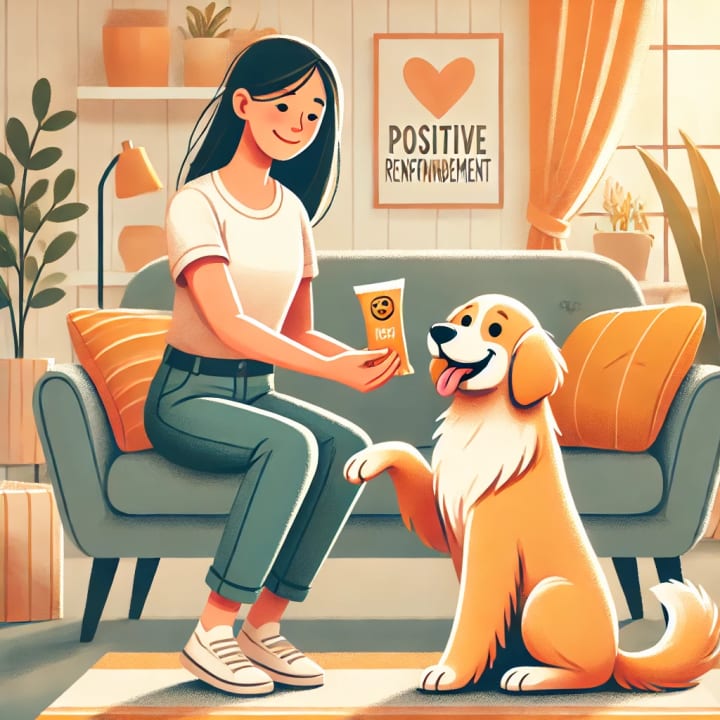
Hold a treat near your eyes and say “watch me.” Reward your dog every time they make eye contact. Gradually increase distractions as they improve. This command will be your best friend when your dog starts to get too interested in another dog.
Training Steps to Calm Greetings
1. The Passing Approach
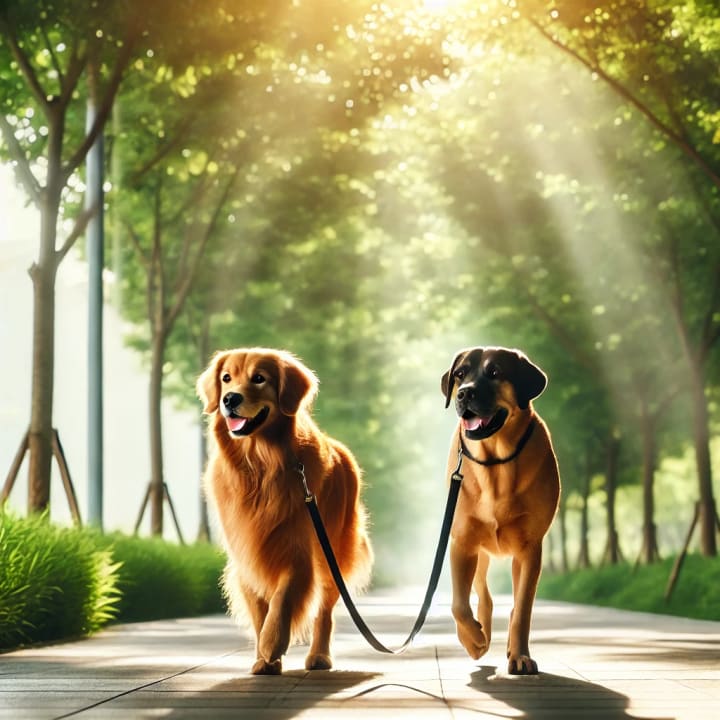
Start with a friend who has a calm, well-trained dog. Position yourselves at least 20 feet apart and begin walking parallel to each other. Reward your dog for staying calm and focused on you. Gradually decrease the distance between the two dogs, rewarding good behavior at every step. If your dog reacts, increase the distance and try again.
Once the dogs can pass by each other without reacting, allow a brief sniff—three seconds is perfect—and then move on. Remember, not every encounter has to end with a face-to-face greeting.
2. Controlled Greetings
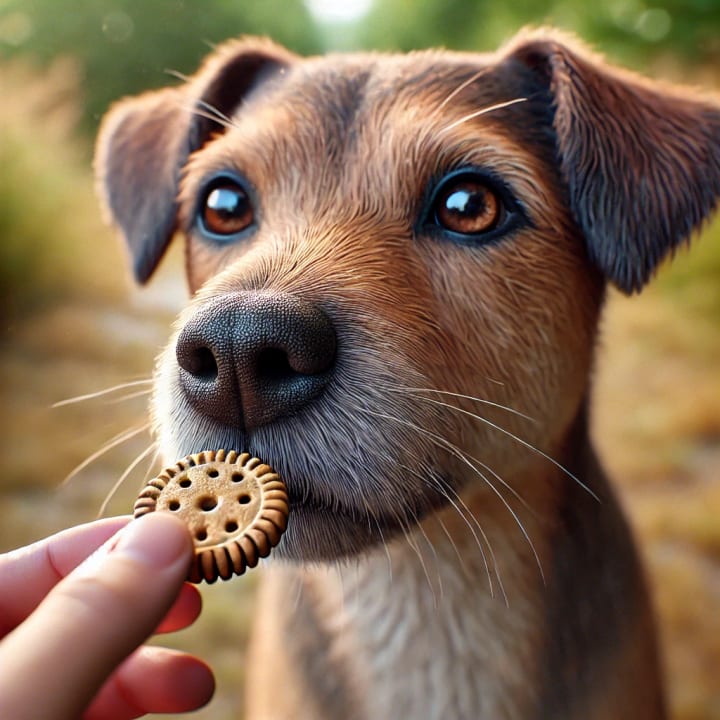
Once your dog is comfortable passing other dogs calmly, move to controlled introductions. Approach at an angle instead of head-on (a U-shaped approach feels less confrontational for dogs). Use the “watch me” command if your dog gets too excited. Allow a quick sniff and then call your dog away for a treat. This teaches them that they can greet and disengage without stress.
3. The Walking Together Method
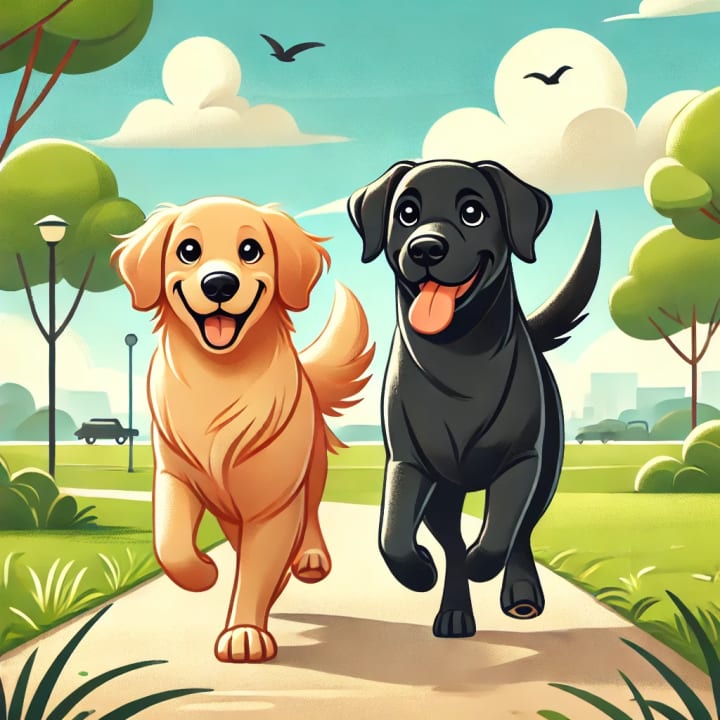
If you have a cooperative friend with a dog, practice walking together. Start with both dogs on opposite sides of the street and reward your dog for staying calm. Gradually decrease the distance as they get comfortable. Walking side-by-side helps dogs relax and focus on the activity instead of each other.
Troubleshooting and Extra Tips
When Your Dog Overreacts
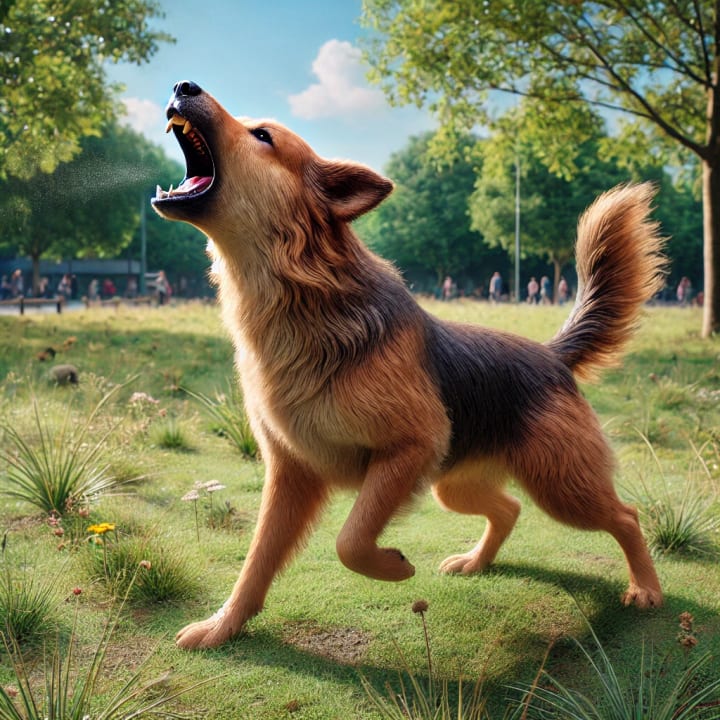
If your dog starts lunging, barking, or getting overexcited:
- Increase the distance between the dogs.
- Use the “watch me” command to regain their focus.
- Reward calm behavior immediately.
Remember, it’s okay to retreat and reset. Progress isn’t linear, and patience is key.
Not Every Dog is a Friend
It’s important to teach your dog that they don’t have to greet every dog they see. In fact, most dogs are perfectly content just walking past each other. Use the “watch me” command and reward your dog for ignoring other dogs. This is especially useful in areas where you’re likely to encounter untrained or reactive dogs.
Keep Sessions Short

Training should be about 10-15 minutes to avoid overwhelming your dog. End on a positive note, even if you haven’t progressed as much as you’d hoped.
Real-Life Success Story
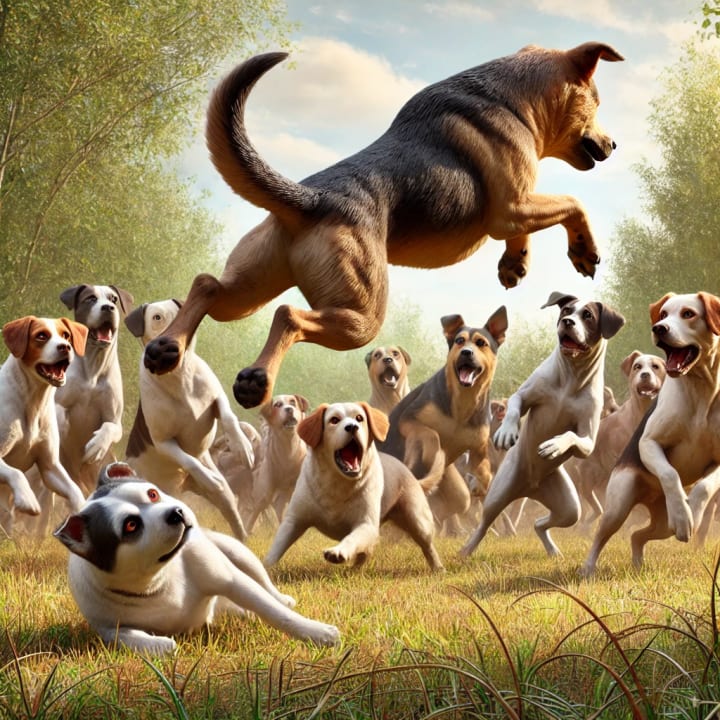
A few years ago, my own dog struggled with overexcited greetings. Every walk felt like a tug-of-war as he lunged toward other dogs. After working with a trainer, I learned that his excitement was actually anxiety disguised as enthusiasm. The solution? Teaching him that seeing another dog didn’t automatically mean playtime.
By pulling him to the side and asking for a “sit” whenever another dog approached, I helped him focus on me instead of the other dog. Over time, he learned to stay calm and even ignore dogs on leash altogether. It wasn’t an overnight transformation, but those small wins added up to a calmer, happier dog.
Consistency is Key
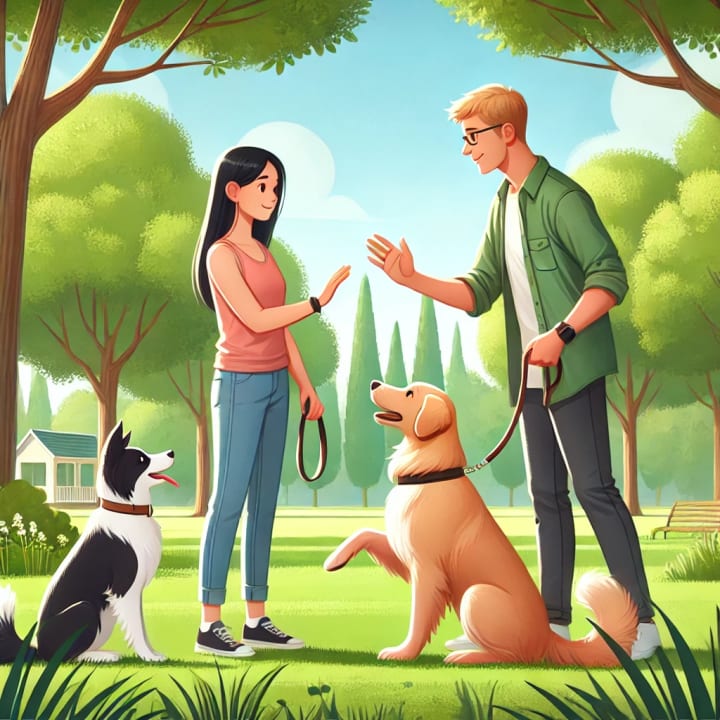
Training your dog to greet other dogs calmly takes time, patience, and repetition. Aim for 1-3 sessions per week and celebrate the small victories along the way. Whether your dog learns to politely sniff and move on or simply ignore other dogs, the ultimate goal is to reduce stress for both of you.
With consistent practice, you’ll soon find yourself enjoying peaceful walks where your dog calmly strolls by your side—no pulling, no barking, just happy tails and wagging hearts.
Thanks for your reading!
About the Creator
A Dart at Dusk
Seconds ago, the sullen sun set on the two of us… my exuberant furry companion and me. A fresh breeze embraces us, delivering welcome relief from the day’s oppressive heat. His typical stumbling and staggering along — apace with a sloth — has turned into trip-trapping, high-stepping, almost skipping along.
By Angie the Archivist 📚🪶5 days ago in Petlife
Real camouflage for people and machines is getting closer thanks to materials inspired by octopuses.
Engineers now have a closer resemblance to octopus skin thanks to a new colour-changing material that can change both its colour and surface roughness in less than 10 seconds. The soft photonic skin was created by Stanford University researchers using patterns on its surface that are tiny than a human hair.
By Francis Dami5 days ago in Petlife


Comments
There are no comments for this story
Be the first to respond and start the conversation.