
Why does your dog freak out in public? And what to do about It
It’s Not Just You – And It’s Not Just Your Dog Let’s get this out of the way: your dog isn’t broken. You didn’t fail. You’re not the only one who’s had to apologize to a stranger while your dog loses their mind at a blowing plastic bag. Dogs freaking out in public is so common, if there was a support group, half the dog park would be in it. You know that person who swears their Labrador is a gentle angel but then gets dragged into traffic because of a passing pigeon? Yeah, that person is most of us. The good news? This can change. Your dog isn't destined to live in fear. But the fix isn't in a gadget or a YouTube trick. It's in understanding them better.
What “Freaking Out” Really Means
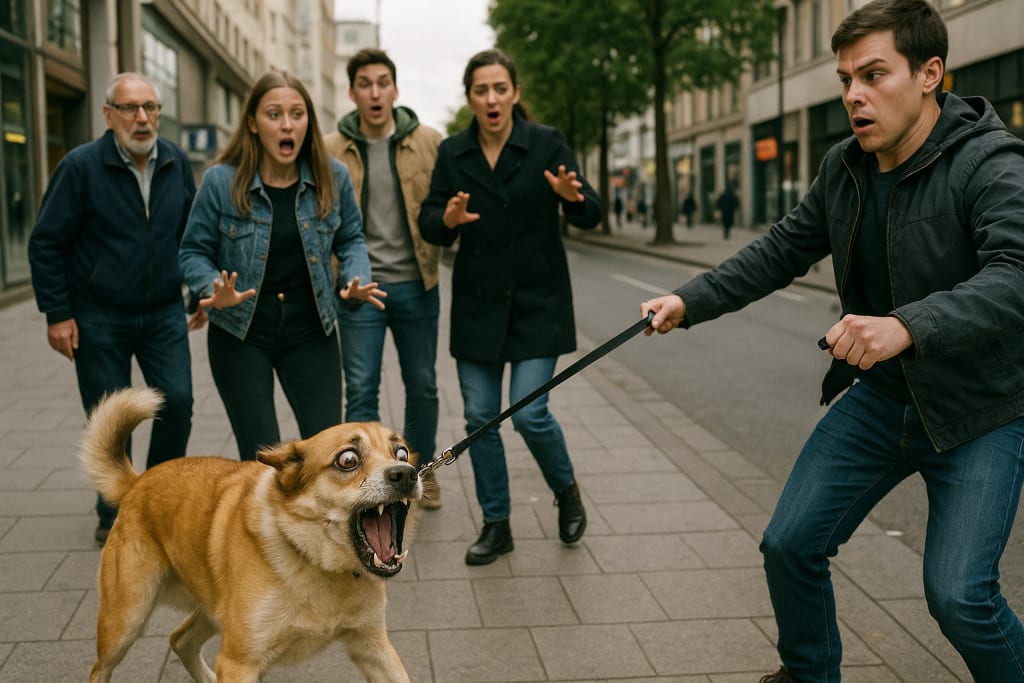
We say "freaking out" like it's a meltdown. But for your dog, it's usually not anger or stubbornness. It’s anxiety. Overload. Fear. A dog who is lunging, barking, or whining isn't trying to ruin your walk—they're trying to cope. It’s the dog version of a panic attack.
Ever seen a toddler scream in a crowded mall? Same idea. Their world suddenly feels too big, too loud, too much.
Your job isn't to scold them for it. It's to help them handle it better. That starts by seeing what they see.
The Root of the Problem: Overstimulation
Too Many Smells, Sounds, Faces
Picture Times Square. Now imagine you're barefoot, can't speak the language, and everyone smells like meat. That’s public life for a lot of dogs.
Dogs have insanely sensitive senses. What feels like a regular sidewalk to us is a noisy, chaotic circus to them: exhaust fumes, loud engines, the jingling of another dog’s tags, and maybe the whiff of a hotdog someone dropped two hours ago. Even the echo of your boots or a kid yelling across the street adds to the sensory cocktail.
Then there's the unpredictability. A shopping cart rolls by. A scooter zips past. Balloons, bicycles, barking dogs. It’s all just... a lot.
Dogs Aren’t Born Socialized
We love to say dogs are naturally social. That’s half true. Dogs are social with what they’ve been safely exposed to and taught to trust. That doesn’t happen automatically.
There’s a critical socialization window in puppies (around 3 to 16 weeks). That’s when their brain is wired to accept new sights, sounds, and situations. If they don’t see people with hats, bikes, or loud buses during that phase, those things can seem alien and threatening later.
So when your 2-year-old rescue acts skittish in a crowd, it might just be that no one showed her how to handle it when she was a pup.
Fear, Not Bad Behavior
Body Language Clues
Dogs speak clearly. We’re just bad listeners.
A tail tucked low. Ears pinned back. Whites of the eyes showing. Lip licking. These are all signs of stress. The problem? Most people miss these early warnings, and by the time the dog is barking and jumping, we say, "bad dog."
It’s like ignoring a friend who’s whispering “I’m not okay” until they scream. Don’t wait for the scream.
Leash Reactivity Is Real
Some dogs are saints off-leash but go full drama queen on-leash. That’s leash reactivity. It’s not dominance. It’s frustration and fear with no escape route.
Imagine being scared of strangers, but you’re tied to a tree and they keep walking toward you. That’s what being on a leash feels like to a reactive dog.
They bark not because they’re aggressive, but because they’re saying: “Go away. I’m scared. Please leave.”
Common Public Triggers
Loud Noises
Motorcycles. Skateboards. Thunder. Fireworks. Some dogs handle these fine. Others go from calm to chaos in a second. It's not weakness. It's wiring. Their nervous system is trying to protect them.
Sound sensitivity can often be traced back to early experiences. A puppy that never heard city traffic? Gonna have a hard time downtown.
Fast Movements (Kids, Bikers, Joggers)
Dogs are prey animals, sort of. Fast movement activates instinct: chase or flee. That jogger isn't threatening your dog, but their nervous system disagrees.
Also, fast movement is unpredictable. And for a dog that likes order (many do), that’s unsettling.
Other Dogs or People Approaching Too Fast
You see a friendly neighbor. Your dog sees a threat barreling straight at them. Remember: dogs prefer curved approaches. Face-to-face is a challenge in dog language.
Ever see dogs greet each other at a park? They do a dance. Sideways glances. Sniffing from behind. Walking in arcs. Your uncle who runs up clapping and yelling "Hey buddy!" is basically being rude in dog code.
Your Energy Matters Too
Dogs read us better than we read ourselves. If you’re tense, holding your breath, bracing for the worst—they know. And they match that energy.
You’re the emotional thermostat. Stay calm. Don’t yank the leash. Don’t shout. Breathe.
Even something simple like changing your breathing can help your dog calm down. You’re a team, like dance partners. If you trip, they do too.
What You Can Do Right Now
Go Slower Than You Think
One of the biggest mistakes I see is people jumping into busy parks or city streets too soon. Start small. One quiet street. Five calm minutes. Build trust. Then add challenge slowly.
Think of it like building muscles. You don’t start with a 200lb bench press. You start with the bar. Same here.
Train Where It’s Quiet First
Before you train your dog to sit at a crosswalk or ignore squirrels, teach it in your backyard or hallway. Nail the basics in peace. Then level up.
Distraction training is a skill. Mastering "sit" in your living room is step one. Holding it on a crowded sidewalk? That’s level 100.
Rewards Over Reprimands
Your dog isn't being difficult; they’re overwhelmed. Correcting them harshly just piles on stress. Reward calm. Praise curiosity. Teach them that good things happen when they chill.
It’s not about spoiling them. It’s about helping them feel safe. A calm dog is a thinking dog. A scared dog can’t learn.
Leash Skills Are Underrated
A loose leash walk is like dancing. Both partners have to feel the rhythm. Teach your dog that pulling won’t get them there faster. Use treats. Use body language. Make walking with you the reward.
Try stopping every time they pull. Then only move forward when the leash is slack. Boring? Maybe. But it works.
Tools That Help (But Aren’t Magic Fixes)
Harnesses vs Collars
For dogs that pull or panic, a front-clip harness can give you more control without choking them. Skip choke chains and prongs unless you’re working with a pro.
Back-clip harnesses are comfy but can actually encourage pulling in some dogs (think sled dogs). Use the right tool for your training goal.
Calming Chews, Vests, and More
Some dogs benefit from calming supplements (vet-approved). ThunderShirts, pheromone sprays, and even quiet music can take the edge off. But they’re support tools—not substitutes for training.
Think of these like vitamins, not cures. Helpful. But only part of the plan.
When to Call In a Pro
If your dog is aggressive, shuts down completely, or has bitten someone—don’t guess. Call a certified dog behaviorist. The longer a fear response is rehearsed, the harder it is to unlearn. There’s no shame in asking for help.
A good trainer doesn’t just fix dogs. They coach humans. They help you see the world through your dog’s eyes.
Final Thoughts: It’s Not a Race
Progress is never a straight line. Some days you win. Some days your dog backslides and barks at a statue (yes, really). Keep going. Celebrate tiny victories. Remember, the goal isn’t a "perfect dog."
It’s a confident one.
A dog that can walk through a crowd with soft eyes and a wagging tail didn’t get there by accident. They got there because someone was patient, consistent, and loved them through the messy parts.
Conclusion
Your dog isn’t freaking out to annoy you. They're reacting to a world that feels big, loud, and unpredictable. But with patience, the right training, and a little empathy, you can help them find their footing. Walk by walk. Day by day. And in time, the dog who once panicked at a passing car might just strut by like they own the sidewalk.
Because deep down, that’s what every good dog deserves: a life they feel safe in.
And every good owner? Deserves the pride of seeing their dog finally breathe easy.
Thanks for your reading.
About the Creator
A Dart at Dusk
Seconds ago, the sullen sun set on the two of us… my exuberant furry companion and me. A fresh breeze embraces us, delivering welcome relief from the day’s oppressive heat. His typical stumbling and staggering along — apace with a sloth — has turned into trip-trapping, high-stepping, almost skipping along.
By Angie the Archivist 📚🪶4 days ago in Petlife
Frozen Clash: Wolf vs Bear
The morning light broke gently over the snow-covered wilderness, turning the frost into a blanket of sparkling diamonds. The forest was silent except for the soft whisper of wind moving through the icy branches. Every tree was coated in white, and the frozen ground glistened under the soft sunlight. In this serene landscape, life thrived in quiet ways, even in the harshest winter conditions.
By Bilal Mohammadi6 days ago in Petlife


Comments
There are no comments for this story
Be the first to respond and start the conversation.