
Are harnesses safer than collars? Exploring the best option for your dog’s walk
For years, the collar-and-leash combo was the go-to for dog walks, but experts are now singing the praises of harnesses. From improving control over pullers to offering extra safety for dogs with neck issues, harnesses provide a better solution for long-term walking. Whether you have a puppy learning the ropes or an energetic dog prone to sudden jerks, a harness helps prevent injuries and enhances comfort. In this article, we'll explore why a harness is a safer, more effective choice for your dog’s walk and when a collar might still be useful.

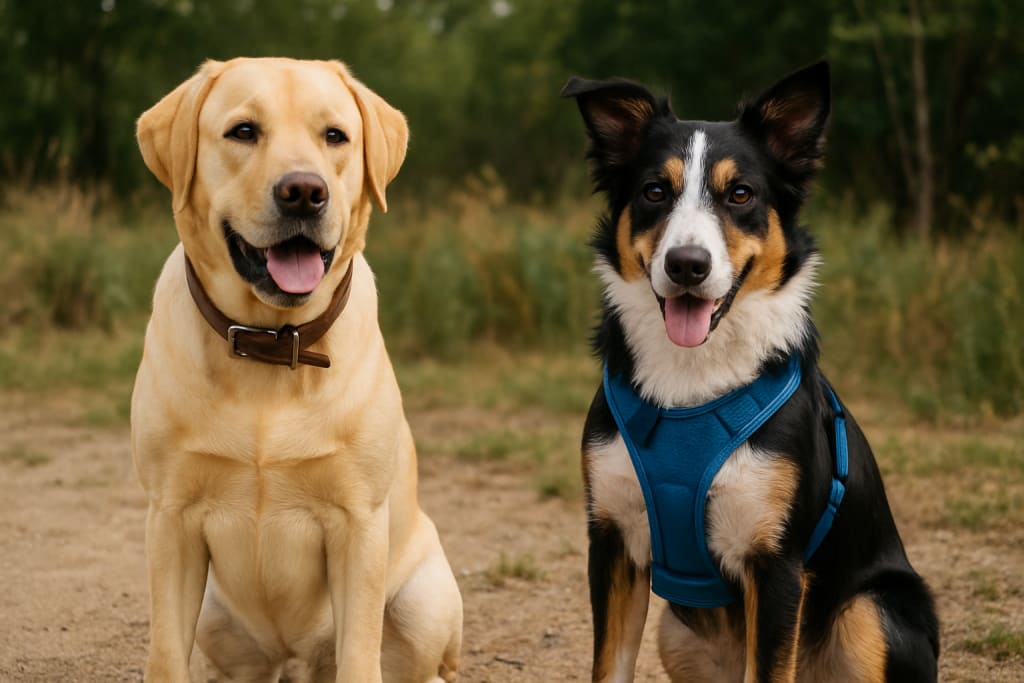
When it comes to walking your dog, the classic image is simple: leash, collar, and a quick stroll. For years, attaching your dog’s leash to their collar was the norm. But times have changed, and a growing number of experts are recommending that dog owners switch to harnesses. From improving control to protecting your pup’s neck and spine, harnesses are quickly becoming the go-to solution for many pet owners. But are they really better than collars? Let's dive into why experts believe harnesses are the safer and more comfortable option for both you and your dog.
Harnesses: More Than Just a Trend
Let’s face it—dog collars are convenient, but they come with their share of problems, especially if your dog is a puller. Harnesses, on the other hand, are a whole different beast. They’re not just a safety measure; they can also play a key role in training your dog to walk calmly on a leash. Pamela Brown, a certified dog trainer from Norwood, Massachusetts, puts it perfectly: "Using a collar is essential for identification purposes, but utilizing a harness provides additional safety benefits."
Here’s the key takeaway: collars put all the pressure on your dog’s neck, whereas harnesses spread the pressure over a larger area of their body—mainly the chest and shoulders. This helps to reduce the risk of injury, especially in breeds prone to neck or trachea problems. So, while a collar is fine for quick trips outside, a harness is a game-changer for more controlled, injury-free walks.
Why Harnesses Are Essential for Pullers
Let's talk about the "pulling" problem. If your dog is the type to take off at full speed, pulling you along like an oversized sled dog, you might already be aware of how uncomfortable and even dangerous it can be. When dogs pull on collars, the force is concentrated around their neck and spine, which can lead to long-term issues. Mo Lynch Vashel, a senior dog trainer at Wag It Better, says, “Harnesses protect a dog’s trachea and spine. If you have a dog that pulls, using a collar can stress the trachea, especially in small dogs like Pugs and French Bulldogs, leading to breathing problems.”
The beauty of a harness, particularly a front-clip harness, is that it gives you more control. By attaching the leash to the front of the dog, it gently redirects them back toward you whenever they pull, without putting pressure on their neck. It’s like the harness is saying, “Hey, slow down there!” This makes training so much easier and less stressful for both you and your dog.
For dogs under 25 pounds, or breeds that are more prone to neck issues (such as Pugs or Boston Terriers), choosing a harness like the Sense-ation Front-Clipping Harness is a great option. For larger dogs, the Easy Walk No-Pull Harness is a top recommendation to curb pulling behavior while offering more comfort.
Harnesses: The Safer Choice for Dogs of All Ages
If you’ve got a puppy or an older dog, harnesses become even more important. Puppies are still learning to walk, and they may not yet understand the concept of loose-lead walking. The harness helps by gently guiding them without causing discomfort or injury. On the flip side, senior dogs with joint issues or mobility problems benefit from a harness that can give you better control while protecting their necks and back.
Shelly Phillips, a certified dog trainer and canine fitness coach, highlights that harnesses work especially well for larger dogs that might be prone to sudden jerks or strong reactions, such as chasing squirrels or reacting to other dogs. "Anytime a dog comes to an abrupt stop on a collar, they risk neck injuries," says Phillips. For bigger dogs, a harness not only keeps them from pulling but also allows for better control, especially for owners with limited mobility.
This is why harnesses with dual attachment points, like the Blue-9 Balance Harness, are great choices. These harnesses allow you to attach the leash at the back for casual walks or at the chest for more control, making walks more manageable and less stressful on both you and your dog.
How Harnesses Help Prevent Injury and Escape
One of the most significant advantages of using a harness is the increased safety it provides. When a dog pulls against a collar, there’s a real risk of them slipping out, especially if the collar isn’t fitted properly. This can lead to dangerous situations, like the dog darting into traffic or running off. A well-fitted harness, on the other hand, is much more secure and prevents these escape attempts.
Nicole Ellis, a Certified Professional Dog Trainer, says, “Whether you have a feisty puppy or a senior dog, harnesses are a game-changer. They not only prevent injury but also stop your dog from escaping easily.” By distributing the pressure across your dog’s chest and shoulders, harnesses reduce the risk of injury to their neck and spine, making them ideal for strong, pulling dogs or those prone to injury.
However, there’s one thing to keep in mind: the fit matters. The best harnesses are those that don’t restrict your dog’s gait or movement. Avoid harnesses that cut across the shoulders or limit your dog’s natural movement, as this can lead to discomfort or even long-term mobility issues. Ideally, look for a harness with adjustable straps that offer a snug fit without causing restriction.
Collars: The Old Standby (But Not Always the Best Option)
Now, let’s not entirely throw collars under the bus. They’re convenient, especially for quick outings, and most collars come with a metal ring where you can attach ID tags. This makes them a handy option for identification and for short walks. But collars come with some notable drawbacks, especially for dogs that pull. As mentioned earlier, pulling on a collar can create pressure on the trachea, leading to potential injury.
Collars are also not ideal for certain breeds. For example, brachycephalic breeds like Bulldogs, French Bulldogs, and Pugs are at a higher risk of respiratory issues, and collars can exacerbate this. Additionally, dogs with neck injuries or issues related to their spine should avoid collars entirely. Instead, they’ll benefit from the even pressure distribution that a harness provides.
When Should You Use a Collar?
That said, collars do have their place. For puppies just learning to walk, a collar can help with leash training since it’s easier to manage than a harness. They’re also a good choice for dogs that don’t pull and for short walks when you're just letting your dog out for a quick bathroom break. In these situations, collars are simple, quick, and effective.
It’s important to note, though, that a collar should fit snugly. You should be able to slide one finger between the collar and your dog’s neck to ensure it’s not too tight or loose. If the collar is too loose, your dog might escape, and if it’s too tight, it can cause discomfort and even breathing problems.
The Bottom Line: Harnesses or Collars?
So, what’s the final word? Should you make the switch to a harness, or is the trusty collar still your best bet? The answer depends on your dog’s specific needs.
Use a harness if:
- Your dog pulls on the leash.
- You have a small dog or a breed prone to neck injuries (like brachycephalic breeds or small breeds with delicate tracheas).
- You need more control, especially for large dogs or dogs with mobility issues.
- Your dog tends to escape from collars.
Use a collar if:
- You have a dog that doesn’t pull and just needs to be walked casually.
- You need a quick solution for short walks or trips outside.
- Your dog is still learning leash manners and you want something simple to start with.
In Conclusion: Finding What Works for You and Your Dog
Ultimately, the decision to use a harness or a collar comes down to your dog’s needs, behavior, and comfort. A harness offers better control, reduces the risk of injury, and provides a safer walking experience, especially for dogs prone to pulling or neck problems. Collars, on the other hand, are convenient, lightweight, and ideal for less active dogs or quick outings.
Take the time to consider your dog’s walking habits, size, and any potential health issues they may have. Whether you choose a collar or harness, the most important thing is that your dog is safe, comfortable, and happy during their daily walks. Happy walking!
About the Creator
Off the Leash: The Essential Gear Guide for Adventurous Dogs
There’s something wildly freeing about unclipping the leash and letting your dog move the way they were built to. If you’re hiking in areas that truly allow off-lead exploration, your gear list shifts. No harness. No leash dragging through dust. Instead, it’s about smart, lightweight essentials that keep your dog safe, hydrated, and easy to manage when adventure gets messy. Long walks off lead are less about control and more about preparation.
By Shabbir Ahmad7 days ago in Petlife
Hottest in the Office
Dear Rafi, You’re very distracting to work around. For the first second I saw you the other day, I thought you were some type of executive. It took a moment to realize no, you were just the new guy, dressed up for the job he wants. Be still, my heart.
By Gabriel Shames6 days ago in Pride




Comments
There are no comments for this story
Be the first to respond and start the conversation.