
How to stop a dog from eating dead animals
Dogs are natural scavengers, and sometimes their instincts lead them to eat things they shouldn’t—like dead animals. While this behavior is alarming, staying calm and acting quickly is key. Dead animals can carry harmful bacteria, parasites, or toxins that pose serious risks to your dog’s health. This guide covers everything from immediate actions to prevent illness, essential training tips, and ways to minimize scavenging behaviors. Whether it’s teaching your dog to “leave it” or keeping their environment clean, these practical steps will help keep your furry friend safe, healthy, and happy on every adventure.

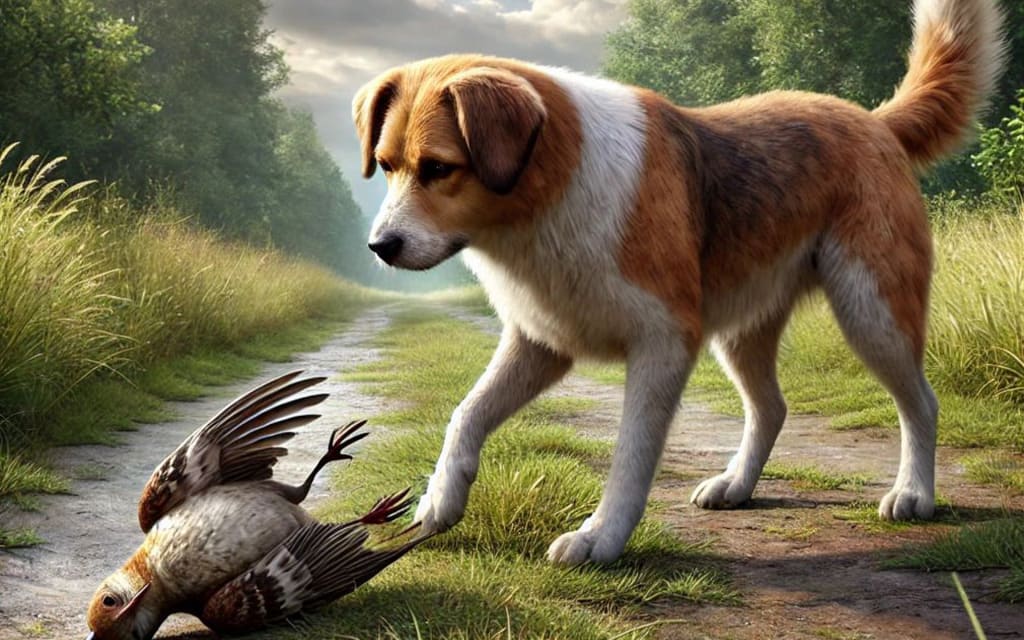
What to Do If Your Dog Eats a Dead Animal - A Complete Guide
It’s every dog owner’s nightmare—your furry friend gets into something they shouldn’t, and you realize they’ve eaten a dead animal. Whether it’s a bird, rodent, or something unrecognizable, this behavior is both natural and alarming. But don’t panic! I’m here to guide you through what to do, why it happens, and how to prevent it in the future.
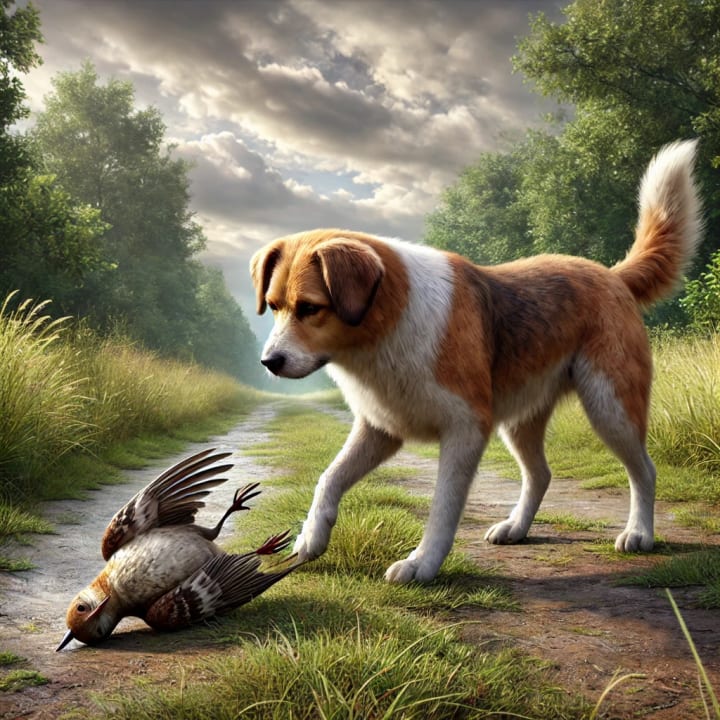
Why Dogs Eat Dead Animals
Dogs are scavengers by nature. Their ancestors roamed the wild, eating whatever they could find. While your dog may enjoy premium kibble and treats at home, the primal instinct to sniff, chew, and sometimes eat random things outdoors is hardwired into their DNA. To your dog, a dead animal might seem like an irresistible delicacy.

However, what seems tasty to your dog can be dangerous. Dead animals carry harmful bacteria like Salmonella and E. coli, and they may be hosts to parasites or toxins that could harm your dog’s health.
Stay Calm and Assess the Situation
First and foremost—don’t panic. Your dog feeds off your energy, so keeping calm helps both of you. Avoid scolding your pup; they likely don’t understand why you’re upset and might associate your reaction with something unrelated. Instead, take a deep breath and assess the situation.
1. Observe Your Dog’s Behavior
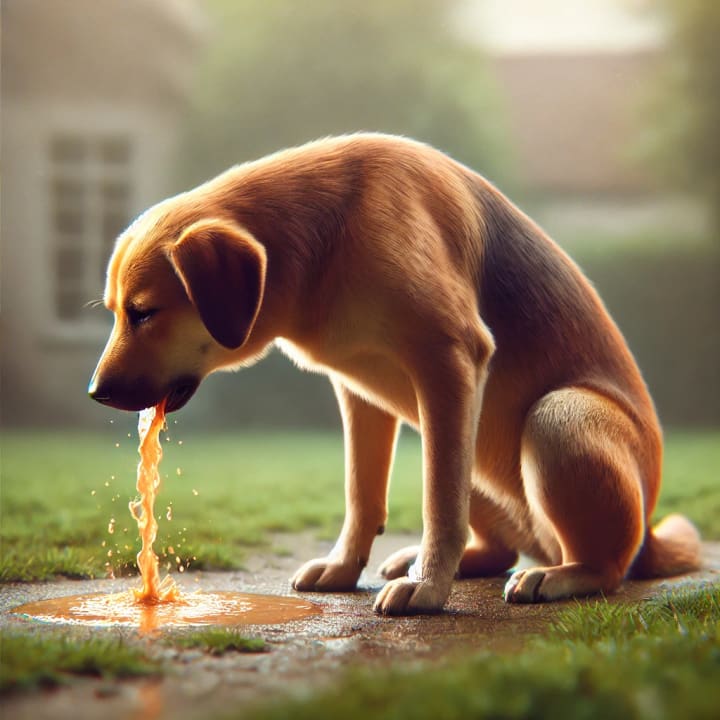
Check for signs of illness such as vomiting, diarrhea, lethargy, or excessive drooling. If your dog seems normal, don’t relax just yet—some symptoms can take hours or days to appear.
2. Identify What They Ate
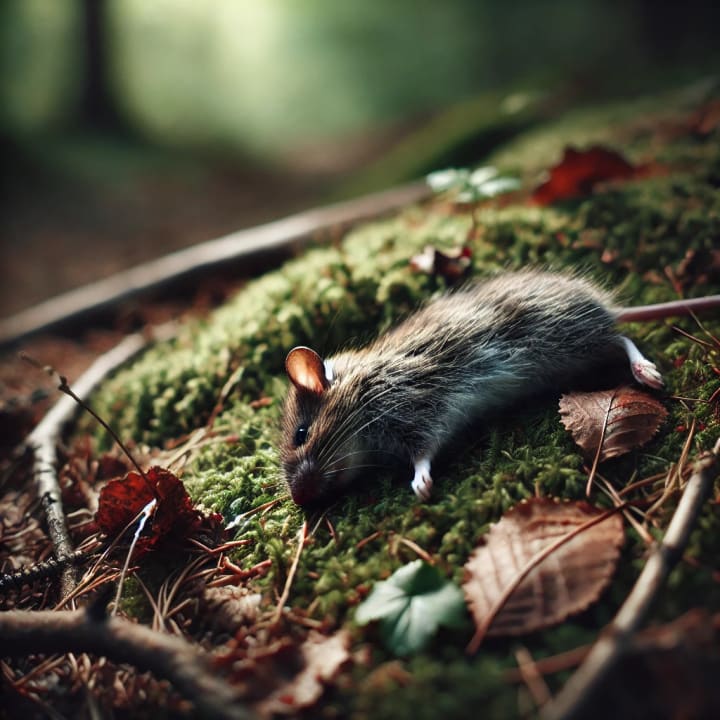
If you can safely identify the dead animal, this helps your veterinarian determine potential risks. Was it a rodent? Birds and small mammals often carry parasites or poisons.
3. Contact Your Vet
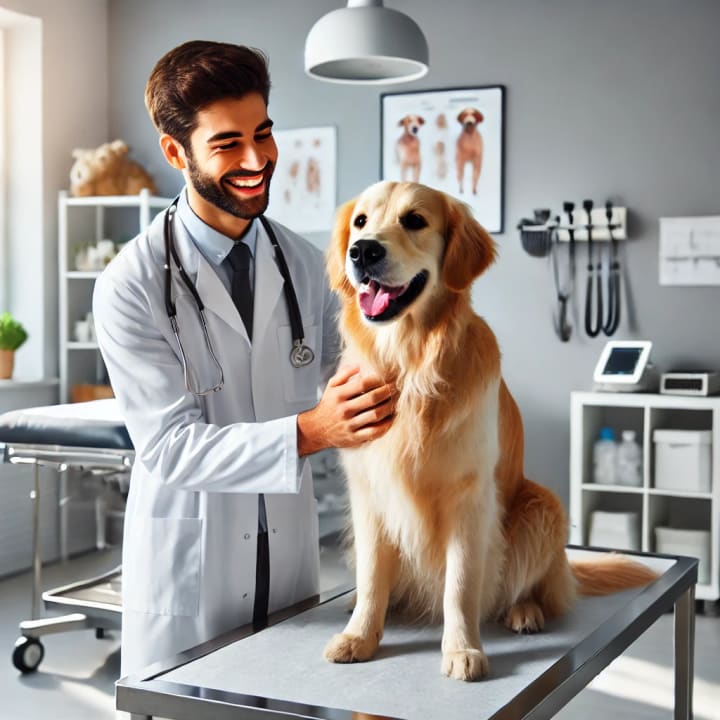
It’s always a good idea to call your vet. Even if your dog seems fine, a professional can guide you on whether an in-person visit is necessary.
Why Eating Dead Animals Is Dangerous
Dead animals pose multiple risks:
- Bacteria and Parasites: Pathogens like Salmonella and E. coli can cause severe infections. Parasites like tapeworms and roundworms may also be a concern.
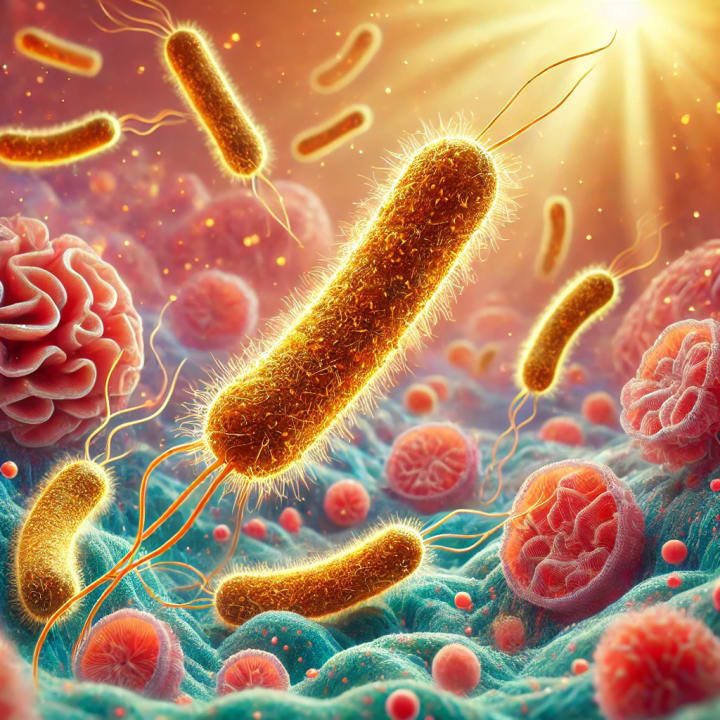
- Toxins: The animal may have been poisoned before it died, passing harmful substances to your dog.
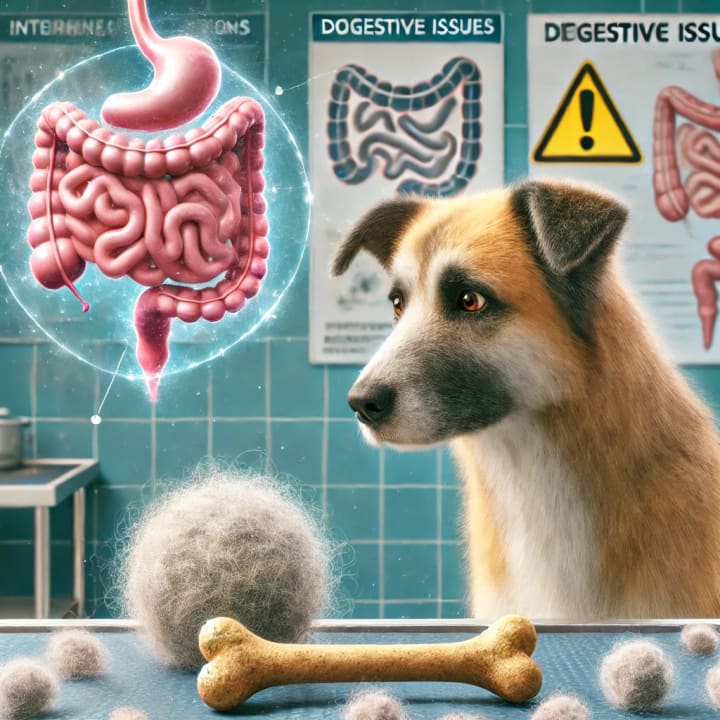
- Choking or Blockages: Bones and fur can cause digestive issues or obstructions.
Preventing the Behavior
Prevention is the best way to keep your dog safe. Here are some practical tips to curb their scavenging instincts:
1. Master the “Leave It” Command

Teaching your dog to “leave it” is a game-changer. Start with simple training exercises at home using treats or toys. Reward your dog for obeying the command, and gradually introduce distractions. The goal is for them to resist even the most tempting items, like a dead squirrel on a walk.
2. Leash Training and Supervision
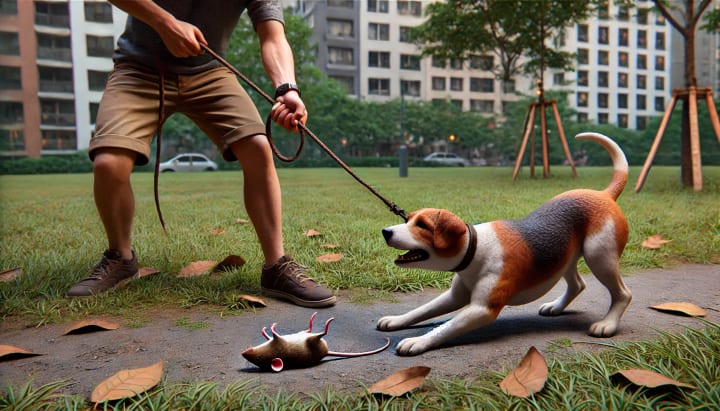
A leash is your best friend when it comes to control. Use a short leash in areas where dead animals or trash are common. If your dog lunges toward something questionable, gently redirect their focus to you.
3. Keep Them Busy

Bored dogs are more likely to scavenge. Provide plenty of mental stimulation through toys, puzzle feeders, and interactive games. When your dog’s brain is engaged, they’re less inclined to explore unsavory snacks.
4. Clean Their Environment

Regularly check your yard for any potential hazards, including dead animals. Keep trash bins secure, and remove anything that might attract scavengers to your property.
5. Walk in Safe Areas

Choose walking routes with fewer temptations. Parks and trails with high foot traffic tend to be cleaner, reducing the risk of your dog encountering dead wildlife.
Boost Your Dog’s Health to Reduce Scavenging
A well-fed, healthy dog is less likely to scavenge.
- Diet: Feed your dog a balanced diet to ensure they’re getting all the nutrients they need. Hungry or malnourished dogs are more likely to eat whatever they find.
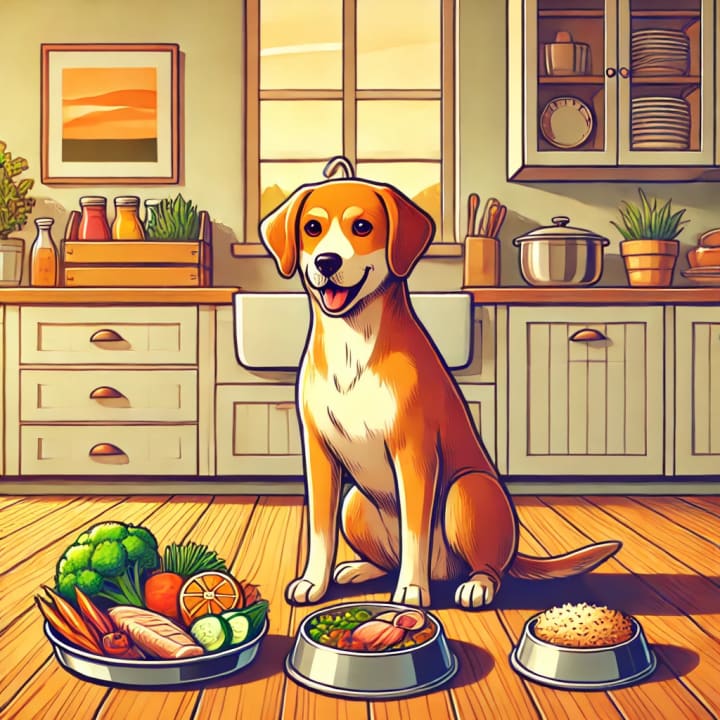
- Exercise: Regular physical activity helps burn off excess energy and reduces anxiety-driven behaviors like scavenging.
What to Do After the Incident
If your dog eats a dead animal, monitor them closely for the next 24–48 hours. Look for the following warning signs:
- Vomiting or diarrhea
- Lethargy or weakness
- Loss of appetite
- Excessive drooling or difficulty breathing
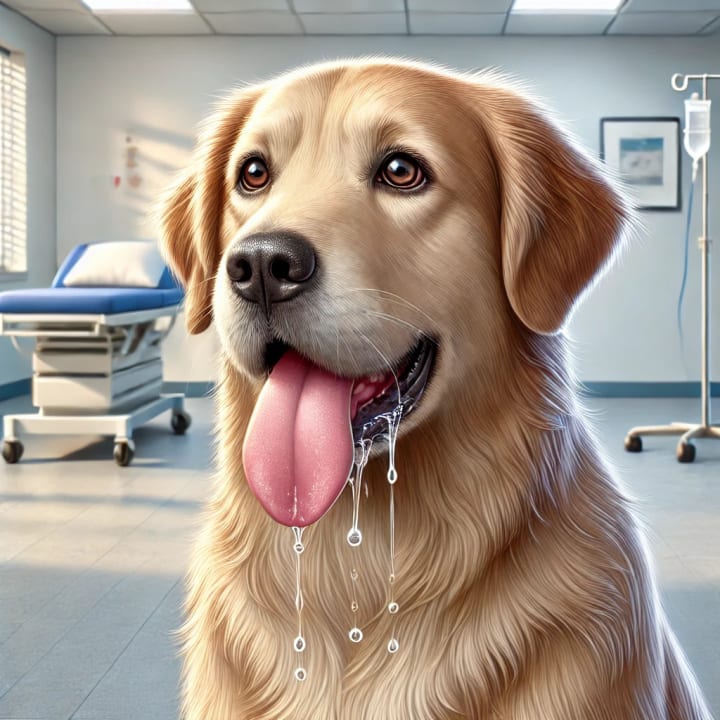
If you notice any of these symptoms, seek veterinary care immediately.
When All Else Fails - Use a Muzzle
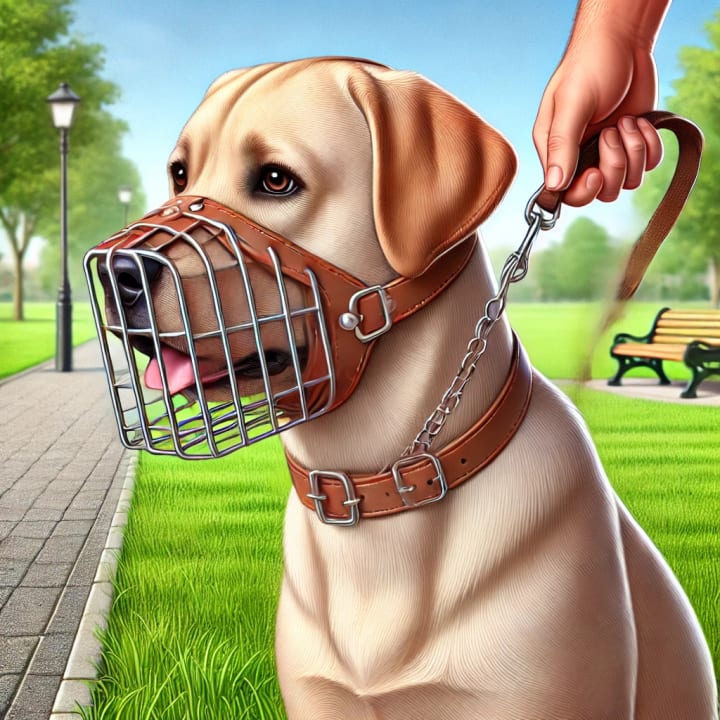
For extreme cases, a basket muzzle can prevent your dog from eating anything harmful during walks. While some owners feel hesitant about using a muzzle, it’s a practical solution for dogs who can’t resist scavenging. Ensure the muzzle allows your dog to pant and drink water comfortably.
The Upside of a Zesty Scavenger
Let’s face it—dogs are quirky creatures. Their scavenging instincts, while frustrating, are part of what makes them so fascinating. A dog who happily sniffs out every leaf, stick, and rock on a walk often brings boundless enthusiasm and joy to our lives.
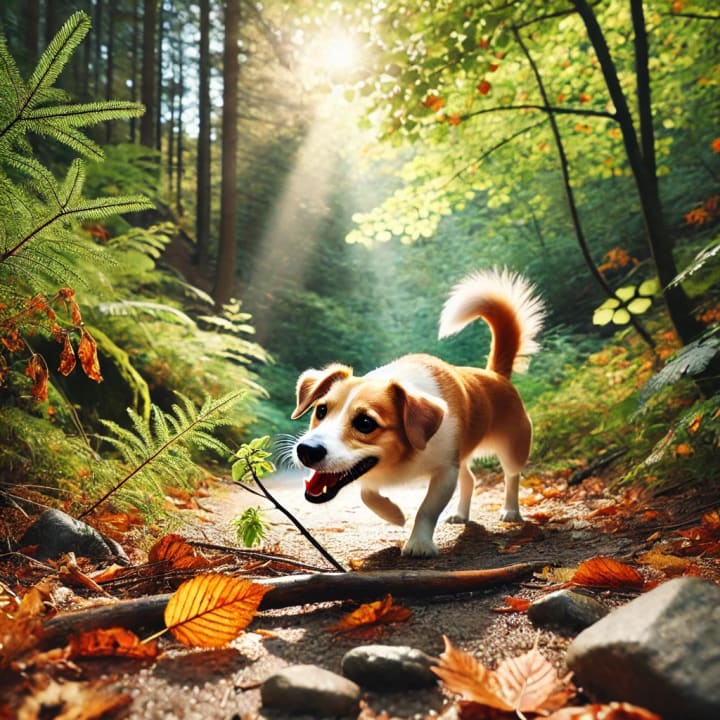
With the right training, diet, and preventative measures, you can channel that zest for life into safer, healthier behaviors. And remember: your vet is always just a phone call away when things get messy (literally).
By taking these steps, you can help ensure your furry friend stays happy, healthy, and out of trouble—no matter how tempting that dead bird may seem.
Thanks for your reading.




Comments
There are no comments for this story
Be the first to respond and start the conversation.